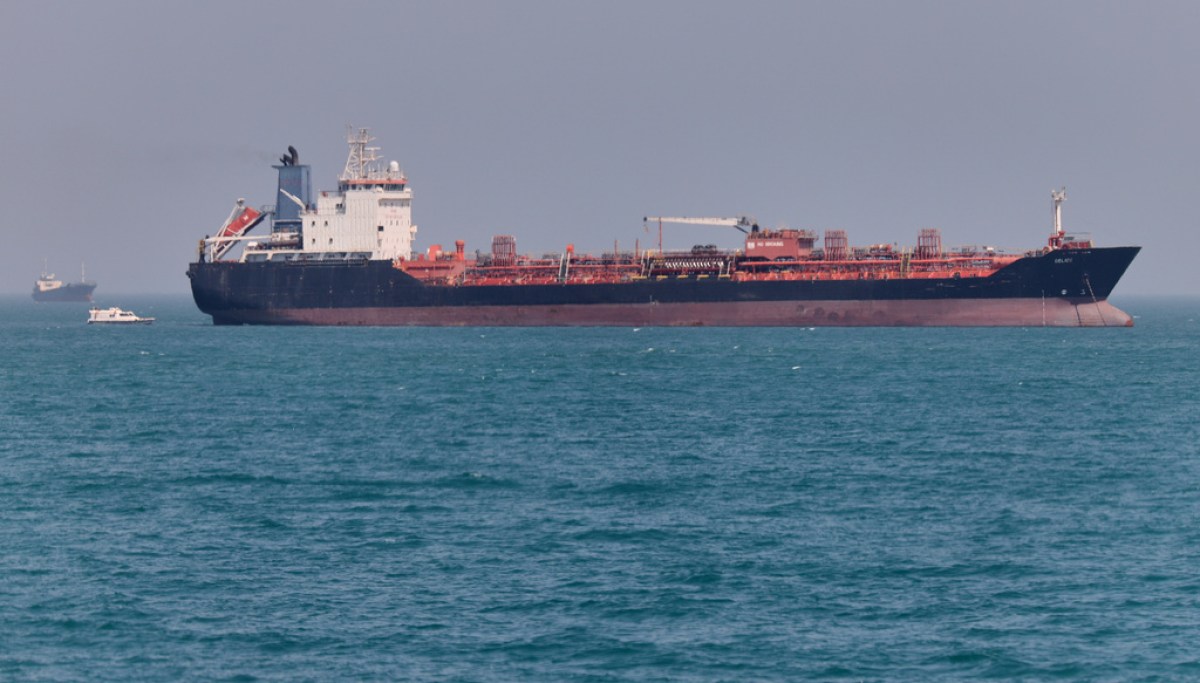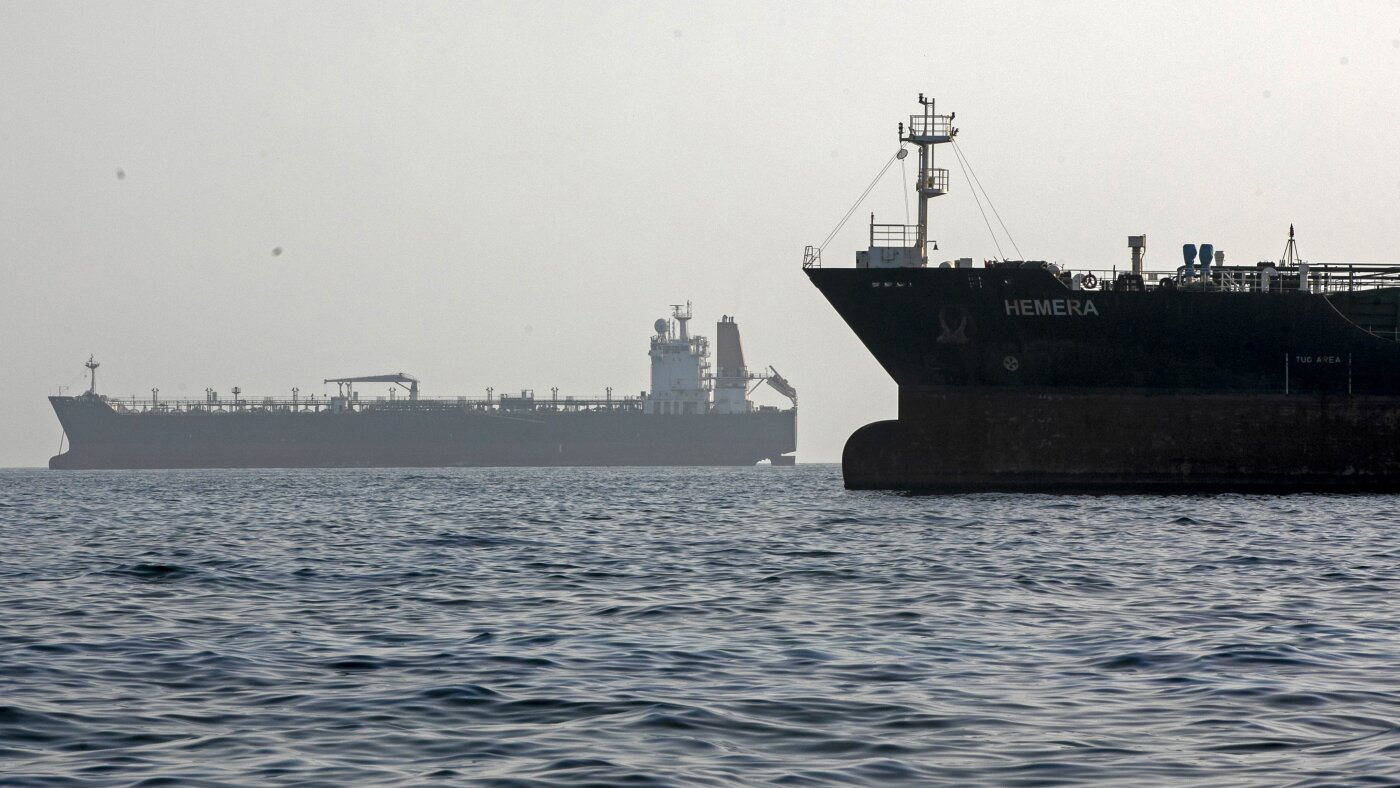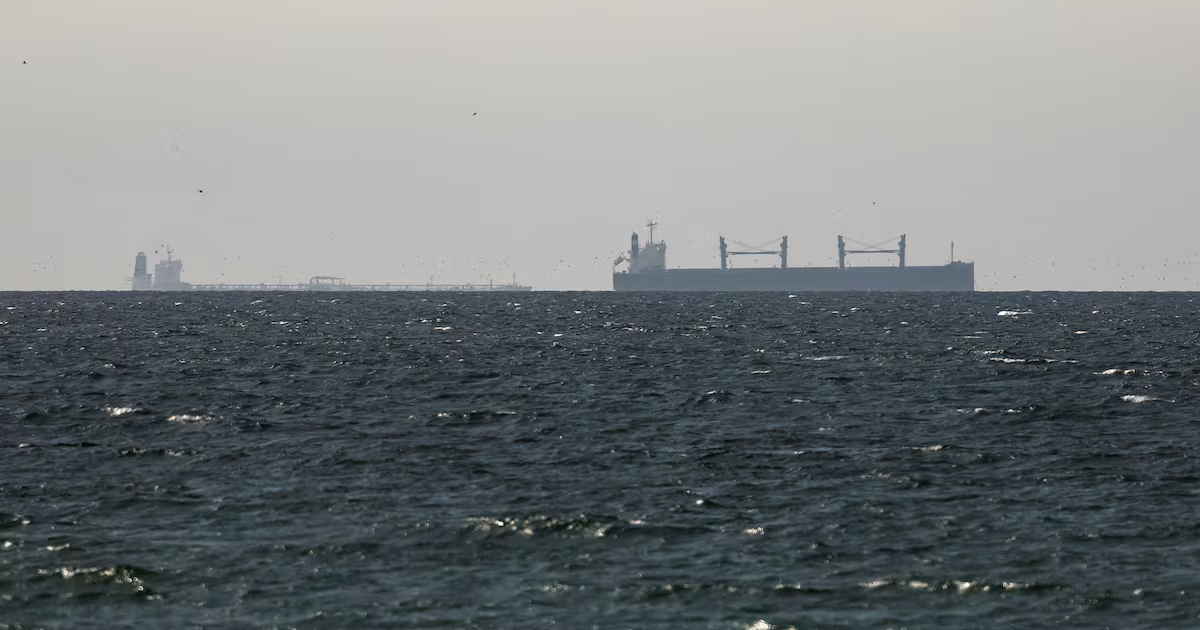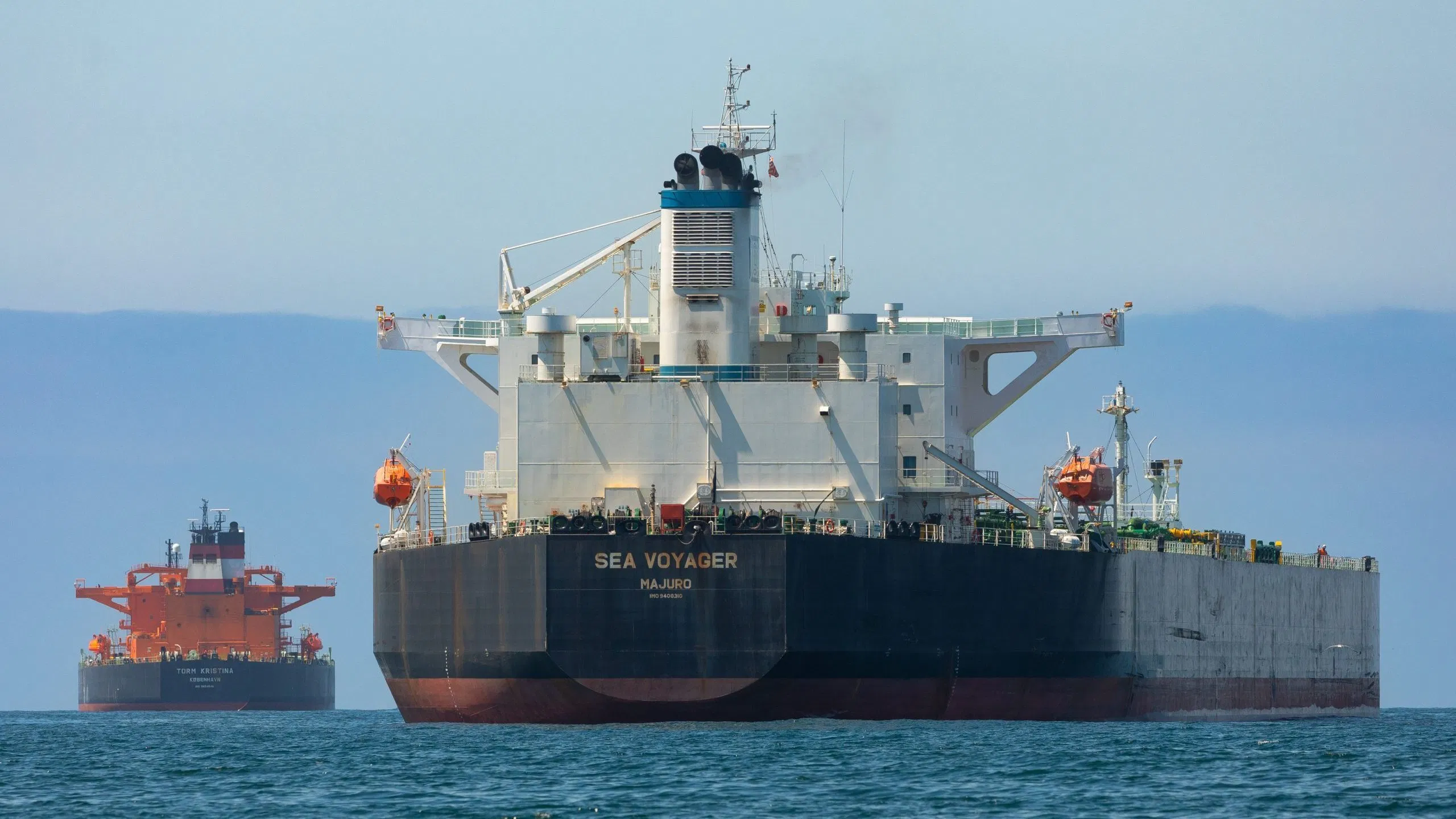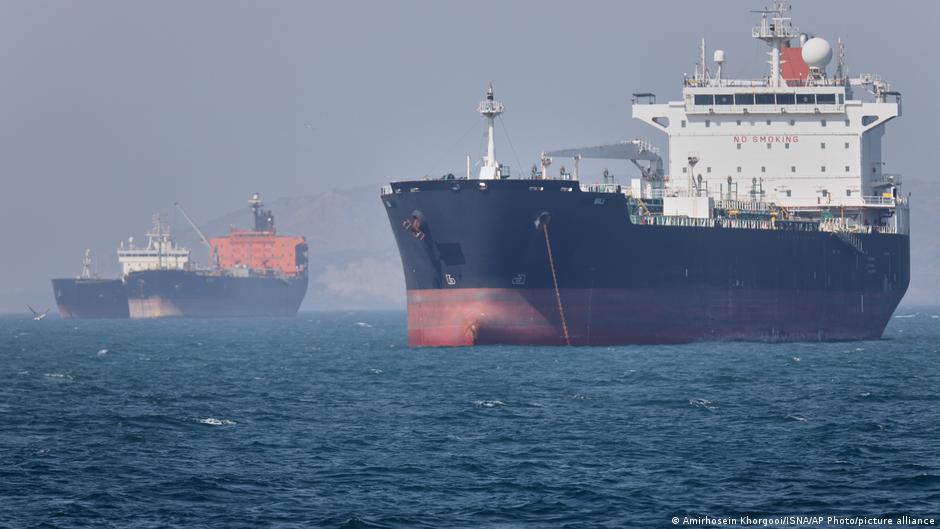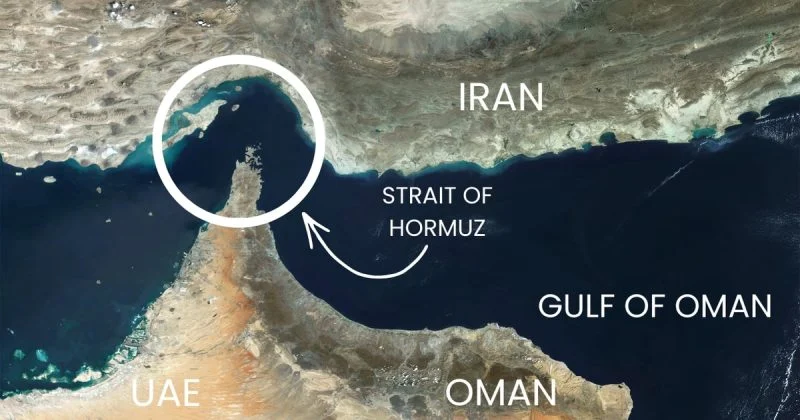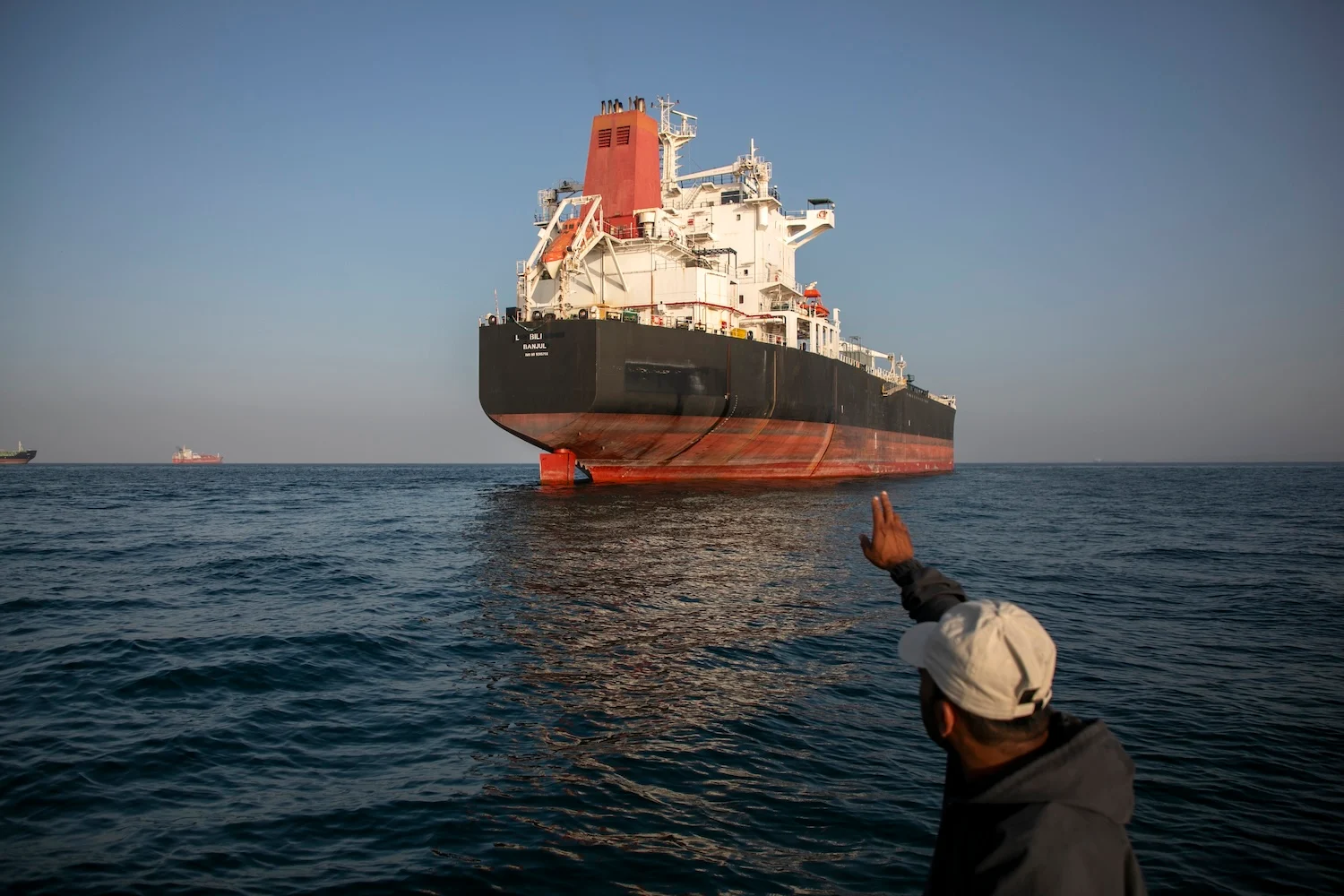
Now that Iran and the United States have reached a memorandum of understanding to end direct hostilities, especially in the contested Strait of Hormuz, the big question is how quickly inflated oil prices will come down.
Benchmark crude prices were still trending lower on Monday on news of the agreement, with Brent contracts for August trading at $83 a barrel. That’s still a lot higher than benchmark crude was before the war but far less than the triple-digit prices reached during peak moments of the conflict.
Announcing the deal late on Sunday, U.S. President Donald Trump wrote on social media: “Ships of the World, start your engines. Let the oil flow!” He later amended that to note: “With the opening of the Strait upon the signing of the Deal on Friday, for purposes of mine removal, oil will flow on both ends again for the Region, and the World!”
One complication is that the exact terms of the MOU are not entirely clear and won’t be until its publication sometime this week. Reports suggest that Iran will allow unhampered and toll-free traffic through the strait during the 60-day follow-on negotiations but may seek to charge fees for traffic after that. But Trump has also threatened to renew hostilities and the U.S. blockade if Iran proves recalcitrant, so there remains uncertainty over exactly how open the strait will be and how soon.