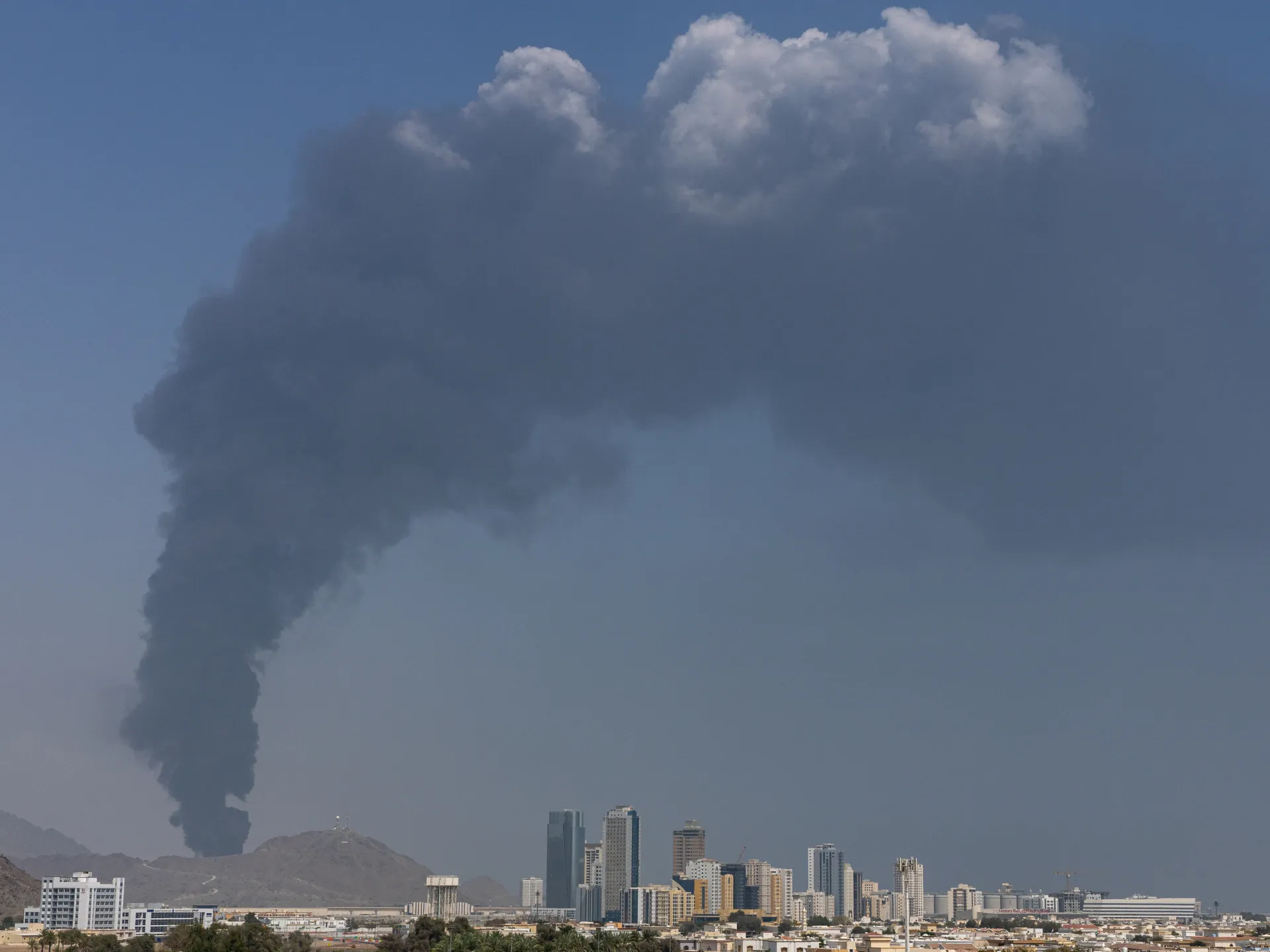
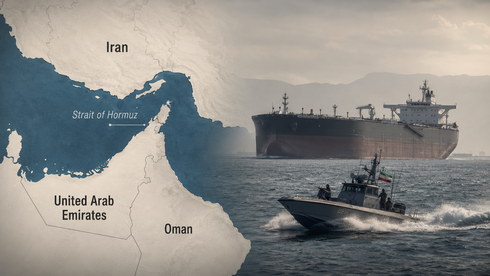
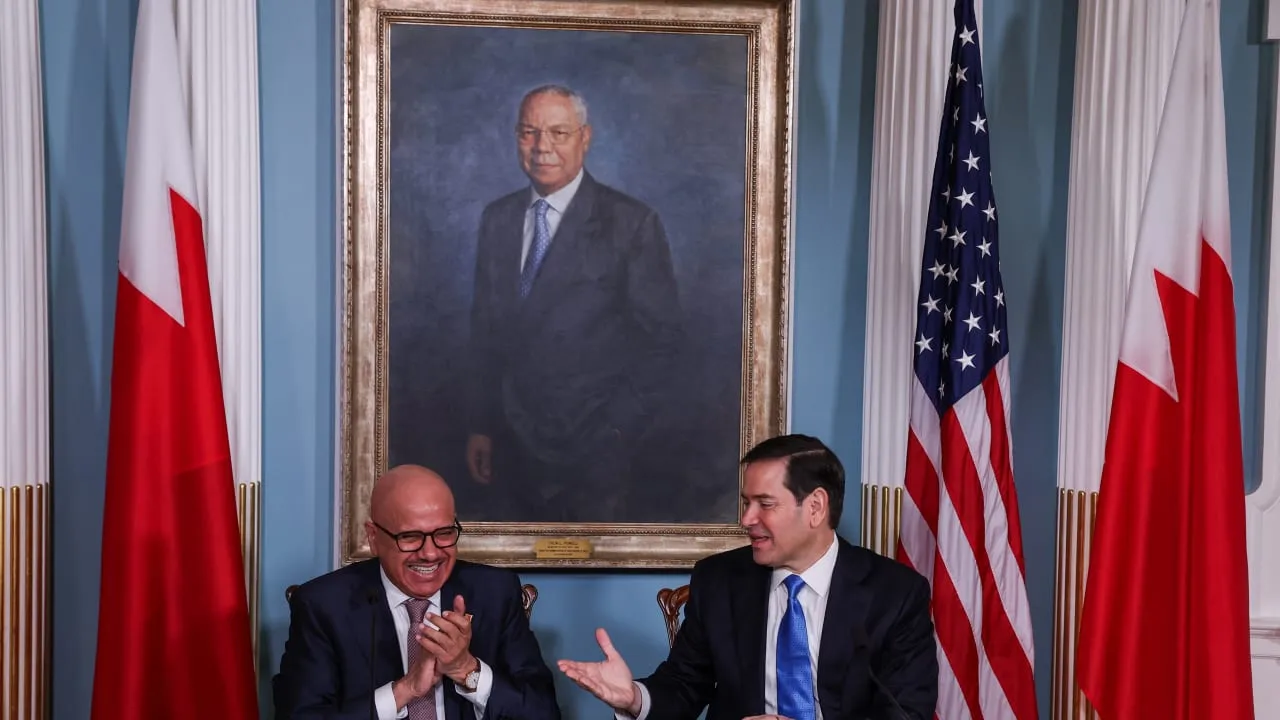
Gulf nations face a precarious future after Iran's attacks. A new deal offers only a temporary reprieve, leaving them vulnerable to regional proxies and missiles. Analysts suggest the agreement neglects crucial security needs, forcing Gulf states to seek their own solutions. This leaves them caught between an emboldened Iran and an unreliable US ally.

An Iran-US deal could provide an opportunity for Gulfs to review their security arrangements.

Islamabad has an opportunity to pitch the idea of ‘renting oil and gas storage facilities’ to the Arab Gulf states.
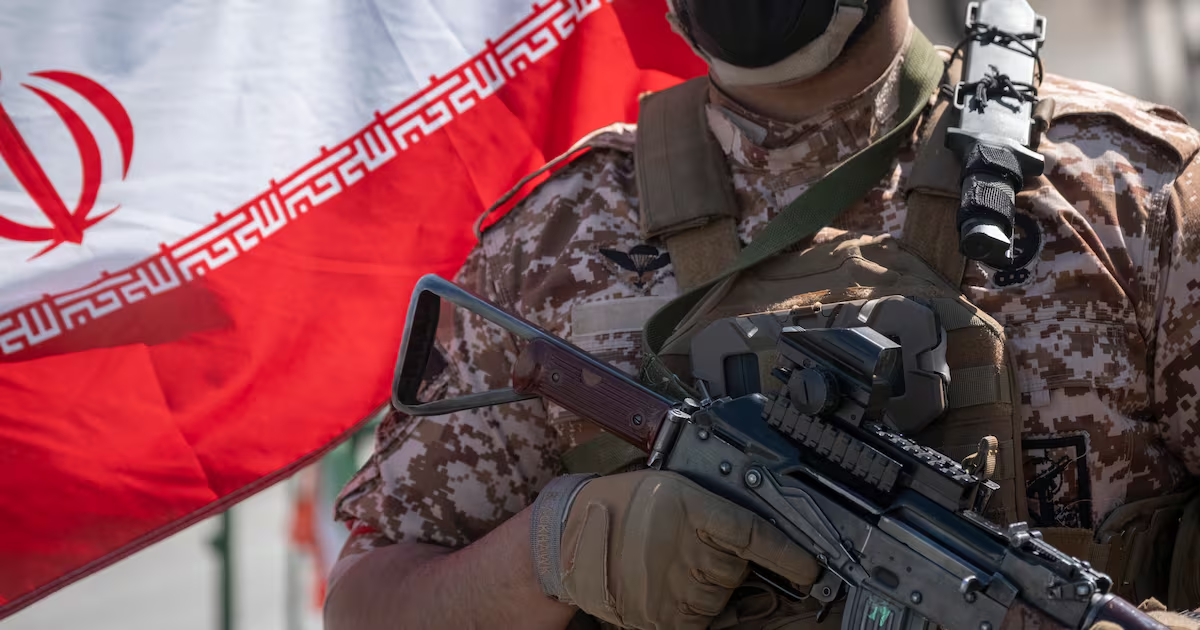
The region will continue to be pessimistic about the Tehran regime's behaviour and intentions

By Samia NakhoulBEIRUT, June 15 (Reuters) - The U.S.-Iran deal may silence the guns, but it cannot alter the verdict of more than three months of war. The region has emerged from…

Experts say the regional balance of power remains largely unchanged, while Iran appears politically strengthened

Gulf nations face a precarious future after Iran's attacks. A new deal offers only a temporary reprieve, leaving them vulnerable to regional proxies and missiles. Analysts suggest…

The deal may halt the fighting, but it leaves Iran’s nuclear and missile programs unresolved, with Tehran intact, Gulf states exposed and confidence in US protection badly shaken

Few analysts believe final settlement can be reached in 60 days – and even if it is, war and instability could soon return

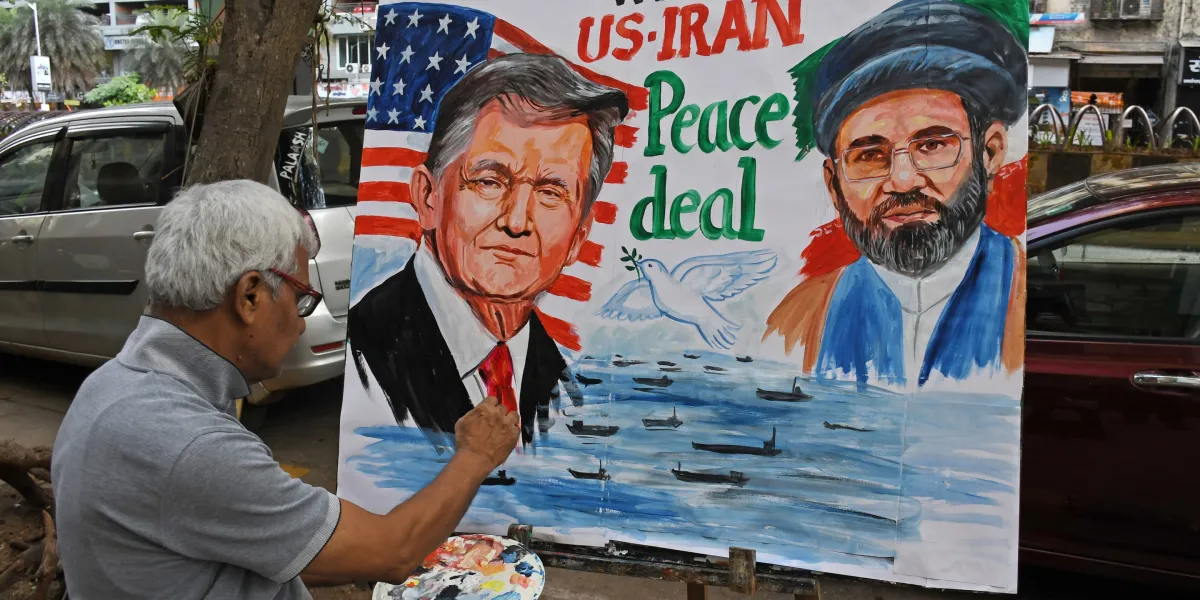
The U.S.–Iran peace deal has sparked relief across global markets, but investors are still waiting to see whether the breakthrough can translate into lasting stability

Tehran strengthened by emerging agreement, especially in the eyes of Arab countries, which fear future attacks and so will offer economic support; Axis of extremist Sunni states…