HomeAI · summaries
Storia in 2 fonti
The mystery dental condition impacting children across Europe
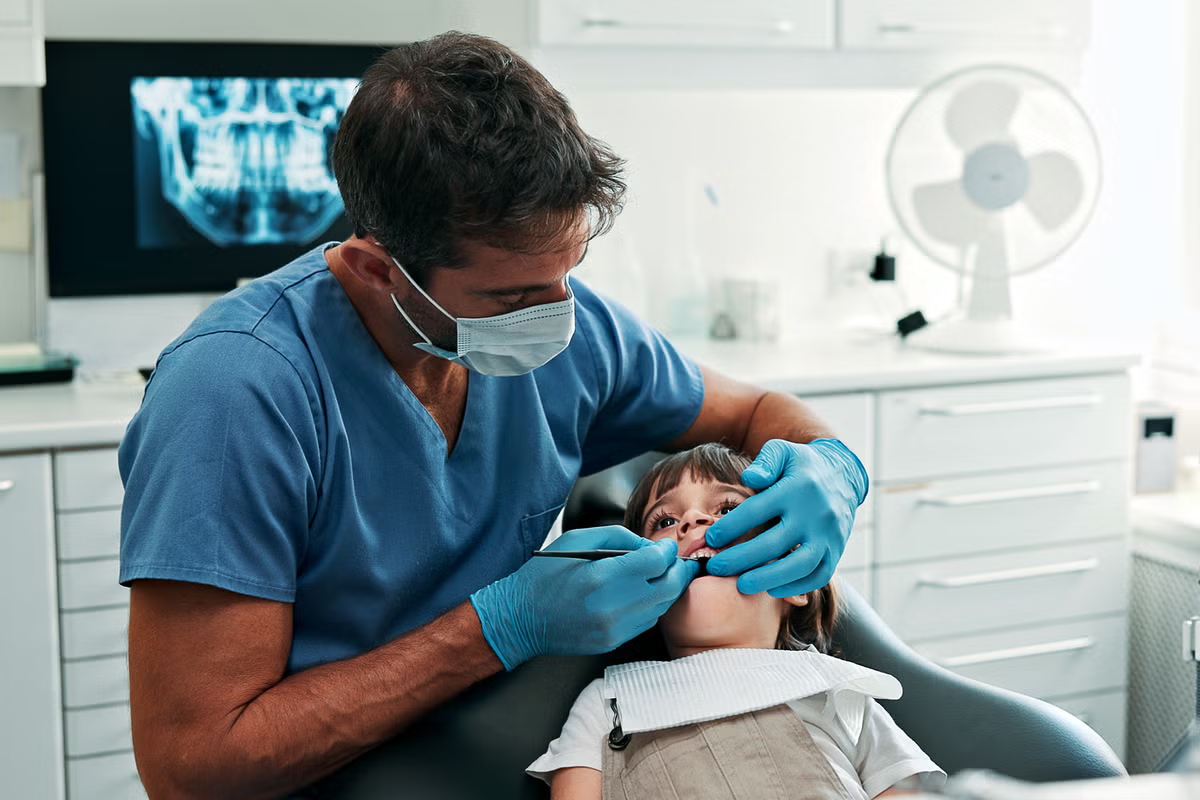
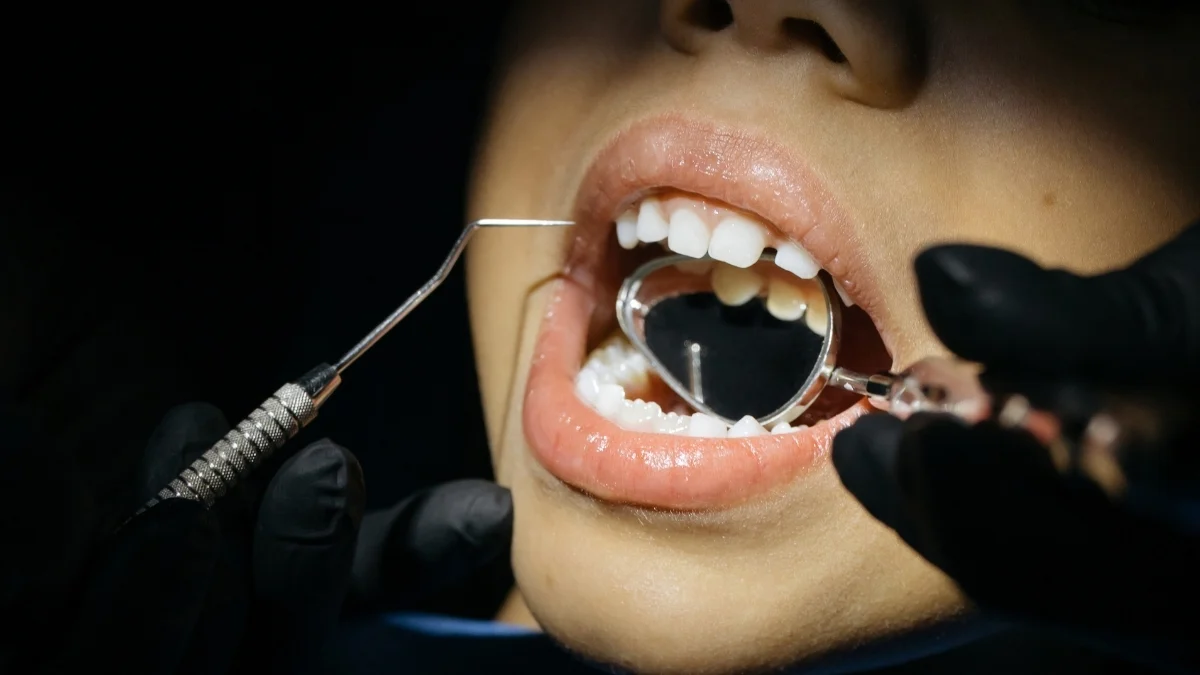
Stay up to date with notifications from The IndependentNotifications can be managed in browser preferences.Jump to contentThank you for registeringPlease refresh the page or navigate to another page on the site to be automatically logged inPlease refresh your browser to be logged inAllNewsSportCultureLifestyleMolar incisor hypomineralisation (MIH) is a common dental condition (PA Archive)Molar incisor hypomineralisation (MIH) is a common dental condition, affecting around 28 per cent of children in Scandinavia and prevalent across Europe, where adult teeth form with weakened, discoloured enamel. Unlike tooth decay, MIH is not caused by poor hygiene or sugar, but by a disruption in enamel formation during early childhood, typically between birth and two years old, leaving teeth fragile and sensitive. The condition primarily impacts the first permanent molars and front teeth, leading to visible changes, pain, and sensitivity to temperature, often making brushing difficult for affected children. While MIH cannot currently be prevented, treatments vary based on severity, ranging from fluoride gels and protective coatings for mild cases to fillings, stainless steel crowns, or even tooth removal for severe instances. Further research is crucial to better understand the prevalence, causes, and triggers of MIH, aiming to improve diagnosis, treatment, and ultimately prevent long-term dental issues for those affected. In fullMillions of children diagnosed with mysterious tooth conditionThank you for registeringPlease refresh the page or navigate to another page on the site to be automatically logged inPlease refresh your browser to be logged in
Confronto fonti
2 prospettive sulla stessa storiaTimeline cronologica
- ·
independent.co.uk
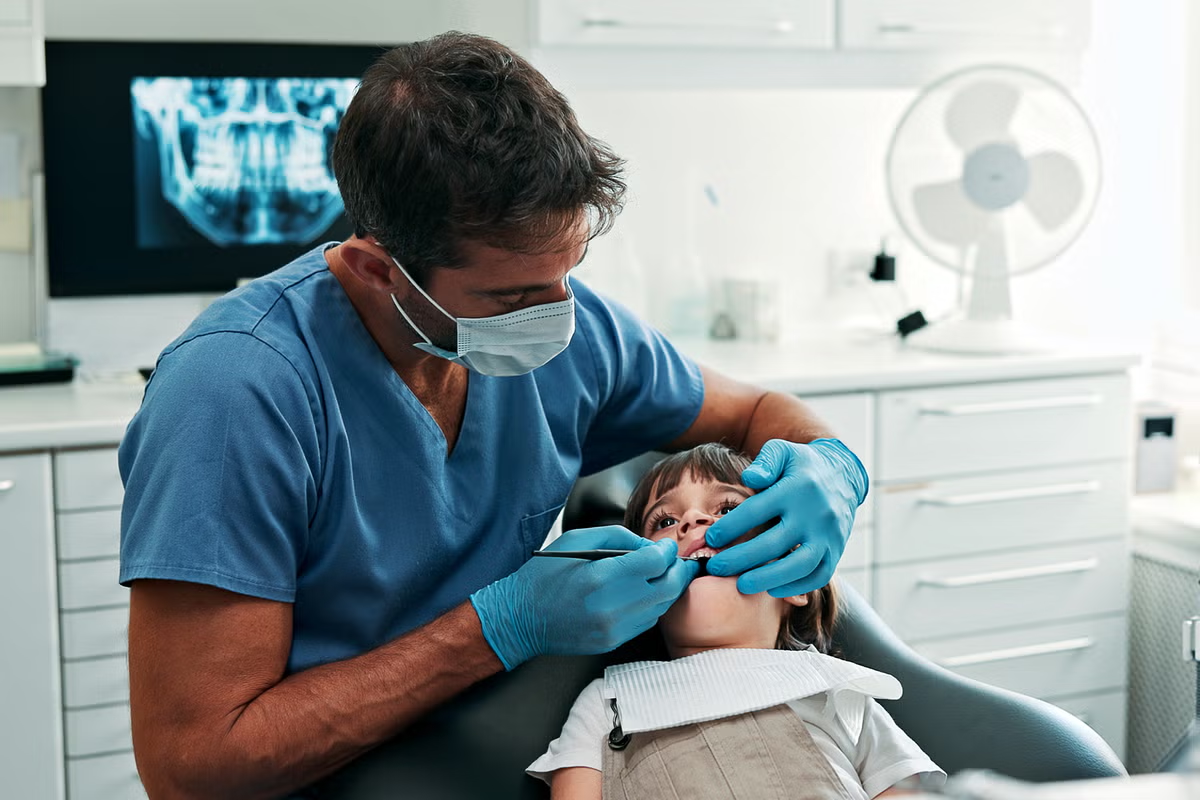
Millions of children diagnosed with mysterious tooth condition
Molar incisor hypomineralisation (MIH) is almost as common as tooth decay
- ·
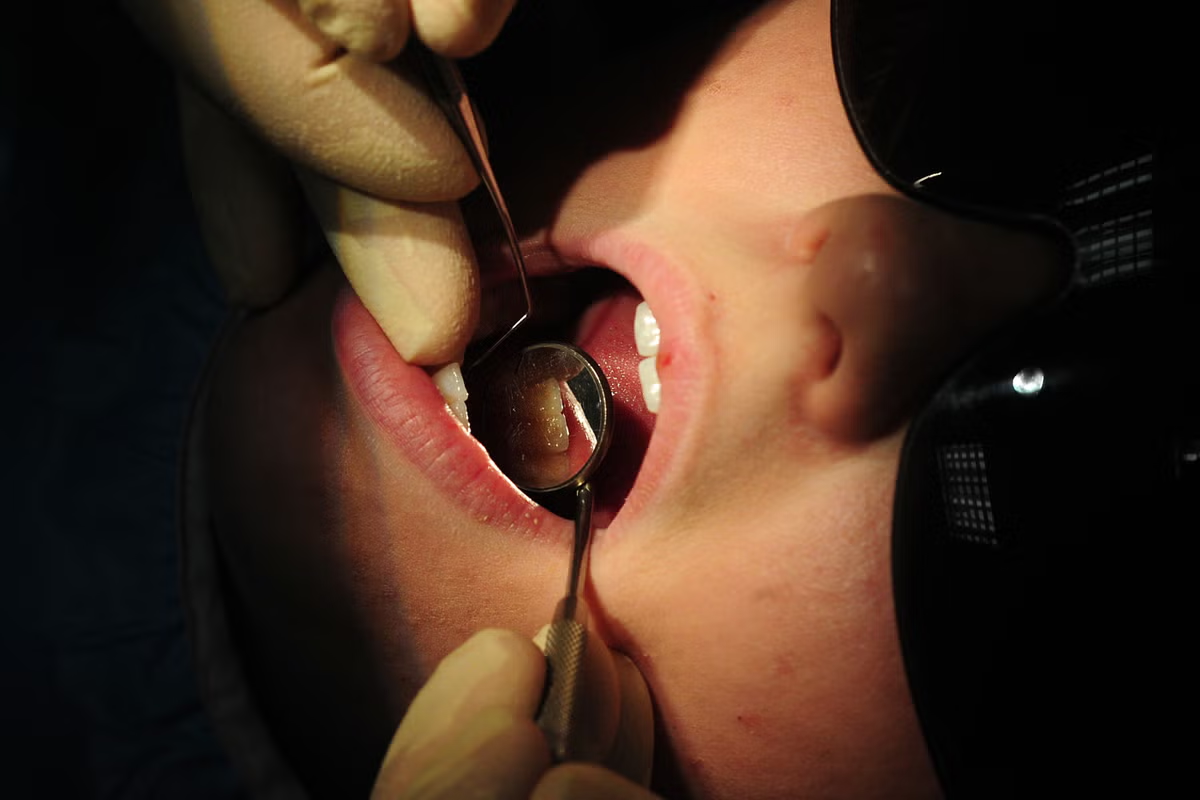
The mystery dental condition impacting children across Europe
Stay up to date with notifications from The IndependentNotifications can be managed in browser preferences.Jump to contentThank you for registeringPlease refresh the page or…