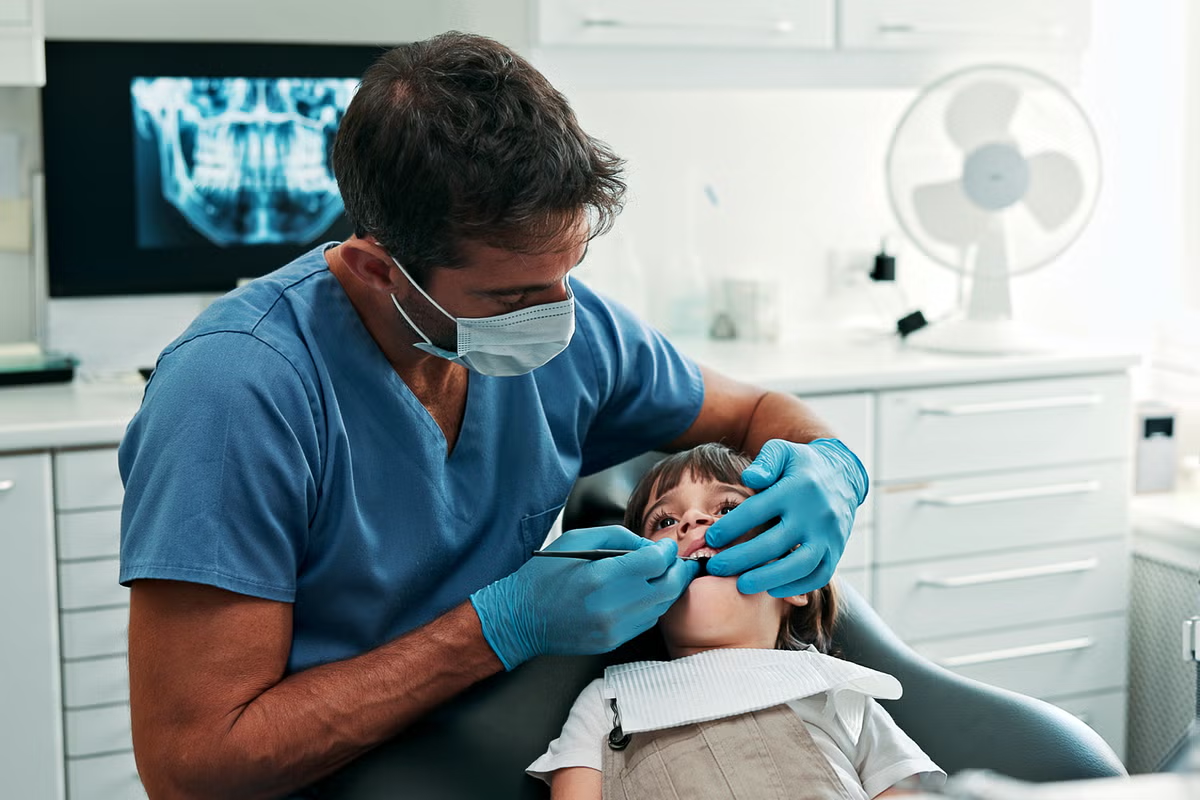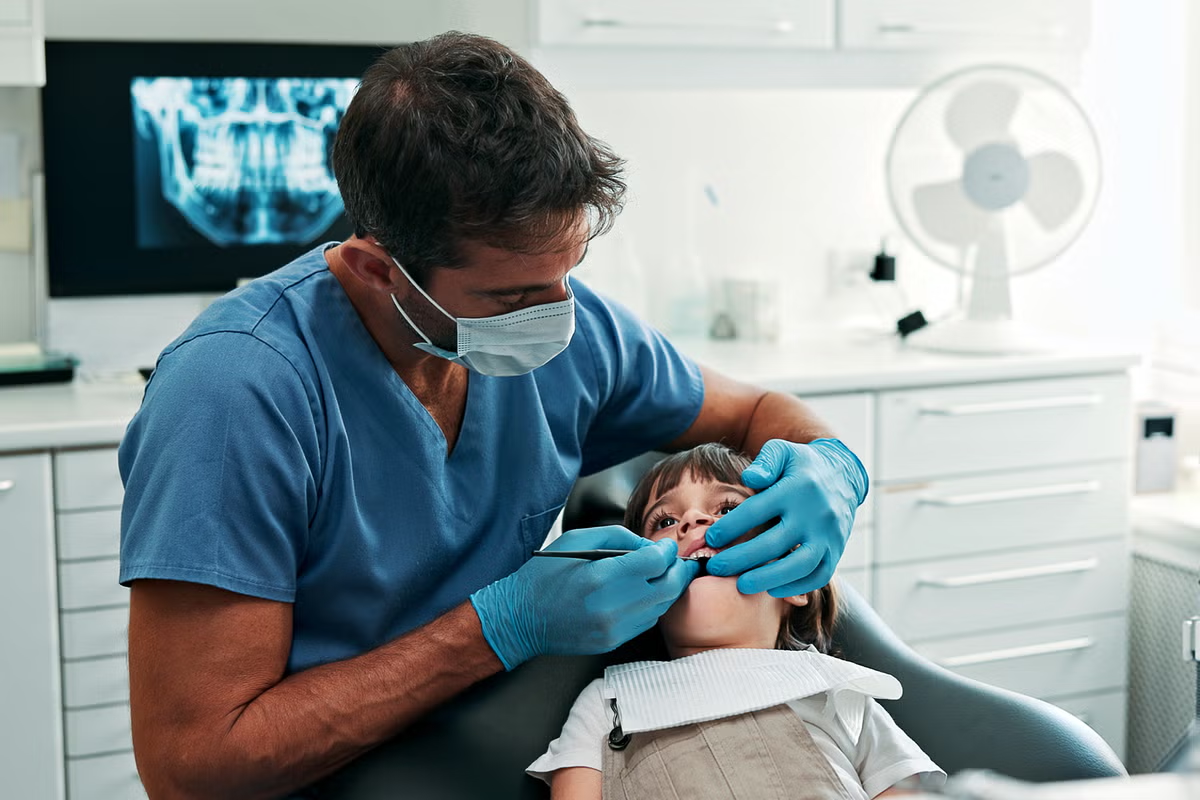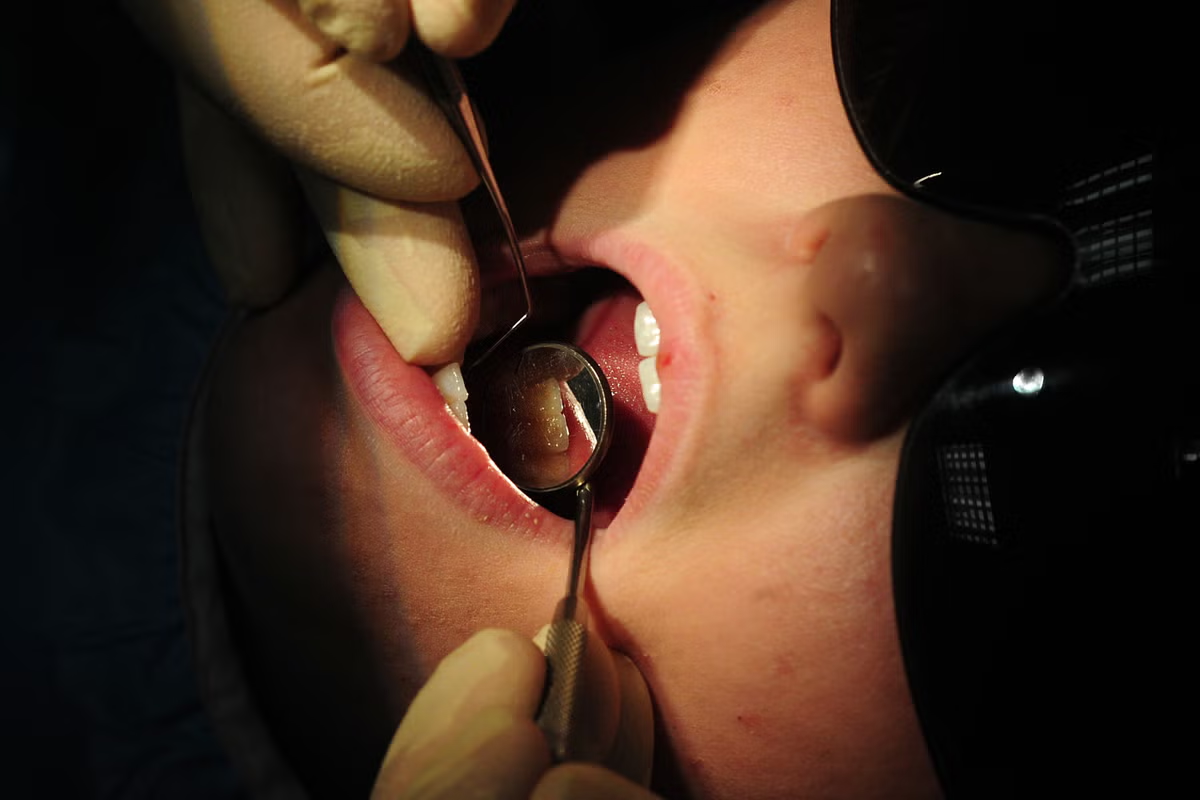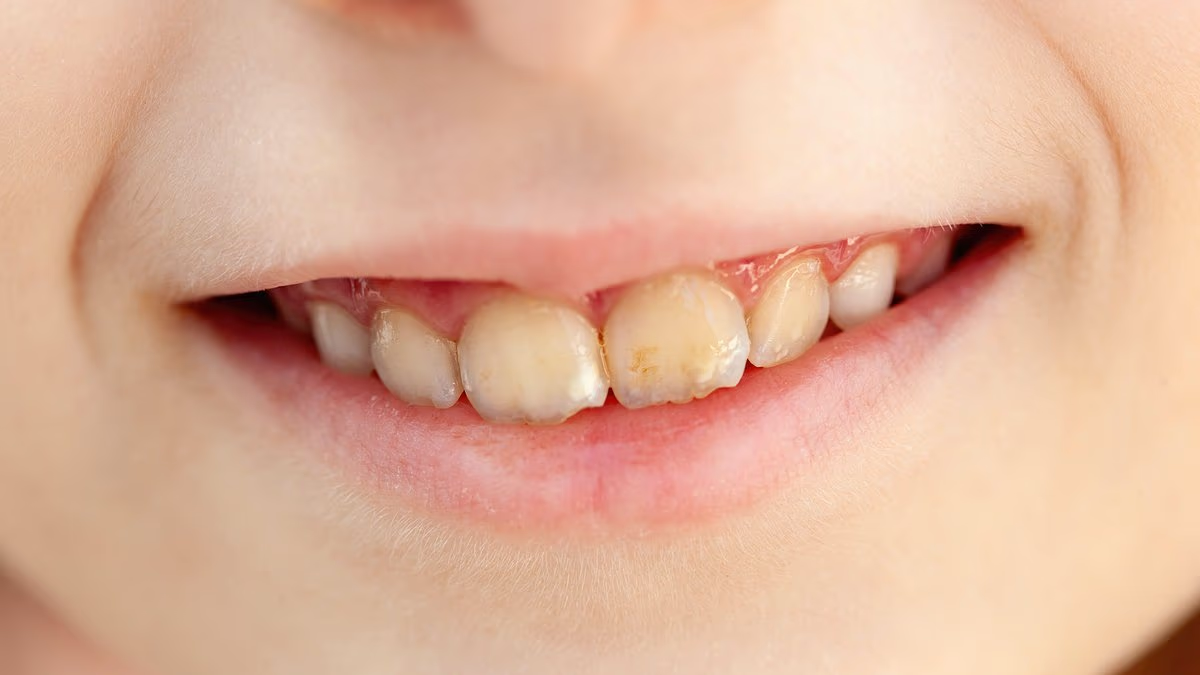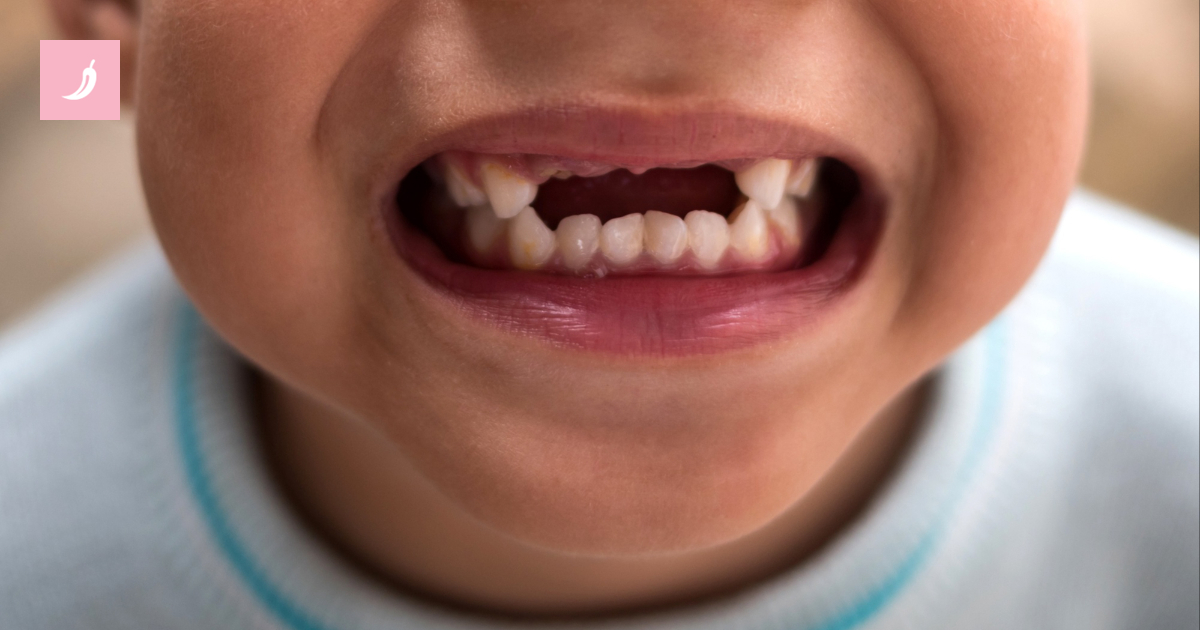
Your child's small, delicate, chalk-white baby teeth fall out. In their place grow yellowish-brown, fragile teeth – much to everyone's surprise.This is the dental condition molar incisor hypomineralisation (MIH), a condition that is almost as common as tooth decay, though hardly known about outside of dentistry – and even then it can often be misdiagnosed.The condition affects how certain adult teeth form in early childhood. It isn't caused by lack of brushing, sugar or poor dental habits, but by something that disrupts the enamel formation before the teeth even erupt.In our work at the teaching clinic at the University of Copenhagen dental hospital, we see many children and young people needing help for this condition.It affects around 28% of children in Scandinavia and is one of the most widespread dental conditions. Studies show that it's very common across Europe, while it appears to be less of an issue across Africa and Asia.Researchers are still trying to figure out why this is the case, though it's suspected to be largely due to differences in diagnosis and reporting, along with the prevalence of early childhood illnesses and genetic factors.At the moment, MIH is still something of a puzzle for dentistry. We know it affects a significant number of children and can leave their adult teeth permanently weakened and discolored.But we don't fully understand why some children develop it while others don't. What is clear, though, is that it's more common than many people realize.Here's what we know so far based on the current research.What is MIH?Enamel is the thin outer layer of our teeth and the hardest material in the body. But in children with MIH, the development of the tooth enamel has been disrupted, leaving it with fewer minerals.This disruption occurs early in a child's life, while the teeth are forming inside the jaw. Typically, this happens from around birth until about the age of two.As a result, the teeth look different and can break more easily.Most often, the enamel on the first permanent molars, the so-called six-year molars, and the front teeth are affected.As well as the visible signs, children may also avoid brushing their teeth because it hurts – and can find that cold and hot food or drinks cause tooth sensitivity.Research points to five possible causes of MIH. This includes:
A Little-Known Tooth Condition May Affect Millions of Children
Your child's small, delicate, chalk-white baby teeth fall out.
994 words~5 min read