HomeAI · summaries
Storia in 9 fonti
Analysis-Gulf recalibrates as Iran emerges intact from war
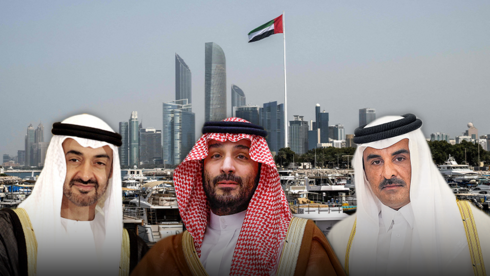
By Samia NakhoulBEIRUT, June 15 (Reuters) - The U.S.-Iran deal may silence the guns, but it cannot alter the verdict of more than three months of war. The region has emerged from one of its most dangerous crises in decades with the balance of power broadly unchanged, Iran politically emboldened, and Gulf confidence in U.S. protection deeply shaken, Gulf sources, diplomats and analysts say.
Confronto fonti
6 prospettive sulla stessa storiaTimeline cronologica
- ·
forbes.com

What The U.S.-Iran Ceasefire Means For The Region
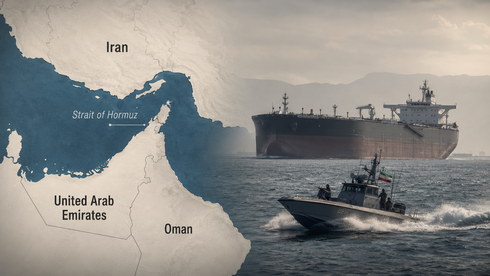
The Hormuz ceasefire calmed markets fast, but Iran gained leverage, Israel lost tempo, and the Gulf faces a bigger resilience bill. What each actor actually won.
- ·
hindustantimes.com
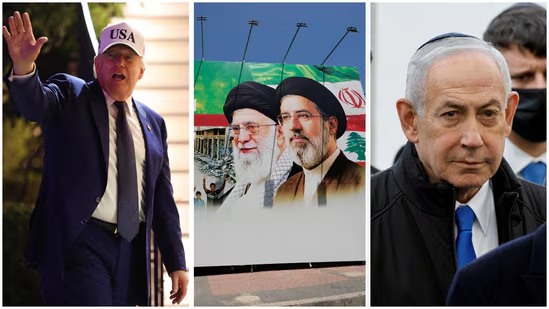
Confusion over Lebanon truce, Iranian frozen assets emerge as US-Iran reach deal
As the world reacts to the deal announcement, some gaps are yet to be filled. | World News