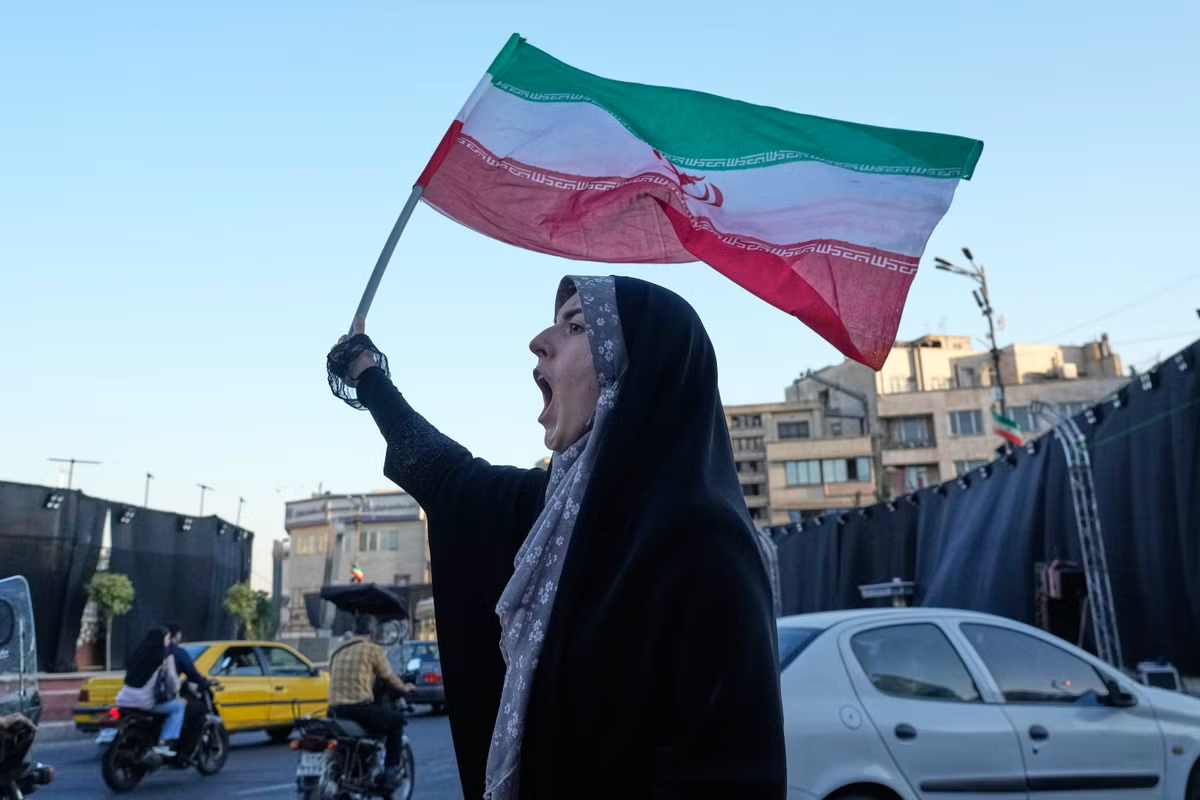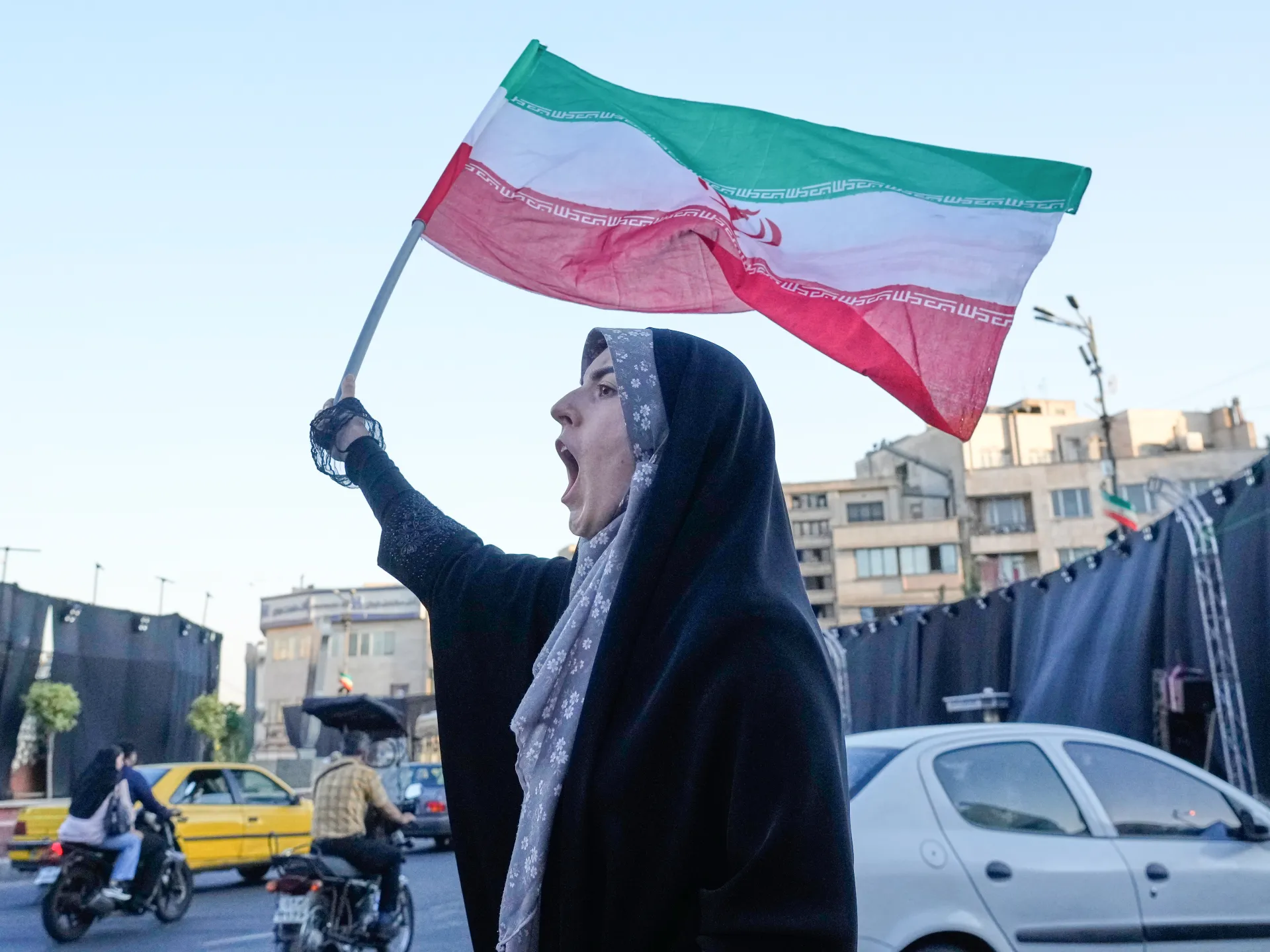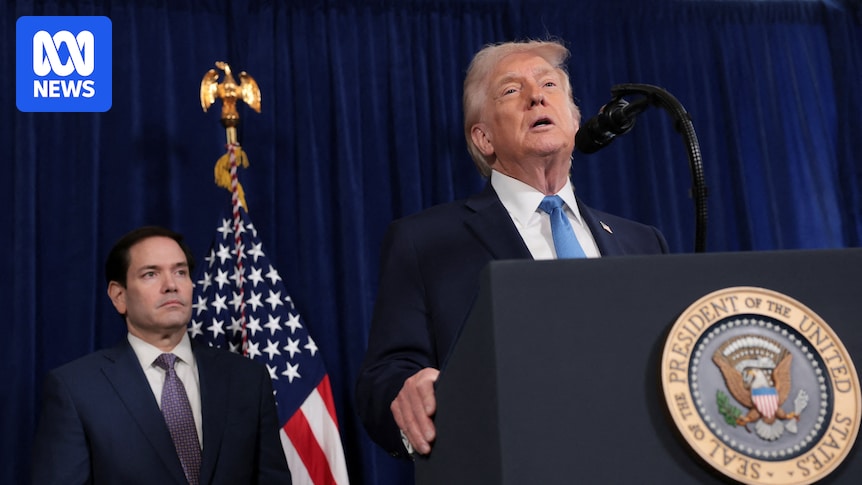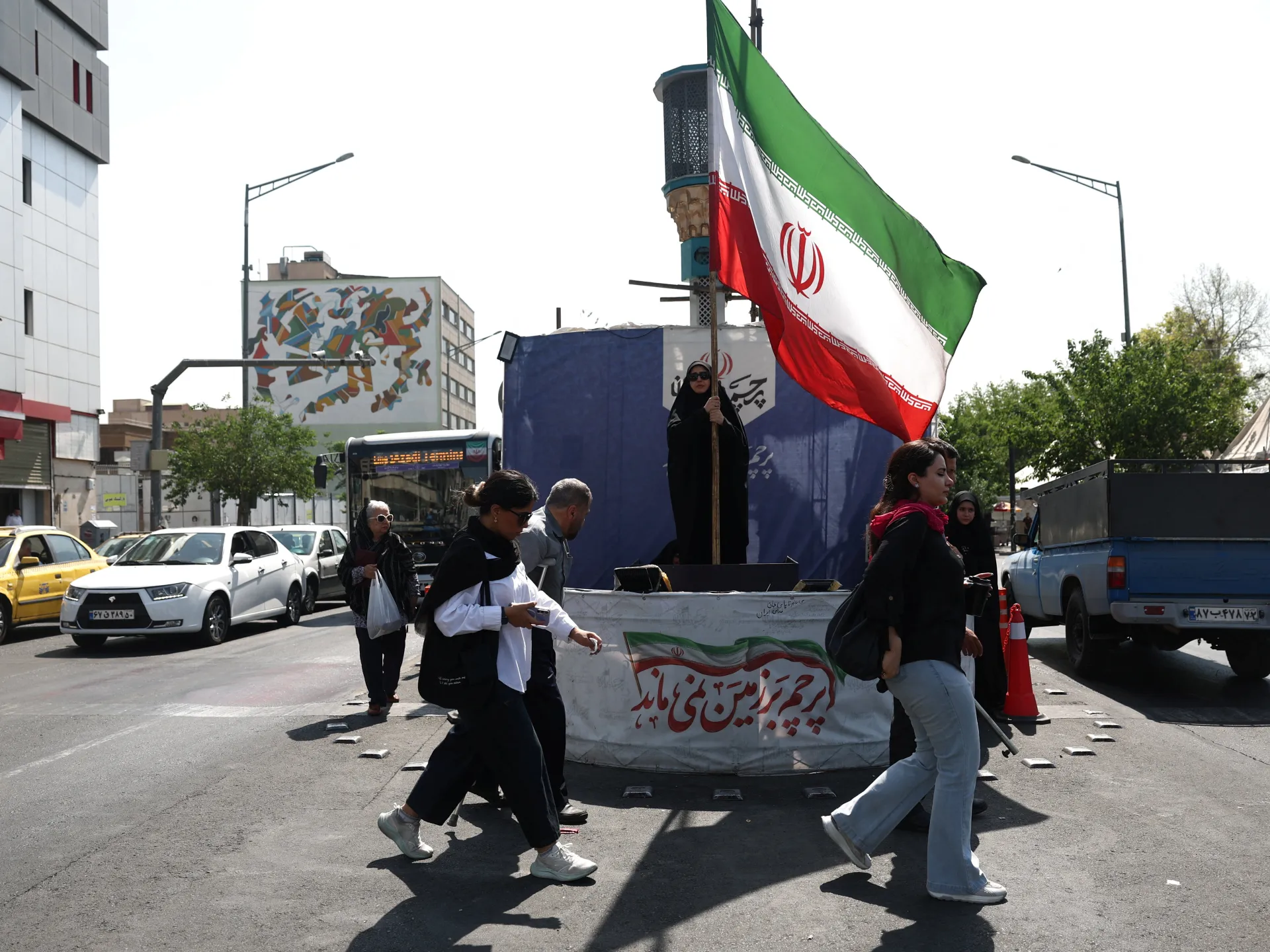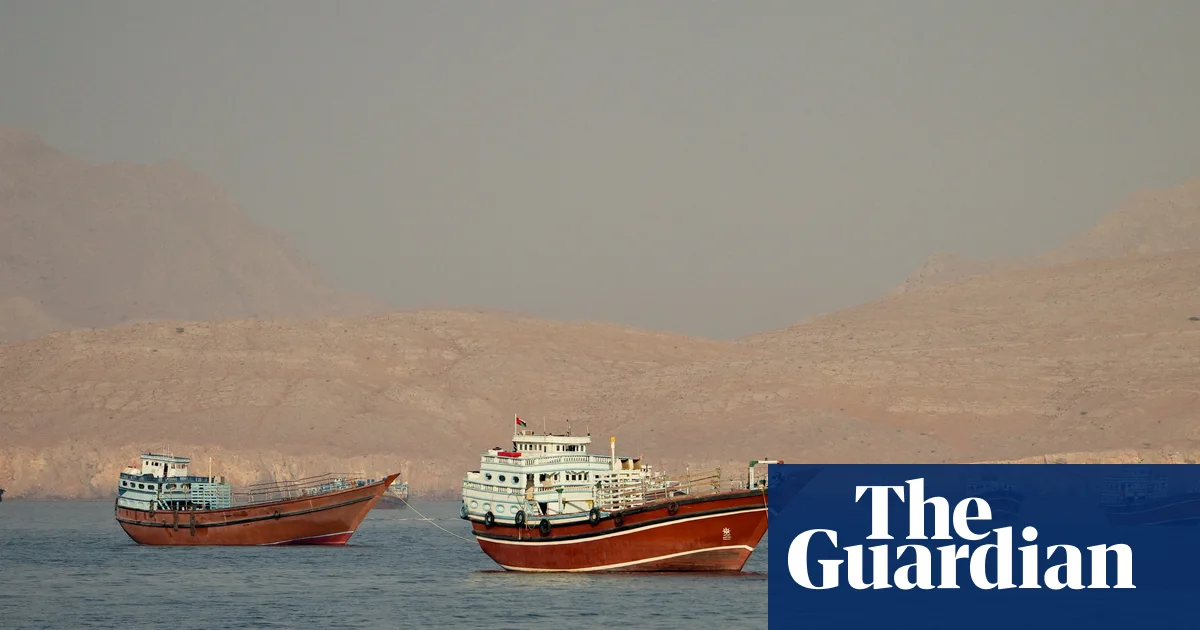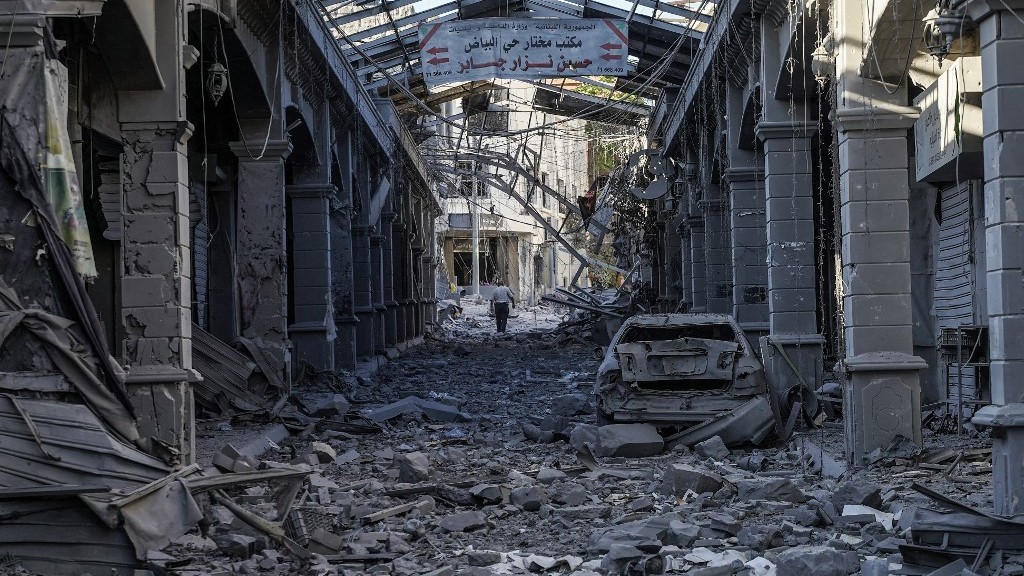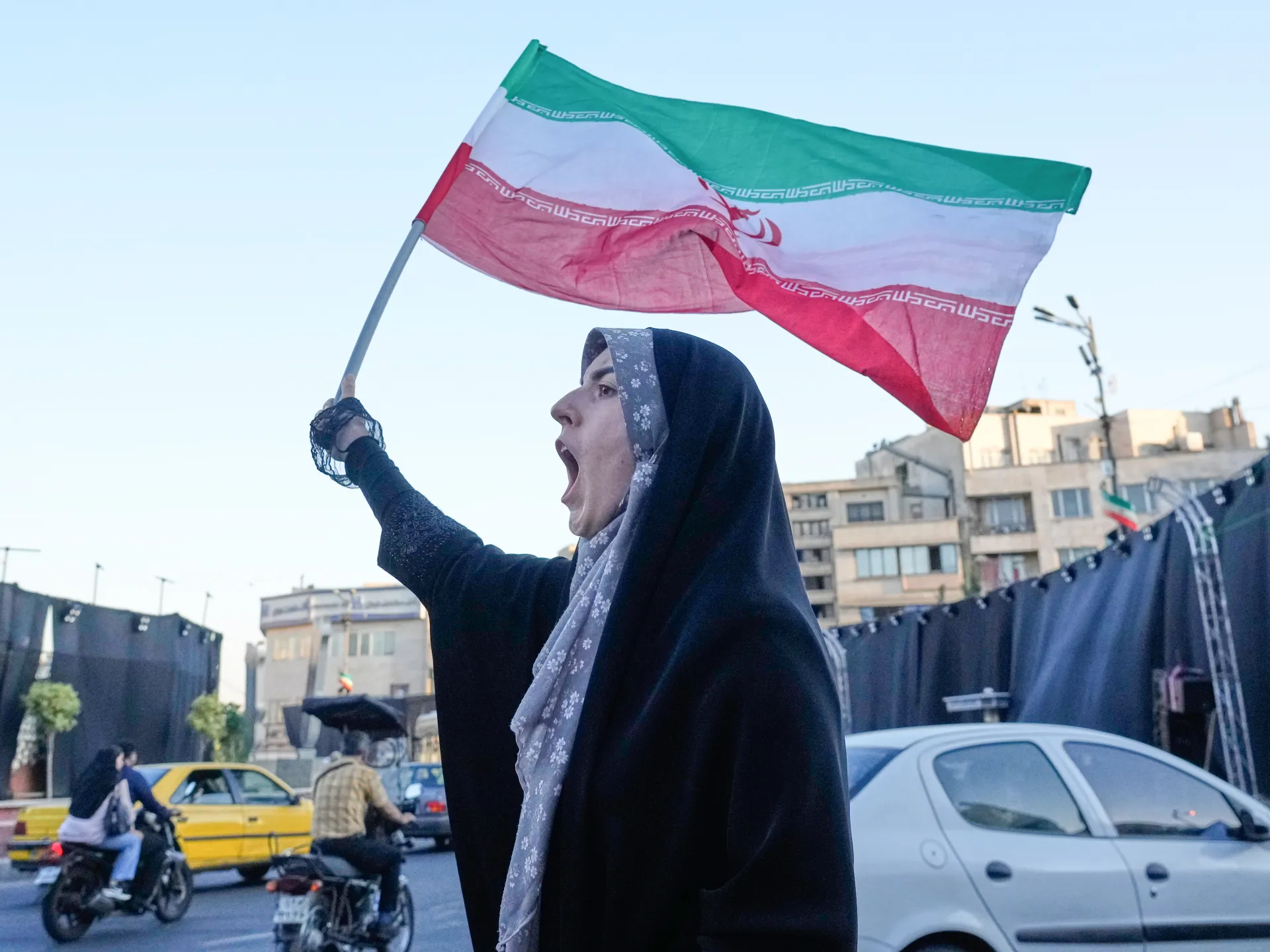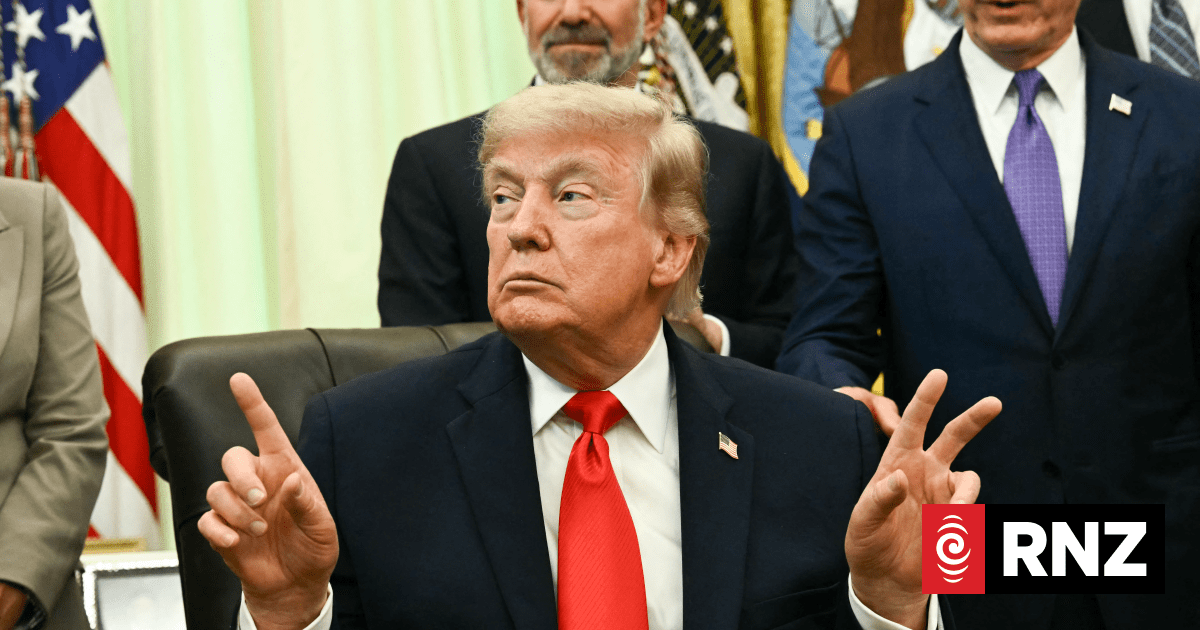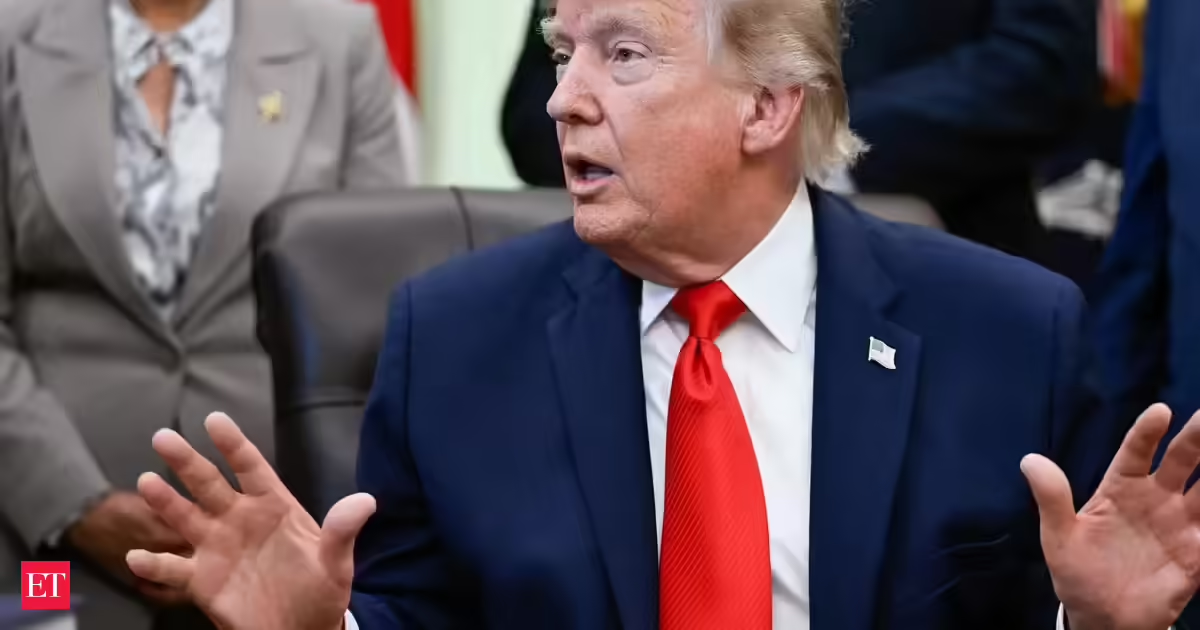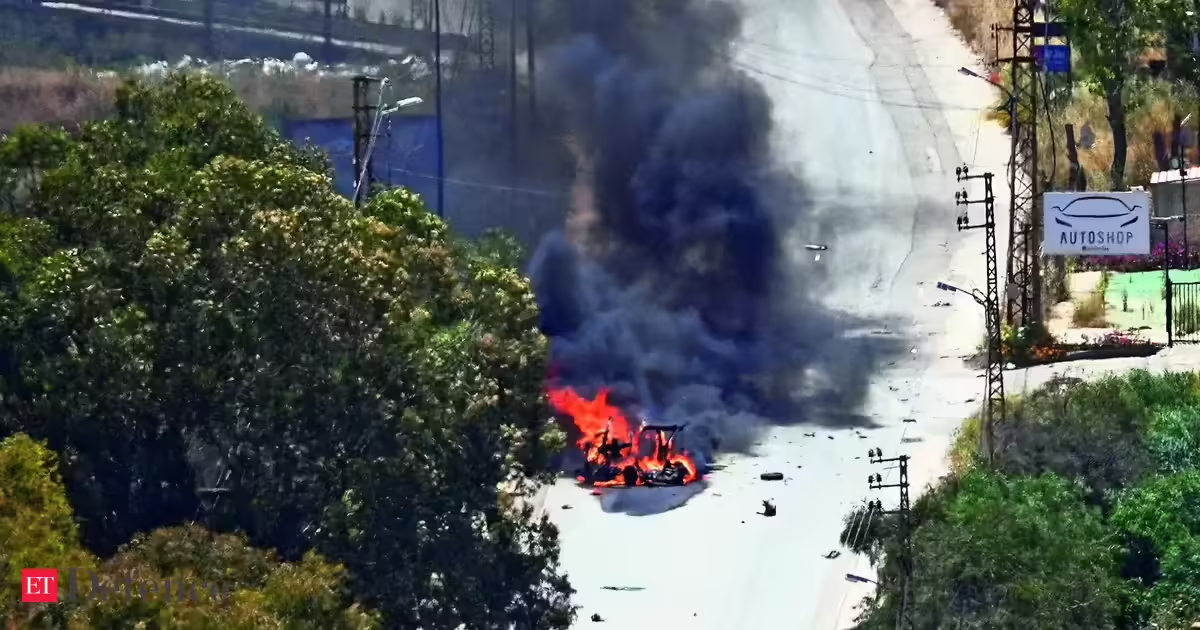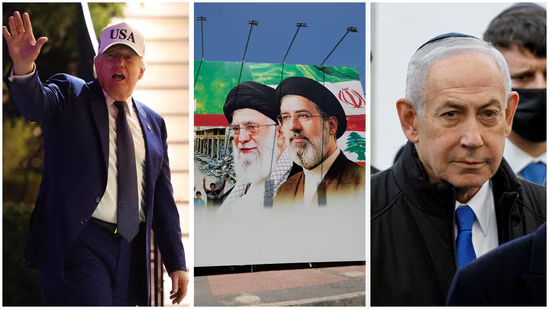
After the United States and Iran announced that they had reached a deal to end the nearly three-month war in the West Asia region, several questions remain unanswered. Among them, the key questions are regarding sanctions relief for Iran and the release of its frozen assets and the ongoing Israel-Hezbollah conflict.On Sunday, US President Donald Trump announced that the deal with Iran is complete and with a "let the oil flow", Trump signalled towards the restoration of peace in the West Asia region. (Reuters/AP/Reuters)On Sunday, US President Donald Trump announced that the deal with Iran is complete and with a "let the oil flow", Trump signalled towards the restoration of peace in the West Asia region.However, it's easier said than done.As the world reacts to the deal announcement, some gaps are yet to be filled.Confusion over LebanonIsrael's ongoing military operations in Lebanon almost derailed the peace deal between the US and Iran.Since the start of the fragile ceasefire with the US in April, Iran has called for an end to hostilities on all fronts, including Lebanon.Despite an extension of the truce between Israel and Hezbollah, the rivals continued to trade strikes, resulting in a short resumption of Iranian attacks across the Gulf region.An angry phone call from Trump later, the attacks slowed down, but didn't stop.However, with the US and Iran reaching a deal, which is likely to include Lebanon, Israel is now working to distance itself from the peace agreement.Also Read | 'Will not compromise': Why Israel is against the peace deal between US and IranWhile Sharif and Iran’s deputy foreign minister, Kazem Gharibabadi, have stated that the fighting will also stop in Lebanon, Israel has maintained its right to respond to threats from Hezbollah and Lebanon.Israeli Defence Minister Israel Katz has also said that Israel will not withdraw from Lebanon, Syria and Gaza, adding that this has also been reiterated to the US president by Israeli Prime Minister Benjamin Netanyahu.The question of frozen assets and sanctions reliefFollowing the announcement of the deal, several Iranian media outlets circulated texts of the interim agreement with the US.A key point in this proposed text is the release of Iran's frozen assets, of which $12 billion will be released upon the signing of the agreement in Geneva.However, Axios reported, citing US officials close to the matter, that no such factor has been highlighted, and the release of Iranian assets will depend on whether Tehran implements the deal or not.Meanwhile, Reuters, citing an unidentified Iranian official, reported that a draft includes the US allowing the release of $24 billion of frozen assets.But in Iran, as per semi-official Mehr news agency, the final negotiations between the US and Iran will not start until half of Iran’s frozen funds are released, oil sanctions are suspended, and the naval blockade is lifted.Furthermore, a version of the text seen by Bloomberg states that the US and regional partners in the Gulf will create a programme for reconstruction in Iran, as part of a war compensation package.As per Bloomberg, this would include funding of at least $300 billion. No such stipulation has been made elsewhere.What we know for sureThe deal, once signed, would result in the reopening of the Strait of Hormuz and the end of the US' naval blockade of Iranian ports.Trump has also stated that navigation and passage in the key strait will remain "toll-free" (which was already the case before the start of the war)."With the opening of the Strait upon the signing of the Deal on Friday, for purposes of mine removal, oil will flow on both ends again for the Region, and the World!" Trump wrote on Truth Social while announcing the deal.After the deal is signed, the US and Iran will engage in another round of negotiations, which will primarily focus on the Iranian nuclear programme and enrichment of uranium, which has been a “red line” and key factor behind the recent wars.US-Iran to sign deal on FridayPakistan, which was the key mediator between the US and Iran during peace negotiations, announced that the framework will be signed in Switzerland on Friday, June 19.“The world has reached an historic milestone as US and Iran agreed to end the war permanently, including in Lebanon,” Pakistan Prime Minister Shehbaz Sharif told lawmakers in a speech on Monday.It is stipulated that the details of the memorandum of understanding between the two nations will be made public after it is signed.
Confusion over Lebanon truce, Iranian frozen assets emerge as US-Iran reach deal
As the world reacts to the deal announcement, some gaps are yet to be filled. | World News
735 words~3 min read