HomeAI · summaries
Storia in 4 fonti
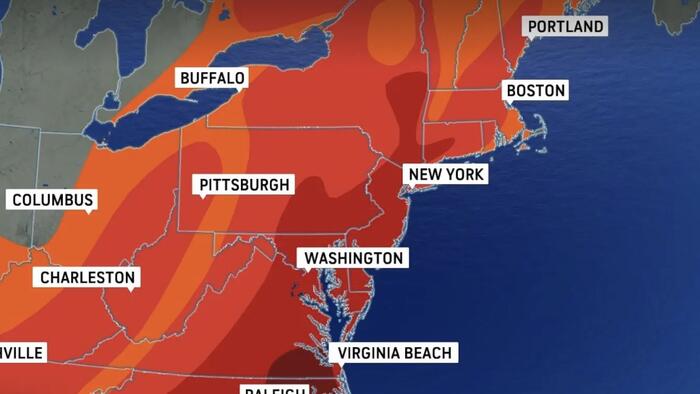
Northeast Heat Wave Arrives As World Cup Matches Get Underway
Transportation networks could experience disruptions as well, since extreme temperatures can affect rail infrastructure and overhead power systems, leading to slower train service.
Confronto fonti
4 prospettive sulla stessa storiaTimeline cronologica
- ·
frontofficesports.com

World Cup Kicks Off With Heat Wave in U.S.
The number of 90-degree days this summer is expected to be near or above average in Boston, New York City, and Philadelphia.
- ·
eu.usatoday.com

Heat burden is real. Which World Cup cities face the biggest risk?
Recent weather trends suggest some World Cup host cities will face more outdoor heat stress than others and this chart shows where the burden is highest.