WARPTECHNEWS · LAB
HomeAIBusinessTechArchive
WARPTECH LAB NEWS

Warptech Lab News aggrega le notizie più rilevanti da oltre 700 fonti internazionali, con classificazione AI, TL;DR sintetici e timeline cluster su singole storie.

Navigazione

  • Home
  • Archivio
  • Editor's Brief
  • Cerca
  • Il tuo account
  • Newsletter tech/AI

Informazioni legali

  • Privacy Policy
  • Termini di servizio
  • Cookie Policy

© 2026 Sparktech S.R.L. — Tutti i diritti riservati. Sito gestito e manutenuto da Sparktech S.R.L.

Sede legale: Corso Libertà 55, 13100 Vercelli (VC), Italia · P.IVA / C.F. 02835910023 · Contatti: admin@warptechlab.com

Home
Storia in 2 fonti

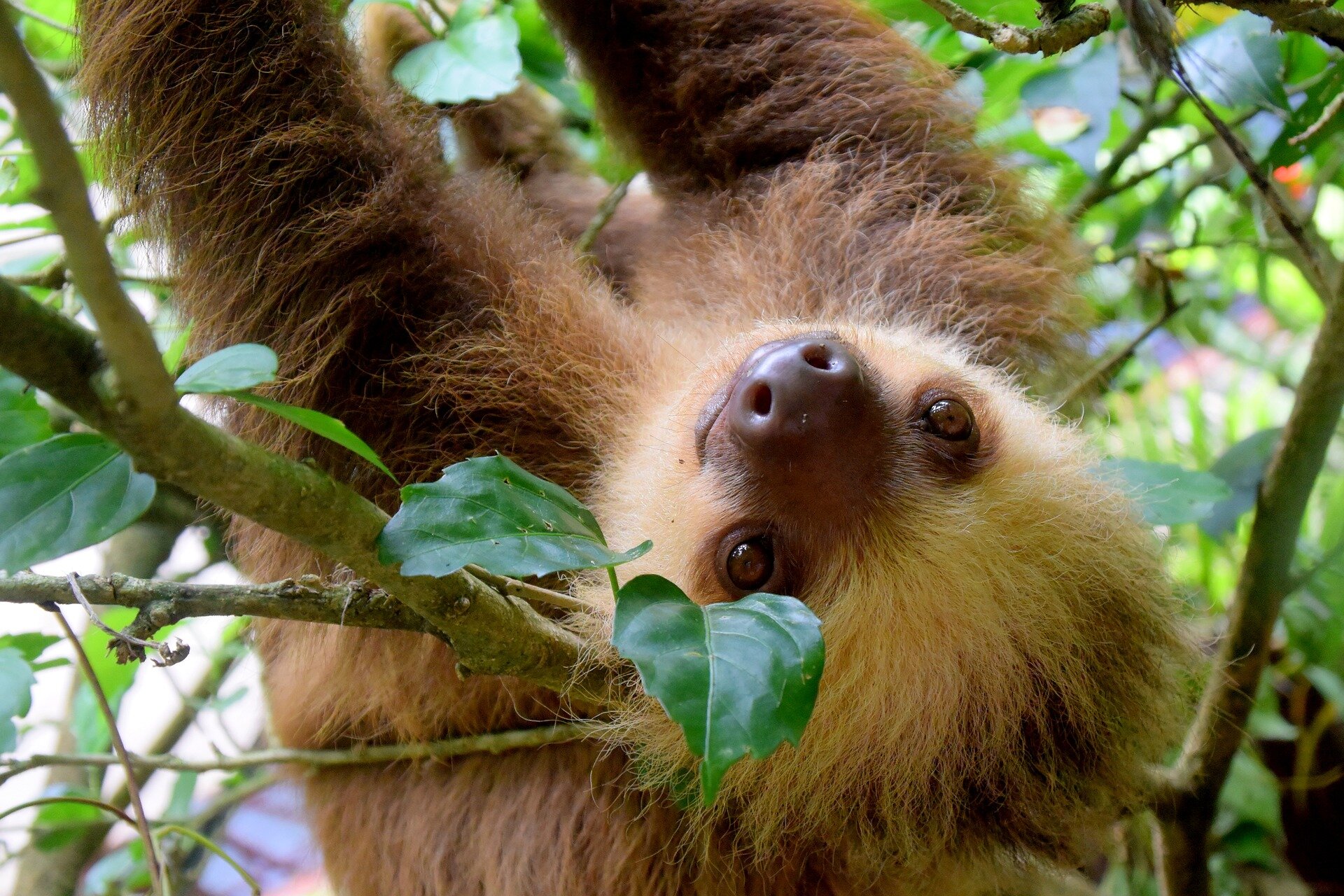
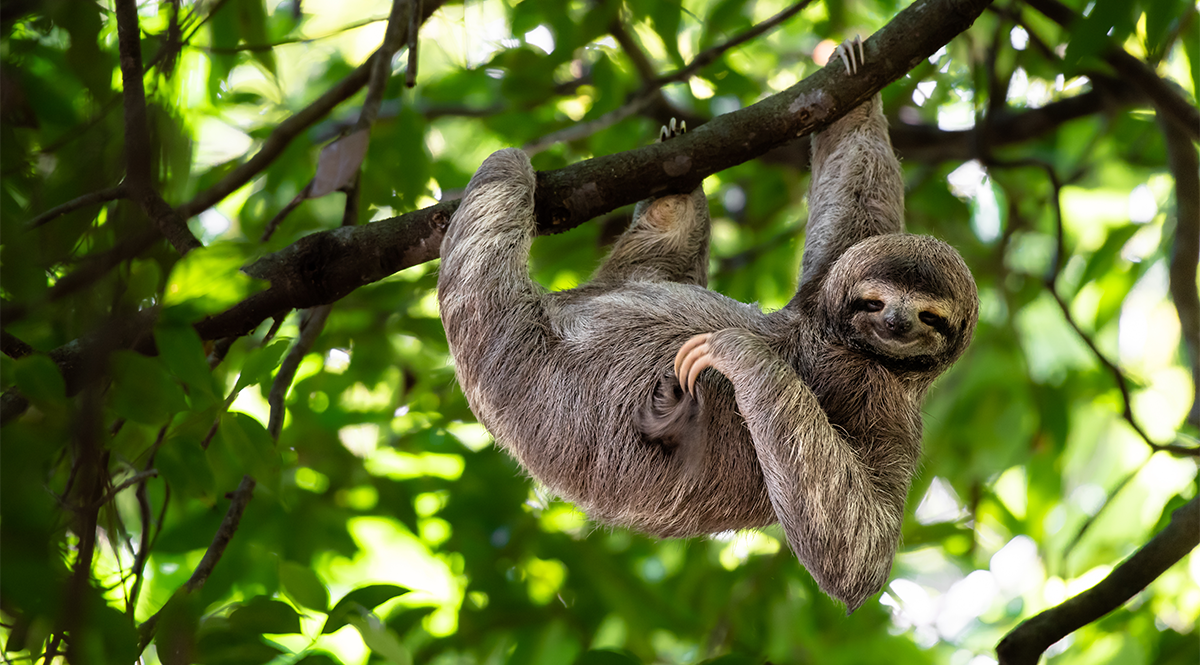
Scientists may have finally solved why sloths are so slow

New sloth genome study identifies ancient 'jumping genes' tied to metabolism, offering clues to how the world’s slowest mammals conserve energy and stay healthy
Raccontata daphys.orgynetnews.com

Confronto fonti

2 prospettive sulla stessa storia
AI · summaries
ynetnews.comStai leggendo1 g fa

Scientists may have finally solved why sloths are so slow

New sloth genome study identifies ancient 'jumping genes' tied to metabolism, offering clues to how the world’s slowest mammals conserve energy and stay healthy

originale
phys.org2 g fa

Why are sloths slow? It's in their DNA

Sloths are the slowest mammals on the planet, but living in dense jungles has made them notoriously difficult to study. For the first time, scientists have now sequenced and analyzed the two-toed sloth genome and…

Leggi questa versione → originale

Timeline cronologica

  1. martedì 9 giugno 2026·phys.org

    Why are sloths slow? It's in their DNA

    Sloths are the slowest mammals on the planet, but living in dense jungles has made them notoriously difficult to study. For the first time, scientists have now sequenced and…

  2. giovedì 11 giugno 2026·ynetnews.com

    Scientists may have finally solved why sloths are so slow

    New sloth genome study identifies ancient 'jumping genes' tied to metabolism, offering clues to how the world’s slowest mammals conserve energy and stay healthy