HomeAI · summaries
Storia in 8 fonti
Germany’s cities losing tree cover, raising resident heat risks – report
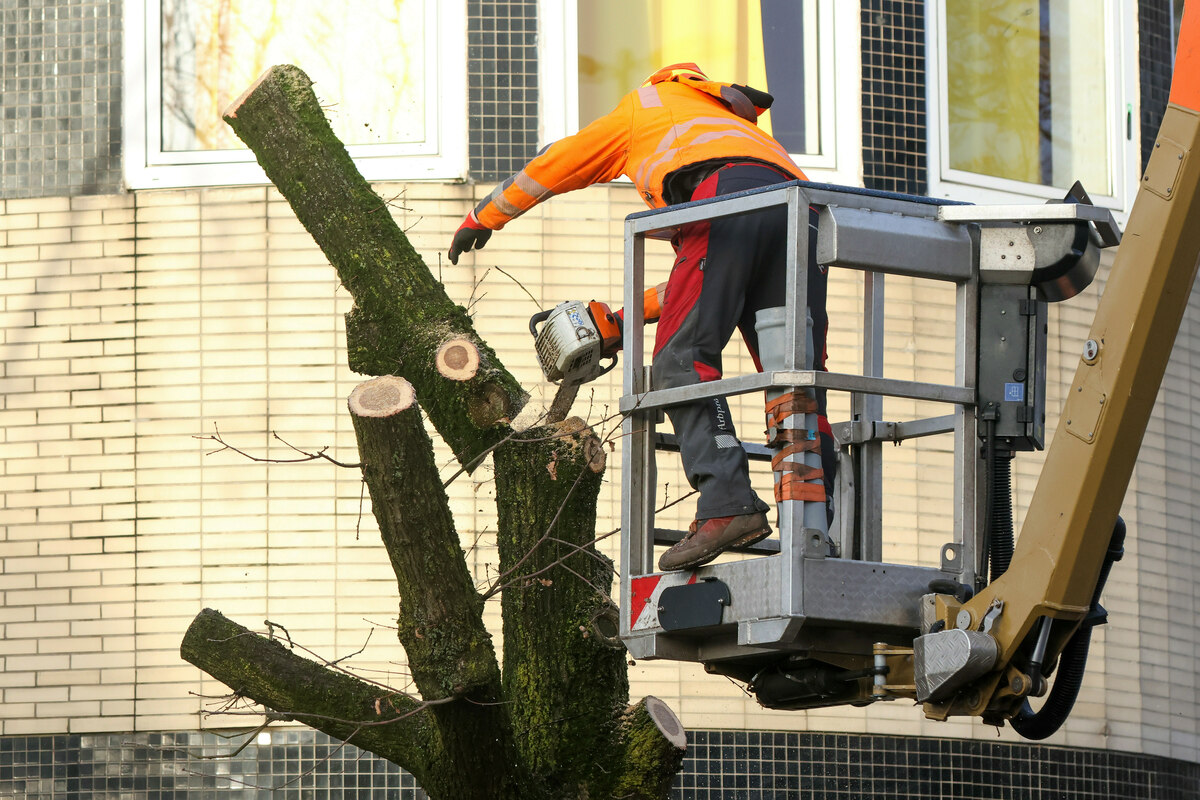
The majority of German cities have lost tree cover and green spaces over the past seven years, exposing residents to greater risks from extreme heat, NGO Environmental Action Germany (DUH) found in a report. Between 2018 and 2025, over 900,000 trees had disappeared from the 195 surveyed cities, DUH said in its 2026 Heat Check. DUH assessed tree canopy cover, meaning ground covered by vegetation taller than 2.5 metres, and surface sealing. The report found that only seven cities meet the recommended tree canopy cover benchmark of 30 percent of ground area covered, and that surface sealing continues to trend upwards in all surveyed cities. Temperatures in urban areas are usually higher than in rural surroundings, as concrete structures absorb heat and cities generally have reduced vegetation to cool spaces. Fewer trees mean less shade and also less cooling through transpiration. Land sealing – the covering of soil with asphalt or buildings – the share of green spaces, and population density all contribute to a city’s vulnerability to heat and the risks urban populations face from heatwaves.DUH called on Germany’s buildings and health ministers, Verena Hubertz and Nina Warken, to implement effective urban heat protection policies, such as binding guidelines to reduce surface sealing or requiring urban redevelopment projects to increase green space. “It is particularly alarming that nearly a million trees have disappeared from the cities surveyed over the past seven years,” said DUH head Barbara Metz. “This situation cannot be reversed overnight, as trees take time to grow.”Heat is the greatest health risk in Germany caused by the climate crisis, according to the German Climate Change and Health Alliance (KLUG), an alliance made up of more than 100 associations and institutions. Around 3,000 people die of heat-related causes in Germany every summer. Recurring droughts, heatwaves and storms have dealt a lot of damage to Germany's trees in the past years. Besides the lack of water for plant growth, droughts also contribute to forest fires and make it easier for pests like bark beetles to infest trees.
Confronto fonti
6 prospettive sulla stessa storiaTimeline cronologica
- ·
zeit.de
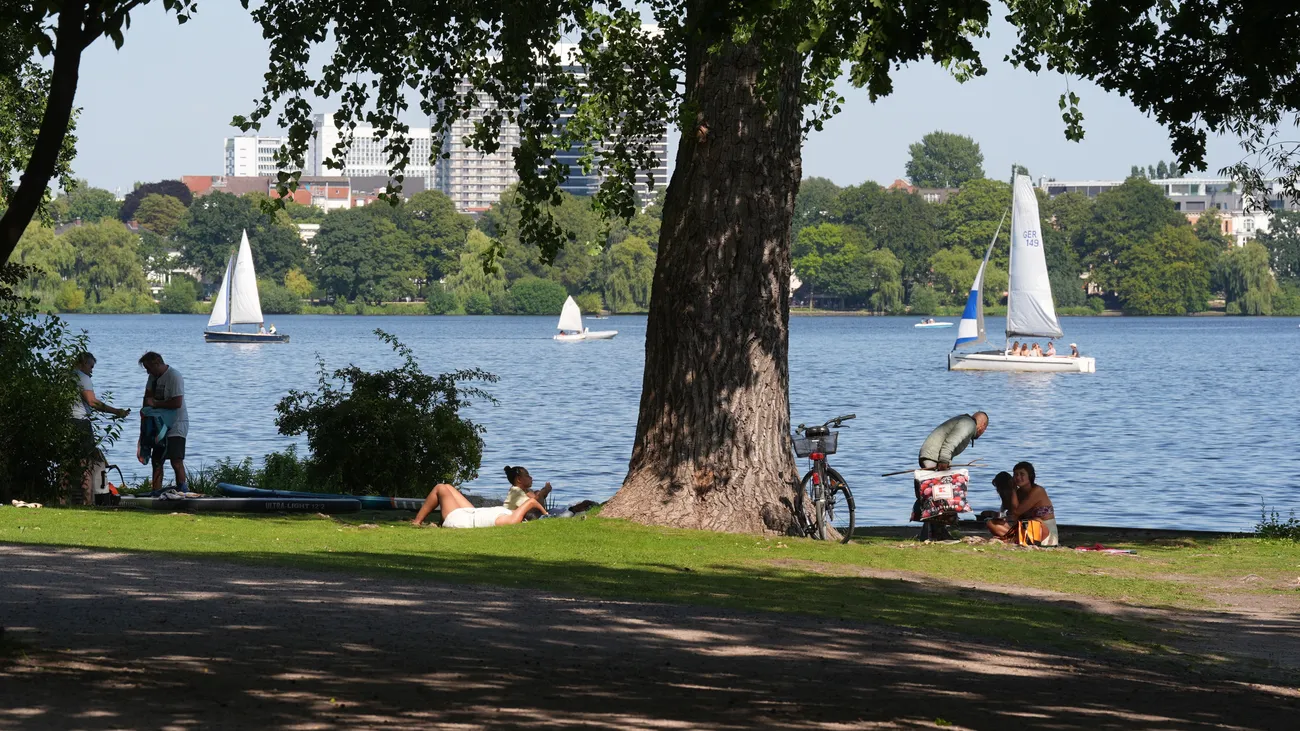
Hitze-Check 2026: Umwelthilfe warnt vor schwindendem Baumschatten in Städten
Seit 2018 sind laut Umwelthilfe fast eine Million Bäume aus deutschen Städten verschwunden. Offenburg und Mannheim schneiden in einem »Hitze-Check« besonders schlecht ab.
- ·
sueddeutsche.de
Hitze-Check: Wie Bayerns Städte mit Hitze umgehen
München (dpa/lby) - In bayerischen Städten mangelt es einer Untersuchung zufolge erheblich an Schutzmaßnahmen gegen sommerliche Hitze. Beim „Hitze-Check 2026“ der Deutschen…