WARPTECHNEWS · LAB
HomeAIBusinessTechArchive
WARPTECH LAB NEWS

Warptech Lab News aggrega le notizie più rilevanti da oltre 700 fonti internazionali, con classificazione AI, TL;DR sintetici e timeline cluster su singole storie.

Navigazione

  • Home
  • Archivio
  • Editor's Brief
  • Cerca
  • Il tuo account
  • Newsletter tech/AI

Informazioni legali

  • Privacy Policy
  • Termini di servizio
  • Cookie Policy

© 2026 Sparktech S.R.L. — Tutti i diritti riservati. Sito gestito e manutenuto da Sparktech S.R.L.

Sede legale: Corso Libertà 55, 13100 Vercelli (VC), Italia · P.IVA / C.F. 02835910023 · Contatti: admin@warptechlab.com

Home
Storia in 8 fonti

India’s fertility rate falls below replacement level: Why it matters

India's fertility rate falls to 1.9 children per woman, with consequences for the workforce, the elderly and economy.

Raccontata dagulfnews.comhindustantimes.comeconomictimes.indiatimes.comthehindubusinessline.comnewsbytesapp.comdawn.comtimesofindia.indiatimes.comaljazeera.com

Confronto fonti

6 prospettive sulla stessa storia
AI · summaries
aljazeera.comStai leggendo3 g fa

India’s fertility rate falls below replacement level: Why it matters

India's fertility rate falls to 1.9 children per woman, with consequences for the workforce, the elderly and economy.

originale
gulfnews.com5 g fa

India's total fertility rate has fallen to 1.9 children per woman for the first time

India’s total fertility rate drops to 1.9 children per woman, raising concerns over future labour shortages, ageing society and long-term population decline.

Leggi questa versione → originale
hindustantimes.com4 g fa

India's fertility rate now below required level to maintain stable population, says govt report

India's TFR has dropped below 2.1 replacement level for the first time; population peaks in 21 years, then declines to ~1B by century's end. Reshapes talent pool, consumer market, and long-term viability of India as outsourcing and GTM hub for tech firms.

Leggi questa versione → originale
economictimes.indiatimes.com11 h fa

More working women, not more babies, key to growth - The Economic Times

India faces a demographic shift with falling fertility rates. Economists are concerned about future economic growth. Instead of financial incentives for more children, the focus must be on increasing women's workforce…

Leggi questa versione → originale
newsbytesapp.com5 g fa

India's birth rate is now below replacement level: Elon Musk

India's fertility rate has dropped to 1.9 births per woman, falling below the replacement level, with the decline more pronounced among educated women.

Leggi questa versione → originale
timesofindia.indiatimes.com4 g fa

As India's birth rate falls below replacement level, Edelweiss Mutual Fund CEO Radhika Gupta says ‘The real…

India’s fertility rate has now fallen below the replacement level and it is raising fresh concerns and questions about the country’s long-term growth trajectory. For those unaware, the replacement rate refers to the…

Leggi questa versione → originale

Timeline cronologica

  1. sabato 6 giugno 2026·gulfnews.com

    India's total fertility rate has fallen to 1.9 children per woman for the first time

    India’s total fertility rate drops to 1.9 children per woman, raising concerns over future labour shortages, ageing society and long-term population decline.

  2. sabato 6 giugno 2026·hindustantimes.com

    India’s birth rate has fallen below replacement rate: Elon Musk

    AF Post cited a June 4 article from The Economist titled 'India's population will soon be falling-probably quite fast.' | World News


  3. domenica 7 giugno 2026·economictimes.indiatimes.com

    India's birth rate has fallen below replacement: Elon Musk

    India's birth rate has dropped below the replacement level. This trend is particularly noticeable among educated women. The nation's fertility rate now stands at 1.9 births per…

  4. domenica 7 giugno 2026·thehindubusinessline.com

    Elon Musk says India’s fertility rate has fallen below replacement level

    Elon Musk highlights India's falling fertility rate as UNFPA data shows births per woman have dropped to 1.9, below the replacement level of 2.1.

  5. domenica 7 giugno 2026·newsbytesapp.com

    India's birth rate is now below replacement level: Elon Musk

    India's fertility rate has dropped to 1.9 births per woman, falling below the replacement level, with the decline more pronounced among educated women.

  6. domenica 7 giugno 2026·hindustantimes.com

    India's fertility rate now below required level to maintain stable population, says govt report

    India’s total fertility rate has declined, according to the government report. Notably, the national TFR has moved below the replacement benchmark of 2.1. | India News

  7. domenica 7 giugno 2026·hindustantimes.com

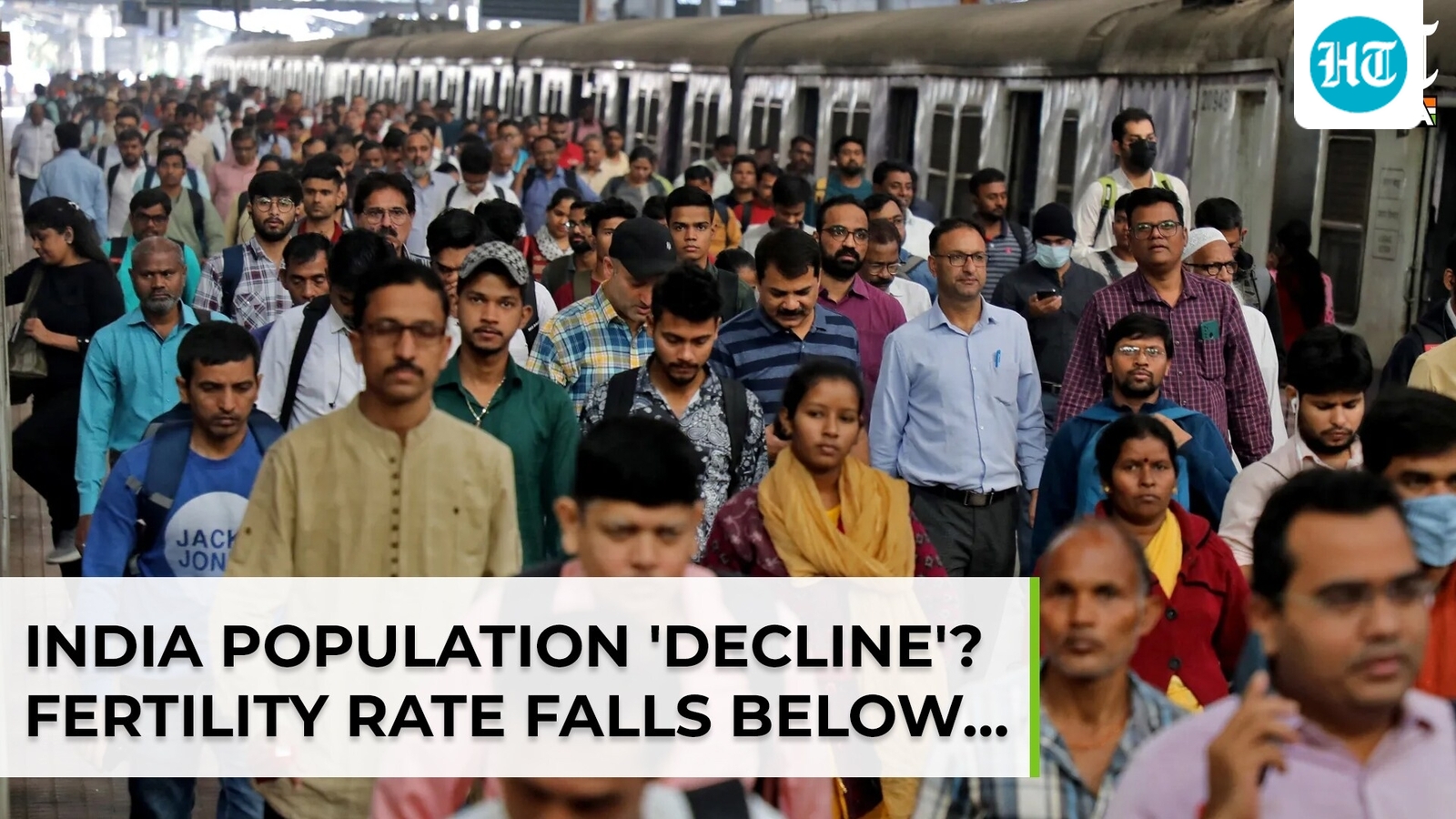
    India population 'decline'? Fertility rate falls below level needed to maintain stable…: Govt report

    India's Total Fertility Rate (TFR) has fallen below the replacement level for the first time, according to the Sample Registration System Statistical Report 2024 released by the…

  8. lunedì 8 giugno 2026·dawn.com

    Fixing population trends

    India has a total fertility rate (a measure of children per woman) of 1.9, which is continuing to fall, owing to...

  9. lunedì 8 giugno 2026·timesofindia.indiatimes.com

    As India's birth rate falls below replacement level, Edelweiss Mutual Fund CEO Radhika Gupta says ‘The real question is …’

    India’s fertility rate has now fallen below the replacement level and it is raising fresh concerns and questions about the country’s long-term growth trajectory. For those…

  10. martedì 9 giugno 2026·aljazeera.com

    India’s fertility rate falls below replacement level: Why it matters

    India's fertility rate falls to 1.9 children per woman, with consequences for the workforce, the elderly and economy.

  11. giovedì 11 giugno 2026·economictimes.indiatimes.com

    More working women, not more babies, key to growth - The Economic Times

    India faces a demographic shift with falling fertility rates. Economists are concerned about future economic growth. Instead of financial incentives for more children, the focus…