HomeAI · summaries
Storia in 15 fonti
Trump admin races to stop flesh-eating fly after first Texas case since 1966
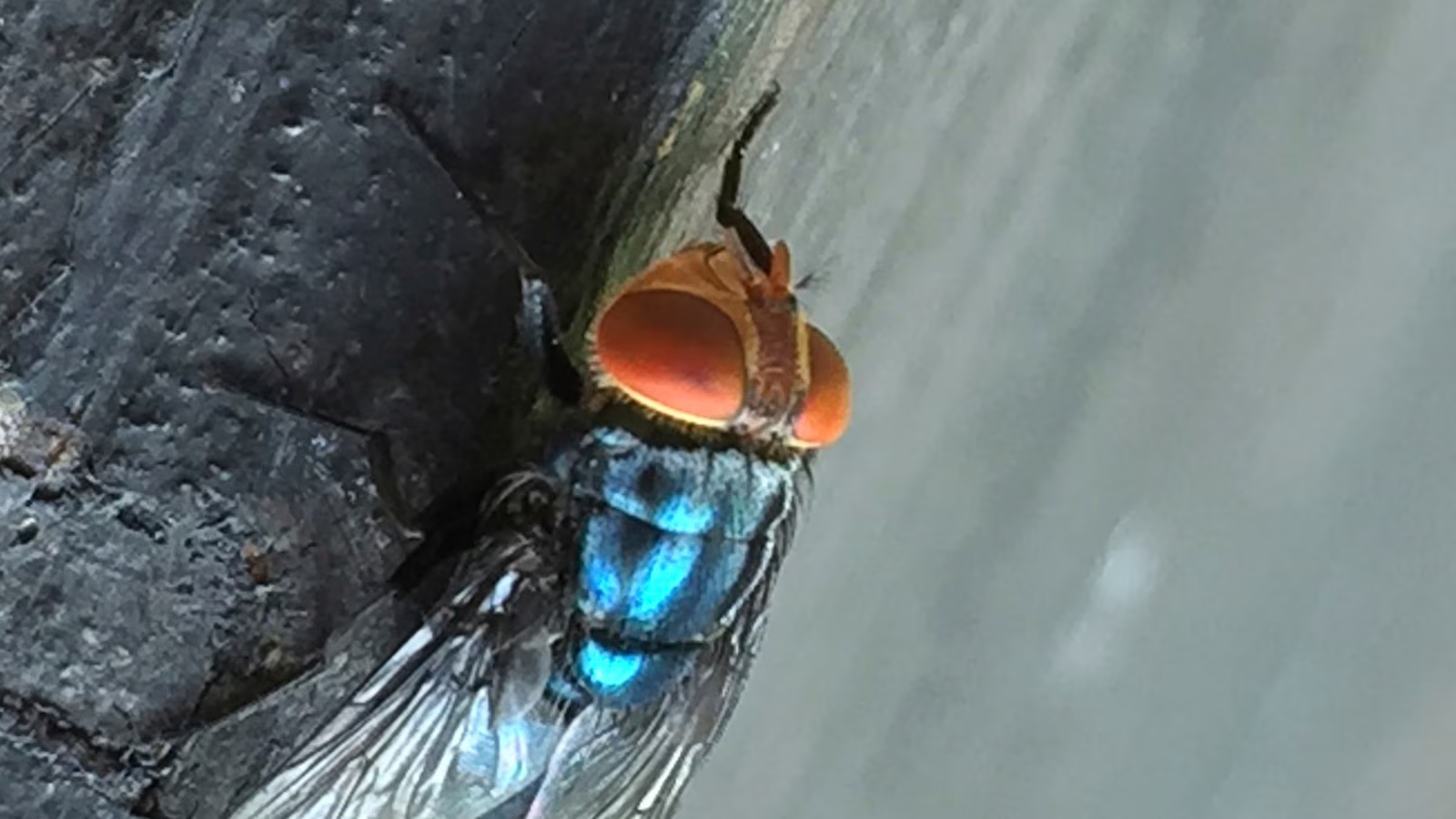
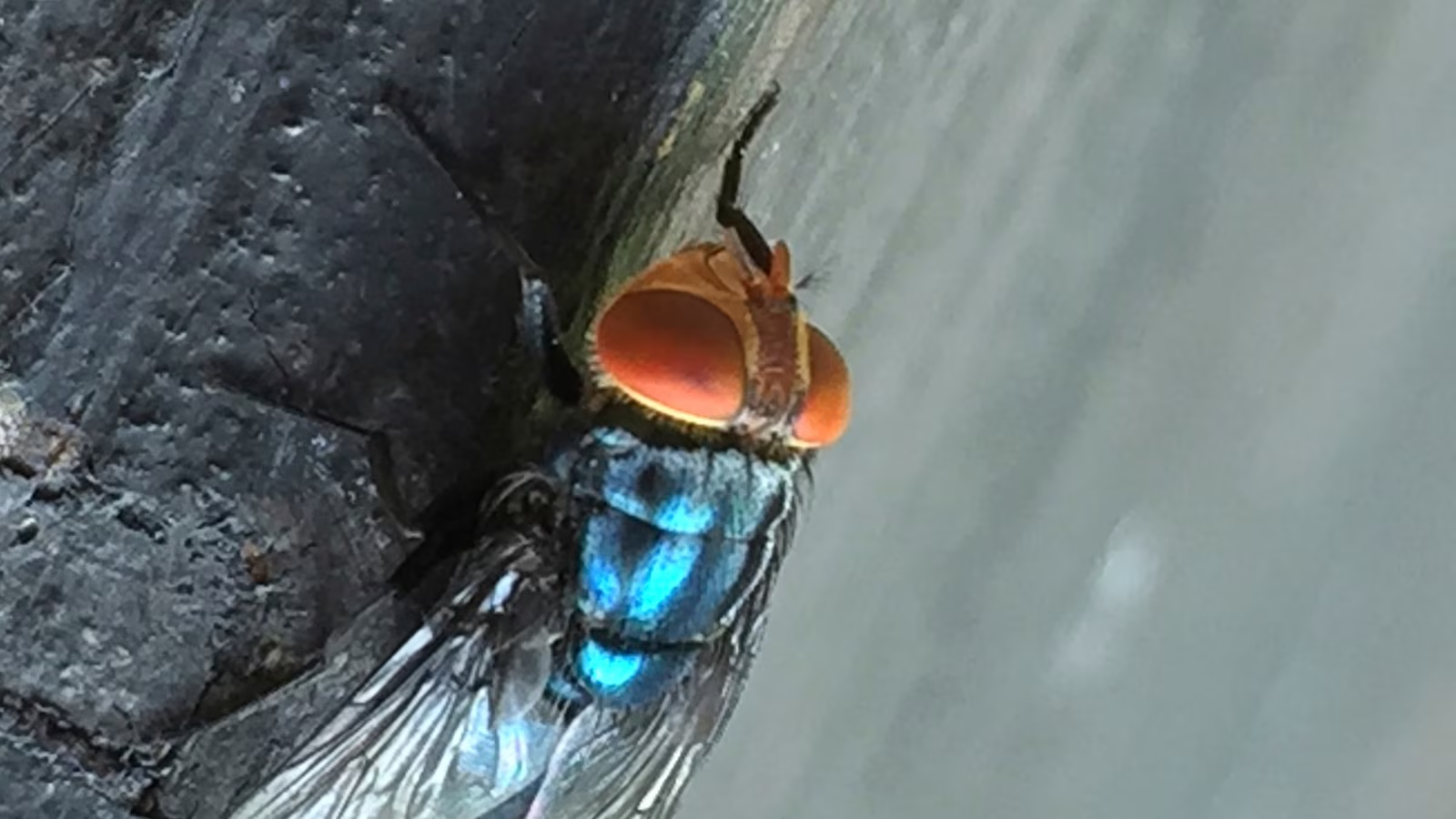
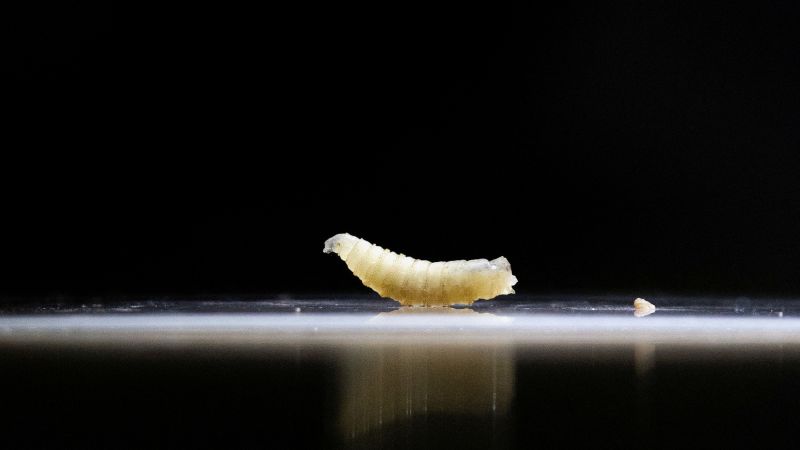
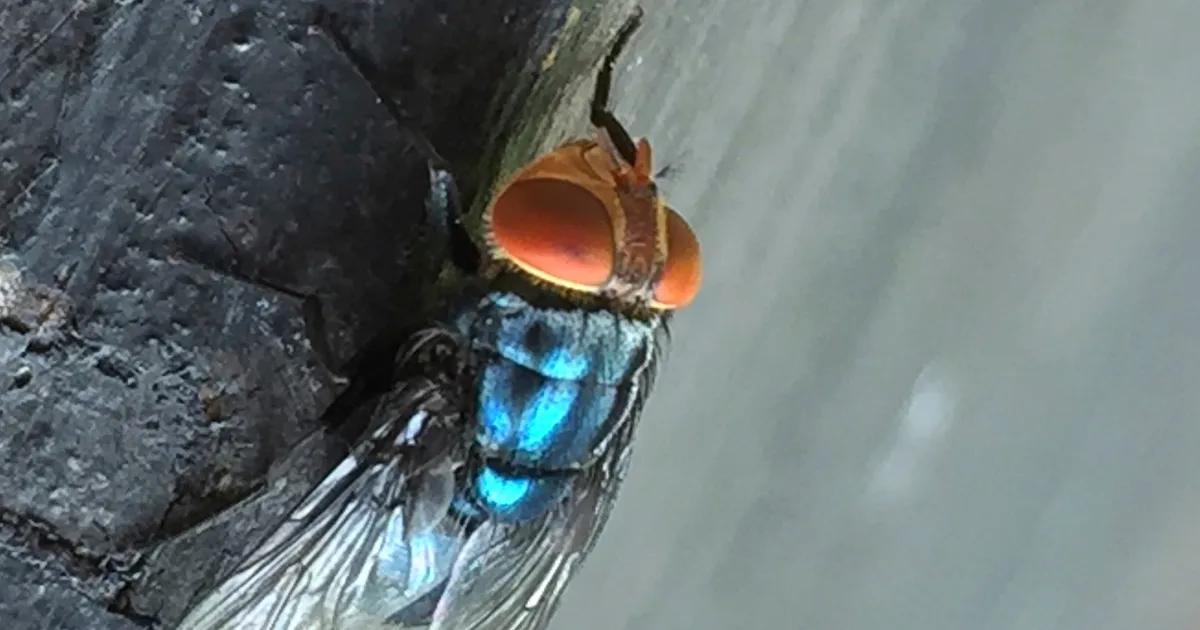
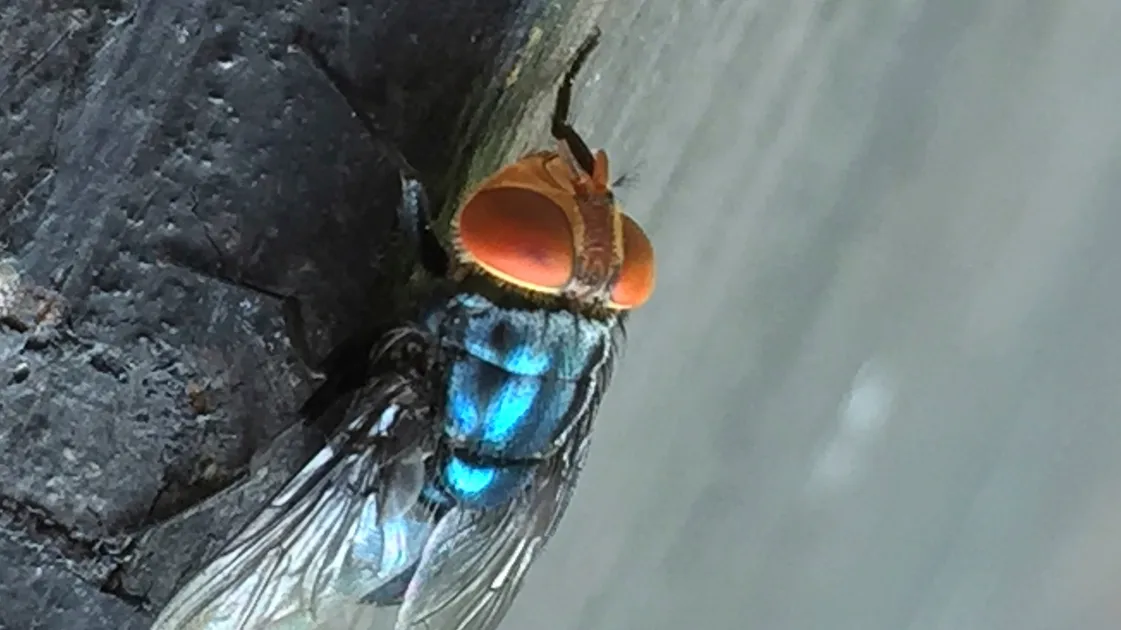
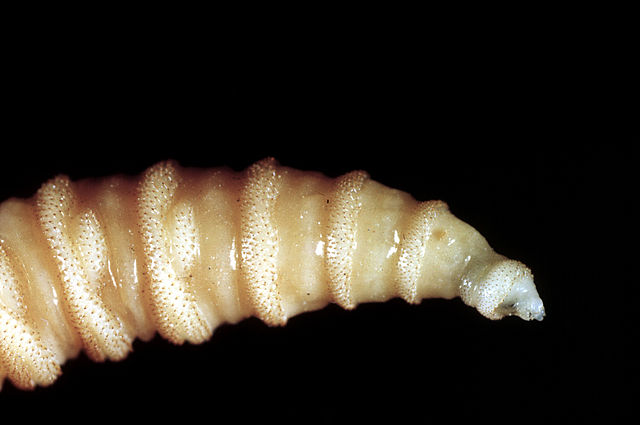
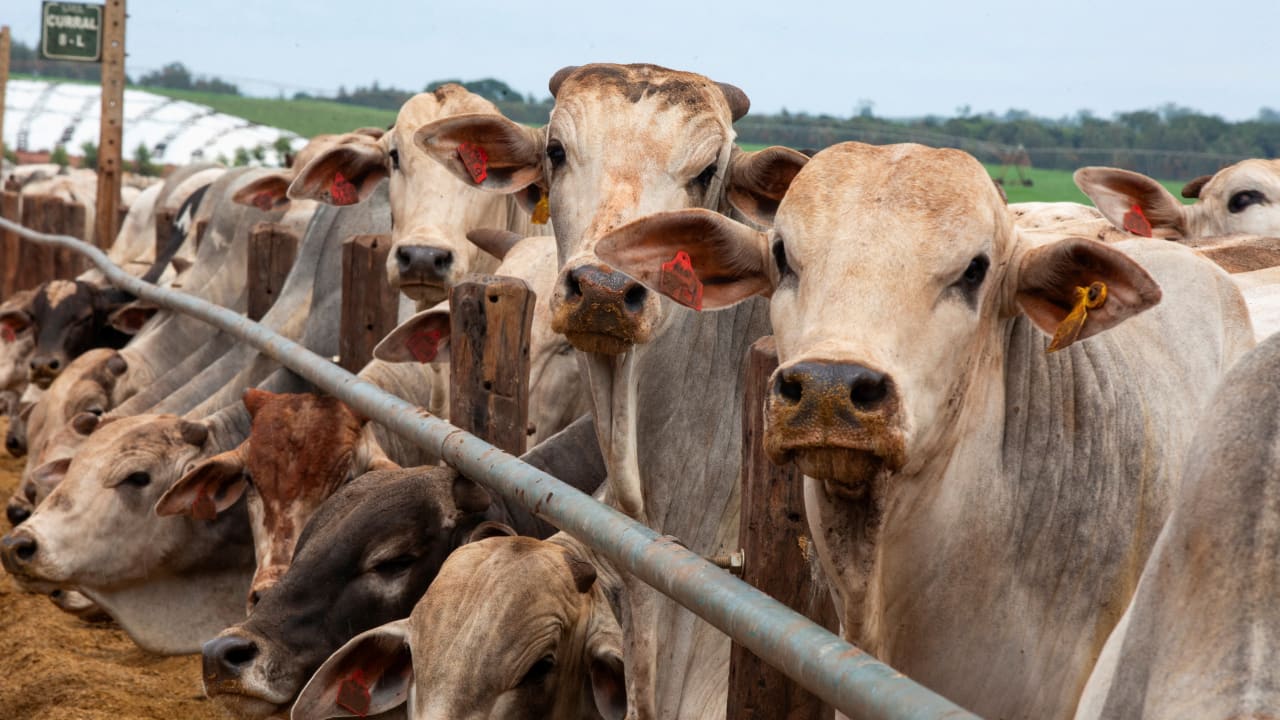
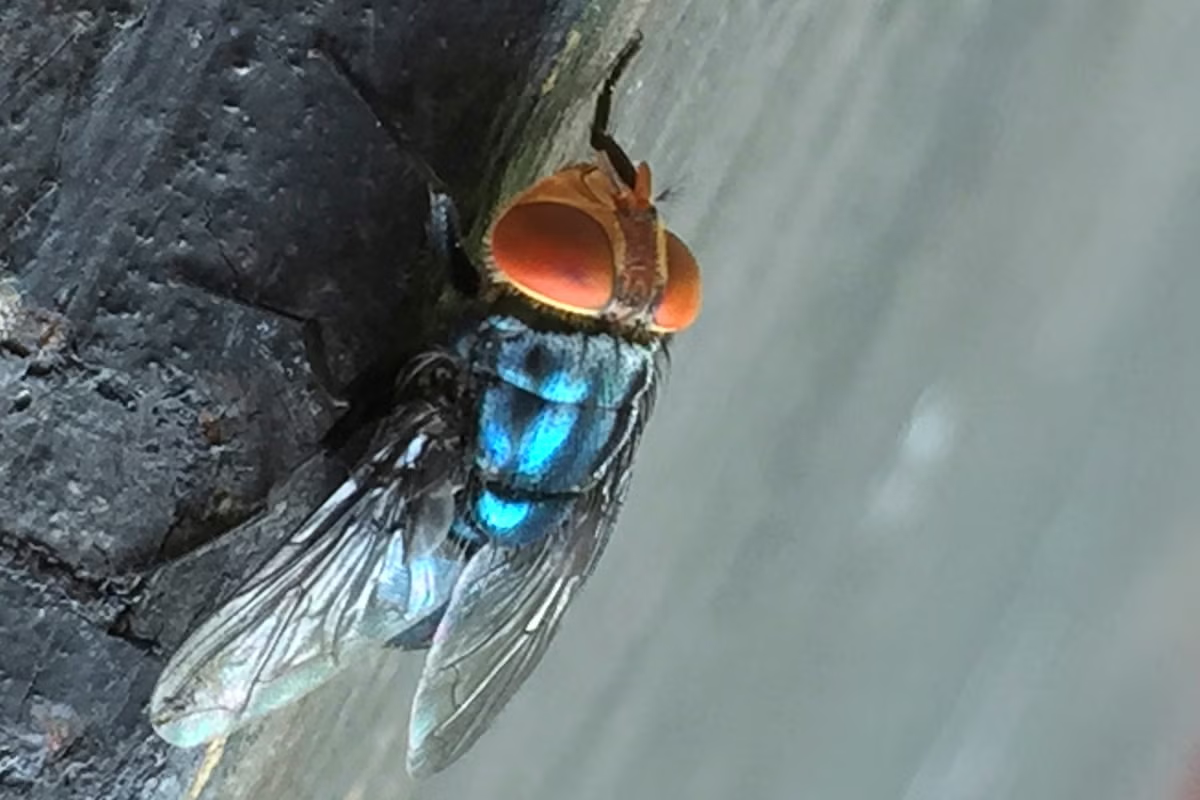
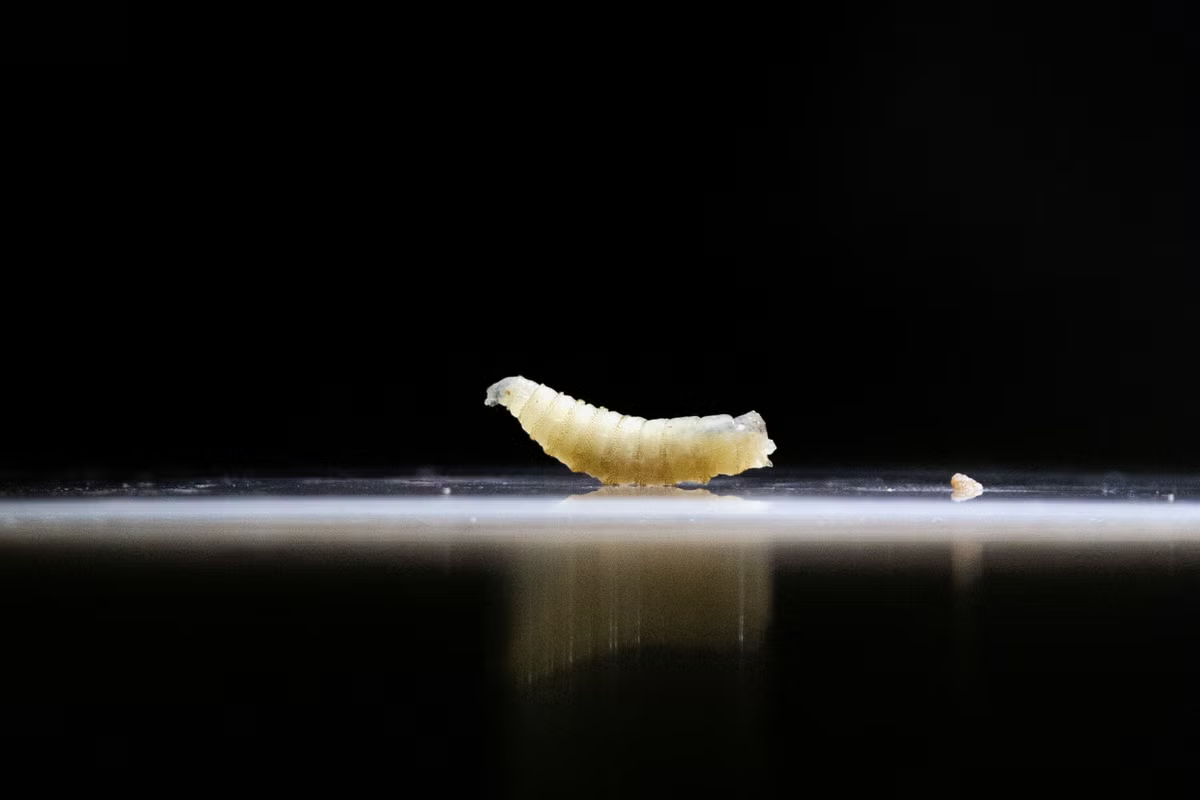
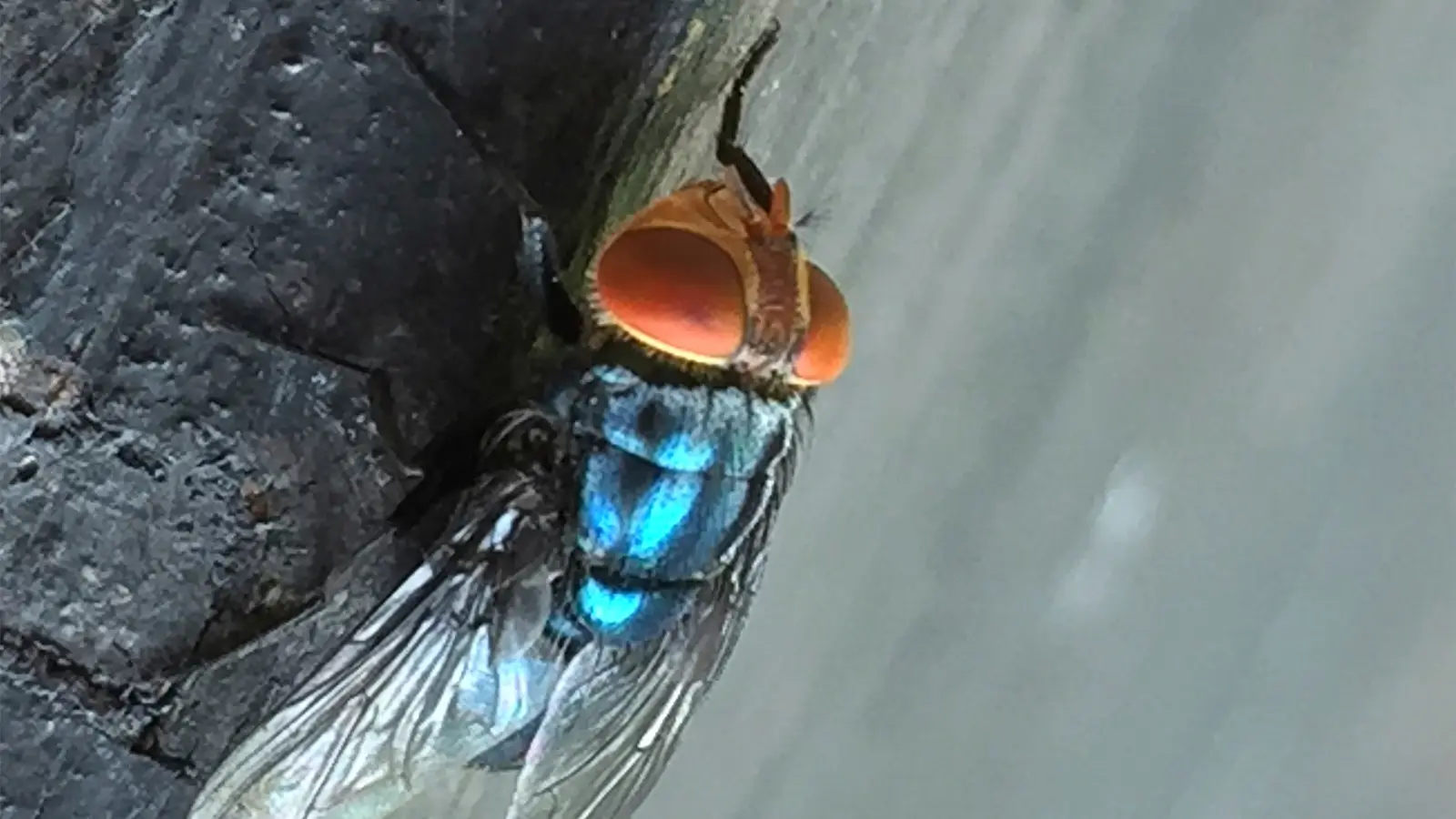
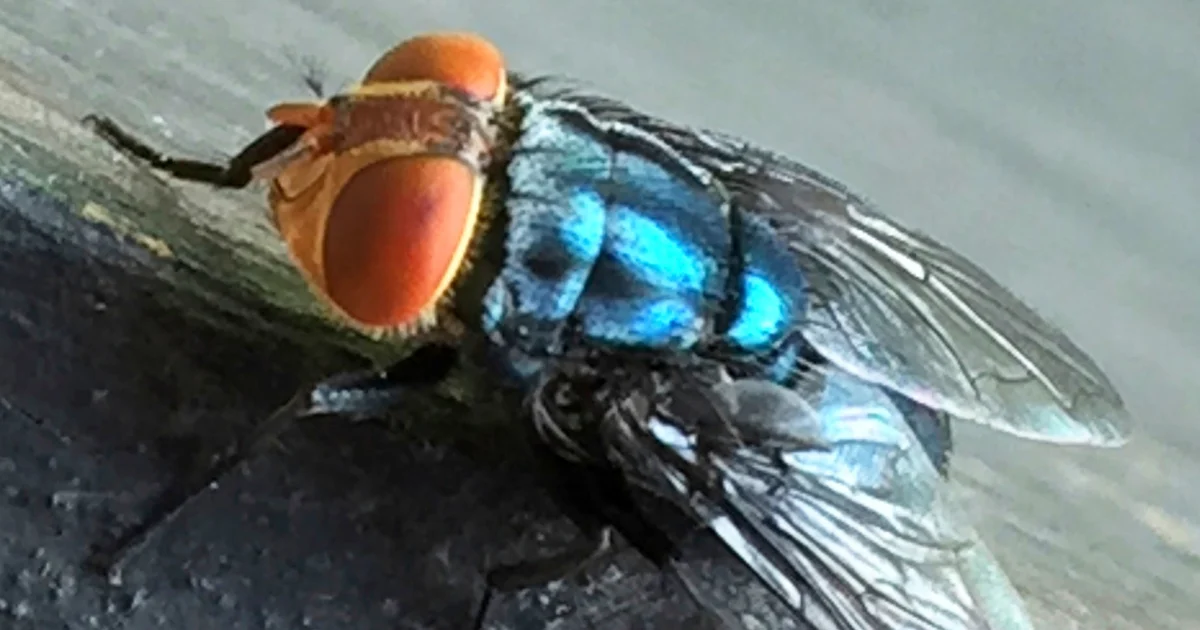
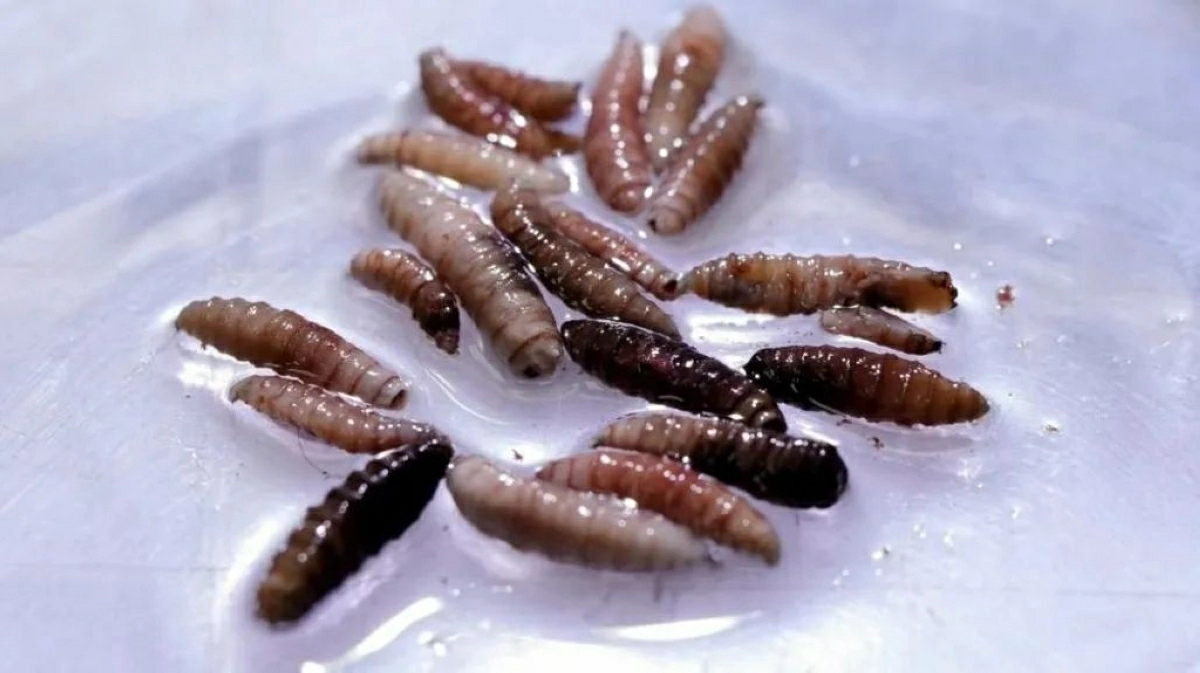
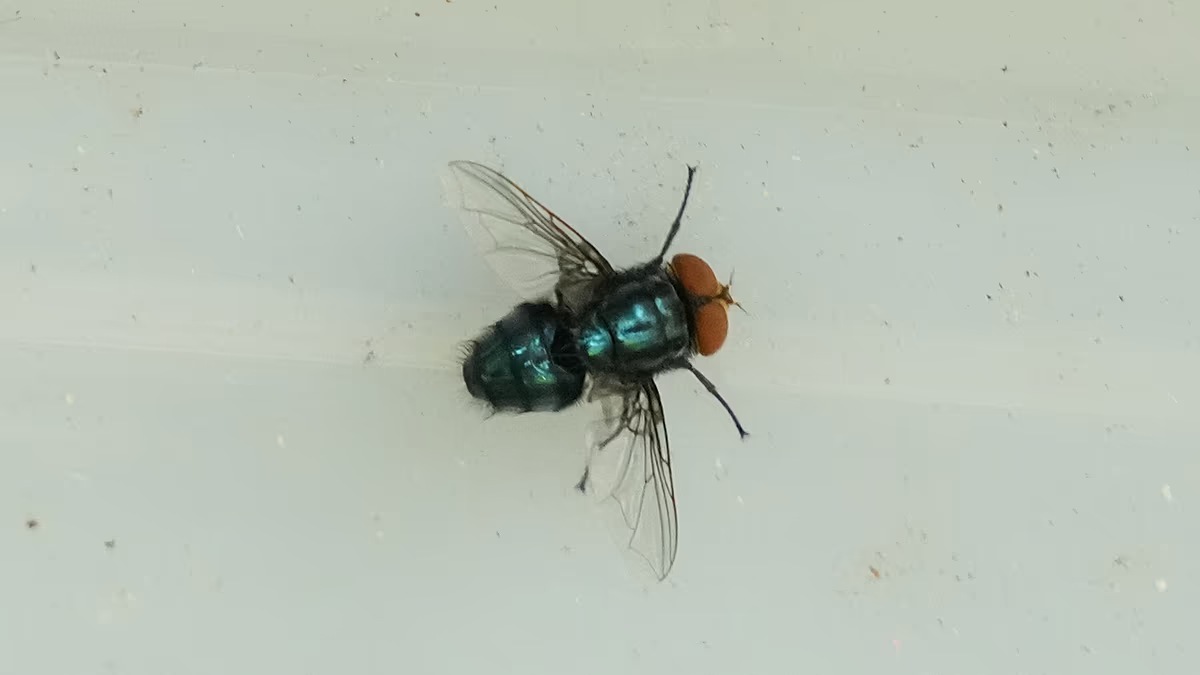
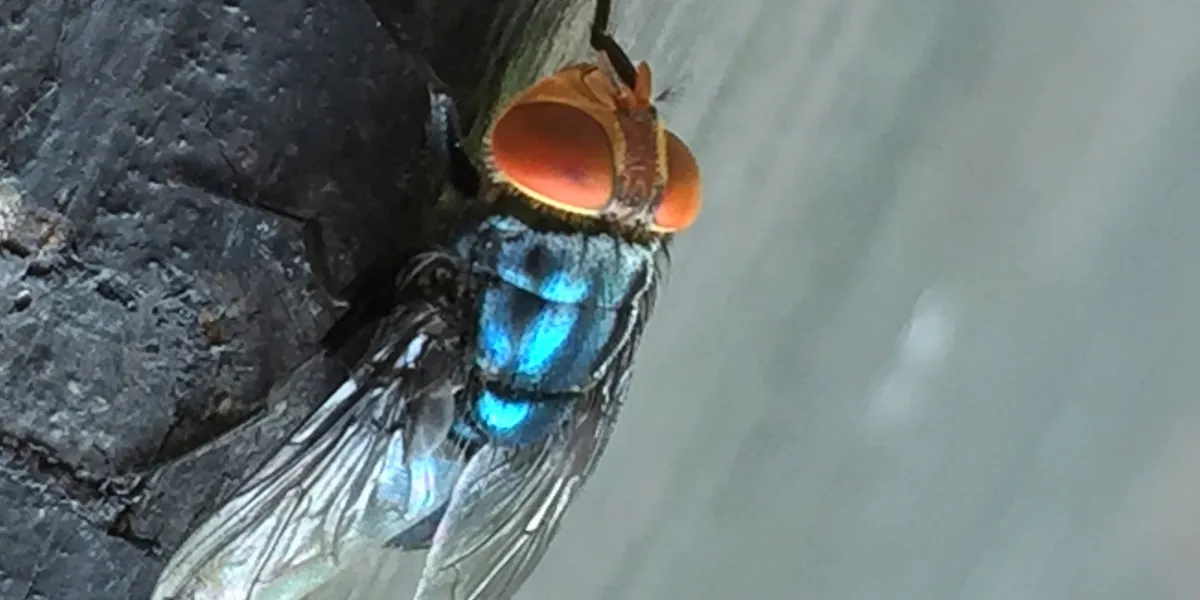
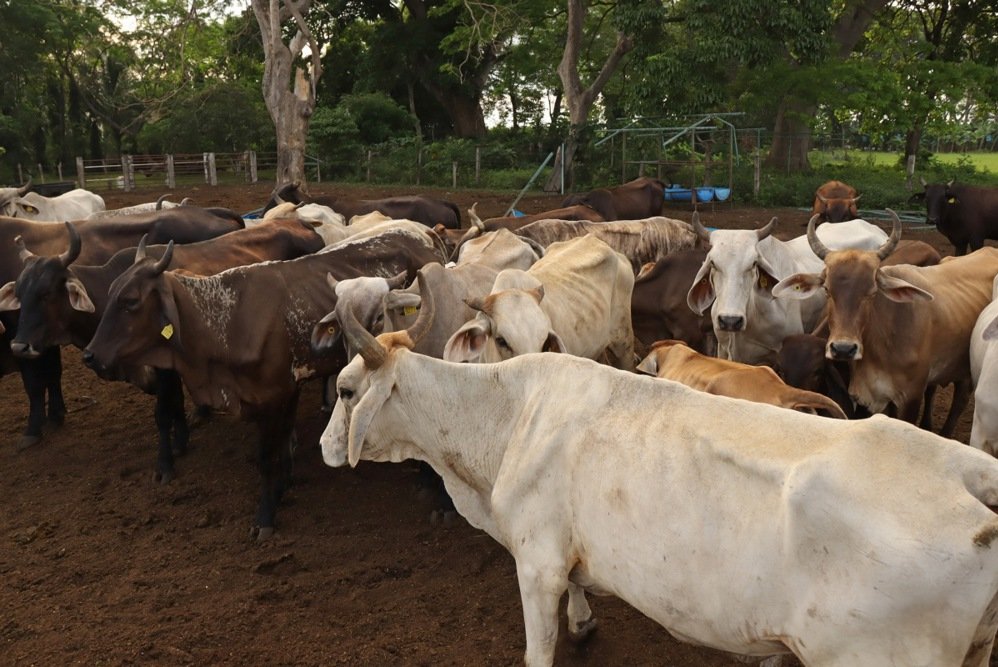
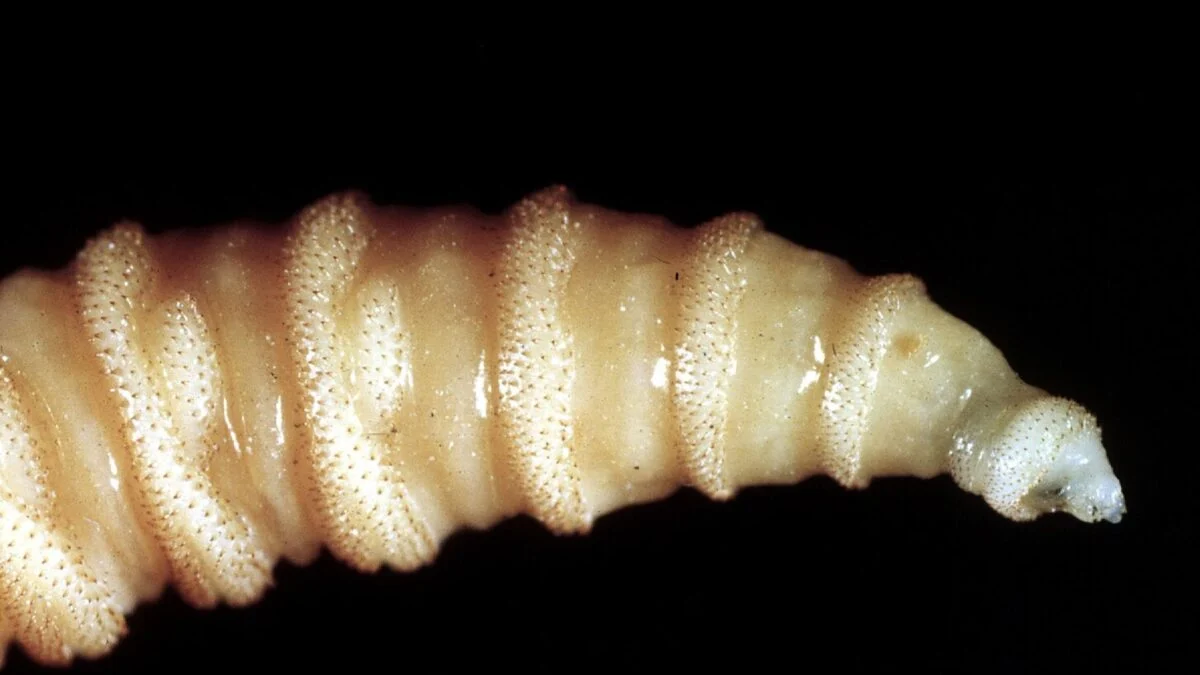
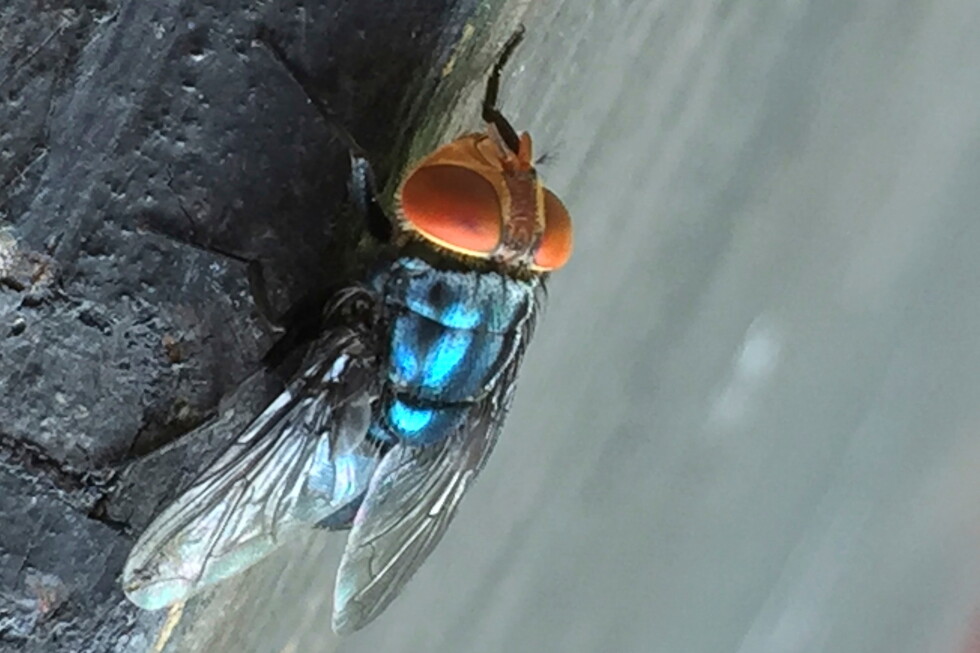
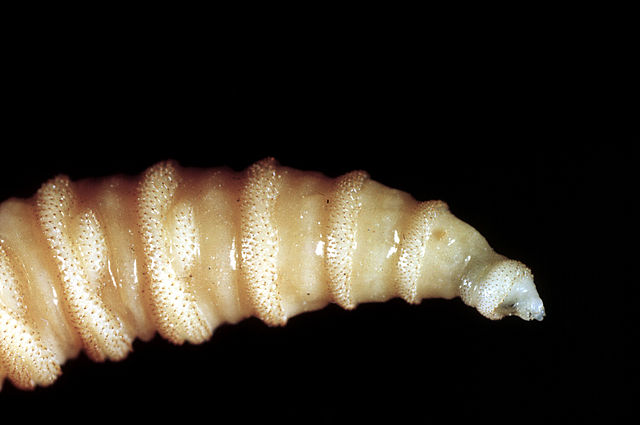
Stay up to date with notifications from The IndependentNotifications can be managed in browser preferences.Jump to contentThank you for registeringPlease refresh the page or navigate to another page on the site to be automatically logged inPlease refresh your browser to be logged inAllNewsSportCultureLifestyleAgriculture Secretary Brooke Rollins said the case was in a 3-week-old calf in LaPryor, Texas, about 50 miles from the Mexico border (Reuters)The highly destructive New World screwworm fly has been confirmed in LaPryor, Texas, marking its first appearance in the state since 1966 and only the third time in the U.S. in decades. The U.S. Department of Agriculture (USDA) announced that the parasite, known for its flesh-eating larvae, poses a significant threat to the nation's cattle industry, with the confirmed case involving a three-week-old calf. Texas State Veterinarian Bud Dinges established a 12-mile quarantine zone, prohibiting the movement of warm-blooded animals without inspection, while officials emphasize the larvae are a danger to livestock but not food. The re-emergence has prompted alarms due to historical losses of tens of millions of dollars in the 1970s, with the fly's larvae consuming living flesh and potentially causing death if untreated. To combat the threat, the USDA is employing a strategy that includes releasing millions of sterile screwworm flies, allocating $21 million to convert a facility in southern Mexico, opening a new dispersal center, and constructing a $750 million factory, as well as deploying 8,000 fly traps and closing the U.S.-Mexico border to livestock imports.In fullNightmare parasite that eats living flesh detected in Texas after disappearing for decadesThank you for registeringPlease refresh the page or navigate to another page on the site to be automatically logged inPlease refresh your browser to be logged in
Confronto fonti
6 prospettive sulla stessa storiaTimeline cronologica
- ·
arstechnica.com
Possible flesh-eating screwworm infection detected in South Texas, USDA says
If confirmed, it would be the fly's first breach of the US-Mexico border.
- ·
apnews.com
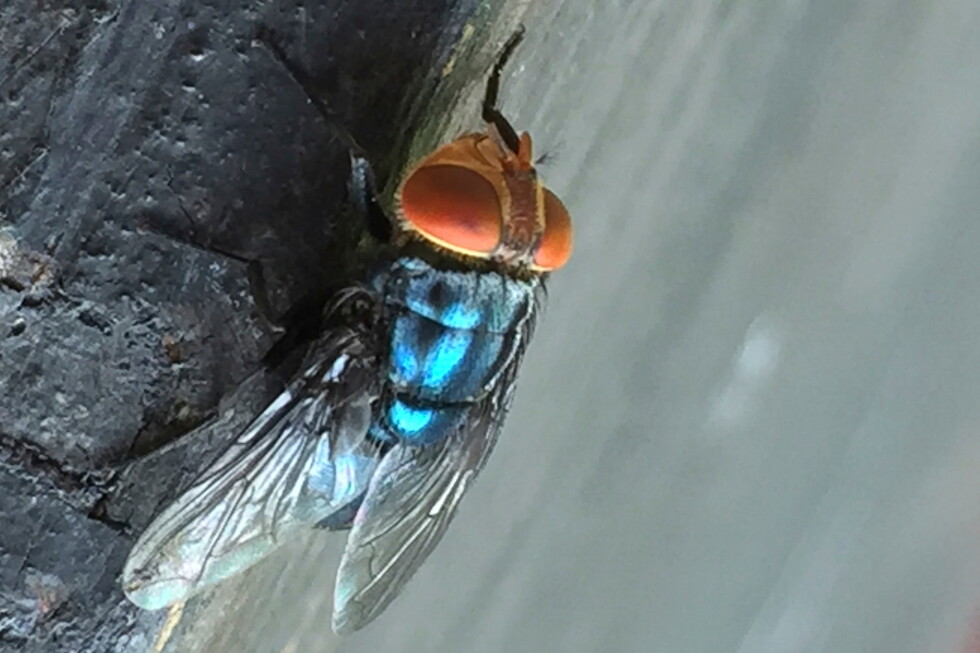
A screwworm fly that bedeviled cattle ranchers decades ago has returned to Texas
The U.S. Department of Agriculture has confirmed that the New World screwworm fly has arrived in south Texas.