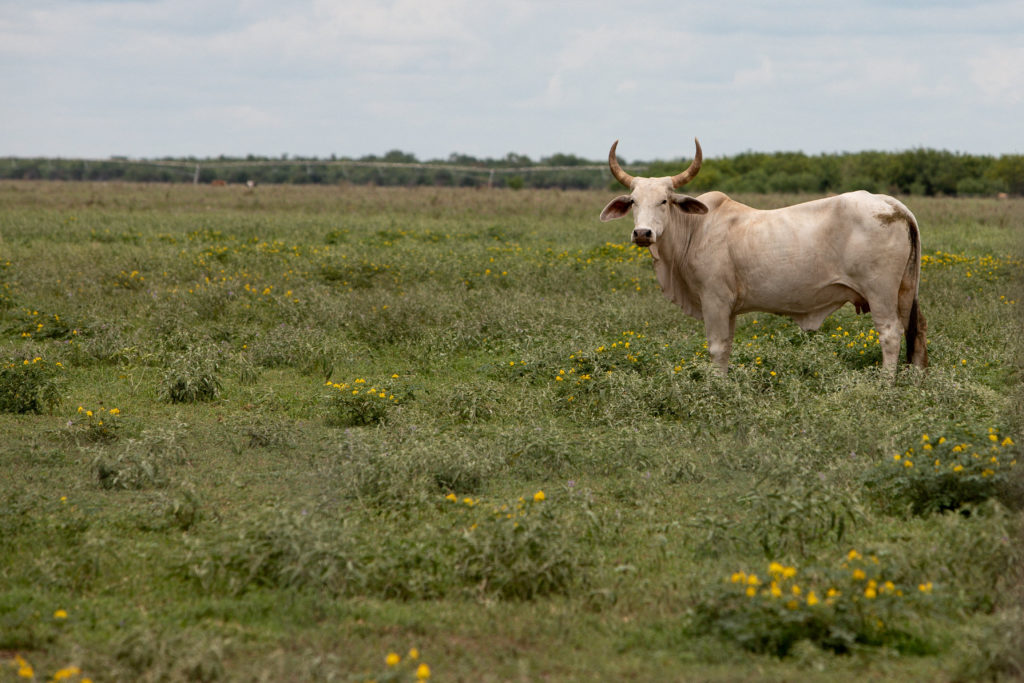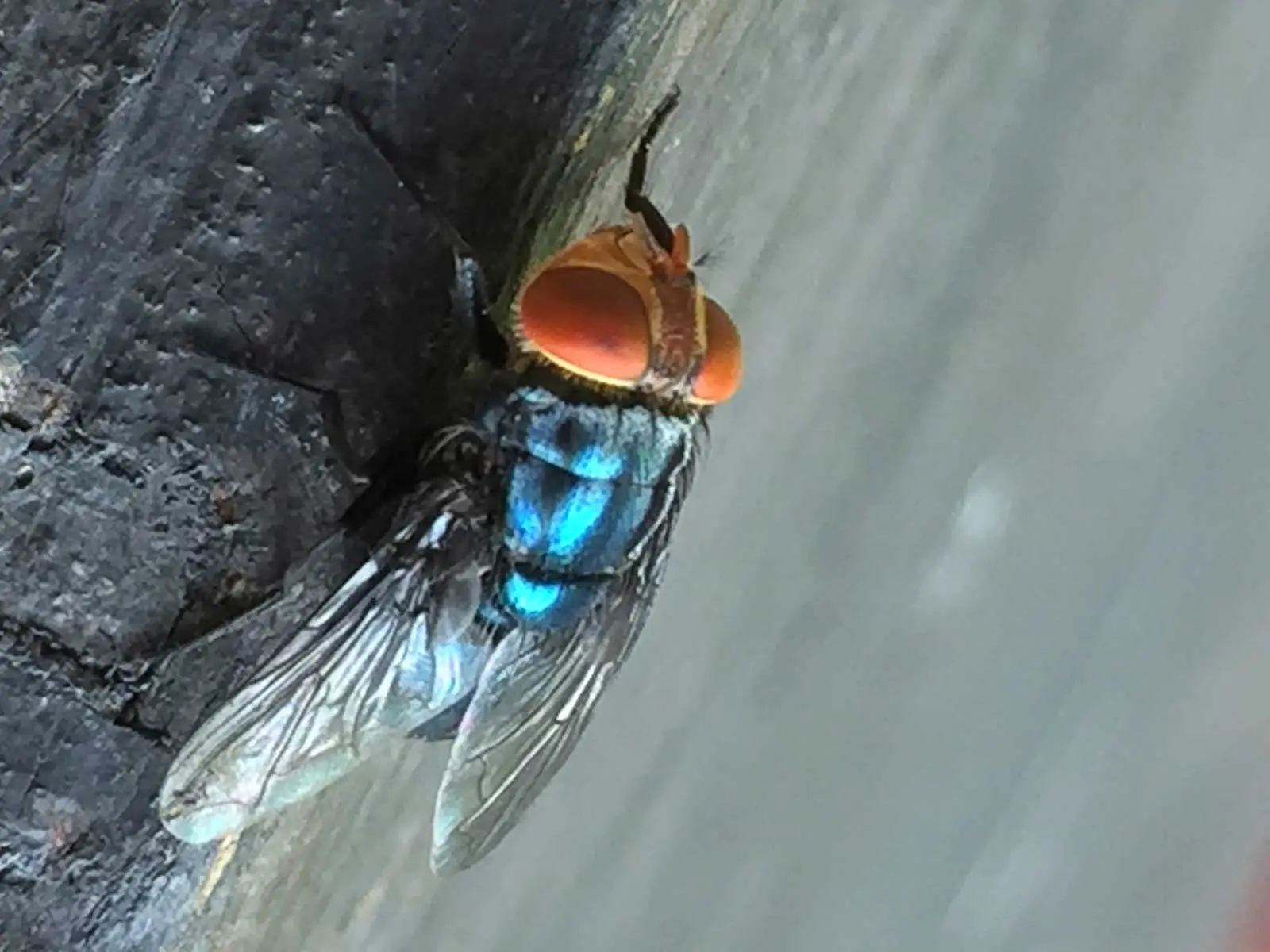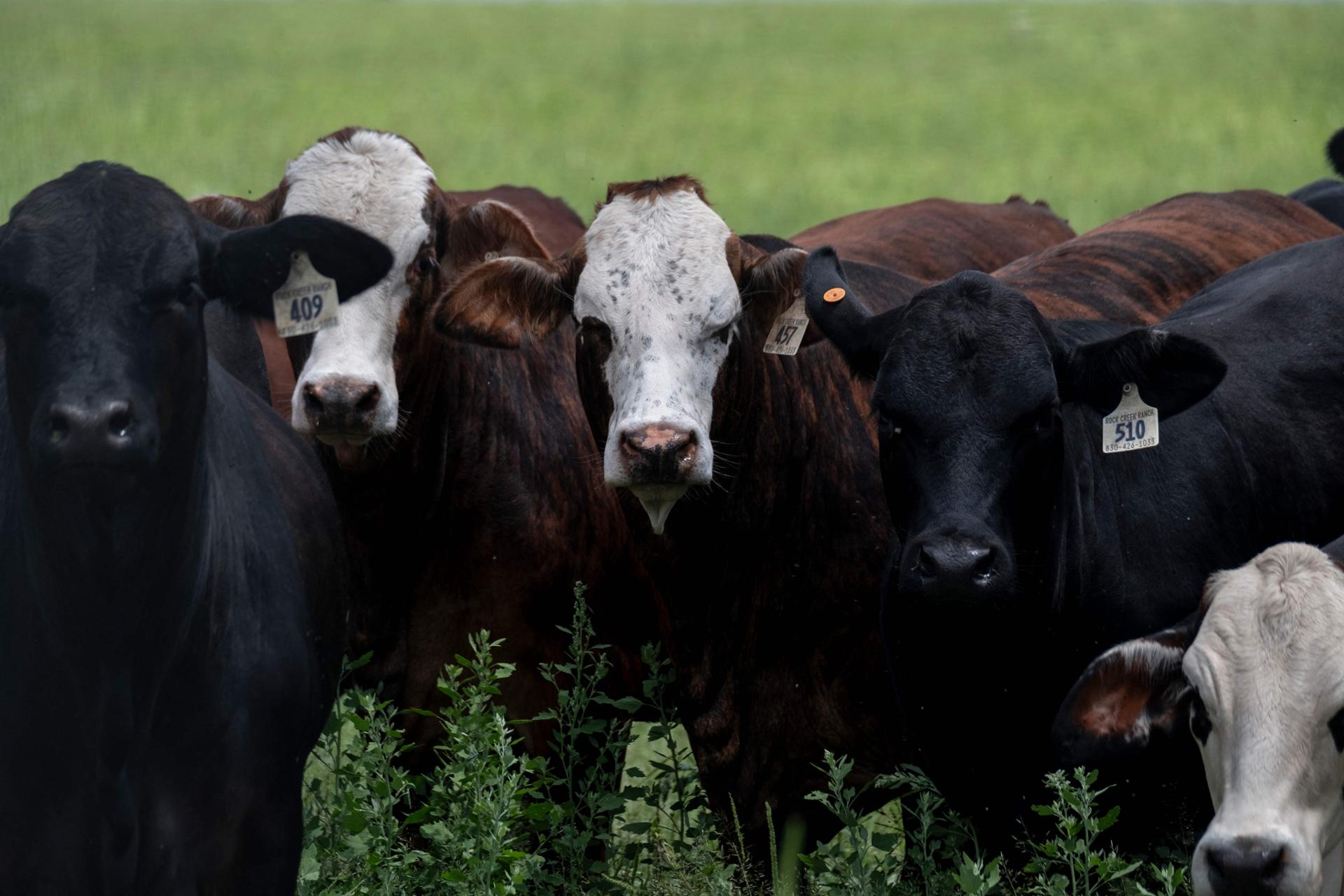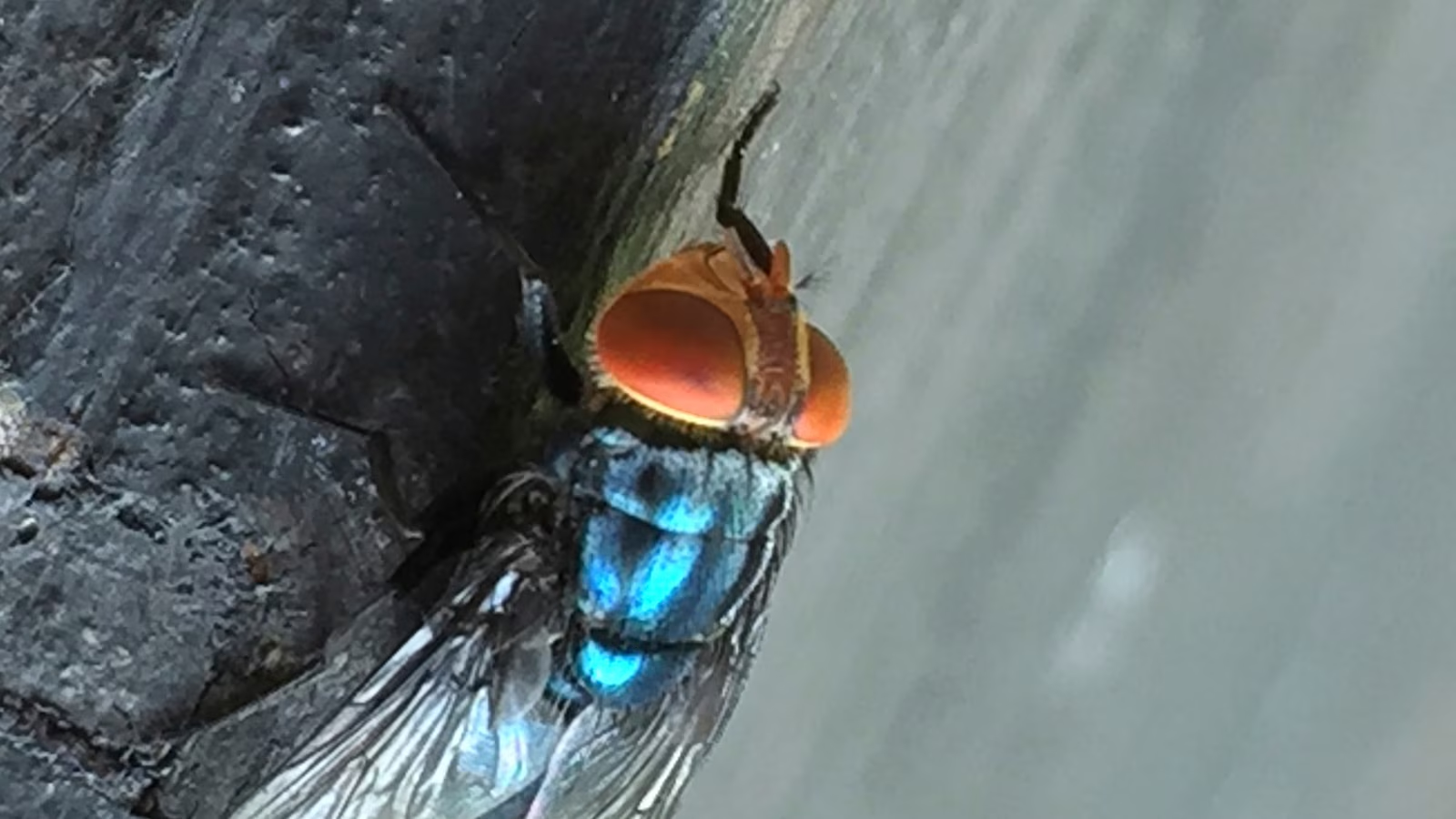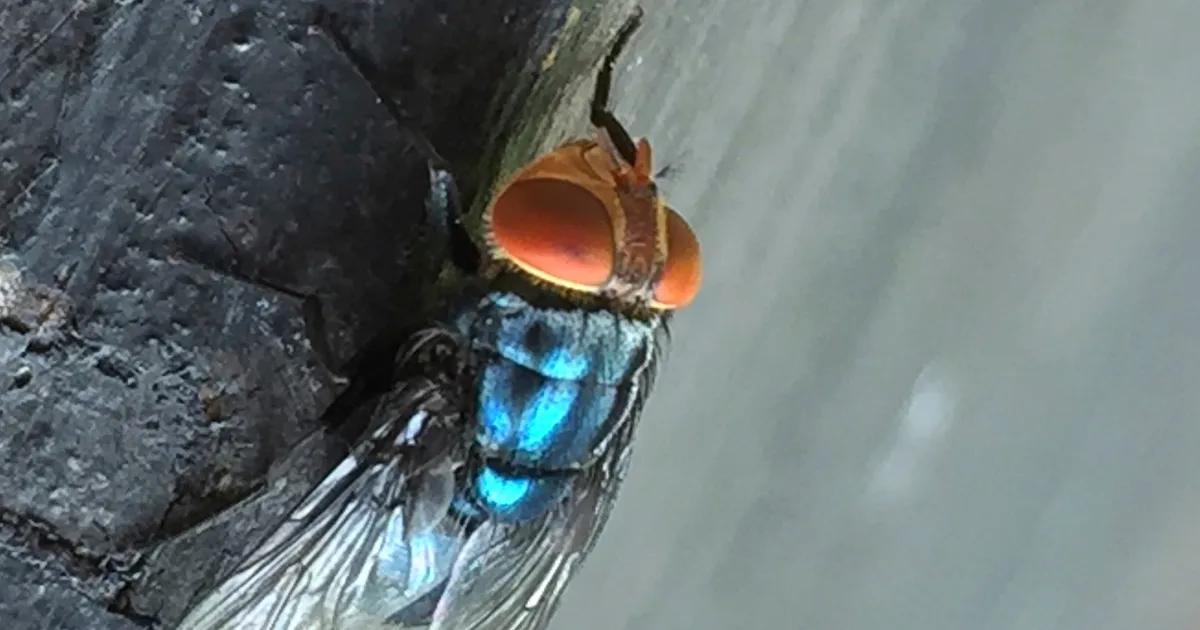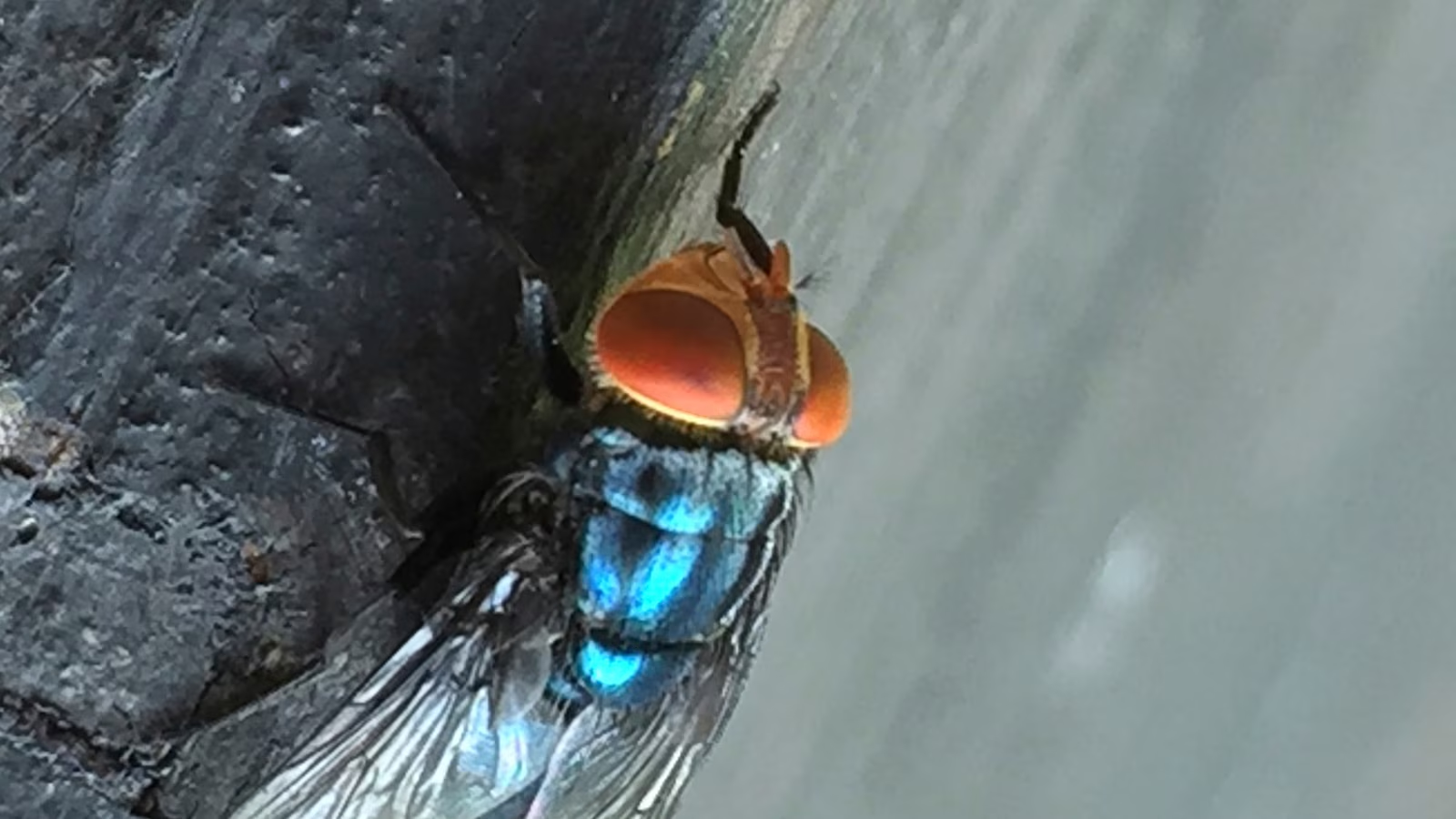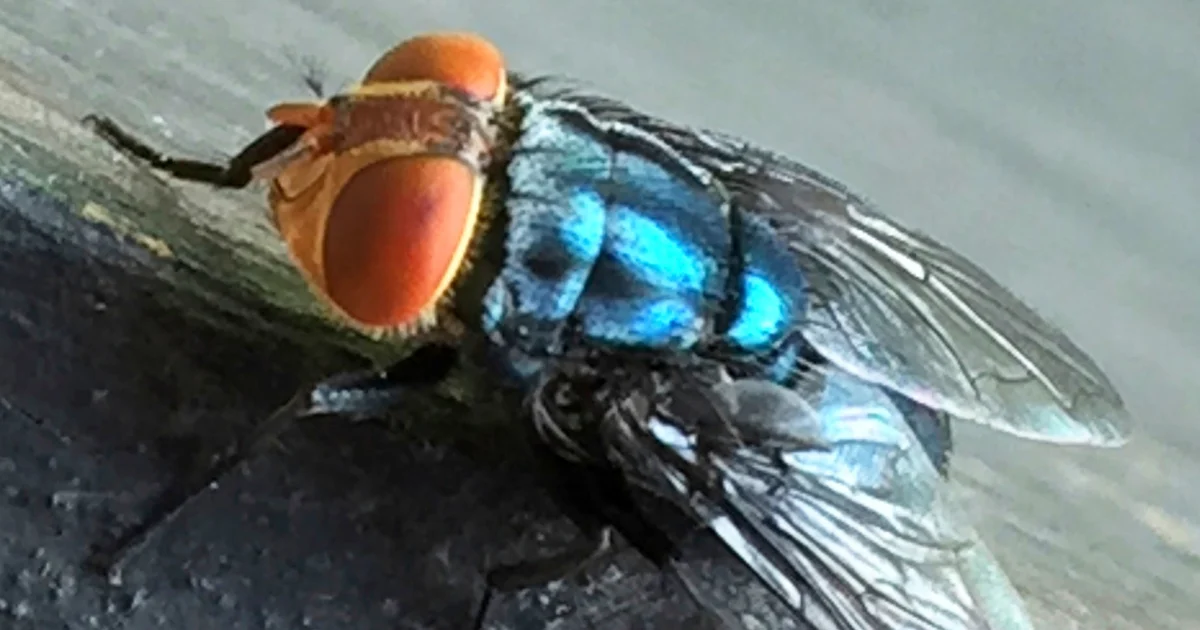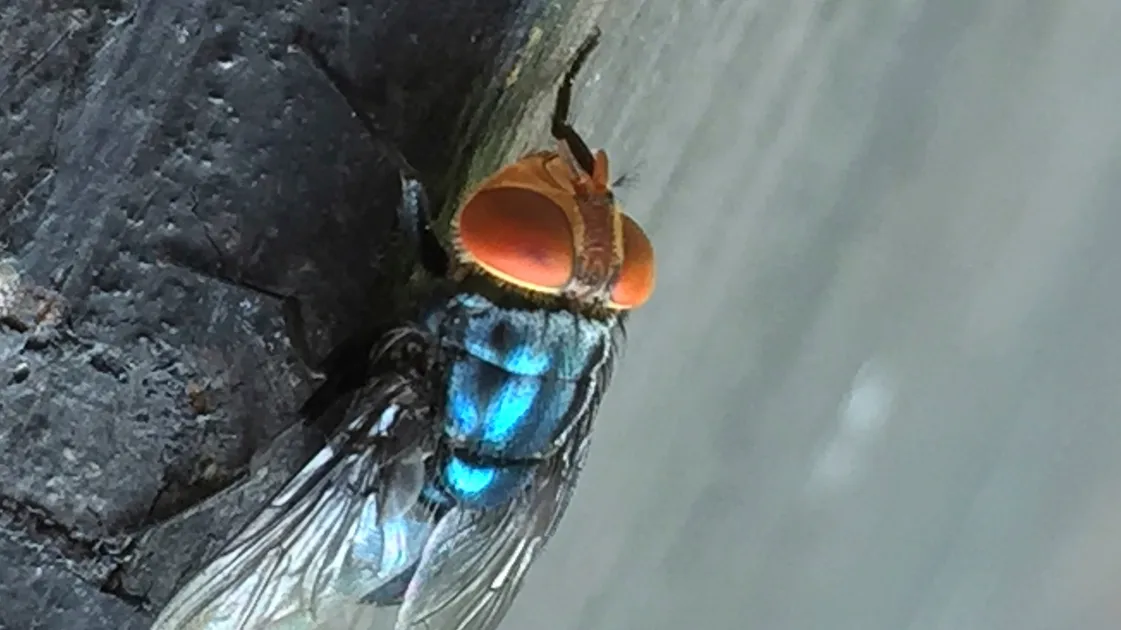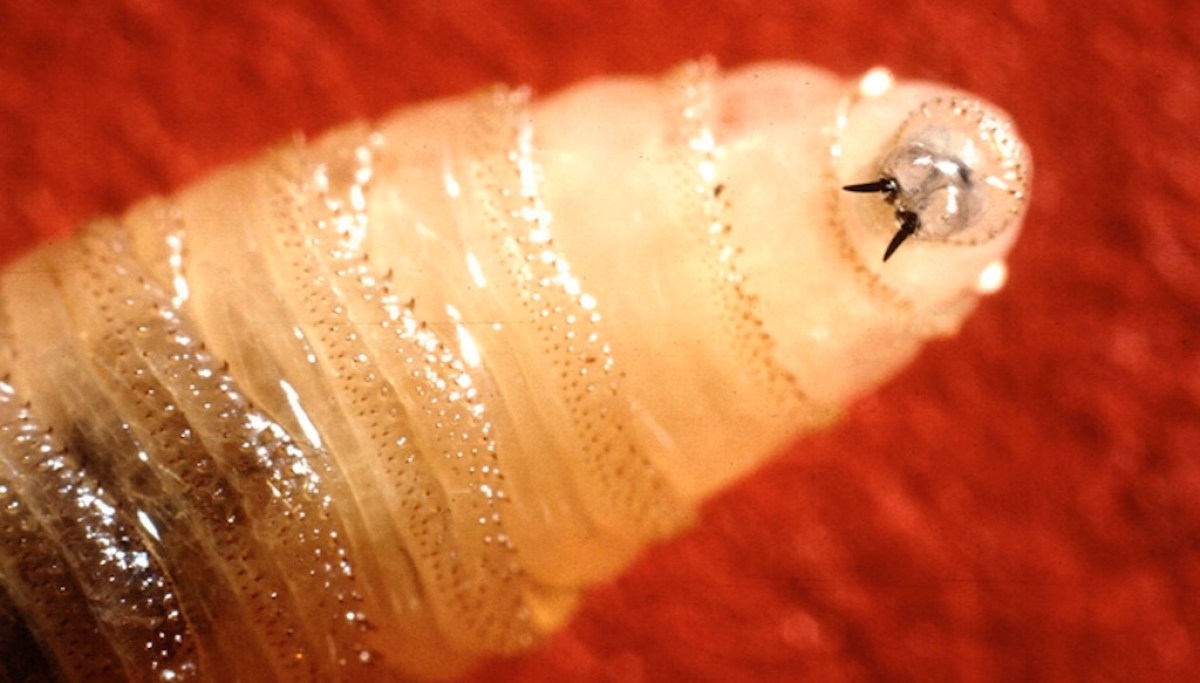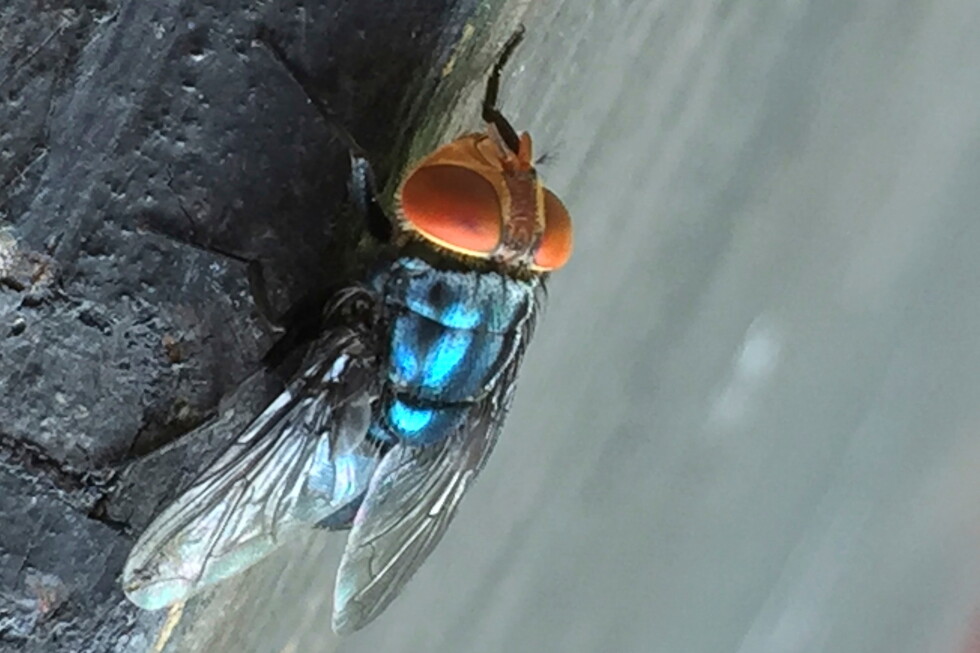
The New World screwworm fly is threatening the $113 billion U.S. cattle industry for the first time in more than a half century, with an infestation from its flesh-eating larvae confirmed in south Texas.The infestation was discovered in a single 3-week-old calf in La Pryor, Texas, about 100 miles (161 kilometers) southwest of San Antonio and 50 miles (80 kilometers) from the U.S.-Mexico border. Federal and state officials had been working to keep the parasite from reaching Texas, home to $17 billion worth of the nation’s cattle, making it the industry’s No. 1 state.The deadly flies were detected in Mexico in late 2024 after years of being contained in Panama.The fly was an annual warm-weather scourge of cattle ranchers from at least the 1930s through the 1960s, until the U.S. eradicated the pest by breeding sterile male flies and dropping swarms of them from planes to mate with wild females. The USDA said the most recent case was the first in Texas since 1966. Here is what to know about the fly, the threat it poses and the response:
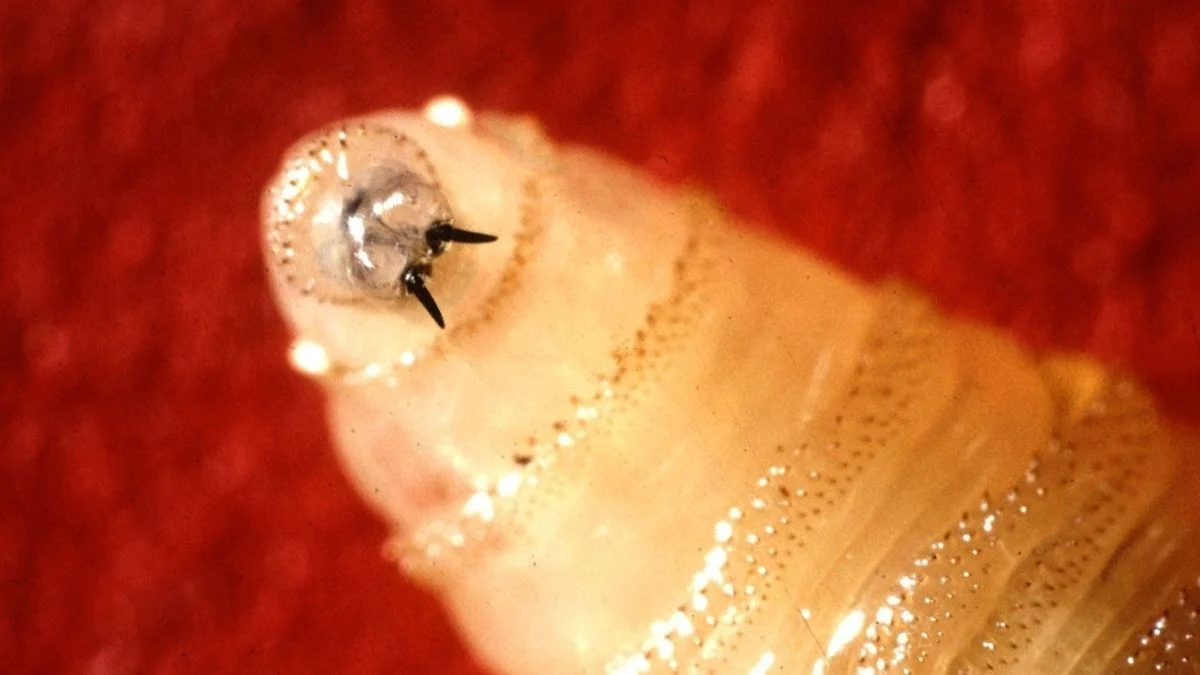
Being unusual makes the flies a threatThe New World screwworm fly in the Western Hemisphere and its Old World cousin in Africa and Asia are unusual among flies because their larvae, or maggots, eat live flesh and fluids instead of dead material. Females lay their eggs in open wounds and mucous membranes after mating only once in their monthslong lives.Any warm-blooded animal, including wildlife, pets and occasionally even humans, can be infested. Livestock are vulnerable because of how they’re handled, Lee Haines, an associate research professor of biological sciences at the University of Notre Dame, said in an email Thursday. Standard practices with cattle can break the skin, including shearing and de-horning, or even moving them in and out of corrals can cause scrapes and cuts. Birth would also make a mother and calf vulnerable, she said.