人工知能(AI)の急速な普及が、エネルギーや水資源をめぐる新たな環境問題を引き起こしている。国連大学の水・環境・保健研究所(UNU―INWEH)は3日、AIの電力消費に伴う気候、水、土地への影響を分…

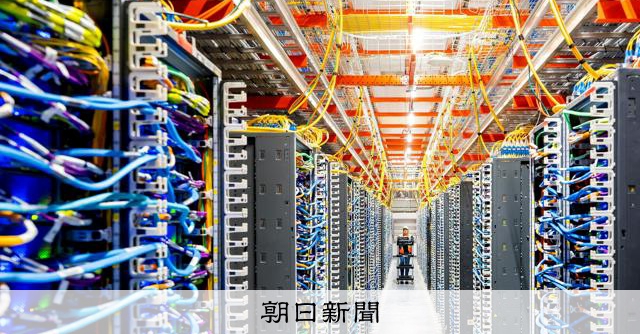
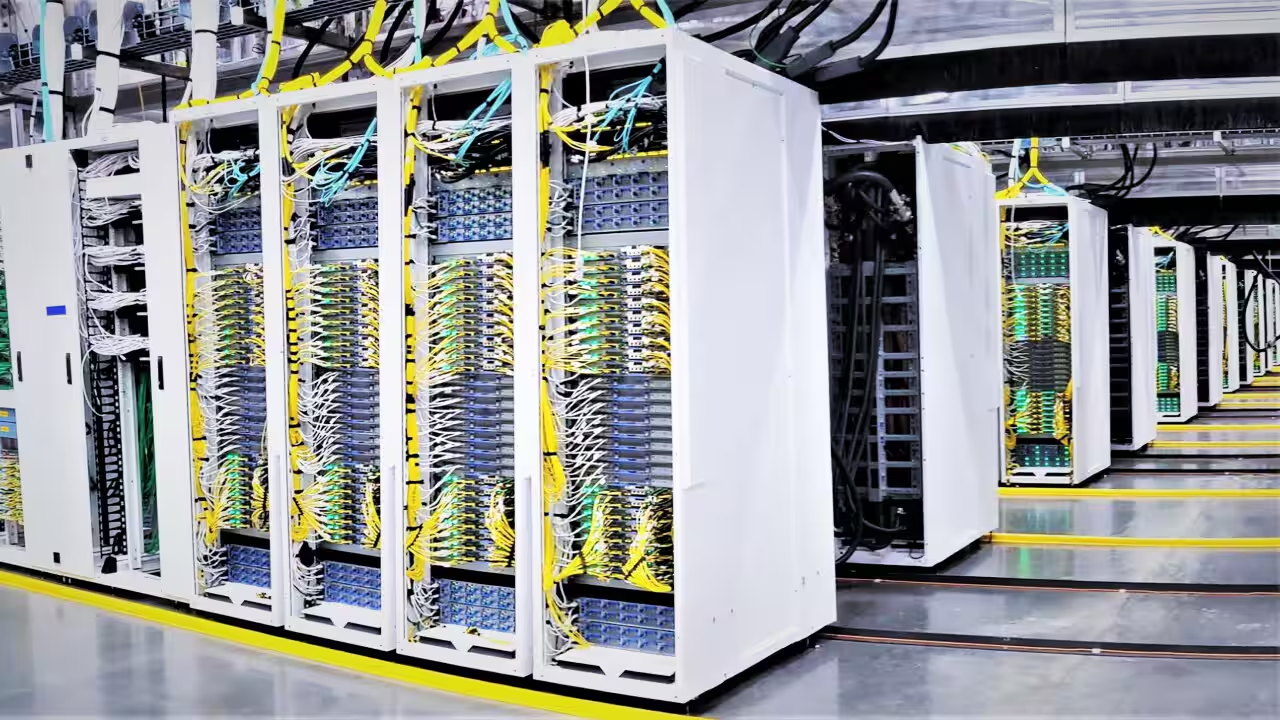
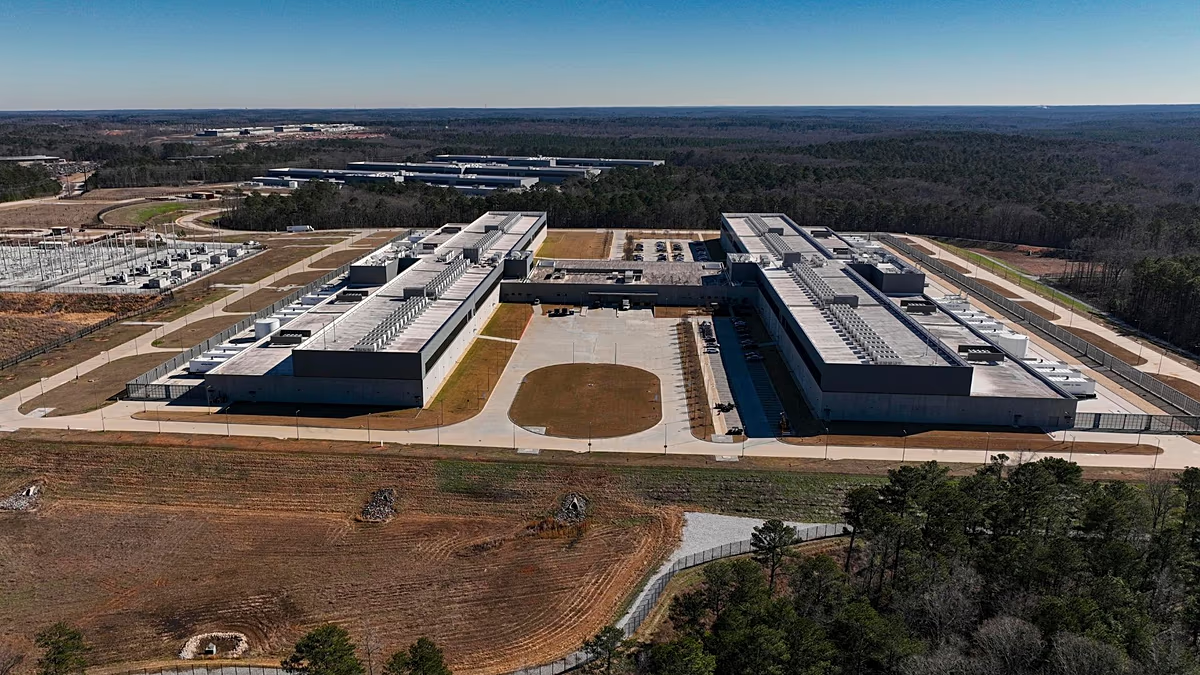
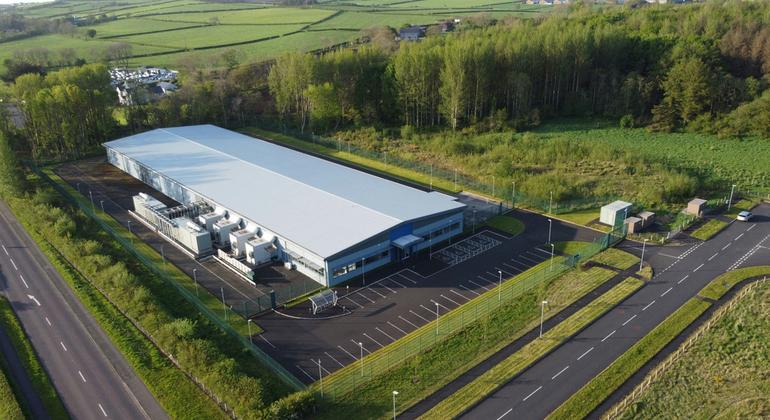
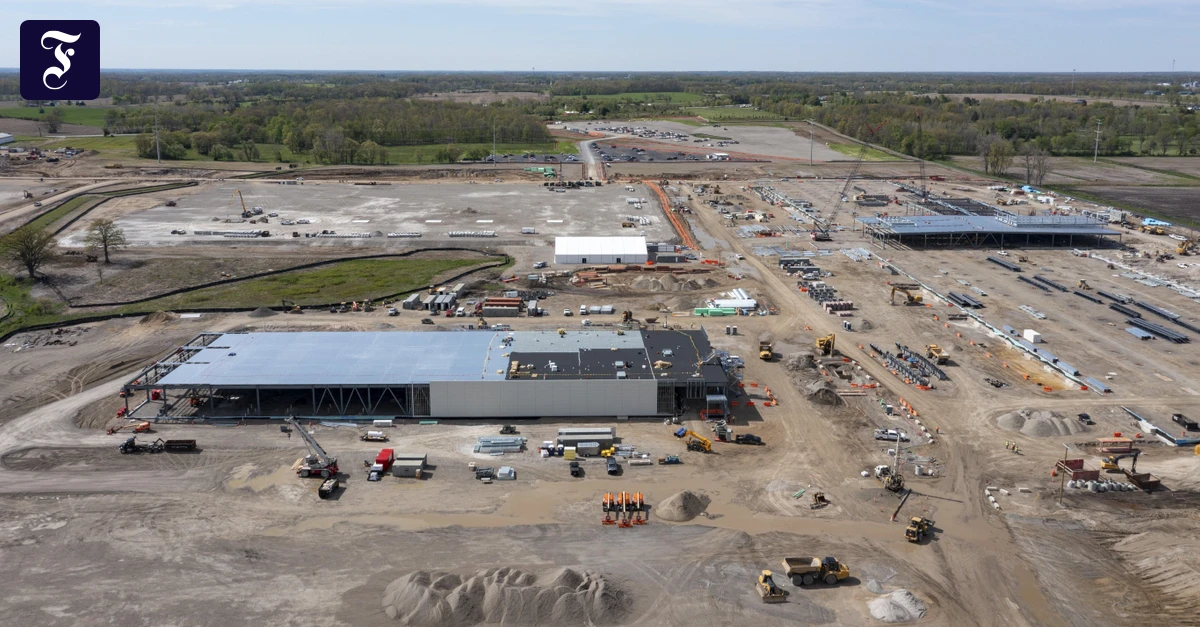
AI data centres are energy-hungry and resource-intensive, requiring huge amounts of electricity generation, cooling systems, land and water supplies

A new U.N. report warns AI’s environmental cost is often mismeasured.
Alleine das Training von GPT-4 soll mehr Wasser verbraucht haben, als 81.000 Menschen in Afrika jährlich benötigen. Ein neuer Bericht listet den Umwelteinfluss von KI minutiös…

Stay up to date with notifications from The IndependentNotifications can be managed in browser preferences.Jump to contentThank you for registeringPlease refresh the page or…

人工知能(AI)の急速な普及が、エネルギーや水資源をめぐる新たな環境問題を引き起こしている。国連大学の水・環境・保健研究所(UNU―INWEH)は3日、AIの電力消費に伴う気候、水、土地への影響を分…

A United Nations report has highlighted the vast and growing demand that artificial intelligence is placing on the world.

Un informe alerta que el crecimiento de la inteligencia artificial dispara el consumo de energía y agua

As AI models become cheaper and more attractive, they will likely encourage new uses and higher volumes of use – erasing any efficiency gains.

"That extra ‘please’ you put there can make a huge difference,” says one of the report's authors.

UN researchers warn that AI will double data centre power and water consumption by 2030, straining environmental resources.

Artificial Intelligence is not only responsible for worrying amounts of earth-warming greenhouse gases: the technology's environmental footprint is also expanding at a pace that…

UN report warns AI could sharply raise global energy, water and carbon use by 2030, driven by rising demand and Jevons paradox effects.

One argument often used to quell concerns about the rising energy and resource demand of data centers is that artificial intelligence (AI) models will need less in the future as…