WARPTECHNEWS · LAB
HomeAIBusinessTechArchive
WARPTECH LAB NEWS

Warptech Lab News aggrega le notizie più rilevanti da oltre 700 fonti internazionali, con classificazione AI, TL;DR sintetici e timeline cluster su singole storie.

Navigazione

  • Home
  • Archivio
  • Editor's Brief
  • Cerca
  • Il tuo account
  • Newsletter tech/AI

Informazioni legali

  • Privacy Policy
  • Termini di servizio
  • Cookie Policy

© 2026 Sparktech S.R.L. — Tutti i diritti riservati. Sito gestito e manutenuto da Sparktech S.R.L.

Sede legale: Corso Libertà 55, 13100 Vercelli (VC), Italia · P.IVA / C.F. 02835910023 · Contatti: admin@warptechlab.com

Home
Storia in 5 fonti

Venus will disappear behind the Moon in a rare June sky event

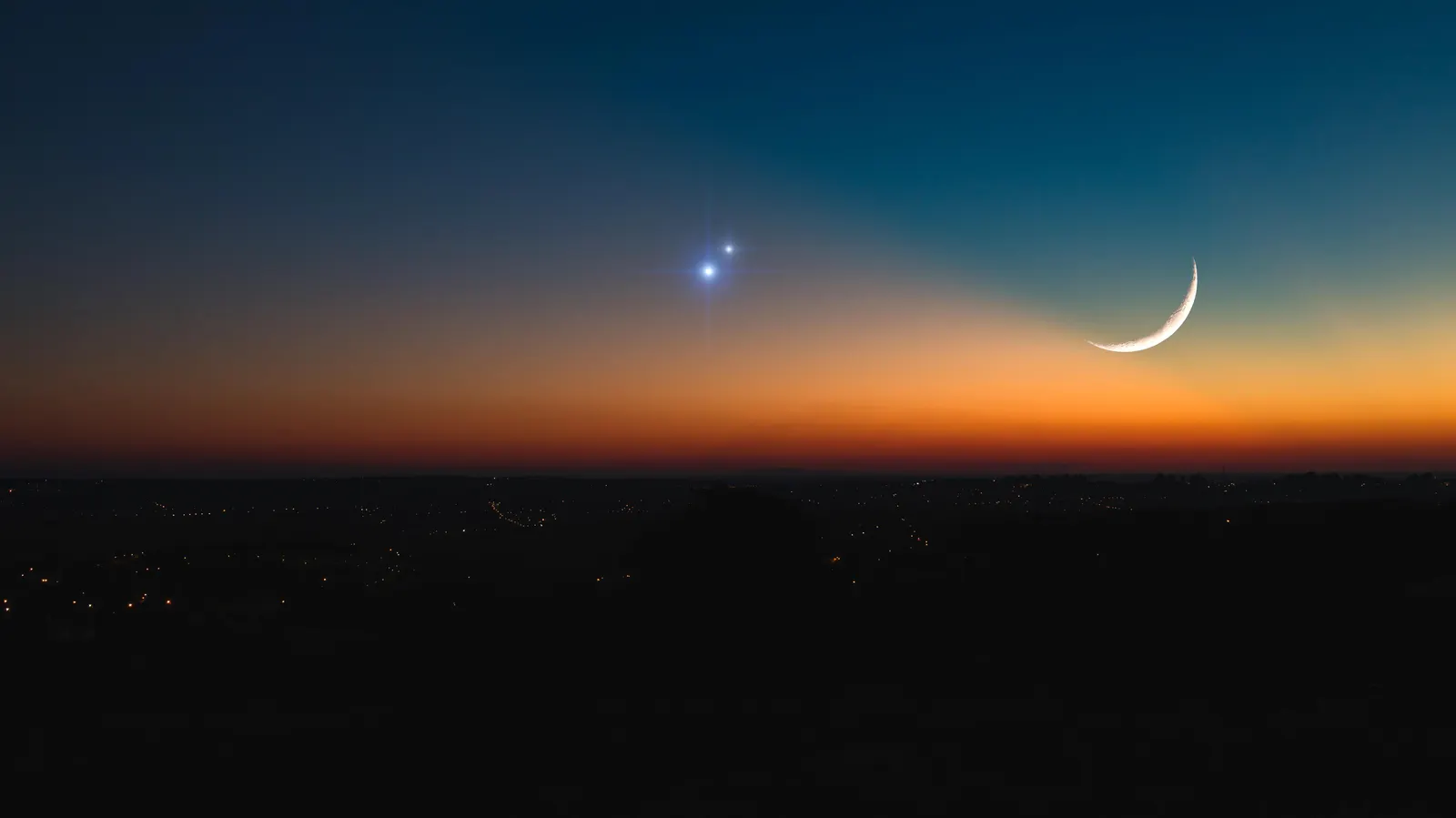
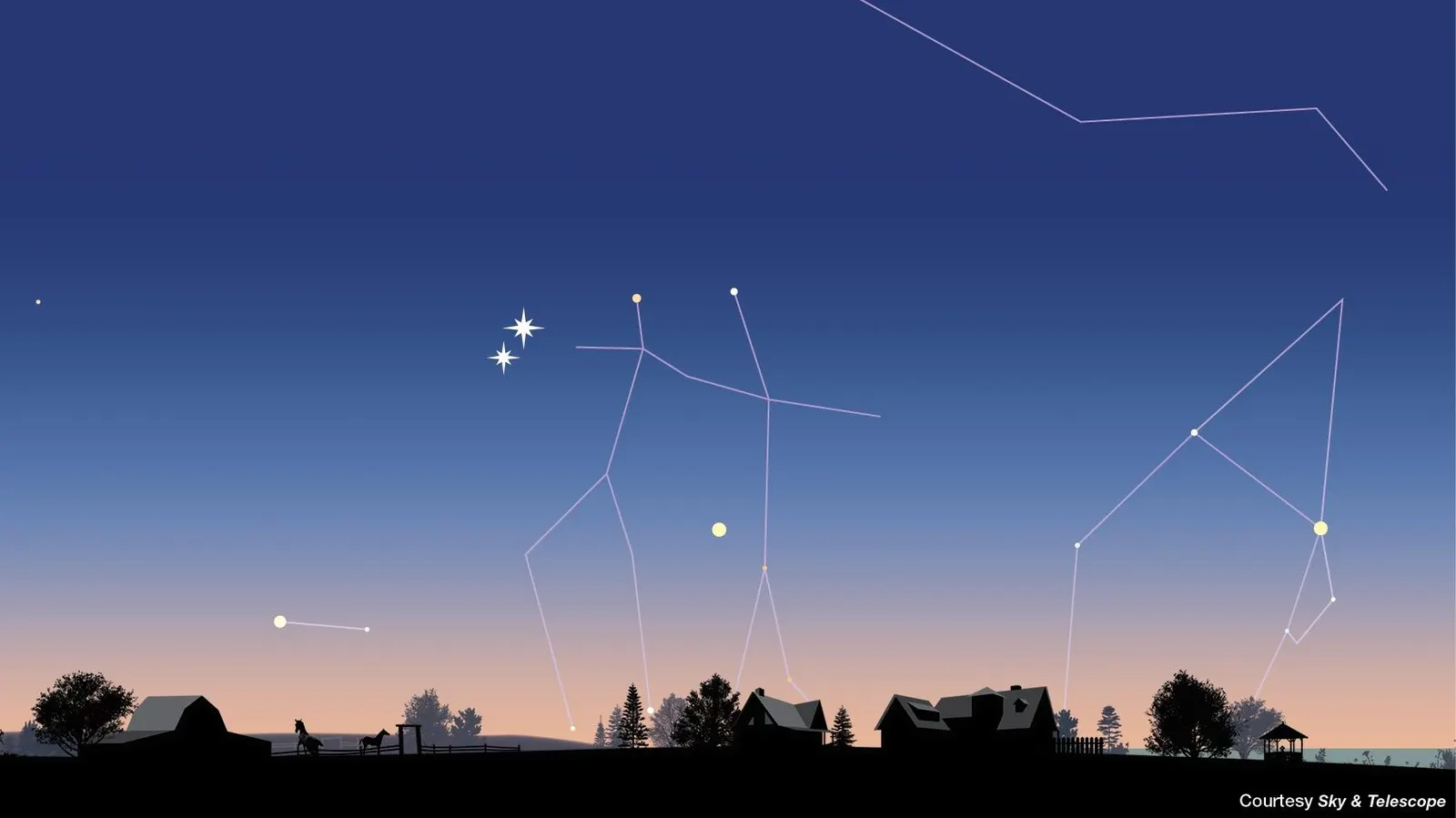
June's night sky delivers several must-see events, starting with a close encounter between Venus and Jupiter after sunset. Mercury joins the pair to form a rare three-planet lineup, while the Moon puts on a special show by passing in front of Venus for viewers in parts of the Americas. The month also marks the start of astronomical summer and the return of spectacular deep-sky targets like the Ring Nebula and Veil Nebula.

Raccontata daen.tempo.coforbes.comsciencedaily.comspace.comscience.nasa.gov

Confronto fonti

5 prospettive sulla stessa storia
AI · summaries
sciencedaily.comStai leggendo1 mesi fa

Venus will disappear behind the Moon in a rare June sky event

June's night sky delivers several must-see events, starting with a close encounter between Venus and Jupiter after sunset. Mercury joins the pair to form a rare three-planet lineup, while the Moon puts on a special show…

originale
science.nasa.gov1 mesi fa

What’s Up: June 2026 Skywatching Tips from NASA - NASA Science

Venus and Jupiter meet after sunset, the Moon passes in front of Venus, summer begins, and deep-sky treasures rise into view.

Leggi questa versione → originale
forbes.com1 mesi fa

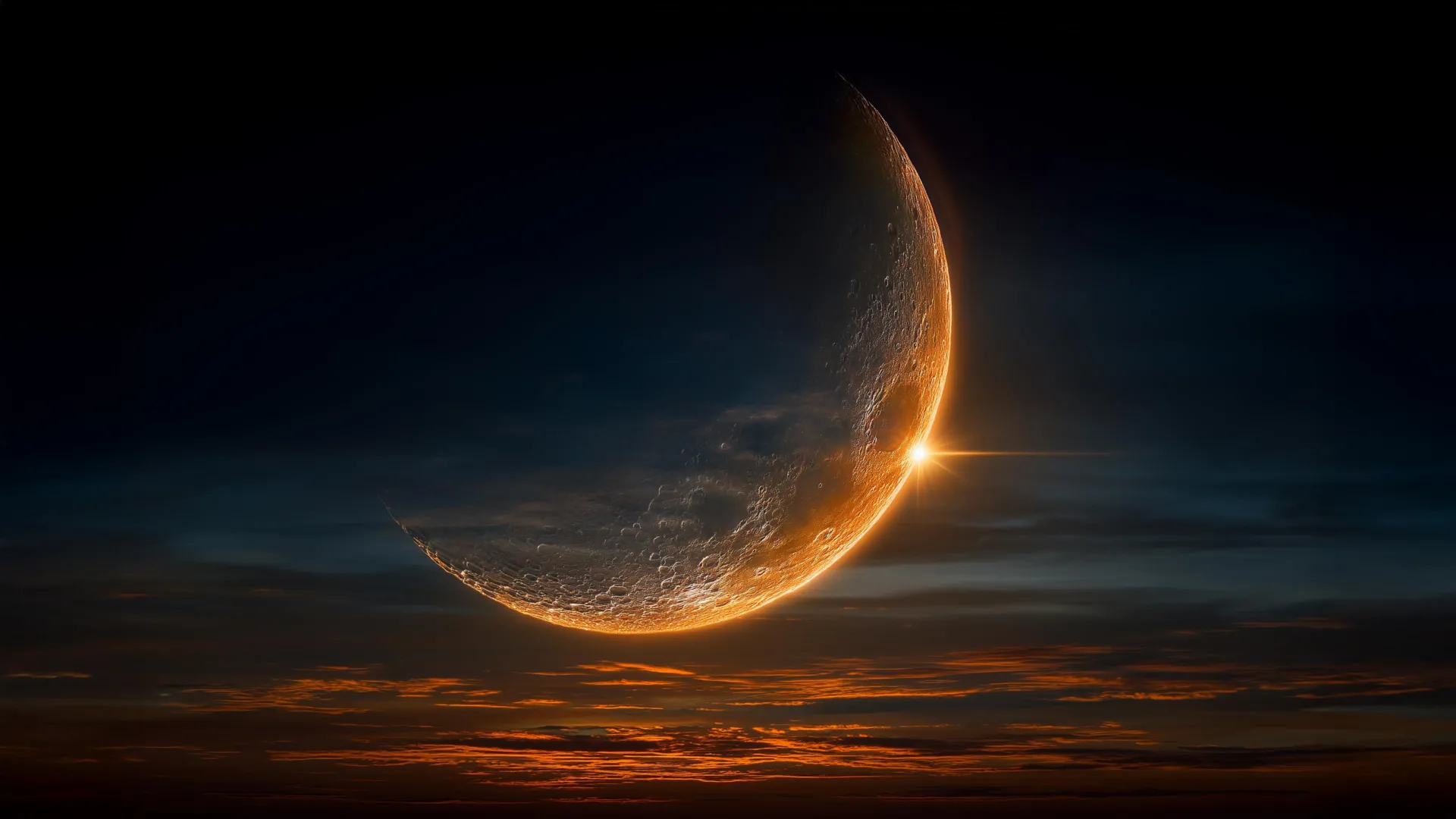
See Venus And Jupiter’s Brilliant ‘Kiss’ After Sunset In June

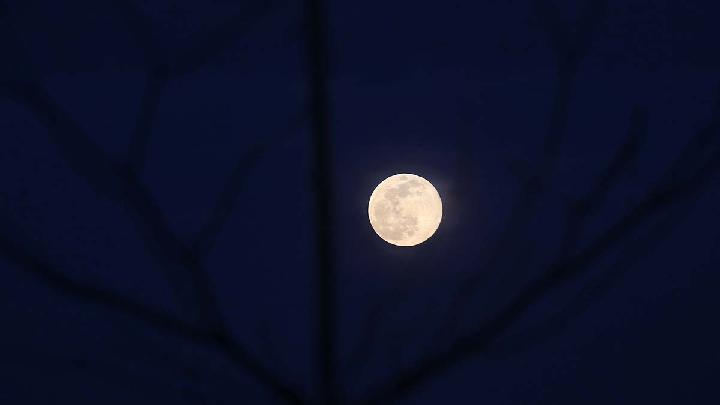
The stargazing highlights for June 2026 include a dazzling Venus-Jupiter conjunction,  the arrival of the summer solstice and the rising of the Strawberry Moon.
Leggi questa versione → originale
space.com1 mesi fa

3 bright planets light up June's night sky — Here's where and when to look

Venus, Jupiter and Mercury headline a spectacular month of planetary viewing.

Leggi questa versione → originale
en.tempo.co1 mesi fa

Night Sky in June: Your Complete Stargazing Guide

The night sky in June brings the Strawberry Moon, a Venus-Jupiter conjunction, and more unmissable events. Here's what to watch and when.

Leggi questa versione → originale

Timeline cronologica

  1. venerdì 29 maggio 2026·en.tempo.co

    Night Sky in June: Your Complete Stargazing Guide

    The night sky in June brings the Strawberry Moon, a Venus-Jupiter conjunction, and more unmissable events. Here's what to watch and when.

  2. domenica 31 maggio 2026·forbes.com

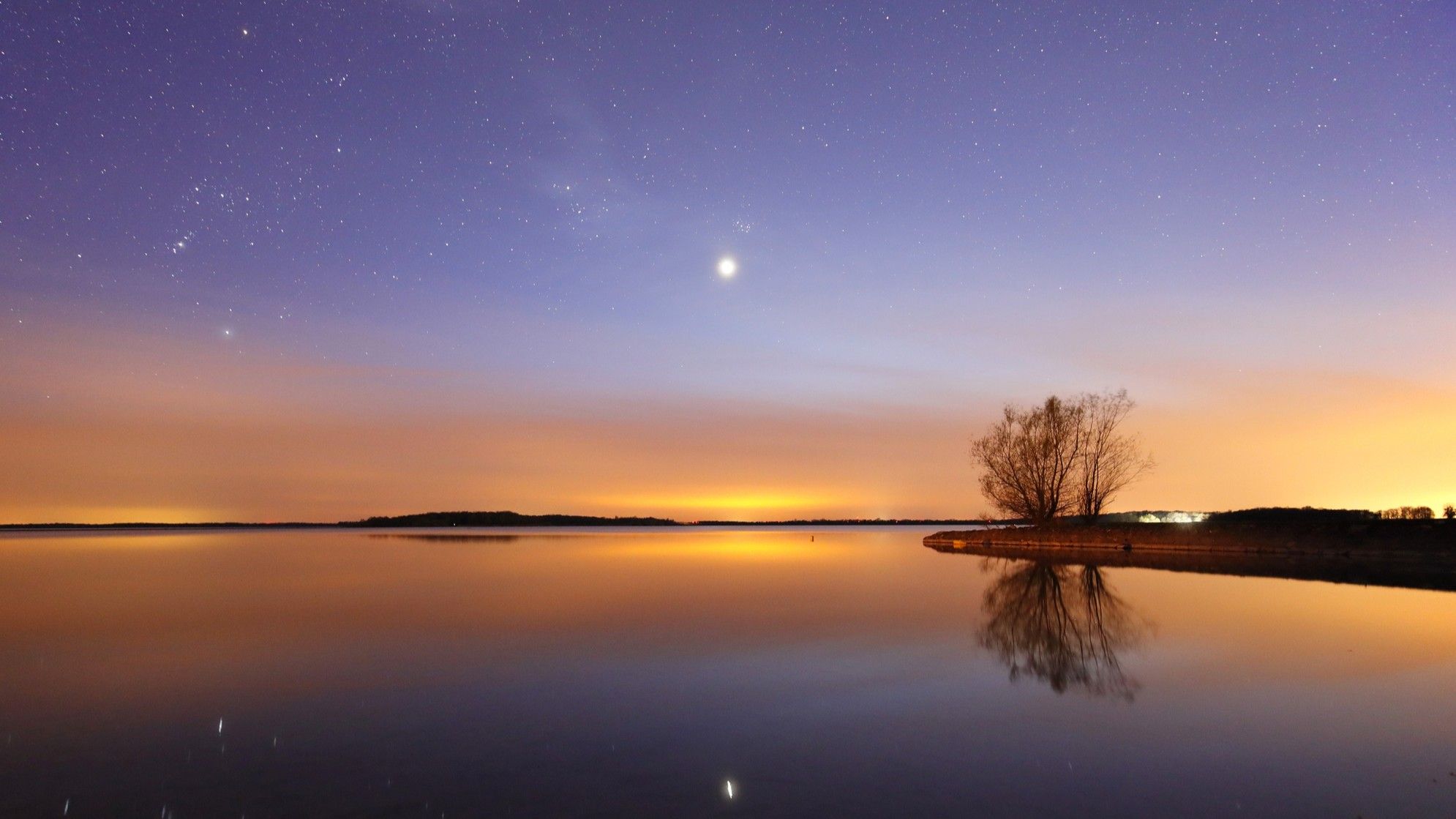
    See Venus And Jupiter’s Brilliant ‘Kiss’ After Sunset In June

    The stargazing highlights for June 2026 include a dazzling Venus-Jupiter conjunction,  the arrival of the summer solstice and the rising of the Strawberry Moon.
  3. lunedì 1 giugno 2026·sciencedaily.com

    Venus will disappear behind the Moon in a rare June sky event

    June's night sky delivers several must-see events, starting with a close encounter between Venus and Jupiter after sunset. Mercury joins the pair to form a rare three-planet…

  4. lunedì 1 giugno 2026·space.com

    3 bright planets light up June's night sky — Here's where and when to look

    Venus, Jupiter and Mercury headline a spectacular month of planetary viewing.

  5. lunedì 1 giugno 2026·science.nasa.gov

    What’s Up: June 2026 Skywatching Tips from NASA - NASA Science

    Venus and Jupiter meet after sunset, the Moon passes in front of Venus, summer begins, and deep-sky treasures rise into view.

  6. giovedì 4 giugno 2026·forbes.com

    Venus And Jupiter To Almost Touch After Sunset In Close Conjunction

    In one of the year’s most striking naked-eye celestial events, Venus and Jupiter will appear to come within just 1.6 degrees of each other after sunset on June 9.