HomeAI · summaries
Storia in 6 fonti
What looked like simple red stains turned out to be Britain’s oldest cave art from 17,100 years ago
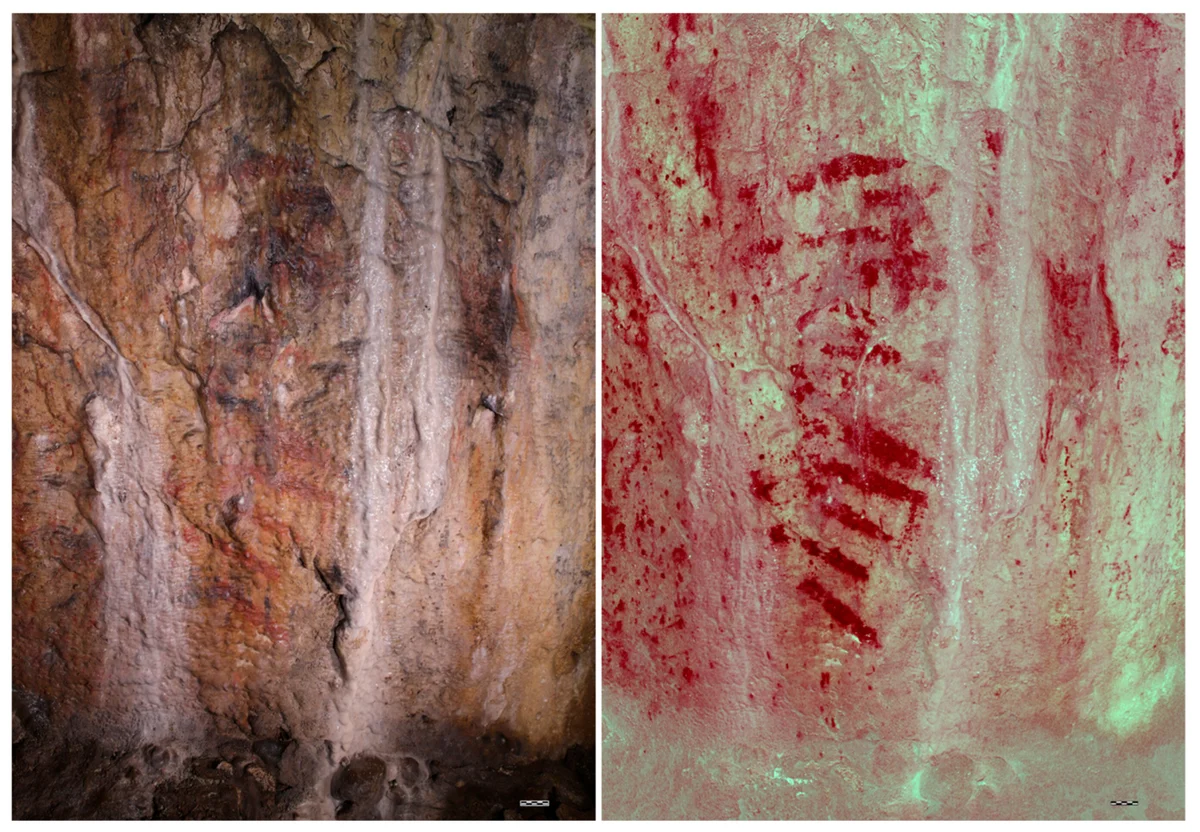
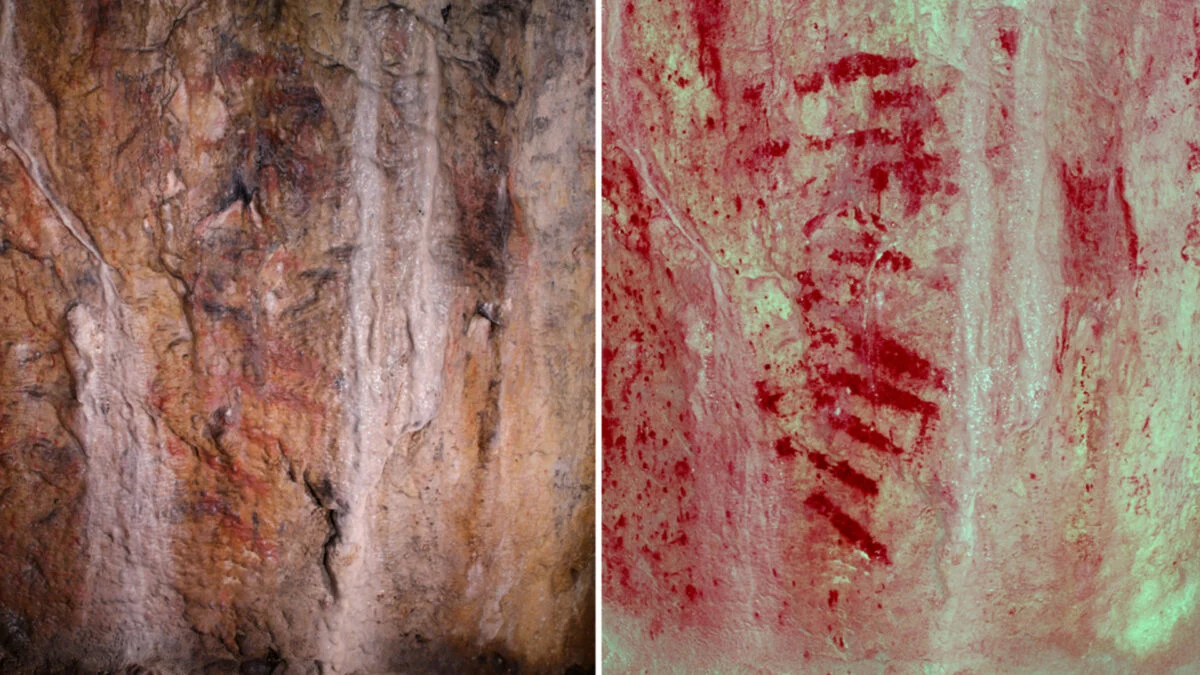
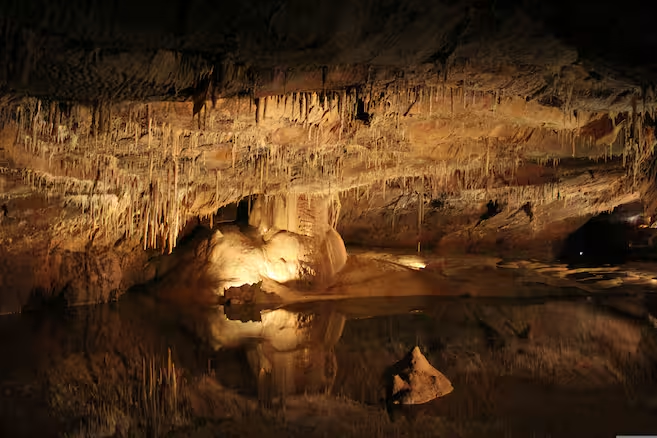
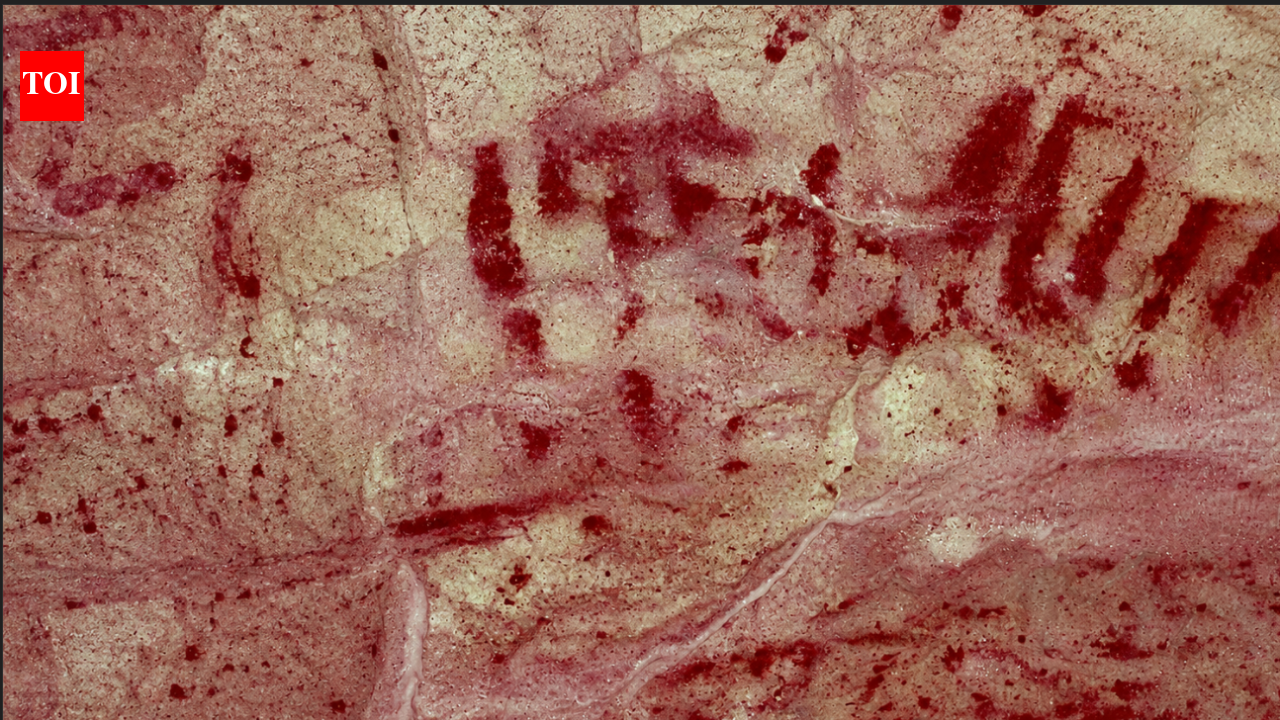
Inside a limestone cave on the Gower Peninsula in south Wales, eleven parallel horizontal lines of red pigment have been sitting on a cave wall for roughly 17,100 years. They were first noticed by scientists in 1912, declared a remarkable example of Palaeolithic cave art, then reclassified as a natural mineral seep sixteen years later, and subsequently forgotten by the academic community for nearly a century.
Confronto fonti
6 prospettive sulla stessa storiaTimeline cronologica
- ·
theguardian.com
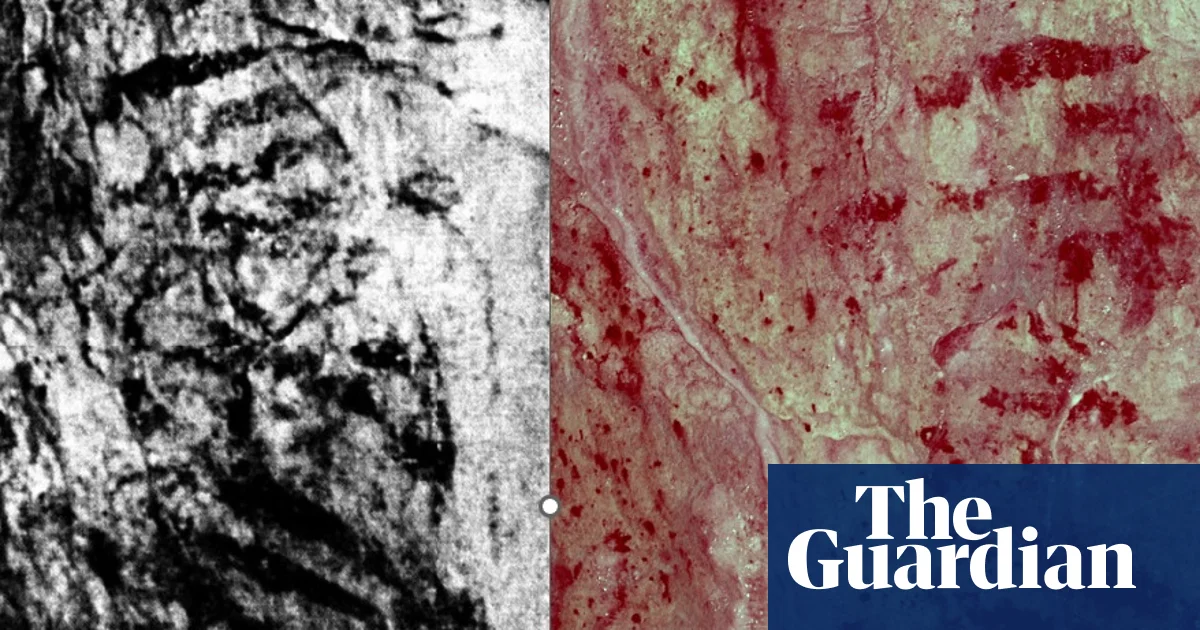
Striped rock dismissed as natural in 1928 reclassified as UK’s oldest cave art
Scientific dating proves streaks on walls of Bacon Hole, near the Mumbles in south Wales, is Palaeolithic rock art
- ·
nbcnews.com
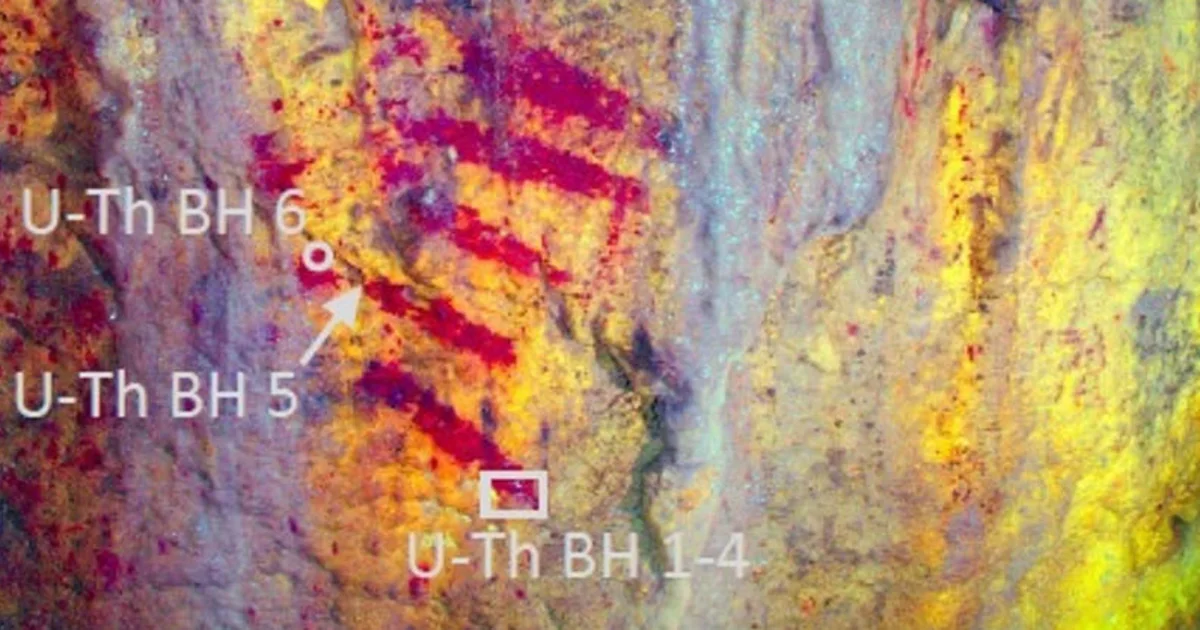
Red stripes declared U.K.’s oldest art after being dismissed as a natural phenomenon
The horizontal lines of red pigment are evenly spaced and arranged in a way that suggests “a deliberate and structured pattern,” according to a study.