HomeAI · summaries
Storia in 4 fonti
Could protracted Hormuz crisis end the era of cheap long-haul air travel?
LONDON: The crisis in the Strait of Hormuz has turned something as mundane as jet fuel into aviation’s biggest strategic vulnerability, sending costs soaring, scrambling flight plans and raising uncomfortable questions about whether the era of cheap, plentiful long-haul travel is over. What began as a limited military strike on Iran has morphed into a global supply shock rippling through airlines’ balance sheets, airport fuel tanks and holidaymakers’ plans from London to Lagos to Lahore. At the heart of the turmoil is a simple geography lesson.
Confronto fonti
4 prospettive sulla stessa storiaTimeline cronologica
- ·
arabnews.com
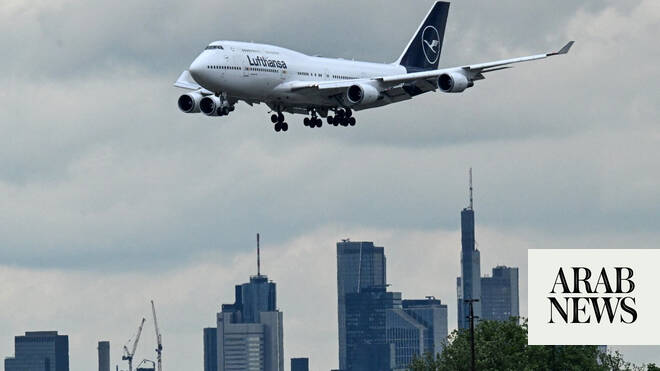
Could protracted Hormuz crisis end the era of cheap long-haul air travel?
LONDON: The crisis in the Strait of Hormuz has turned something as mundane as jet fuel into aviation’s biggest strategic vulnerability, sending costs soaring, scrambling flight…
- ·
arabnews.jp
長引くホルムズ危機は、格安長距離航空券の時代を終わらせるか?
ロンドン:ホルムズ海峡の危機は、ジェット燃料のようなありふれたものを航空業界最大の戦略的弱点に変え、コストを高騰させ、飛行計画を混乱させ、安価で豊富な長距離旅行の時代は終わったのかという不愉快な疑問を投げかけている。イラ・・・