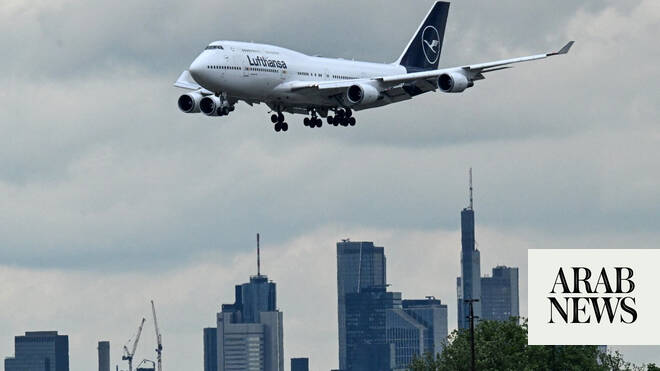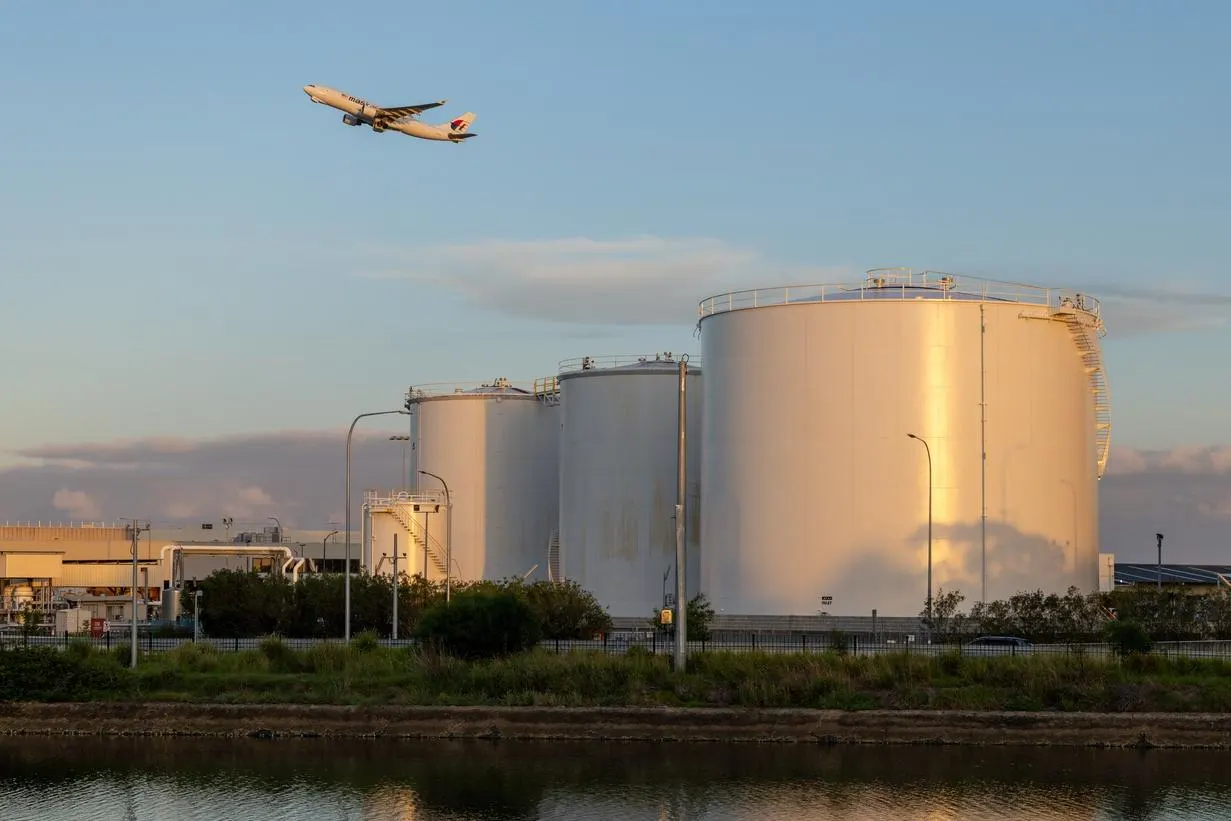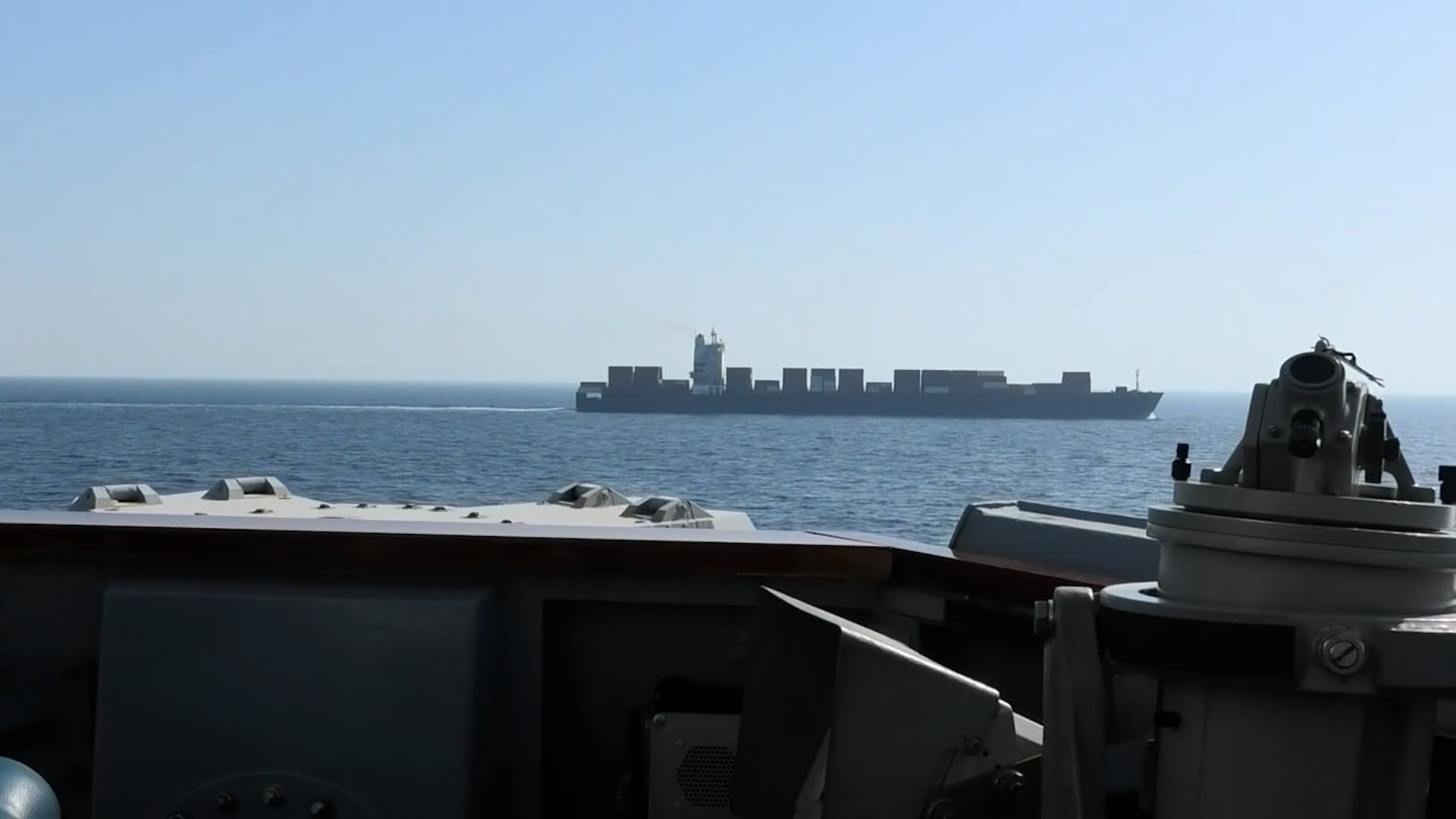
The global aviation sector is standing on the edge of a potentially disastrous summer with no end in sight to the jet fuel supply crisis caused by the near-closure of the Strait of Hormuz. Globalized supply chains that have enabled unbridled growth in air traffic and jet demand over many decades are at risk of getting ripped apart by geopolitical upheaval, both on the ground and in the air. Supply insecurity is expected to remain a feature of the aviation landscape for years to come, even if the US and Iran reach a deal soon on transit through the strait. Despite assurances from airline executives that supply problems are manageable, fuel-procurement managers are sounding the alarm. "Airlines and airports are publicly downplaying shortage risks to protect summer bookings, although pricing pressure and inventory depletion remain significant concerns," said Arun Lawrance, team lead of oil and gas research at Beroe, a procurement intelligence firm. Marie Owens Thomsen, chief economist at the International Air Transport Association (IATA), told the recent IATA Aviation Energy Forum in Paris that the protracted conflict in the Mideast has slashed Europe's jet fuel supplies by 40% and inflated fuel costs by $10-$45 per passenger.
Jet Fuel Market Braces for Potentially Disastrous Summer
With shortages in fuel supply still, at best, months away from a fix, industry watchers warn the situation could substantially worsen as travel season ramps up.
197 words~1 min read