WARPTECHNEWS · LAB
HomeAIBusinessTechArchive
WARPTECH LAB NEWS

Warptech Lab News aggrega le notizie più rilevanti da oltre 700 fonti internazionali, con classificazione AI, TL;DR sintetici e timeline cluster su singole storie.

Navigazione

  • Home
  • Archivio
  • Editor's Brief
  • Cerca
  • Il tuo account
  • Newsletter tech/AI

Informazioni legali

  • Privacy Policy
  • Termini di servizio
  • Cookie Policy

© 2026 Sparktech S.R.L. — Tutti i diritti riservati. Sito gestito e manutenuto da Sparktech S.R.L.

Sede legale: Corso Libertà 55, 13100 Vercelli (VC), Italia · P.IVA / C.F. 02835910023 · Contatti: admin@warptechlab.com

Home
Storia in 5 fonti

Hajj pilgrimage becoming more dangerous due to global heating, report warns

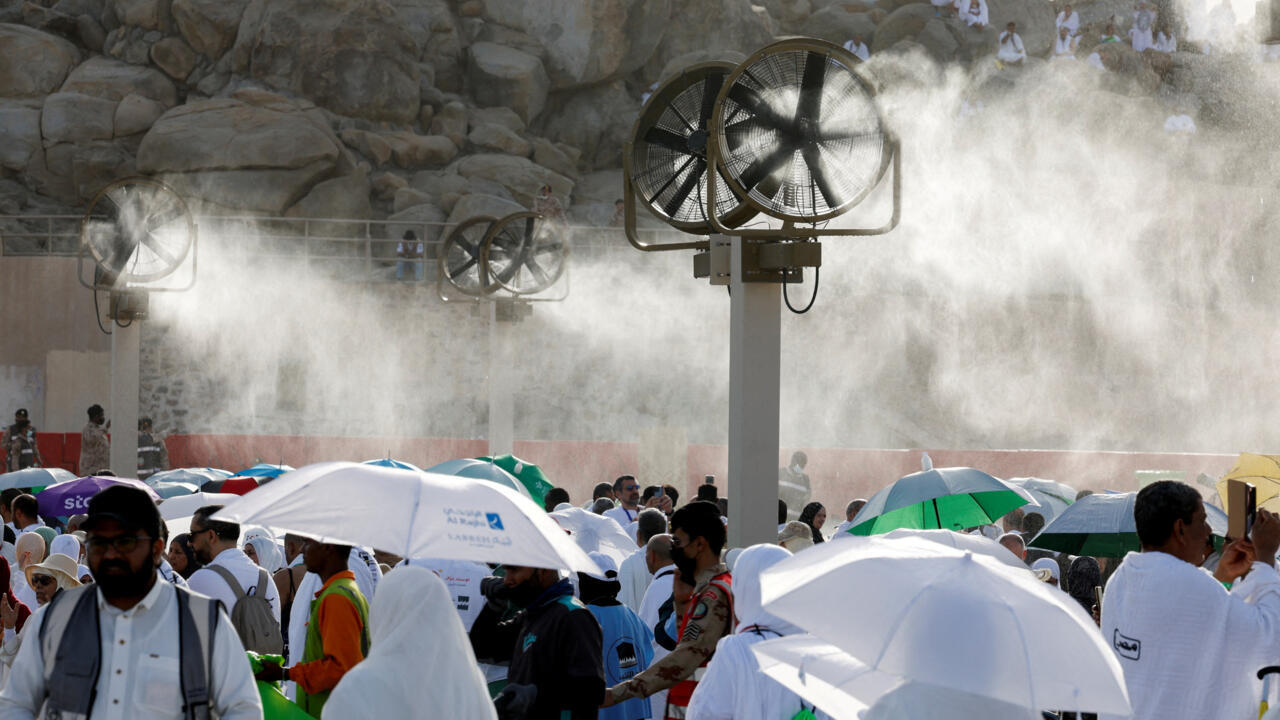
Climate change is gradually narrowing the window in which the annual hajj Muslim pilgrimage can take place safely, according to new research by the World Weather Attribution group published on Friday.

Raccontata daal-monitor.comtheguardian.commalaymail.comrfi.frnews.mongabay.com

Confronto fonti

5 prospettive sulla stessa storia
AI · summaries
rfi.frStai leggendo1 mesi fa

Hajj pilgrimage becoming more dangerous due to global heating, report warns

Climate change is gradually narrowing the window in which the annual hajj Muslim pilgrimage can take place safely, according to new research by the World Weather Attribution group published on Friday.

originale
theguardian.com1 mesi fa

Global heating is making hajj ever more dangerous, report finds

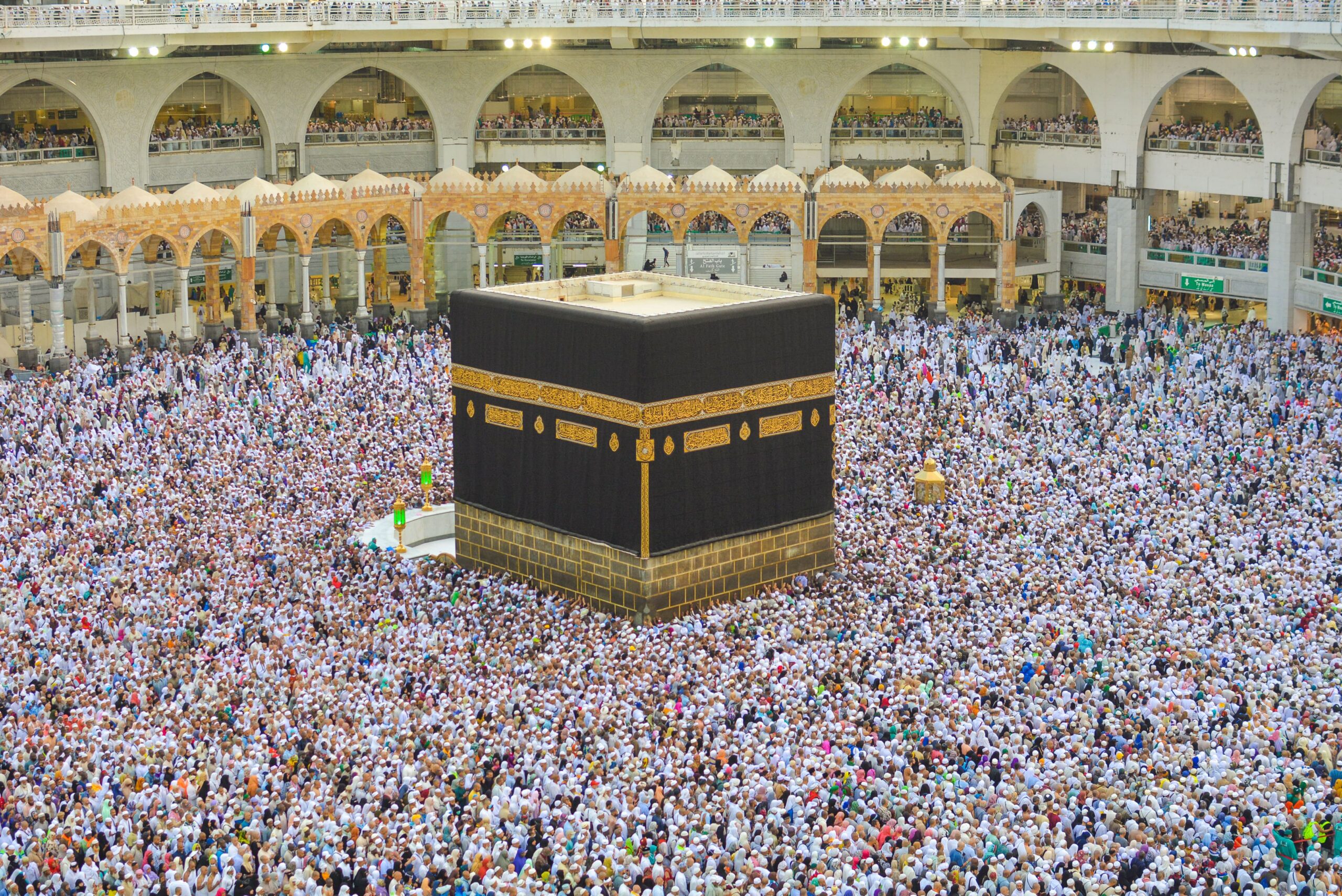
Rising heat in Saudi Arabia threatens millions of Muslim pilgrims – but cutting fossil fuels would keep it safer

Leggi questa versione → originale
news.mongabay.com1 mesi fa

Intense heat during Mecca's spring threatens millions of Hajj pilgrims

Millions of Muslims gathered for the Hajj pilgrimage in Mecca are at risk of heat exhaustion and heat stroke due to human-induced climate change.

Leggi questa versione → originale
malaymail.com1 mesi fa

Climate change is shrinking the safe window for Haj, study warns

A World Weather Attribution study finds that May temperatures in Mecca are now 3.5°C above pre-industrial levels, compressing the climatically safe window for the annual Haj pilgrimage. The 2024 event saw 1,300+ deaths above 50°C; as extreme heat extends into historically cooler months, organizers face a narrowing planning horizon that will require sustained large-scale infrastructure investment regardless of calendar shifts.

Leggi questa versione → originale
al-monitor.com1 mesi fa

Between heat and war, Saudi Arabia seeks incident-free Hajj

Mecca's temperature reached a high of 105 degrees Fahrenheit (40.5 degrees Celsius) on Tuesday and is expected to hit 108 degrees Fahrenheit (42 Celsius) on Wednesday.

Leggi questa versione → originale

Timeline cronologica

  1. martedì 26 maggio 2026·al-monitor.com

    Between heat and war, Saudi Arabia seeks incident-free Hajj

    Mecca's temperature reached a high of 105 degrees Fahrenheit (40.5 degrees Celsius) on Tuesday and is expected to hit 108 degrees Fahrenheit (42 Celsius) on Wednesday.

  2. venerdì 29 maggio 2026·theguardian.com

    Global heating is making hajj ever more dangerous, report finds

    Rising heat in Saudi Arabia threatens millions of Muslim pilgrims – but cutting fossil fuels would keep it safer
  3. venerdì 29 maggio 2026·malaymail.com

    Climate change is shrinking the safe window for Haj, study warns

    MECCA, May 29 — Climate change is gradually shrinking the times of year when the annual Muslim Haj pilgrimage can take place in safe weather conditions, according to a new study...

  4. venerdì 29 maggio 2026·rfi.fr

    Hajj pilgrimage becoming more dangerous due to global heating, report warns

    Climate change is gradually narrowing the window in which the annual hajj Muslim pilgrimage can take place safely, according to new research by the World Weather Attribution group…

  5. lunedì 1 giugno 2026·news.mongabay.com

    Intense heat during Mecca's spring threatens millions of Hajj pilgrims

    Millions of Muslims gathered for the Hajj pilgrimage in Mecca are at risk of heat exhaustion and heat stroke due to human-induced climate change.