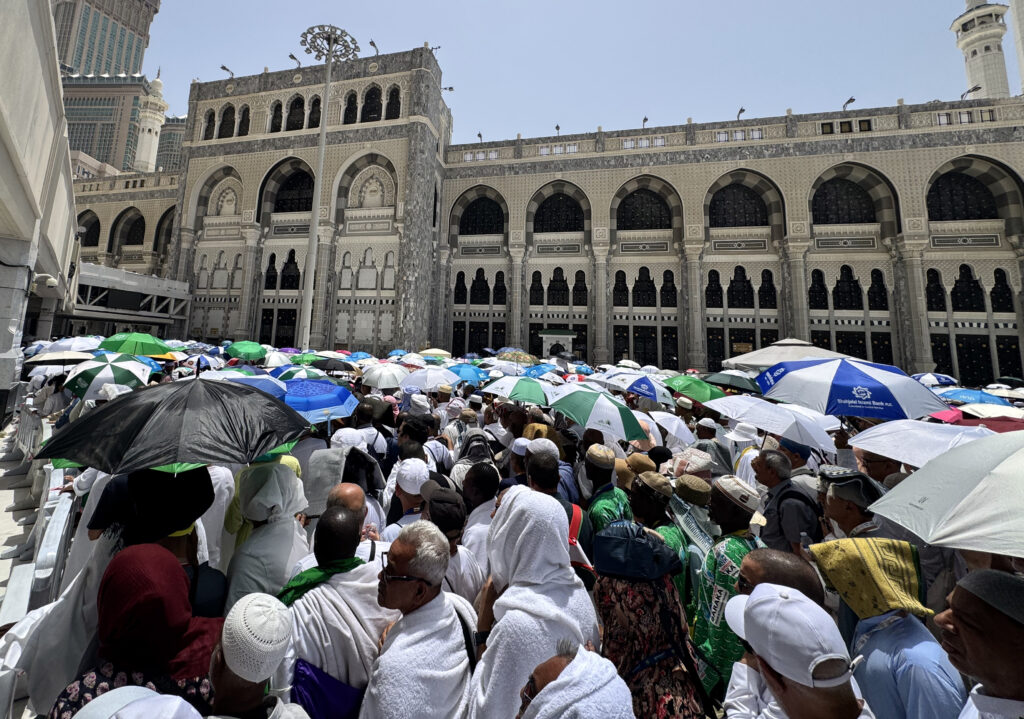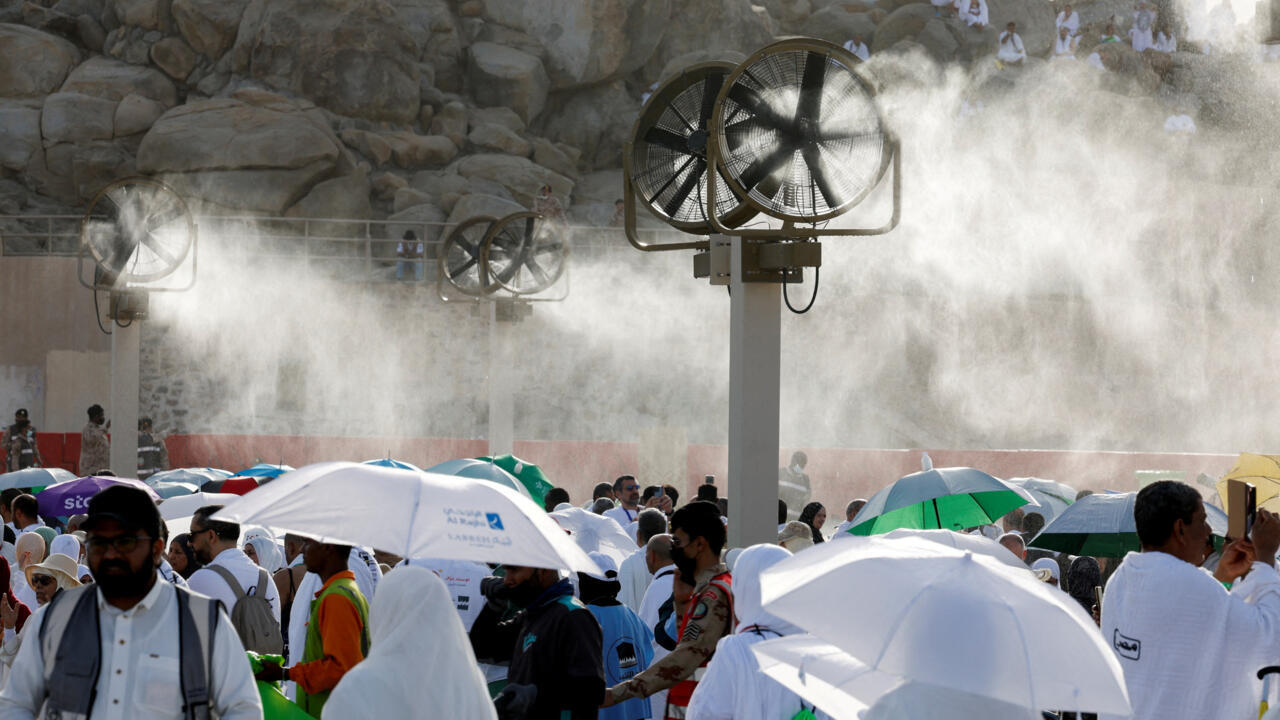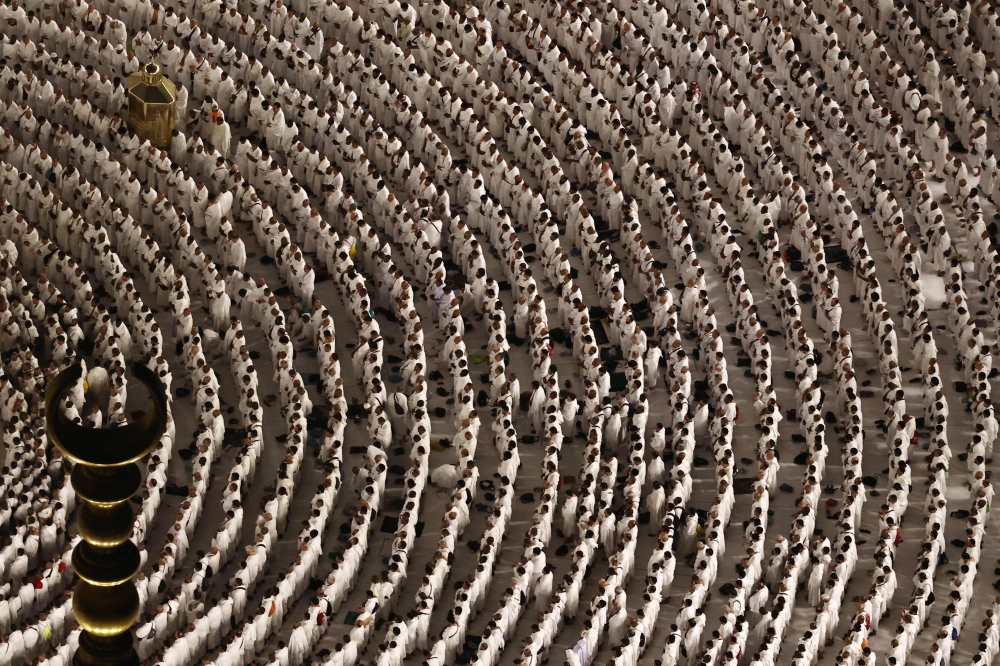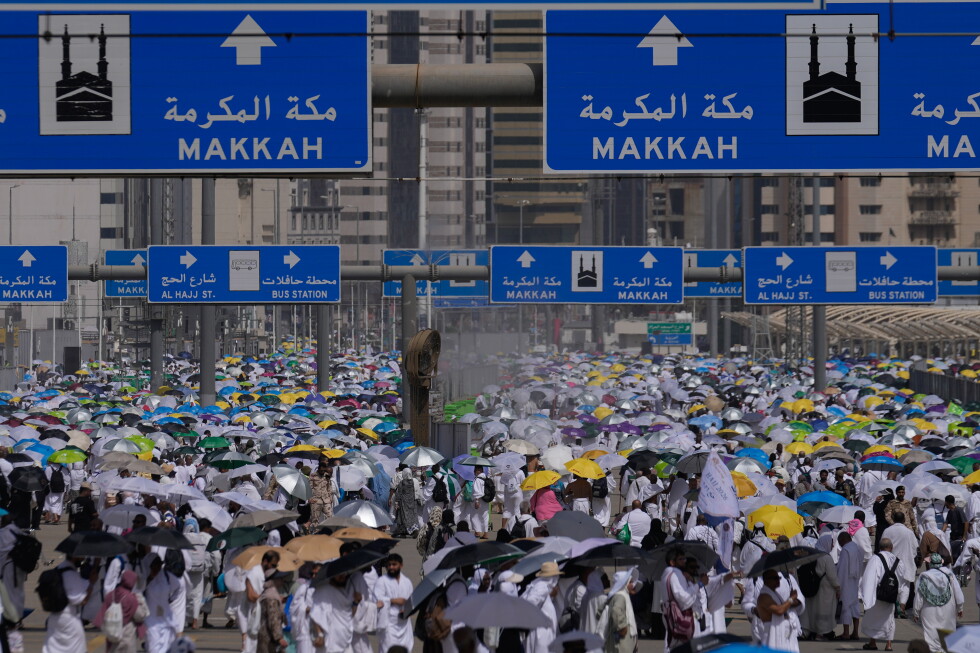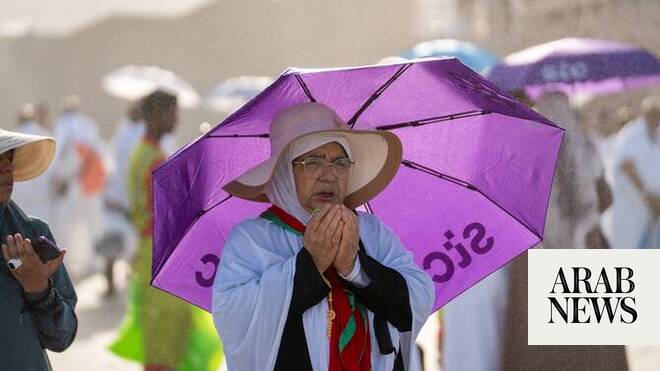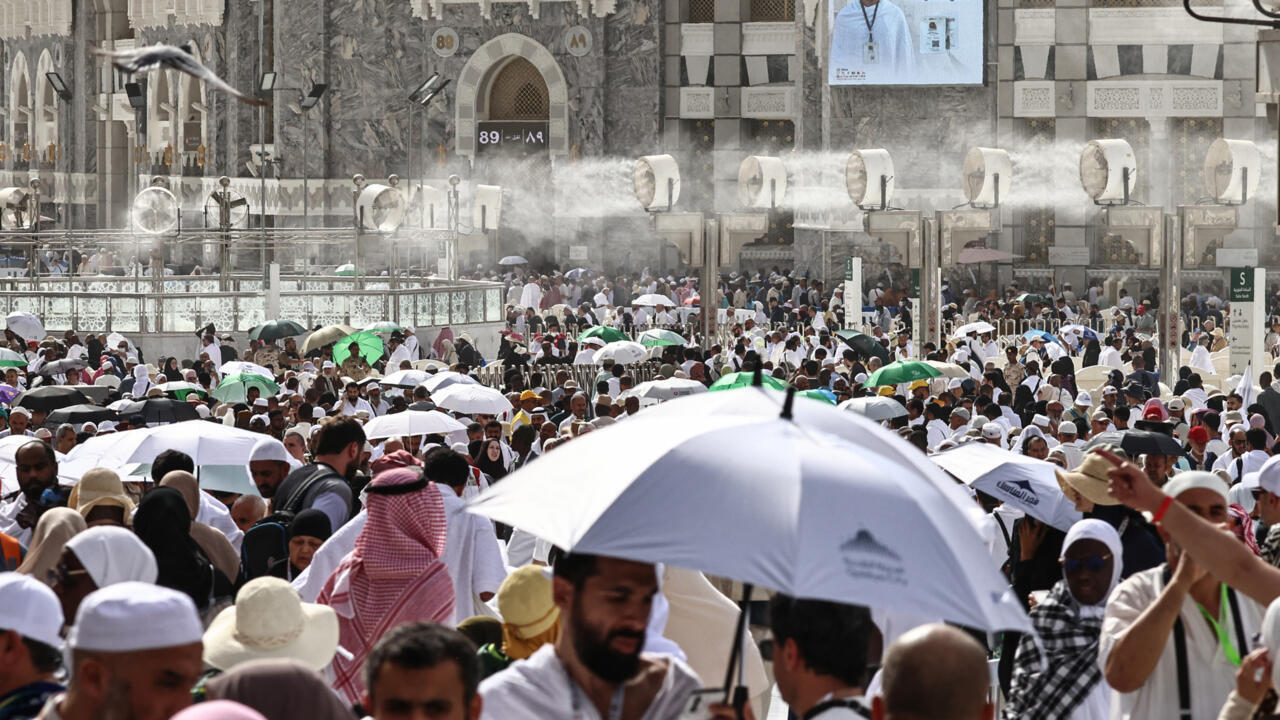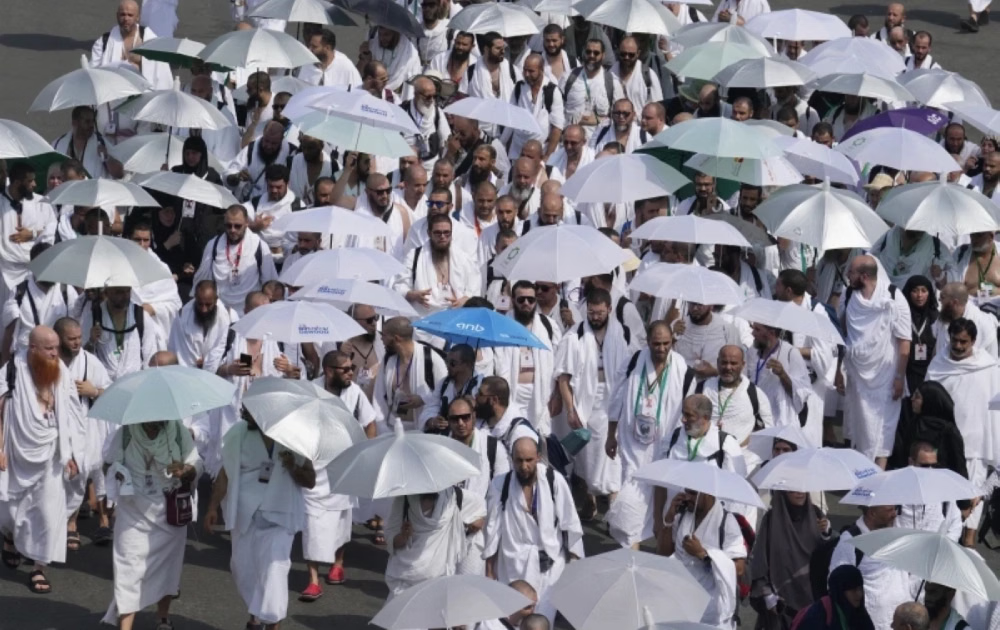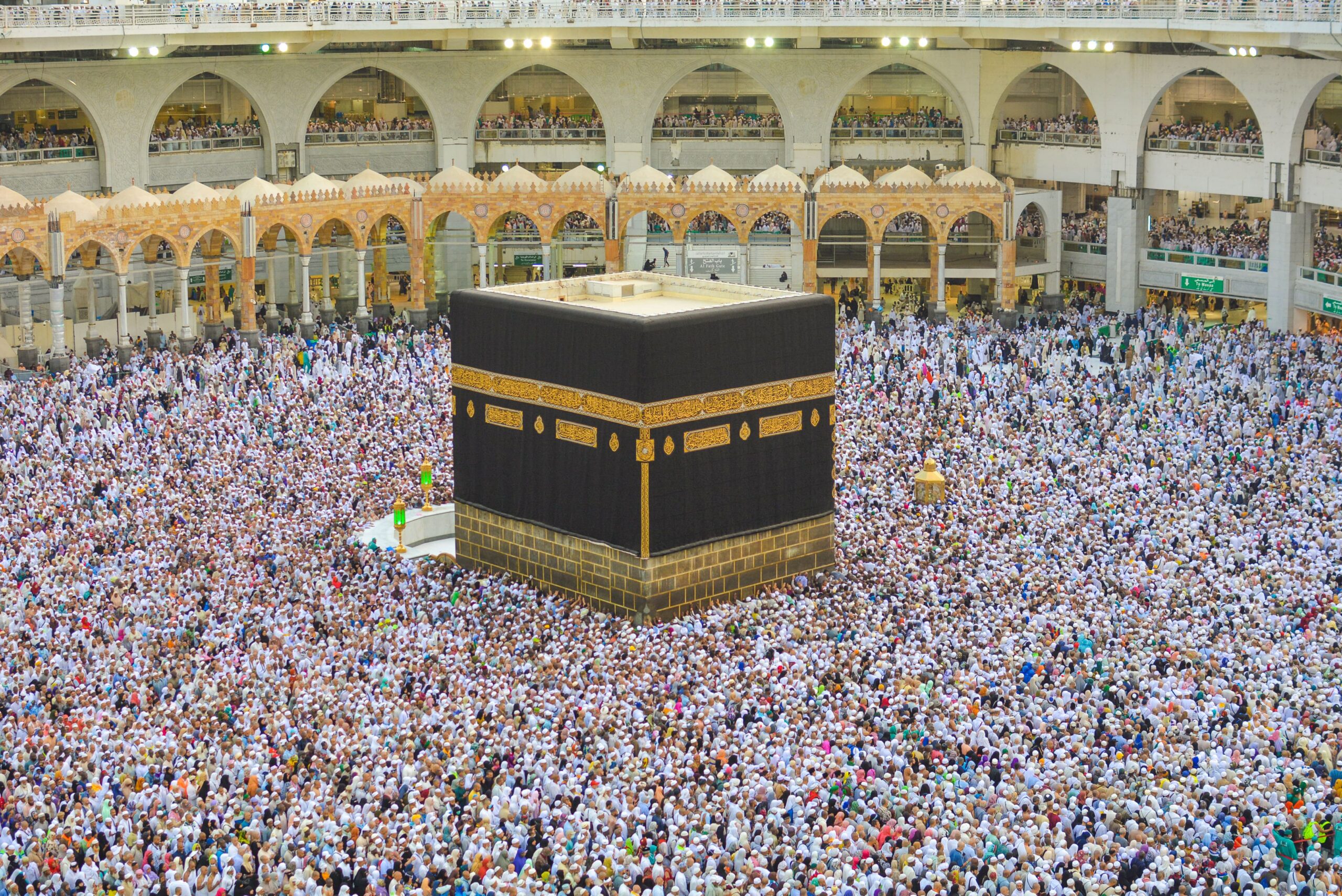
As millions of Muslims gather for the Hajj pilgrimage in Mecca, Saudi Arabia, a new scientific analysis warned the “safe window” for the event is shrinking, with increased risk of heat exhaustion and heat stroke due to human-induced climate change.
The report was released by the World Weather Attribution (WWA), an initiative that analyses the role of climate change in extreme weather events.
The Hajj follows the Islamic lunar calendar, which is 10-15 days shorter than the more commonly used solar Gregorian calendar. This means dates of the Hajj shift earlier each year.
Historically, the month of May in Saudi Arabia had milder temperatures compared to the summer months of June to September. Researchers from the WWA found May temperatures in Mecca now mirror the intense summer heat typical of the 1980s.
Climate change has led to average May temperatures in Mecca surging by roughly 3.5°Celsius (6.3°Fahrenheit) compared to a pre-industrial climate, before the accelerated release of human-triggered greenhouse gases. Peak temperatures for May are now about 2°C (3.6°F ) hotter.