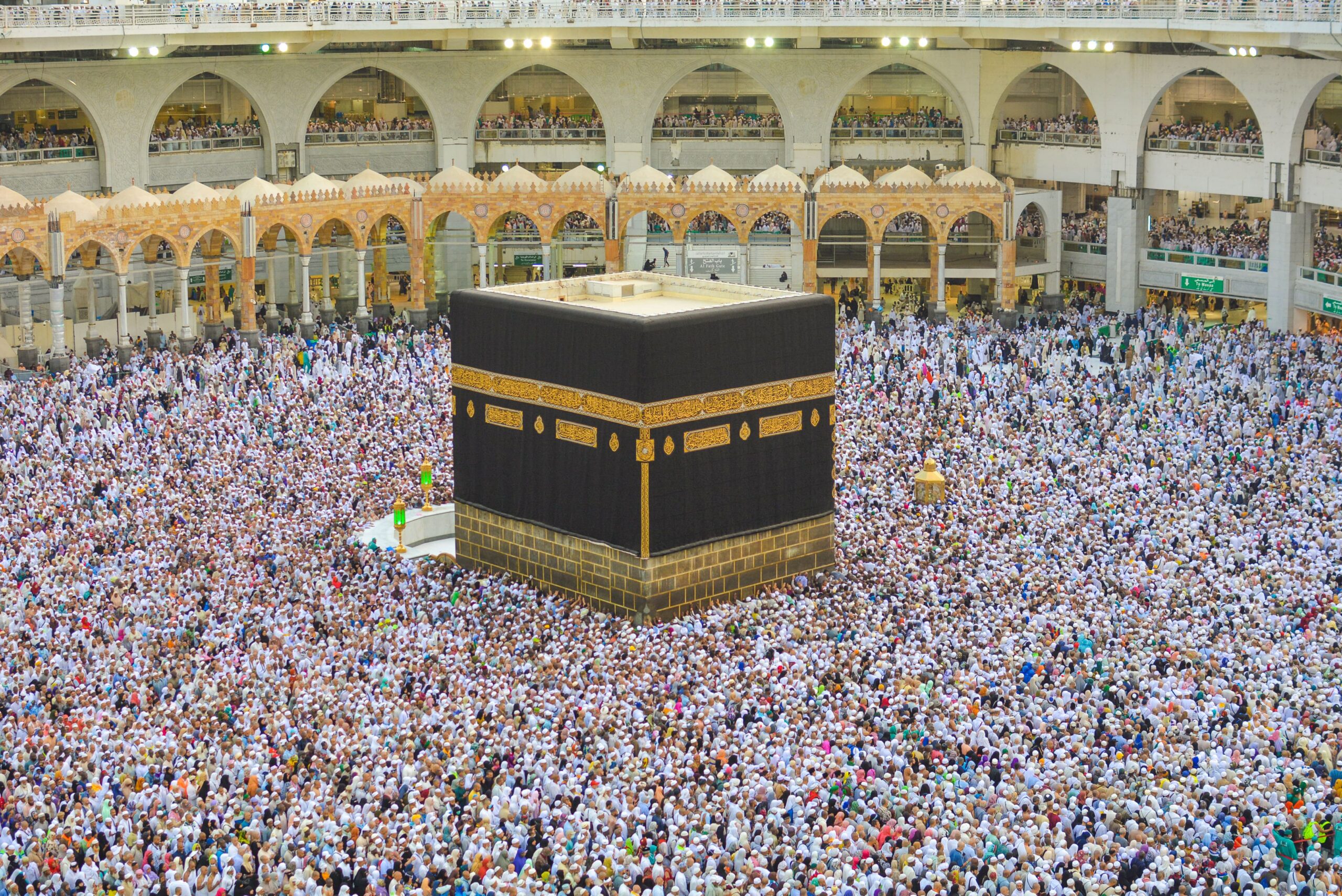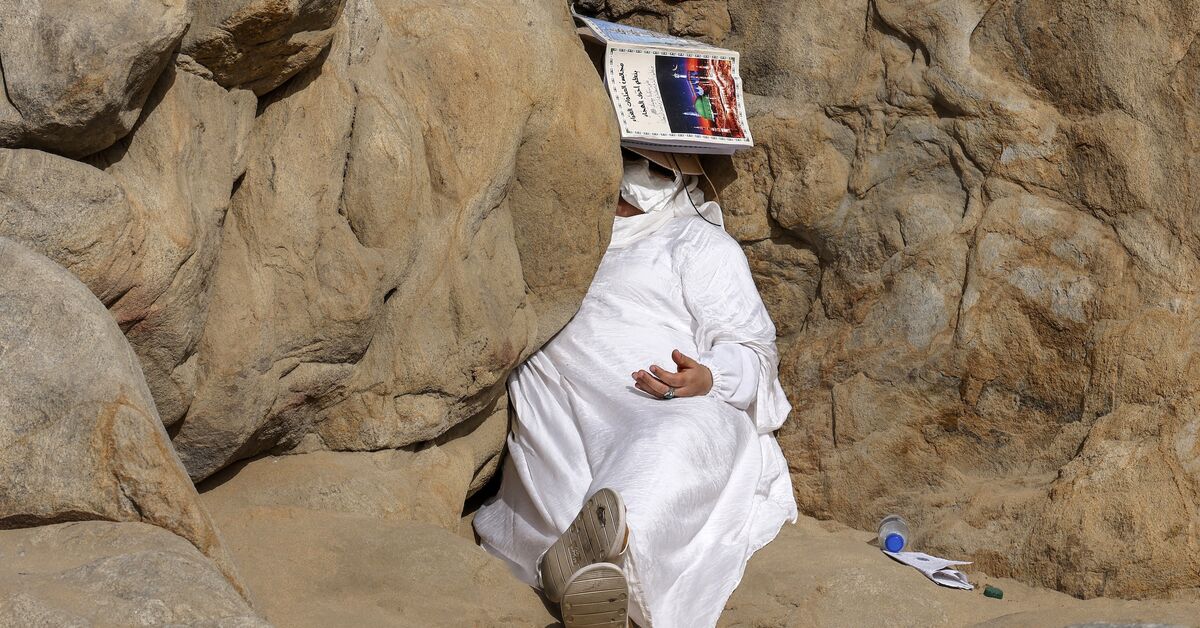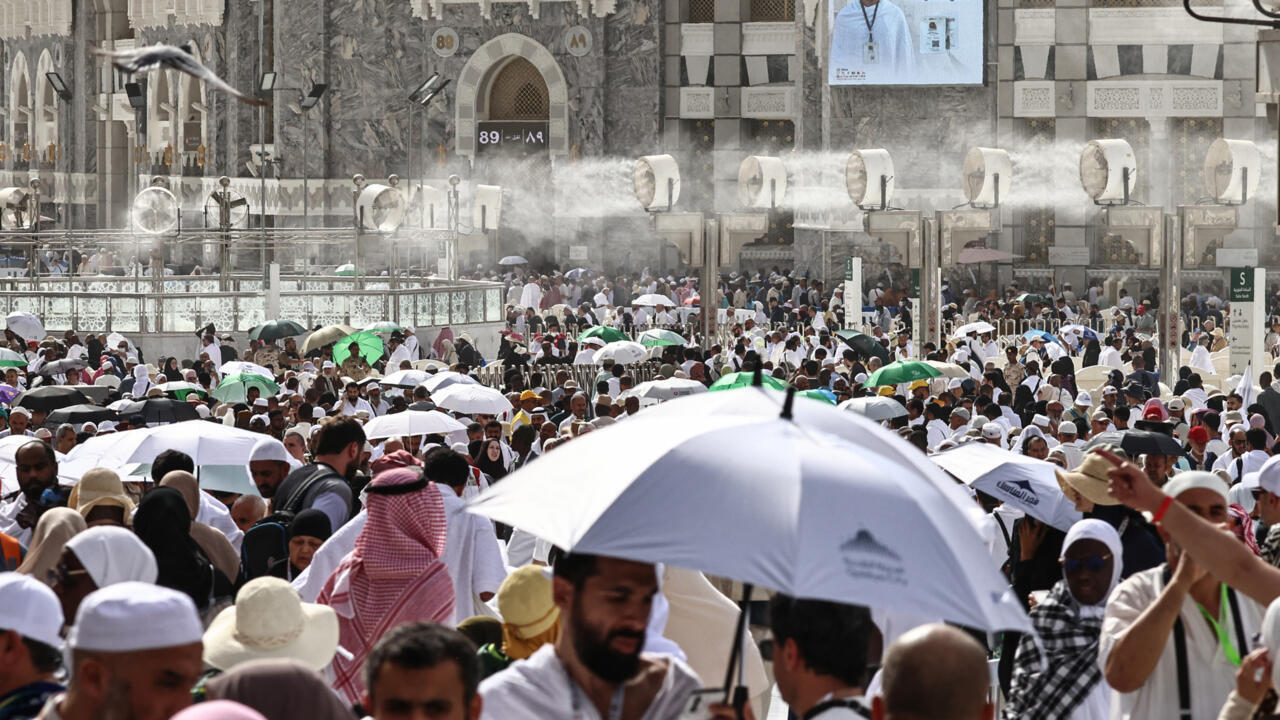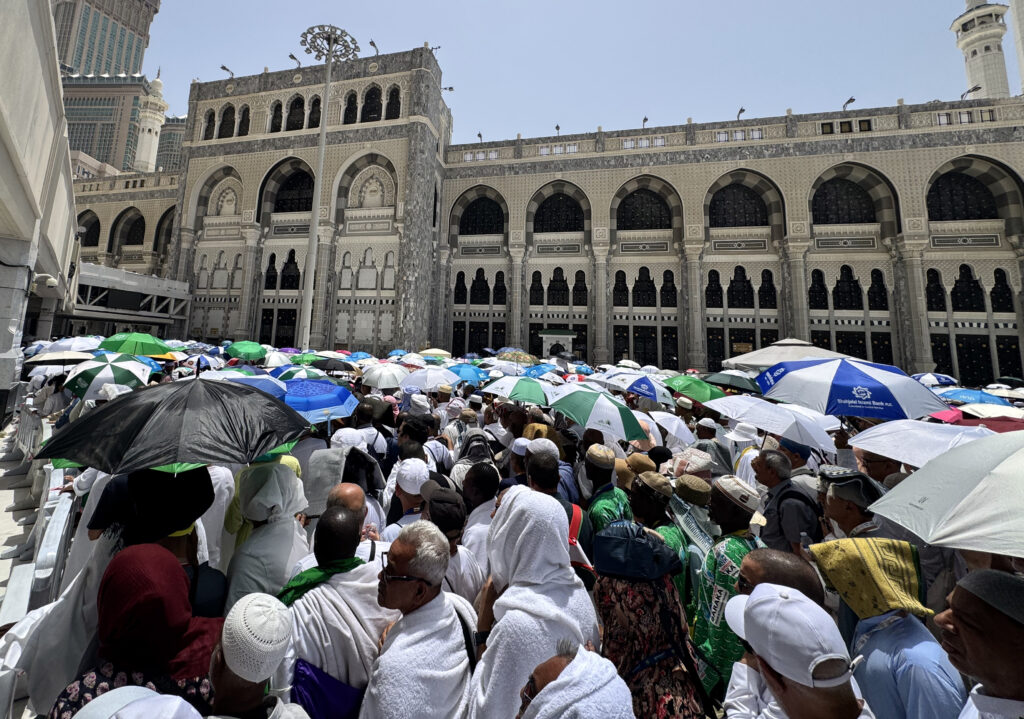
More than 1.7 million people participated last week in the annual Islamic pilgrimage to Mecca in Saudi Arabia—consistently one of the world’s largest mass gatherings.
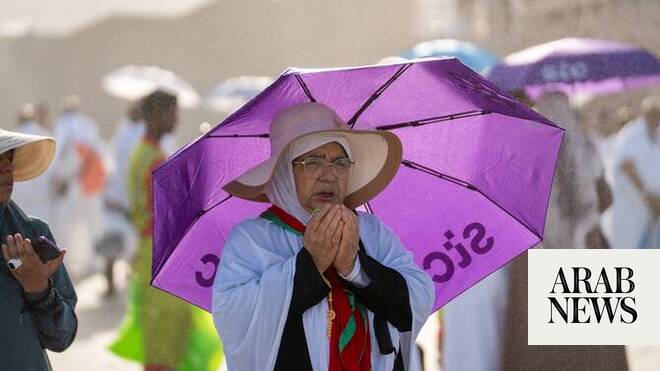
Muslims are expected to perform Hajj at least once in their lives, but an increasingly perilous threat looms over the holy journey: heat.
When Hajj took place in mid-June during 2024, more than 1,300 people died, many succumbing to heat-related illnesses as temperatures topped 125 degrees Fahrenheit and humidity hit unusually high levels. The pilgrimage’s timing changes each year based on the Islamic lunar calendar, so this year—and the next roughly two decades—fall in cooler seasons, a slight relief for pilgrims and officials helping manage the trek.
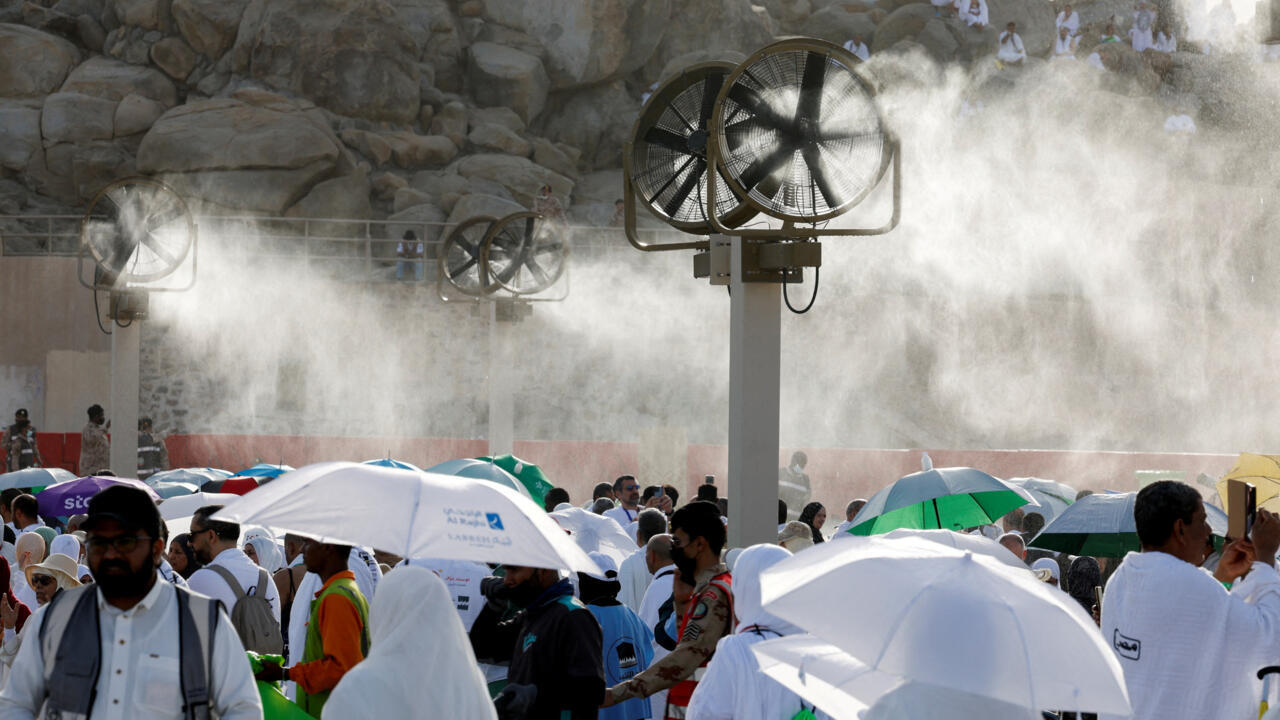
However, a new analysis suggests that the window for heat-safe Hajj pilgrimages is dwindling as climate change ratchets up the temperature during historically cooler months. Research shows that the region’s growing suite of heat-mitigation strategies for the pilgrimage significantly reduces health issues. But experts say worsening heat may outpace these efforts and the key to tackling this issue is addressing the source of the problem—carbon emissions.
A Sizzling Holy Journey