WARPTECHNEWS · LAB
HomeAIBusinessTechArchive
WARPTECH LAB NEWS

Warptech Lab News aggrega le notizie più rilevanti da oltre 700 fonti internazionali, con classificazione AI, TL;DR sintetici e timeline cluster su singole storie.

Navigazione

  • Home
  • Archivio
  • Editor's Brief
  • Cerca
  • Il tuo account
  • Newsletter tech/AI

Informazioni legali

  • Privacy Policy
  • Termini di servizio
  • Cookie Policy

© 2026 Sparktech S.R.L. — Tutti i diritti riservati. Sito gestito e manutenuto da Sparktech S.R.L.

Sede legale: Corso Libertà 55, 13100 Vercelli (VC), Italia · P.IVA / C.F. 02835910023 · Contatti: admin@warptechlab.com

Home
Storia in 6 fonti

Hormuz crisis pushes global oil market toward ‘red zone’

IEA warns Hormuz Strait crisis could push global oil markets into a ‘red zone’, draining emergency reserves and driving up fuel prices worldwide.

Raccontata dacnbc.comchannelnewsasia.comtheguardian.comindependent.co.uknewsbytesapp.comgulfnews.com

Confronto fonti

6 prospettive sulla stessa storia
AI · summaries
gulfnews.comStai leggendo1 mesi fa

Hormuz crisis pushes global oil market toward ‘red zone’

IEA warns Hormuz Strait crisis could push global oil markets into a ‘red zone’, draining emergency reserves and driving up fuel prices worldwide.

originale

Timeline cronologica

  1. giovedì 21 maggio 2026·cnbc.com

    Oil market could enter ‘red zone’ by July as stocks dwindle ahead of summer travel season, IEA chief says

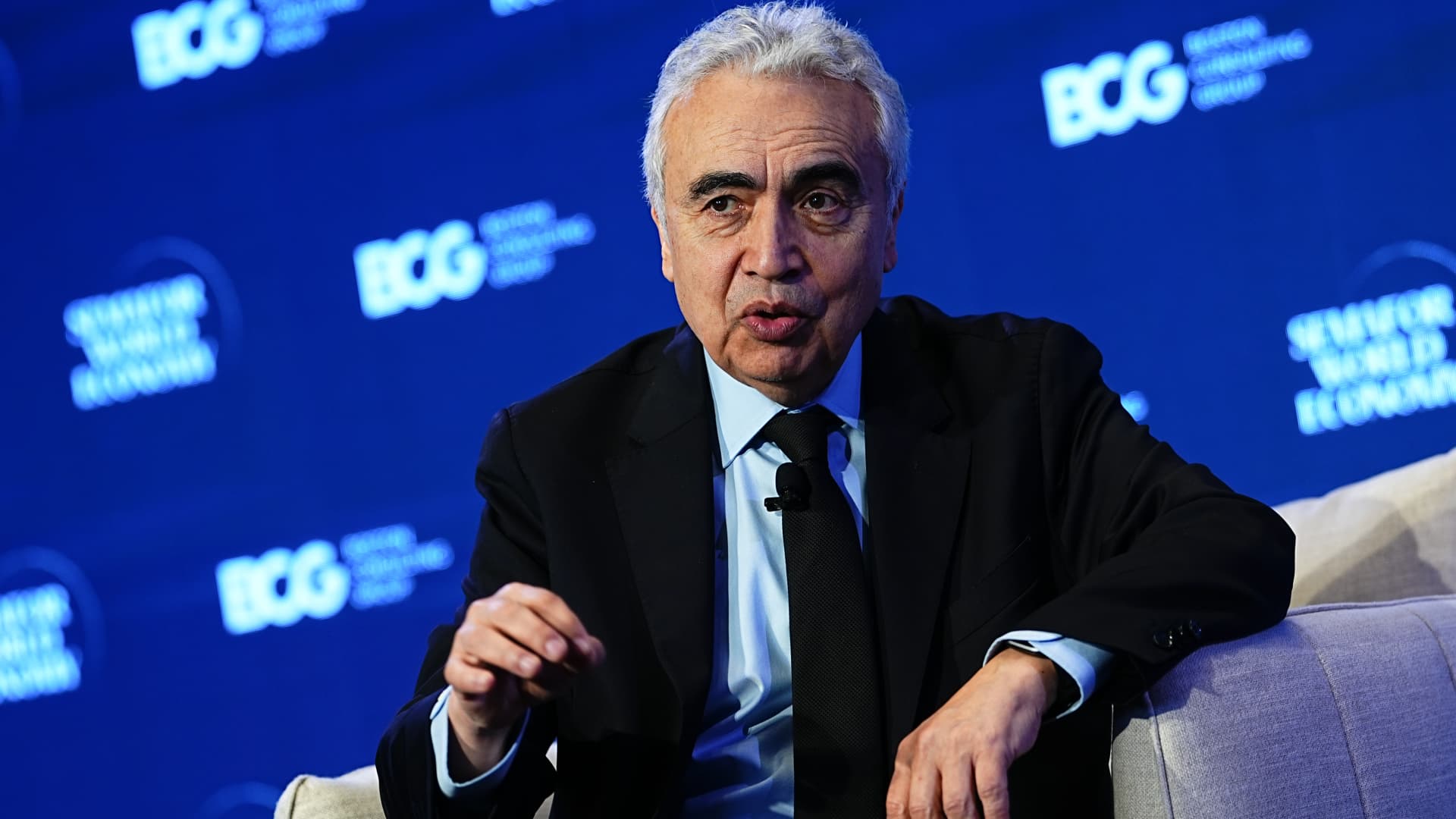
    IEA Executive Director Fatih Birol said the single most important solution to the Iran war energy shock is the unconditional reopening of the Strait of Hormuz.

  2. giovedì 21 maggio 2026·channelnewsasia.com

    Oil market risks 'red zone' by summer, IEA chief warns

    While a surplus of oil in the market before the war has helped absorb the energy shock it caused, "stocks are eroding", said Fatih Birol.


theguardian.com
1 mesi fa

Oil markets nearing ‘red zone’ as Iran crisis continues, warns IEA chief

Surging demand, low reserves and reduced Middle East exports predicted to cause global crunch by August

Leggi questa versione → originale
newsbytesapp.com1 mesi fa

Hormuz closure could push oil markets into 'red zone': IEA

The closure of the Strait of Hormuz since March 4, 2026, has disrupted global oil flows, with IEA chief Fatih Birol warning of worsening market conditions.

Leggi questa versione → originale
cnbc.com1 mesi fa

Oil market could enter ‘red zone’ by July as stocks dwindle ahead of summer travel season, IEA chief says

IEA Executive Director Fatih Birol said the single most important solution to the Iran war energy shock is the unconditional reopening of the Strait of Hormuz.

Leggi questa versione → originale
channelnewsasia.com1 mesi fa

Oil market risks 'red zone' by summer, IEA chief warns

While a surplus of oil in the market before the war has helped absorb the energy shock it caused, "stocks are eroding", said Fatih Birol.
Leggi questa versione → originale
independent.co.uk1 mesi fa

Warning summer holidays are under threat with oil markets nearing ‘red zone’

We are facing the largest energy shock in living memory, the energy boss warned

Leggi questa versione → originale
  • giovedì 21 maggio 2026·theguardian.com

    Oil markets nearing ‘red zone’ as Iran crisis continues, warns IEA chief

    Surging demand, low reserves and reduced Middle East exports predicted to cause global crunch by August

  • venerdì 22 maggio 2026·independent.co.uk

    Warning summer holidays are under threat with oil markets nearing ‘red zone’

    We are facing the largest energy shock in living memory, the energy boss warned

  • venerdì 22 maggio 2026·newsbytesapp.com

    Hormuz closure could push oil markets into 'red zone': IEA

    The closure of the Strait of Hormuz since March 4, 2026, has disrupted global oil flows, with IEA chief Fatih Birol warning of worsening market conditions.

  • sabato 23 maggio 2026·gulfnews.com

    Hormuz crisis pushes global oil market toward ‘red zone’

    IEA warns Hormuz Strait crisis could push global oil markets into a ‘red zone’, draining emergency reserves and driving up fuel prices worldwide.