WARPTECHNEWS · LAB
HomeAIBusinessTechArchive
WARPTECH LAB NEWS

Warptech Lab News aggrega le notizie più rilevanti da oltre 700 fonti internazionali, con classificazione AI, TL;DR sintetici e timeline cluster su singole storie.

Navigazione

  • Home
  • Archivio
  • Editor's Brief
  • Cerca
  • Il tuo account
  • Newsletter tech/AI

Informazioni legali

  • Privacy Policy
  • Termini di servizio
  • Cookie Policy

© 2026 Sparktech S.R.L. — Tutti i diritti riservati. Sito gestito e manutenuto da Sparktech S.R.L.

Sede legale: Corso Libertà 55, 13100 Vercelli (VC), Italia · P.IVA / C.F. 02835910023 · Contatti: admin@warptechlab.com

Home
Storia in 2 fonti

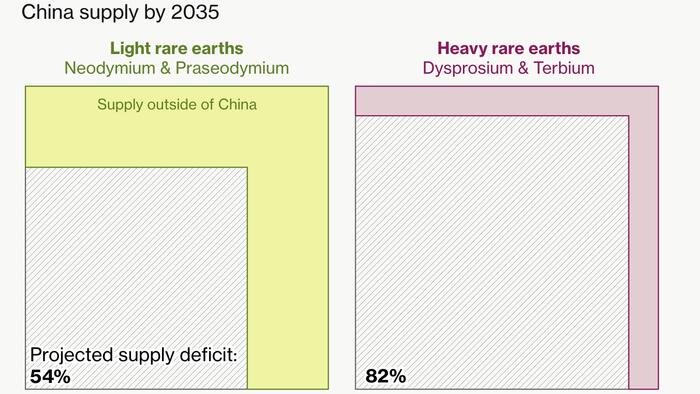
The US Is Still A Decade Away From Breaking China’s Rare Earth Hold

...analysts say China is likely to retain its dominance over heavy rare earths—particularly dysprosium and terbium—until at least the mid-2030s

Raccontata dacryptobriefing.comzerohedge.com

Confronto fonti

2 prospettive sulla stessa storia
AI · summaries
zerohedge.comStai leggendo1 mesi fa

The US Is Still A Decade Away From Breaking China’s Rare Earth Hold

...analysts say China is likely to retain its dominance over heavy rare earths—particularly dysprosium and terbium—until at least the mid-2030s

originale
cryptobriefing.com1 mesi fa

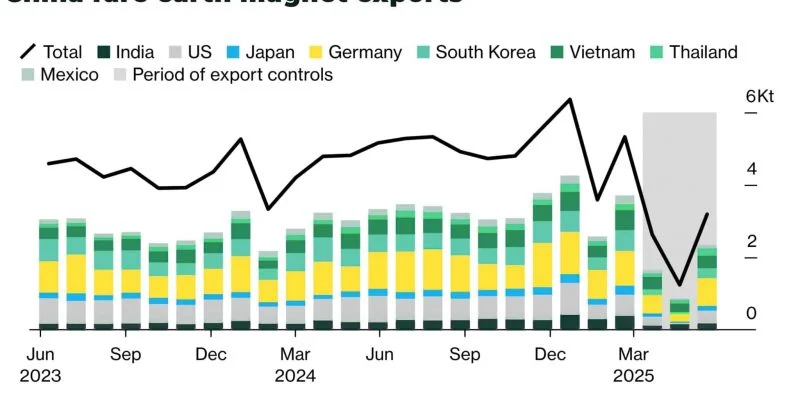
White House secures rare earth win, but China's export regime persists

The White House secured a one-year pause on China's rare earth export controls, but Beijing's broader leverage over critical minerals remains firmly intact.

Leggi questa versione → originale

Timeline cronologica

  1. lunedì 18 maggio 2026·cryptobriefing.com

    White House secures rare earth win, but China's export regime persists

    The White House secured a one-year pause on China's rare earth export controls, but Beijing's broader leverage over critical minerals remains firmly intact.

  2. giovedì 21 maggio 2026·zerohedge.com

    The US Is Still A Decade Away From Breaking China’s Rare Earth Hold

    ...analysts say China is likely to retain its dominance over heavy rare earths—particularly dysprosium and terbium—until at least the mid-2030s