HomeAI · summaries
Storia in 6 fonti
Electric car sales race ahead in SE Asia and Latin America amid oil supply crisis
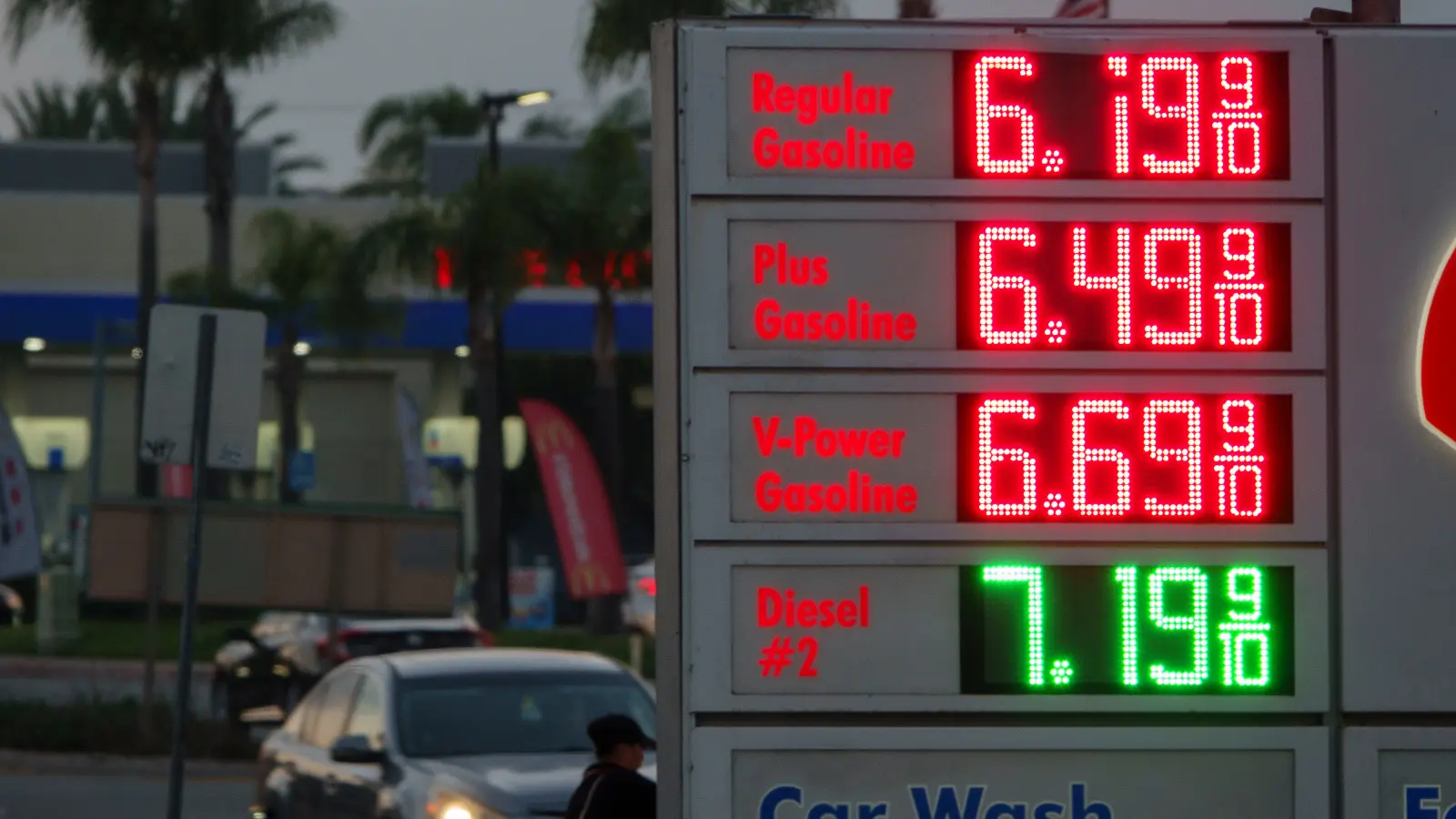
The energy crisis caused by the Iran war is making the economics of electric cars more attractive, the International Energy Agency says
Confronto fonti
6 prospettive sulla stessa storiaTimeline cronologica
- ·
iea.org
Close to 30% of cars sold this year are set to be electric as countries and consumers respond to energy crisis - News - IEA
Close to 30% of cars sold this year are set to be electric as countries and consumers respond to energy crisis - News from the International Energy Agency
- ·
oilprice.com
Europe’s EV Sales Surge as Oil Shock Hits Drivers | OilPrice.com
European EV sales are accelerating as Middle East oil disruptions push fuel prices higher and make electric cars more attractive.