Home
Storia in 1 fonti
Empathetic Leadership Can Make or Break AI Adoption
Research shows a wide gap between how executives perceive AI adoption and how employees actually experience it—most workers feel anxious and far less enthusiastic than their bosses assume. Without psychological safety, employees are less likely to experiment with new tools, more likely to produce shallow AI-generated work, and in some cases actively sabotage company AI initiatives. Empathetic leadership directly addresses these problems: employees with caring managers are significantly more likely to innovate and embrace new technologies. Leaders should involve employees in shaping AI strategies rather than simply announcing them, invest in training frontline managers, and look for ways to use AI to deepen human connection rather than replace it.
Raccontata da hbr.org
Timeline cronologica
- ·
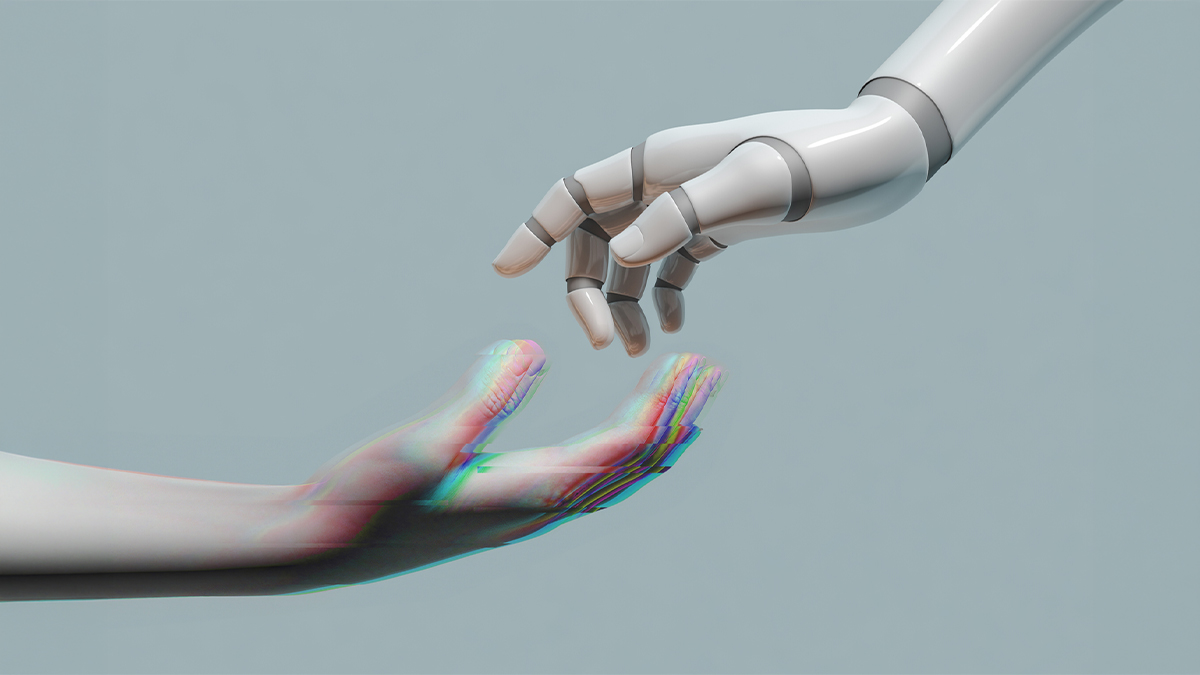
Empathetic Leadership Can Make or Break AI Adoption
Research shows a wide gap between how executives perceive AI adoption and how employees actually experience it—most workers feel anxious and far less enthusiastic than their…
- ·

Employees Are Relying on AI for Personal Support. That’s Risky.
Employees are increasingly turning to AI for career advice, emotional support, and even friendship. However, researchers Constance Noonan Hadley of the Institute for Life at Work…