Iran war, tariff setbacks and sliding US poll numbers reshape the balance going into next week’s high-stakes talks.

Thanks to the Iran war, big issues for U.S. businesses like rare earths and supply chains may take a back seat on the agenda for the Trump-Xi summit.

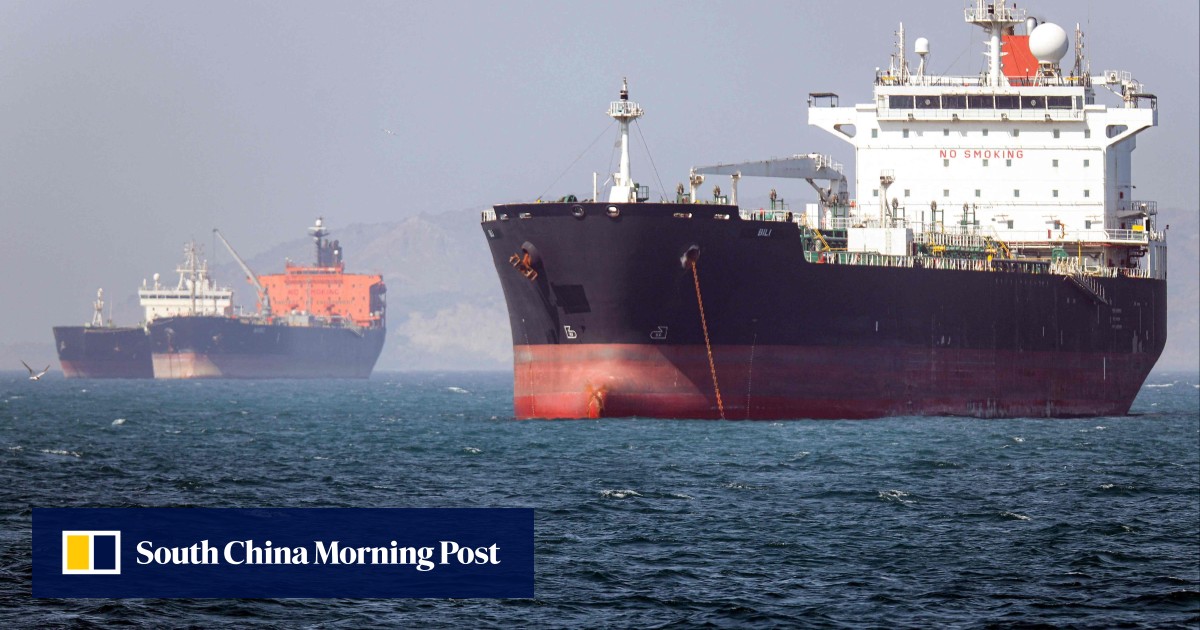
Both China and the US stand to gain from reopening the Strait of Hormuz, but they view the crisis through different lenses.
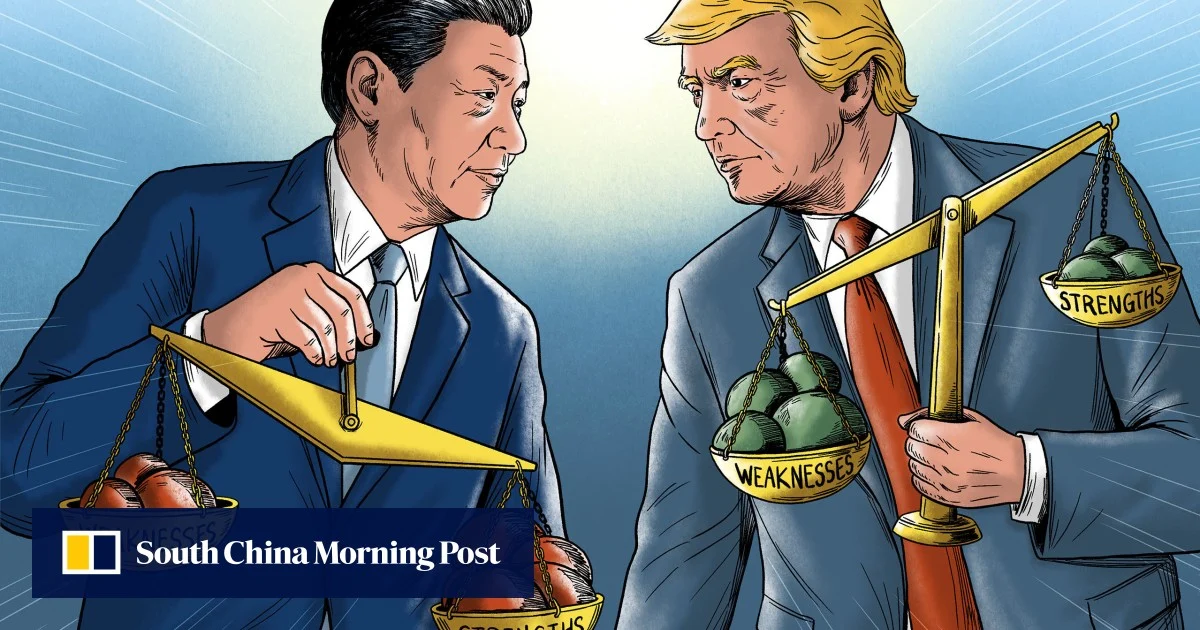
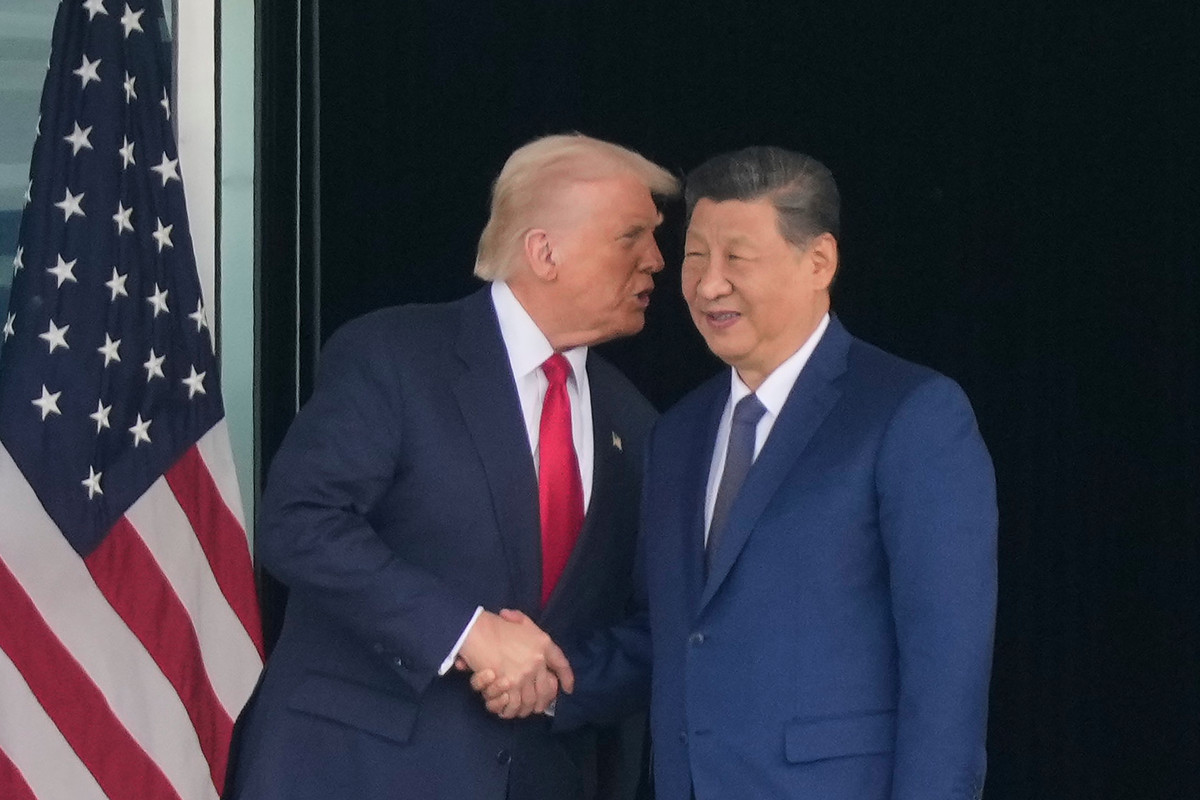
Iran war, tariff setbacks and sliding US poll numbers reshape the balance going into next week’s high-stakes talks.

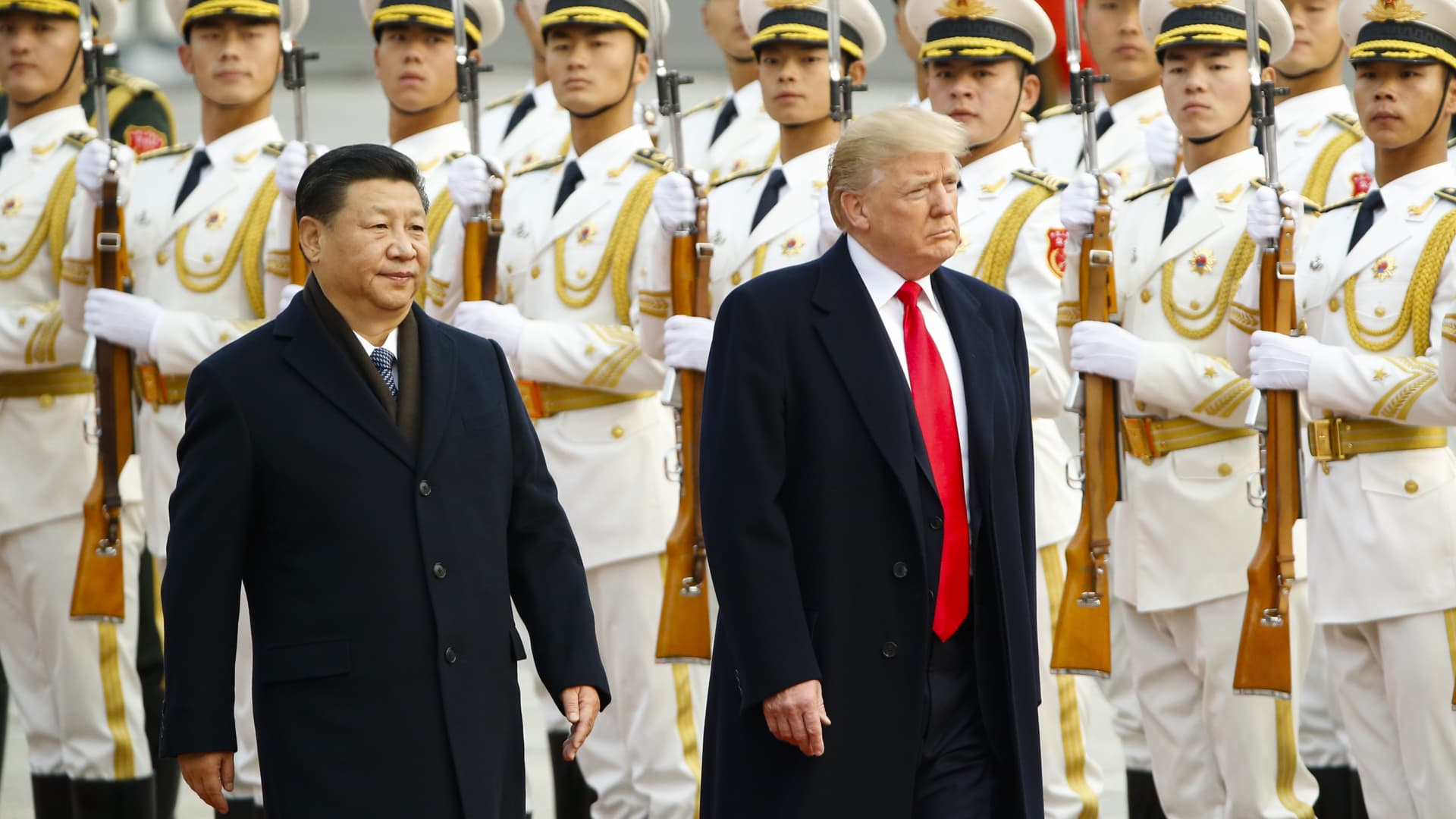
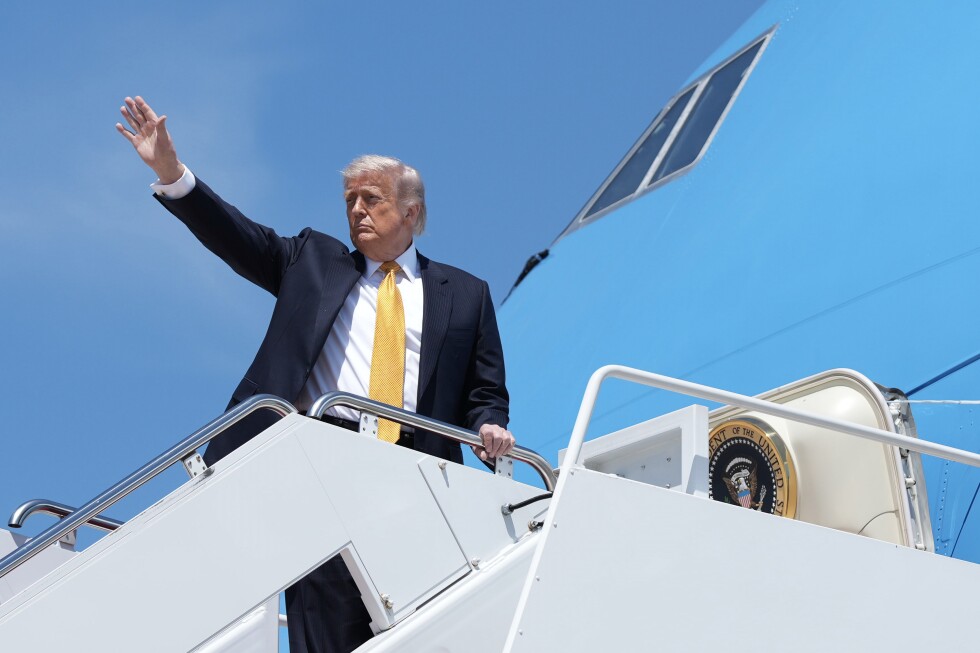
Trump will depart for Beijing in just under a week, alongside a delegation of U.S. CEOs primed to stake out deals with the country’s geopolitical rival.

US leader enters talks with superpower rival from vulnerable position, but will be hoping for economic wins amid turbulent backdrop

As Trump and Xi Jinping Prepare for a High-stakes Summit Dominated by Trade, the U.S. President Is Also Expected to Press China to Help End the Iran War and Reopen the Strait of…

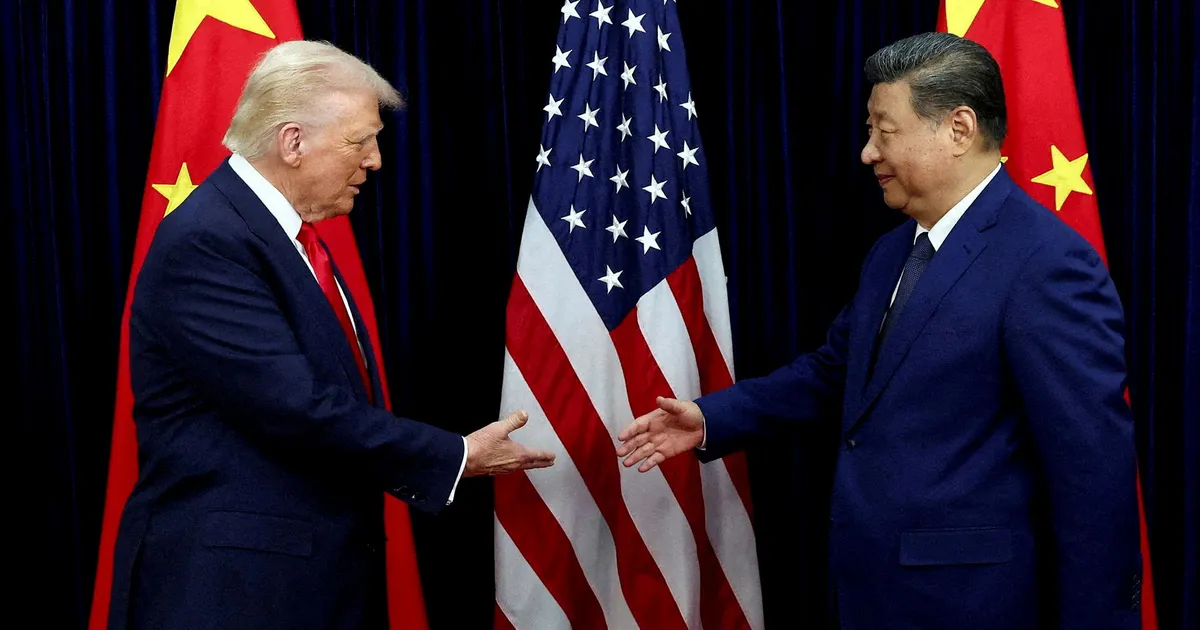
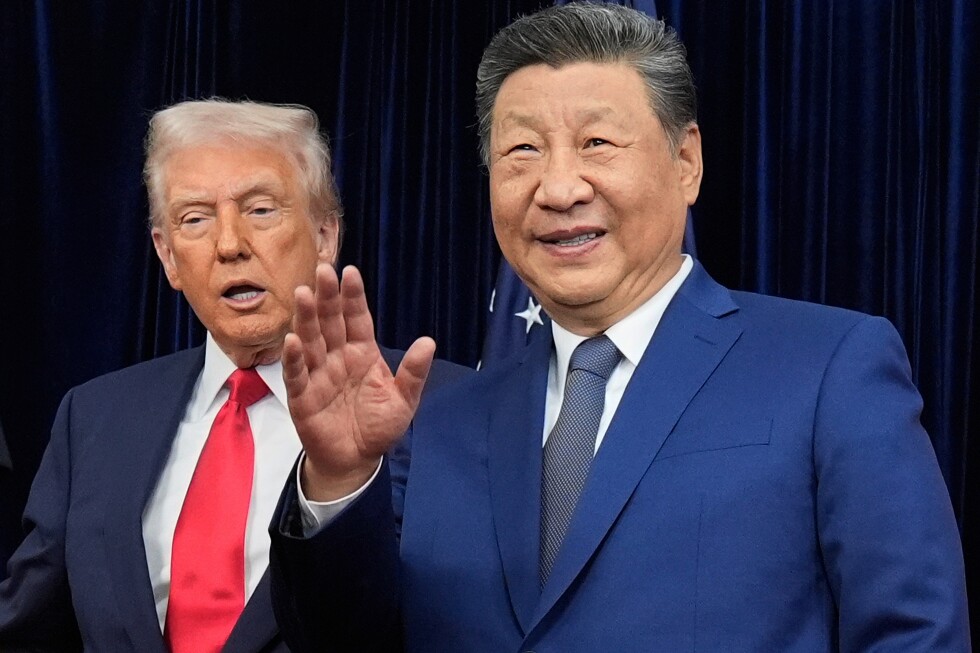
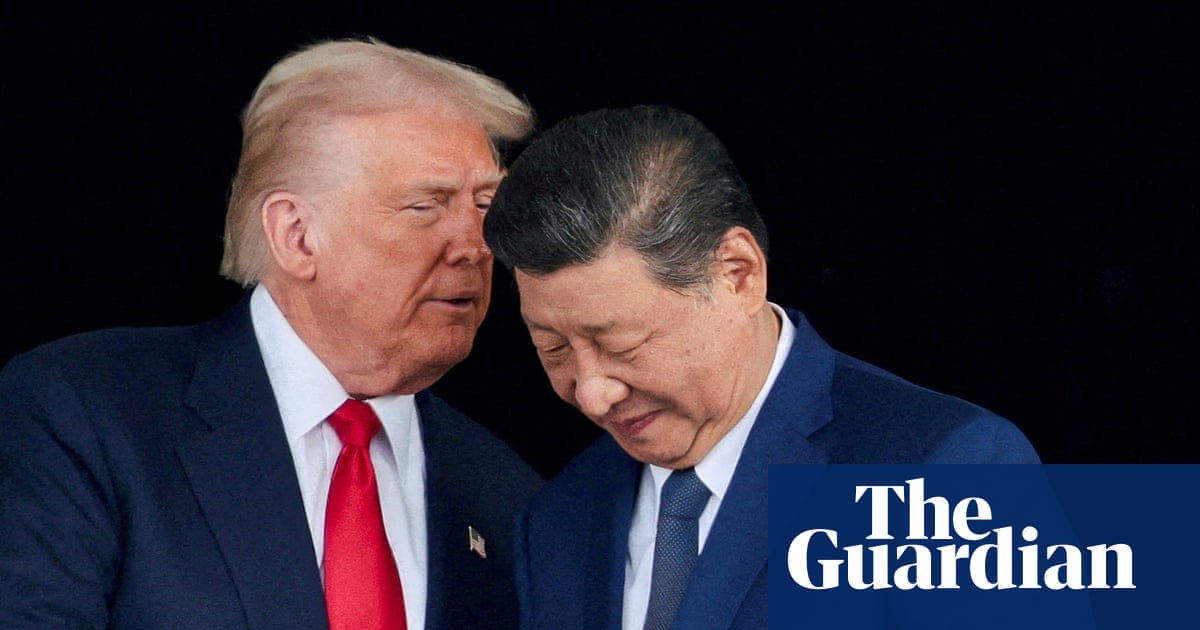
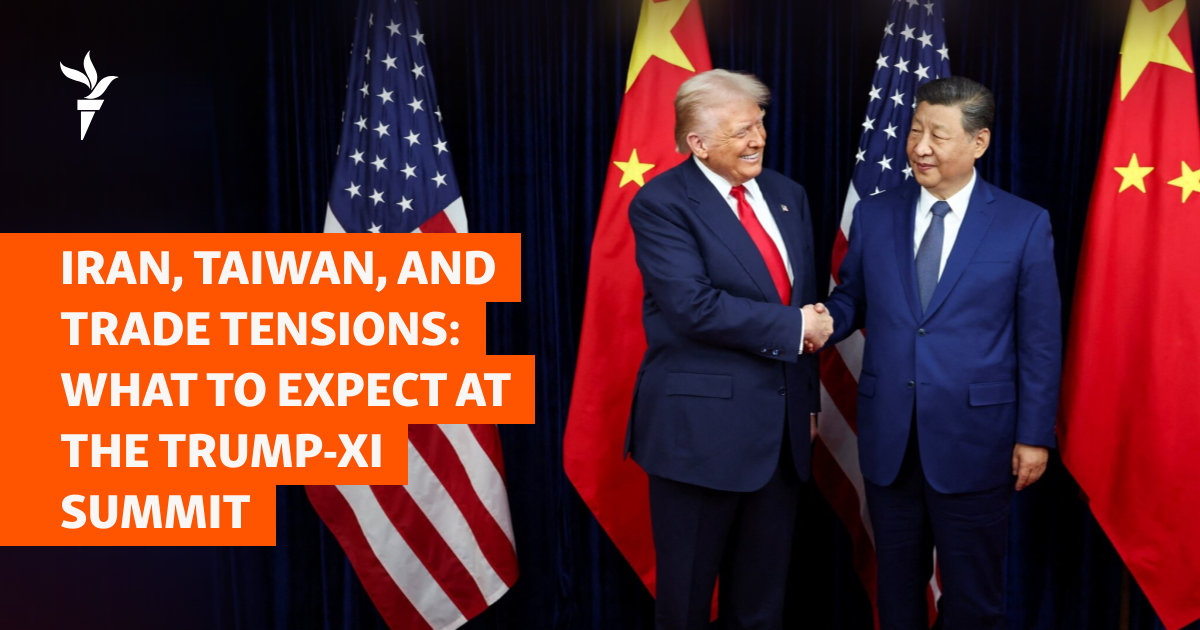
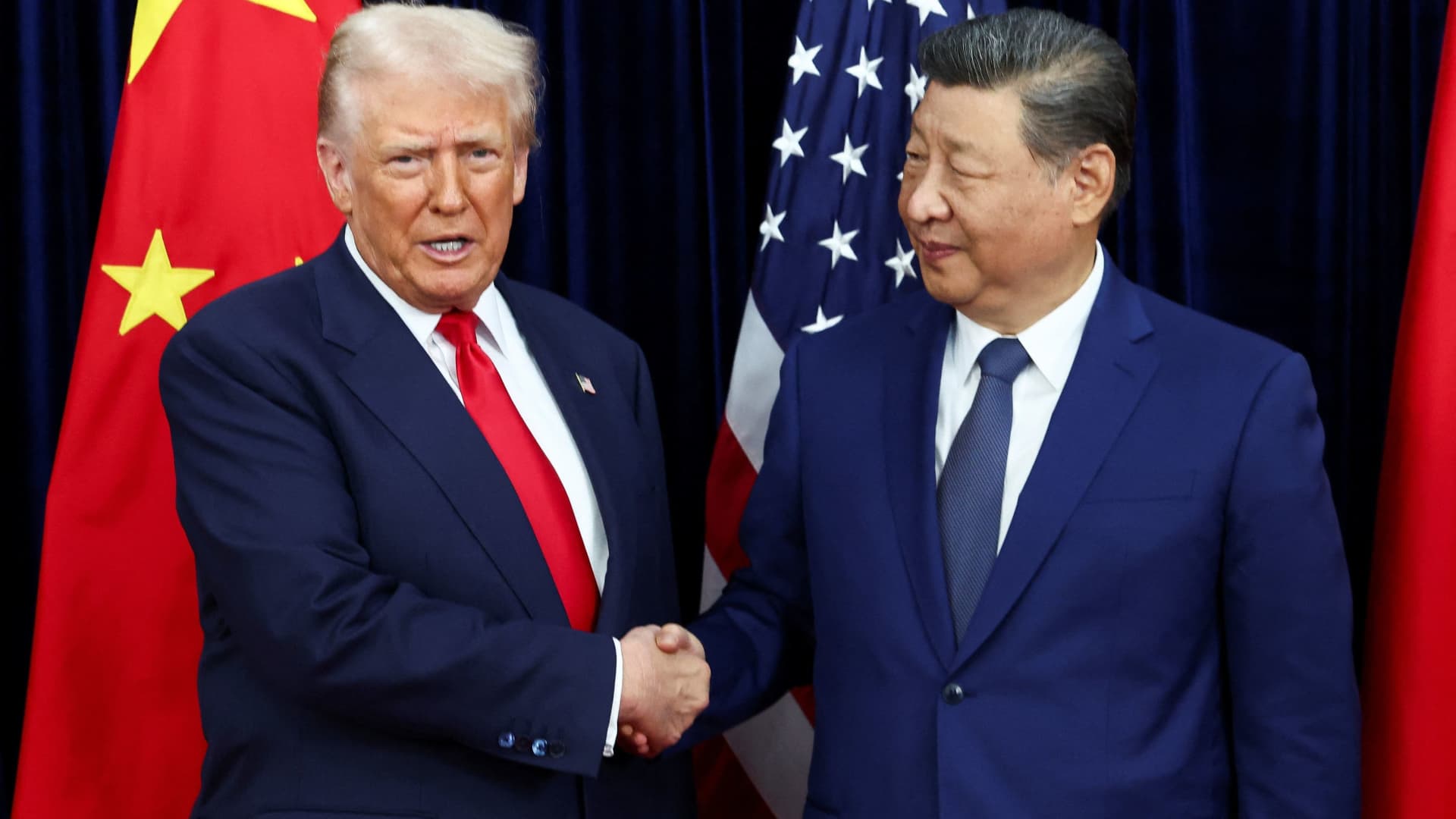
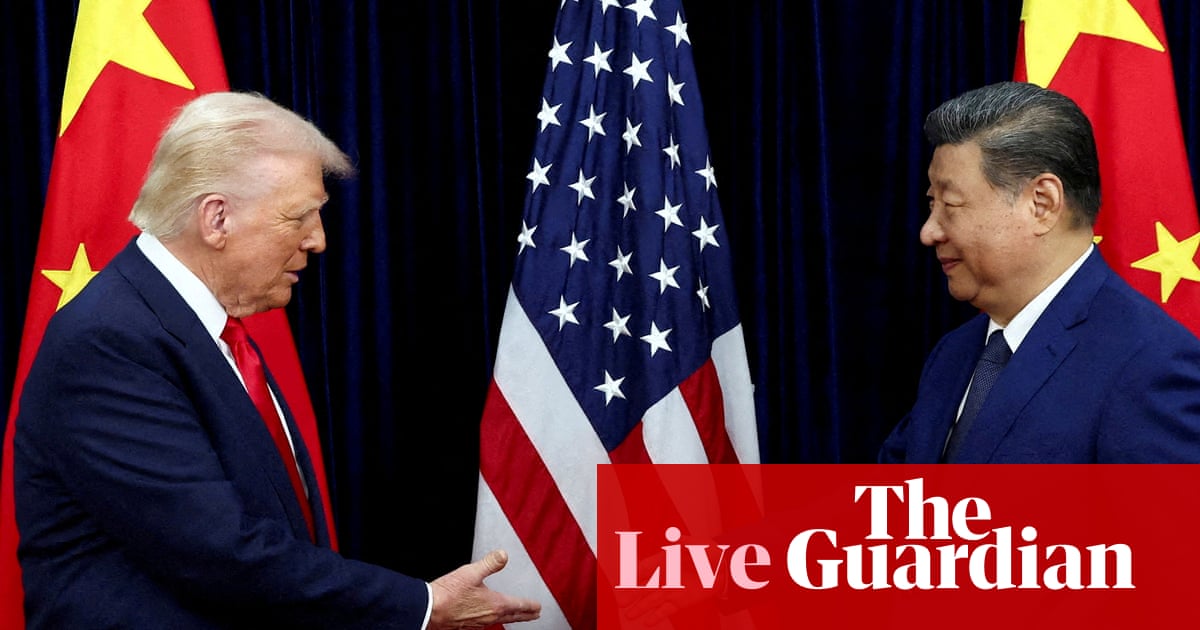
Presidents Xi Jinping and Donald Trump are preparing for a summit, with both China and the U.S. emphasizing stable ties.

Taiwan, tariffs and the strait of Hormuz are on the meeting’s agenda for Beijing – but will the US president be forced to ask for help in ending his war with Iran?

President Donald Trump is downplaying differences with President Xi Jinping over the U.S. conflict in Iran as he heads to Beijing for a high-stakes summit with the Chinese leader.

Trump is heading to China for help to resolve his unpopular Iran war, political analysts say.

Donald Trump’s summit with Chinese leader Xi Jinping this week is a capstone event meant to demonstrate the president’s indelible mark on world history.

The two leaders are expected to negotiate over rare earth exports and economic tensions while navigating growing friction over Tehran and security in Asia.

China experts expect Trump and Xi may announce trade deals or other agreements, such as a Chinese purchase of U.S. agricultural products or Boeing aircraft.

Meeting comes amid tentative trade truce but Iran, Taiwan and tensions over global supply chains will be complicating factors