HomeAI · summaries
Storia in 10 fonti
Argentina races to find origins of cruise ship hantavirus outbreak, amid reports some passengers have returned to US
Argentina, where the MV Hondius cruise departed, consistently ranked by WHO as having highest incidence of hantavirus in region
Confronto fonti
6 prospettive sulla stessa storiaTimeline cronologica
- ·
elpais.com

Argentina busca información sobre el origen del posible brote de hantavirus en el crucero que iba a las Canarias en España
En Tierra del Fuego, en el extremo sur de Argentina, no hay casos registrados de este virus respiratorio transmitido por roedores
- ·
newscientist.com
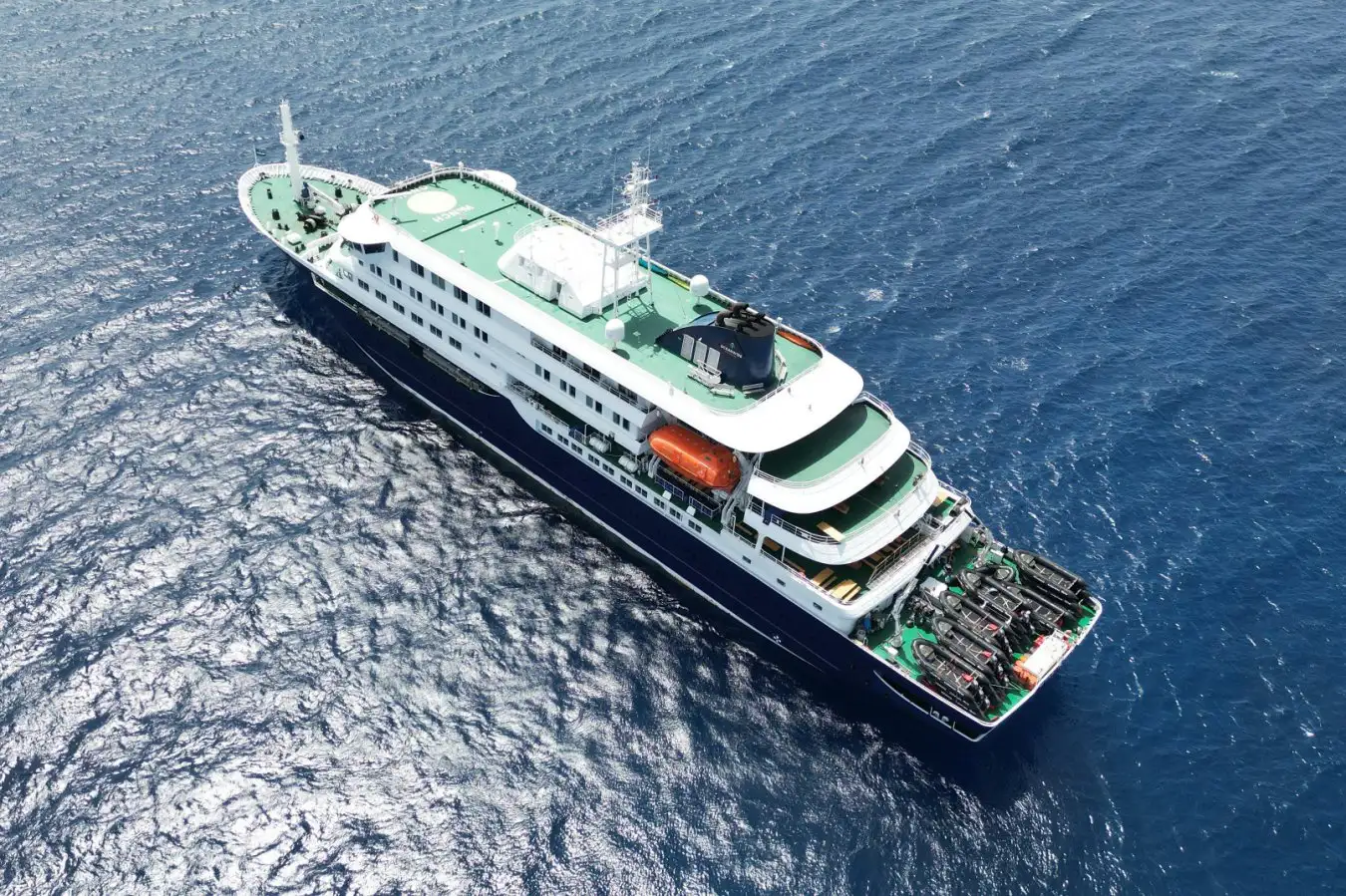
Where has the deadly hantavirus come from and how does it spread?
Three passengers on the cruise ship MV Hondius have died due to an outbreak of hantavirus, a rare illness transmitted by rodents
- ·
huffpost.com
We're Infectious Disease Experts. Here's What Actually Concerns Us About This Hantavirus Outbreak.
Experts break down the real risks of the disease and what the general public needs to know right now.
- ·
lemonde.fr
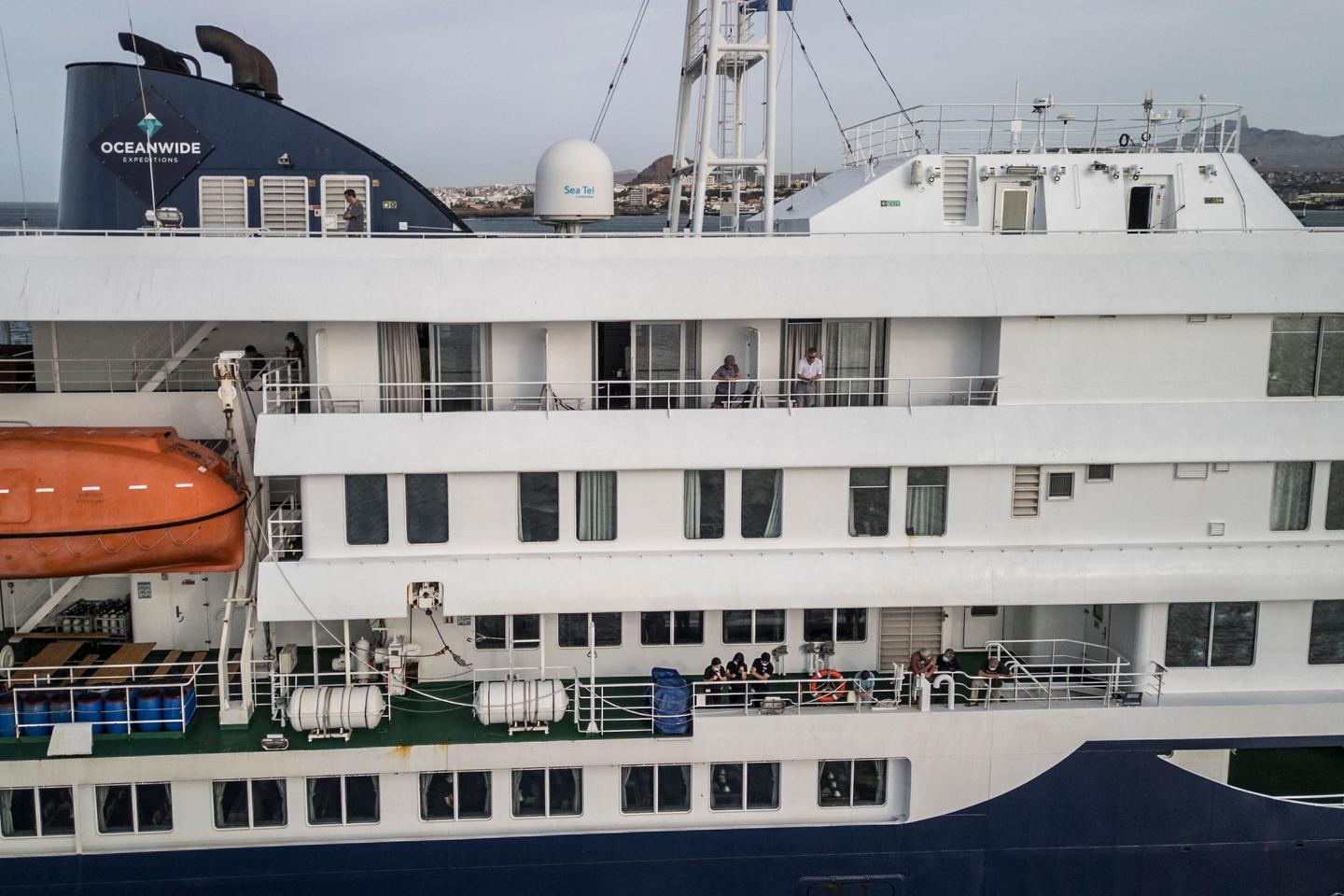
Many unknowns surround an 'unprecedented and worrying' hantavirus outbreak; WHO seeks to reassure public on pandemic risk
The Andes strain, which can be transmitted between humans via droplets of saliva, was identified on Wednesday through sequencing in three patients who had traveled aboard the MV…
- ·
theguardian.com

Argentina races to find origins of cruise ship hantavirus outbreak, amid reports some passengers have returned to US
Argentina, where the MV Hondius cruise departed, consistently ranked by WHO as having highest incidence of hantavirus in region
- ·
thejakartapost.com

Dutch hantavirus victims visited Chile, Uruguay, Argentina before cruise - Europe - The Jakarta Post
The ministry said that the husband-and-wife couple arrived in Argentina on November 27, then traveled to Chile and Uruguay before returning to Argentina on March 27 to board the…
- ·
ilmessaggero.it
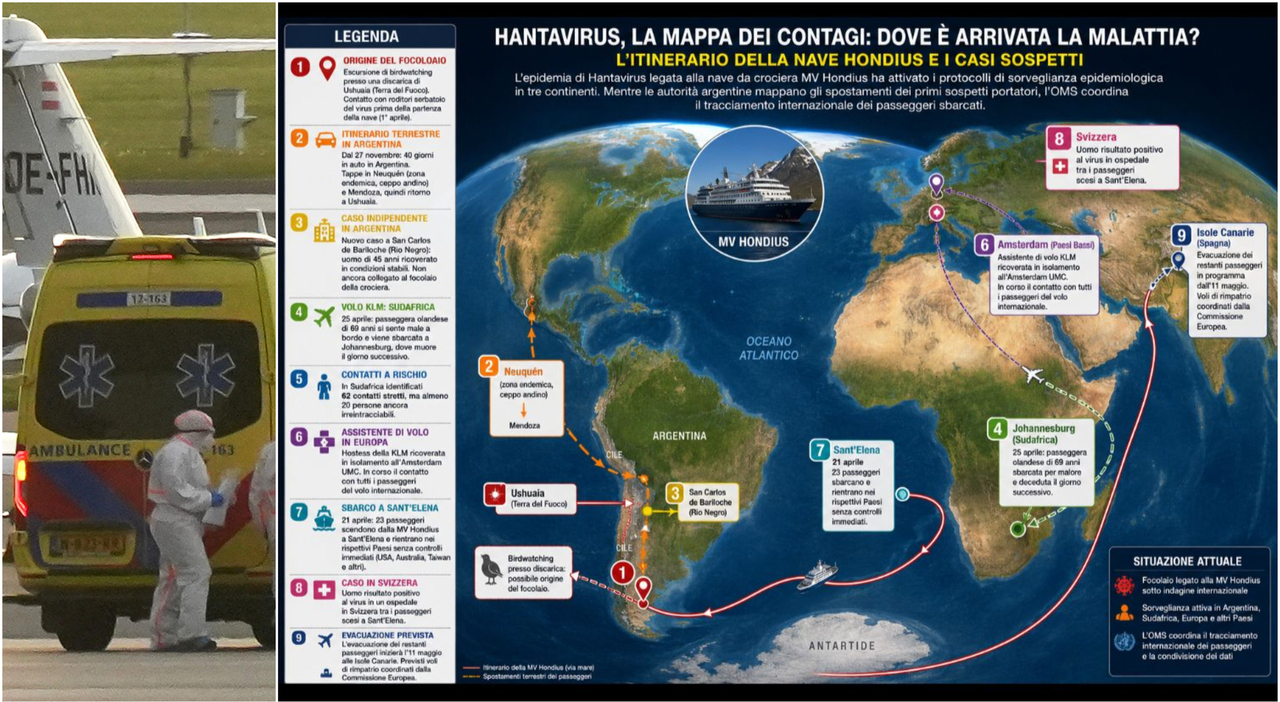
Hantavirus, la mappa dei contagi: dove è arrivata la malattia? Il percorso della nave e il tracciamento dei passeggeri
L'epidemia di Hantavirus legata alla nave da crociera MV Hondius ha attivato i protocolli di sorveglianza epidemiologica in tre continenti. Mentre le autorità argentine mappano…
- ·
bbc.com

How worried should we be about getting Hantavirus?
Some passengers potentially exposed to hantavirus have already taken flights to numerous countries.
- ·
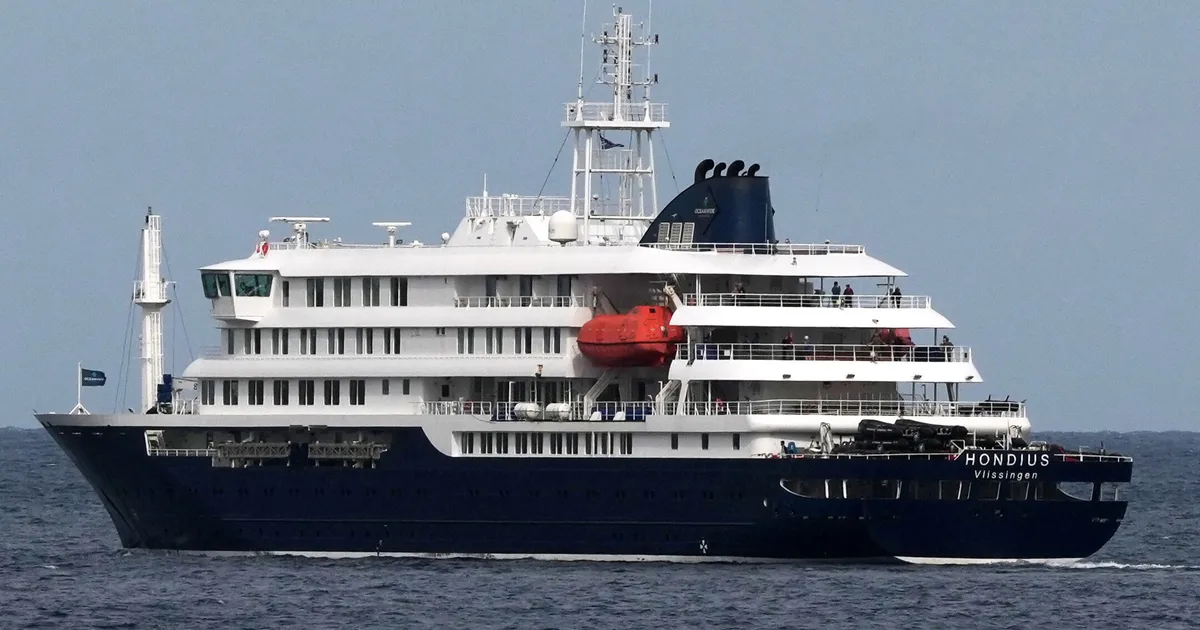
Health Officials Track Dozens Who Left Hantavirus-Stricken Ship After First Fatality
Three passengers have died in the outbreak, and several others are sick.
- ·
en.mercopress.com

Ushuaia landfill scrutinized in cruise ship hantavirus outbreak probe
Seven kilometers from downtown Ushuaia, the municipal landfill serving Argentina's southernmost city has become one of the focal points of the epidemiological investigation into…
- ·

Hantavirus cruise ship: race to trace passengers who disembarked before outbreak
About 12 countries have so far been linked to the hantavirus outbreak on the MV Hondius, as the UN health agency confirms at least five cases.
- ·

Hantavirus: Specialist says the 'Andes virus is not as transmissible as other respiratory viruses'
Virologist Gustavo Palacios, one of the few experts to have worked on this type of outbreak, believes the risk of spread is limited if appropriate measures are taken. He said that…
- ·
edition.cnn.com

The country where lethal hantavirus cases are on the rise. Experts blame climate change | CNN
Experts blame climate change and habitat destruction for the rise in cases of the disease, which is usually caused by exposure to the urine or feces of infected rodents.