WARPTECHNEWS · LAB
HomeAIBusinessTechArchive
WARPTECH LAB NEWS

Warptech Lab News aggrega le notizie più rilevanti da oltre 700 fonti internazionali, con classificazione AI, TL;DR sintetici e timeline cluster su singole storie.

Navigazione

  • Home
  • Archivio
  • Editor's Brief
  • Cerca
  • Il tuo account
  • Newsletter tech/AI

Informazioni legali

  • Privacy Policy
  • Termini di servizio
  • Cookie Policy

© 2026 Sparktech S.R.L. — Tutti i diritti riservati. Sito gestito e manutenuto da Sparktech S.R.L.

Sede legale: Corso Libertà 55, 13100 Vercelli (VC), Italia · P.IVA / C.F. 02835910023 · Contatti: admin@warptechlab.com

Home
Storia in 2 fonti

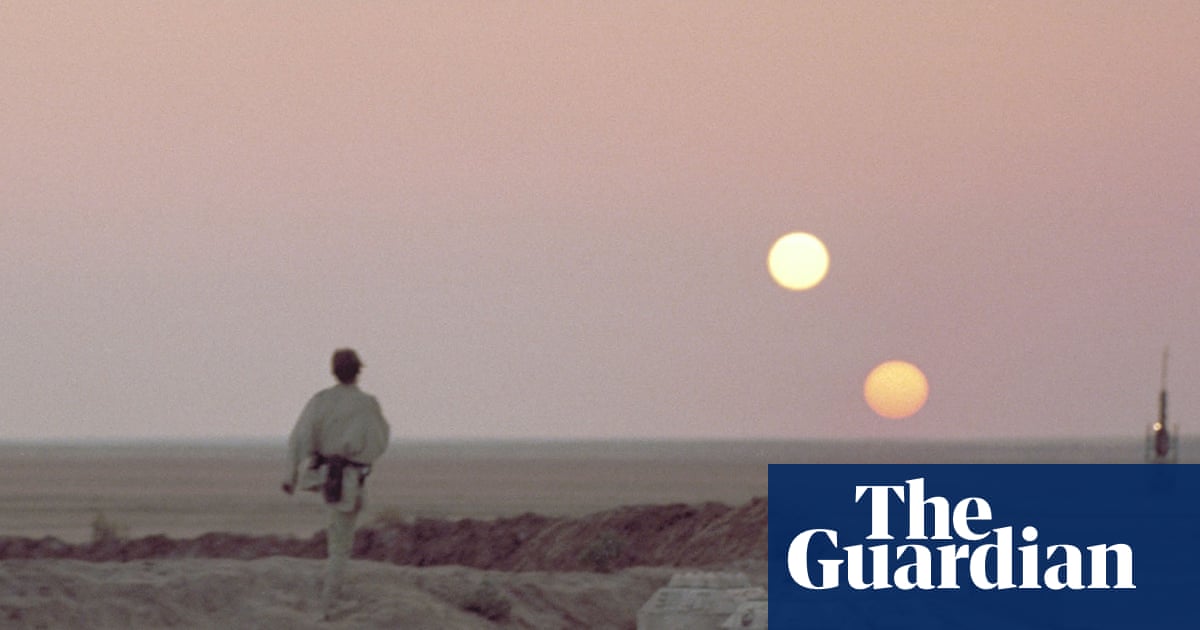
Scientists discover 27 potential new planets that orbit two stars in solar systems far, far away

On ‘Star Wars day’, researchers more than double the number of potential known ‘circumbinary’ planets like the fictional Tatooine, home to Luke Skywalker

Raccontata datheguardian.comeuronews.com

Confronto fonti

2 prospettive sulla stessa storia
AI · summaries
theguardian.comStai leggendo1 mesi fa

Scientists discover 27 potential new planets that orbit two stars in solar systems far, far away

On ‘Star Wars day’, researchers more than double the number of potential known ‘circumbinary’ planets like the fictional Tatooine, home to Luke Skywalker

originale
euronews.com1 mesi fa

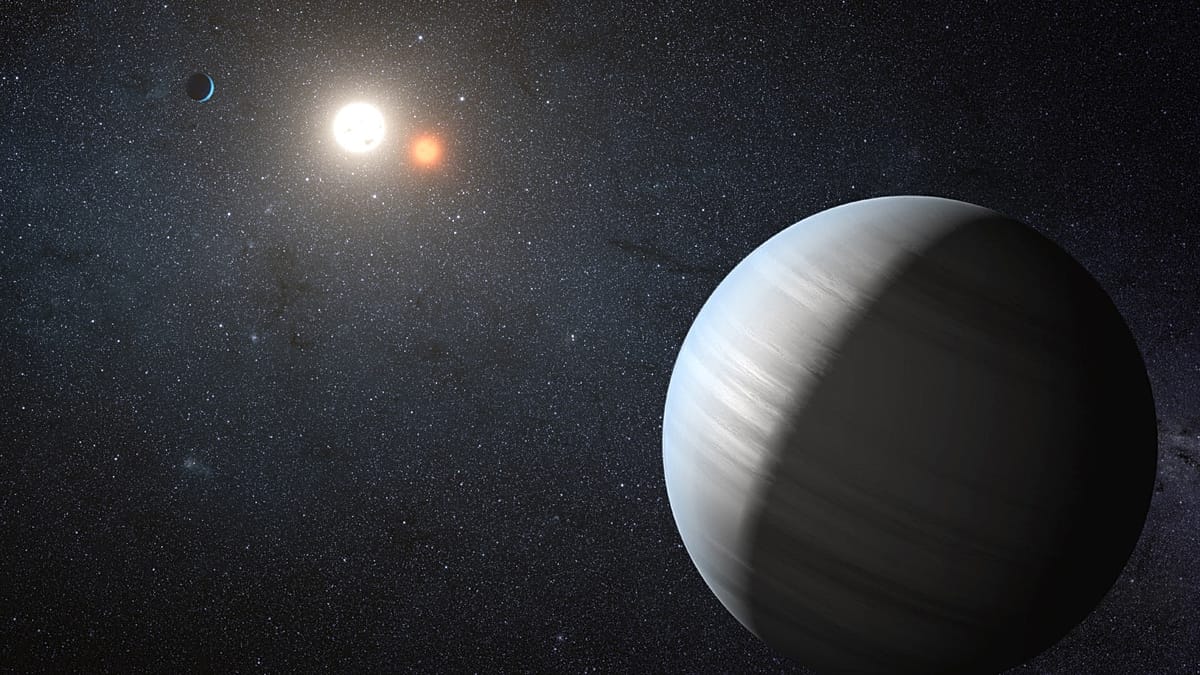
Star Wars in real life? Astronomers find 27 possible twin-sun worlds

These shifts, imperceptible to the naked eye, can be the gravitational fingerprint of a planet no one has ever seen.

Leggi questa versione → originale

Timeline cronologica

  1. lunedì 4 maggio 2026·theguardian.com

    Scientists discover 27 potential new planets that orbit two stars in solar systems far, far away

    On ‘Star Wars day’, researchers more than double the number of potential known ‘circumbinary’ planets like the fictional Tatooine, home to Luke Skywalker

  2. martedì 5 maggio 2026·euronews.com

    Star Wars in real life? Astronomers find 27 possible twin-sun worlds

    These shifts, imperceptible to the naked eye, can be the gravitational fingerprint of a planet no one has ever seen.