Just three vessels have transited the critical waterway since the ceasefire was announced
Follow the latest news on the major headlines of the day.
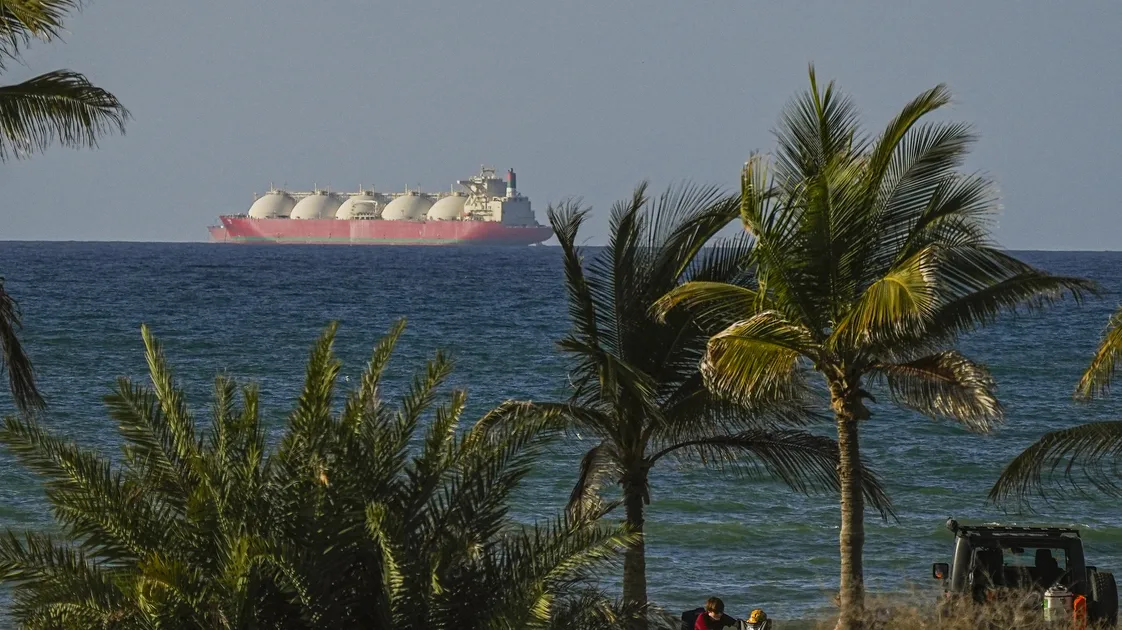
Most stranded oil and gas tankers remained inside the Gulf, LSEG shipping data showed.
Ships have begun passing through the Strait of Hormuz again after the US and Iran announced a two-week ceasefire. On Tuesday (7 April), Donald Trump announced that attacks will be…
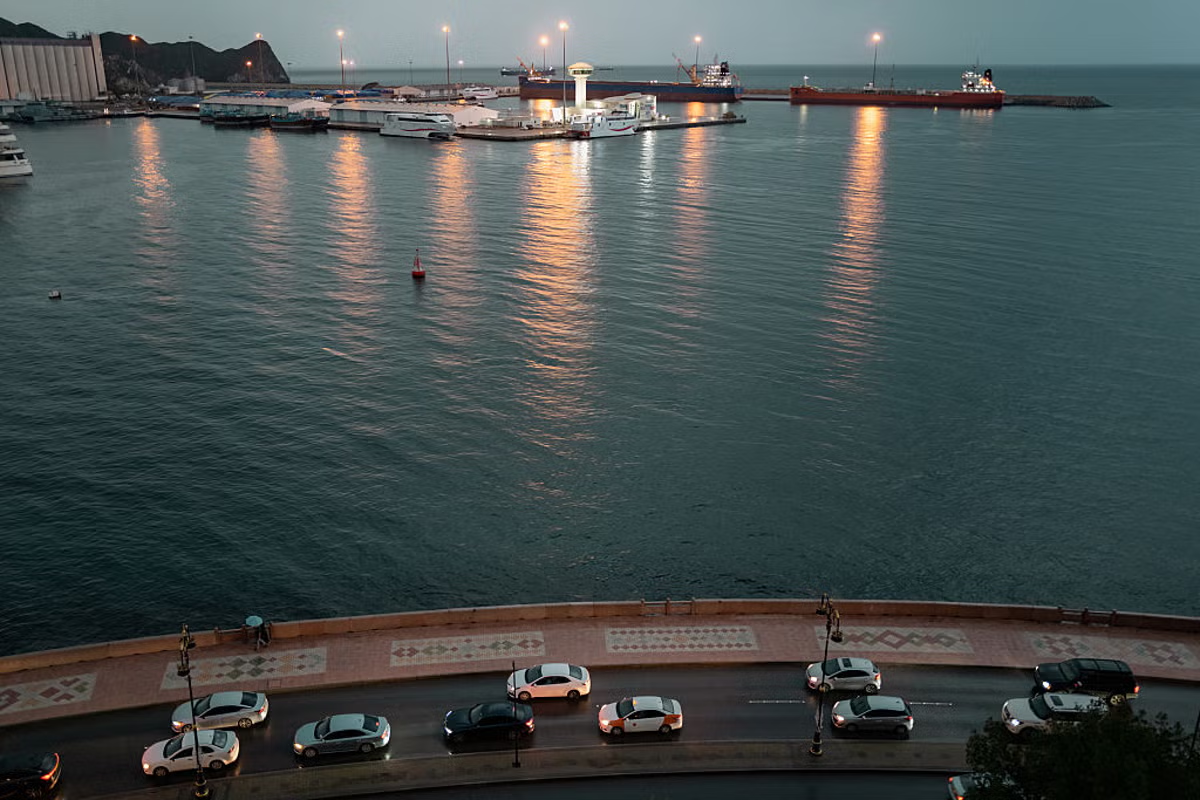
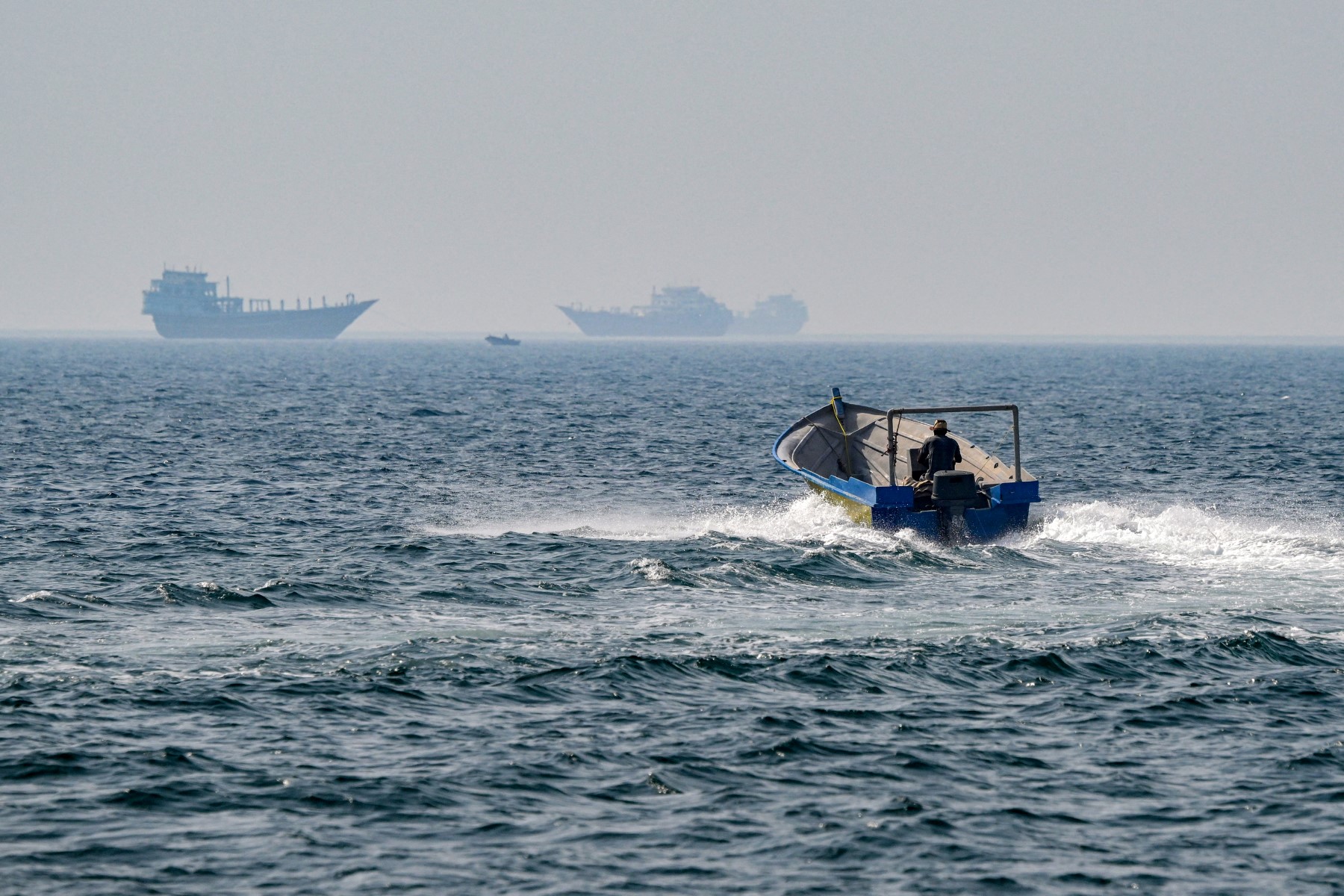
Estimated 2,000 ships, including oil and gas tankers and cruise liners, remain trapped in the Persian Gulf since start of war
Iran is reportedly planning to demand that shipping firms pay tolls in cryptocurrency to let their oil tankers through the Strait of Hormuz.
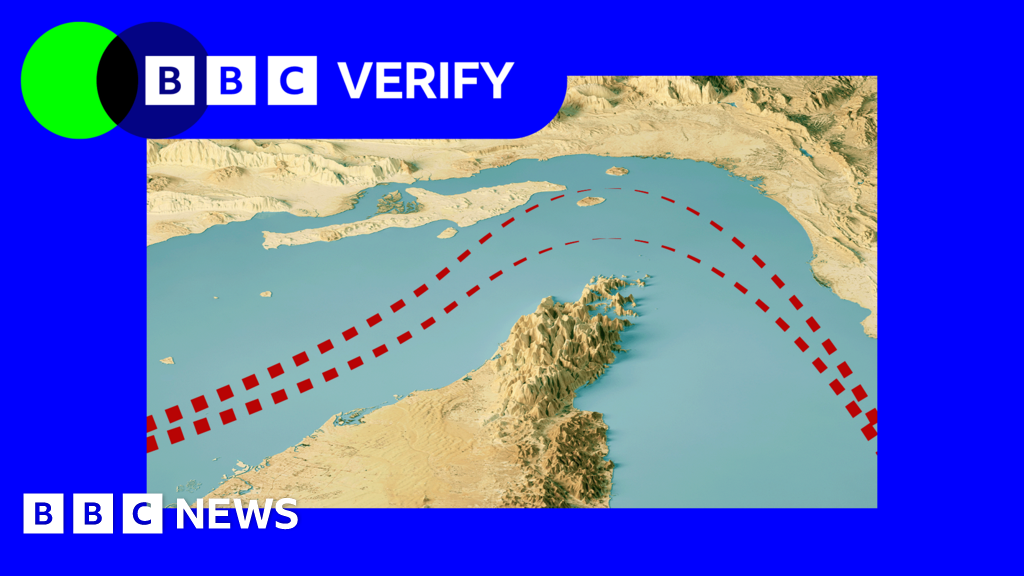
Only a few vessels have crossed the strait since the US-Iran ceasefire deal, according to BBC Verify analysis.
Traffic through the Strait of Hormuz has yet to see a meaningful rebound and this could continue for weeks, warn shipping experts.
Trump said the temporary ceasefire is "subject to the Islamic Republic of Iran agreeing to the COMPLETE, IMMEDIATE, and SAFE OPENING of the Strait of Hormuz."
Two India-bound tankers transit the Hormuz Strait amid a ceasefire, as shipping uncertainty and safety concerns persist.
Washington and Tehran accuse each other of not honouring truce agreement.
A marine traffic map shows the Strait of Hormuz at a standstill more than 48 hours after President Donald Trump announced a two-week ceasefire conditional on Iran reopening the…
Three supertankers laden with oil exit waterway amid global energy crunch, shipping data shows.