WARPTECHNEWS · LAB
HomeAIBusinessTechArchive
WARPTECH LAB NEWS

Warptech Lab News aggrega le notizie più rilevanti da oltre 700 fonti internazionali, con classificazione AI, TL;DR sintetici e timeline cluster su singole storie.

Navigazione

  • Home
  • Archivio
  • Editor's Brief
  • Cerca
  • Il tuo account
  • Newsletter tech/AI

Informazioni legali

  • Privacy Policy
  • Termini di servizio
  • Cookie Policy

© 2026 Sparktech S.R.L. — Tutti i diritti riservati. Sito gestito e manutenuto da Sparktech S.R.L.

Sede legale: Corso Libertà 55, 13100 Vercelli (VC), Italia · P.IVA / C.F. 02835910023 · Contatti: admin@warptechlab.com

Home
Storia in 2 fonti

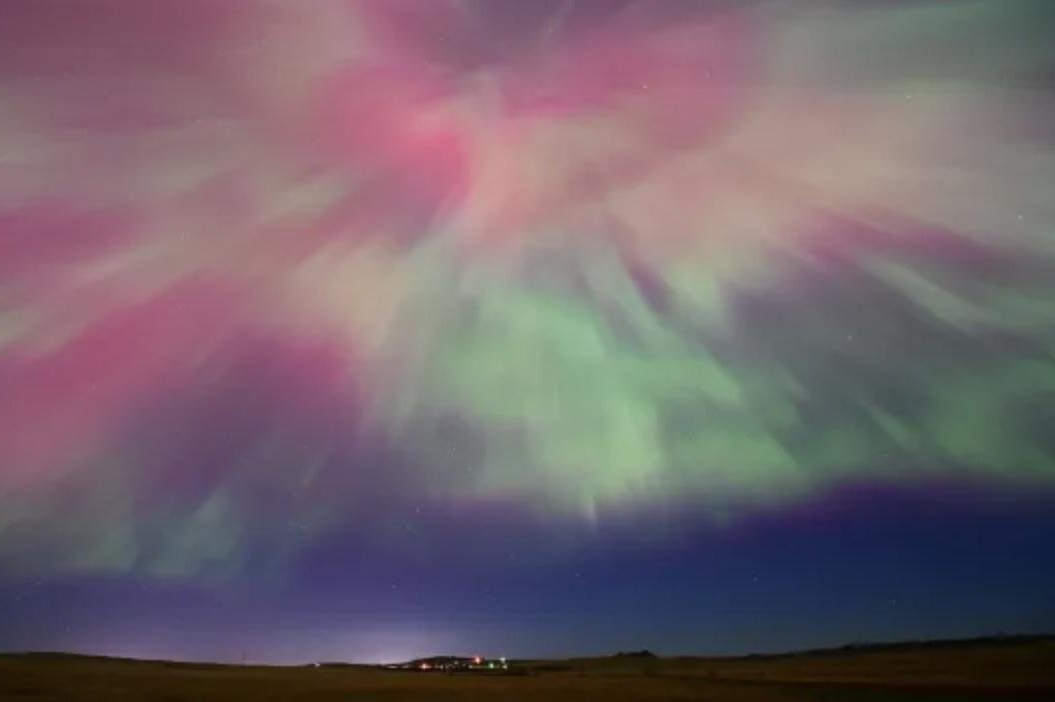
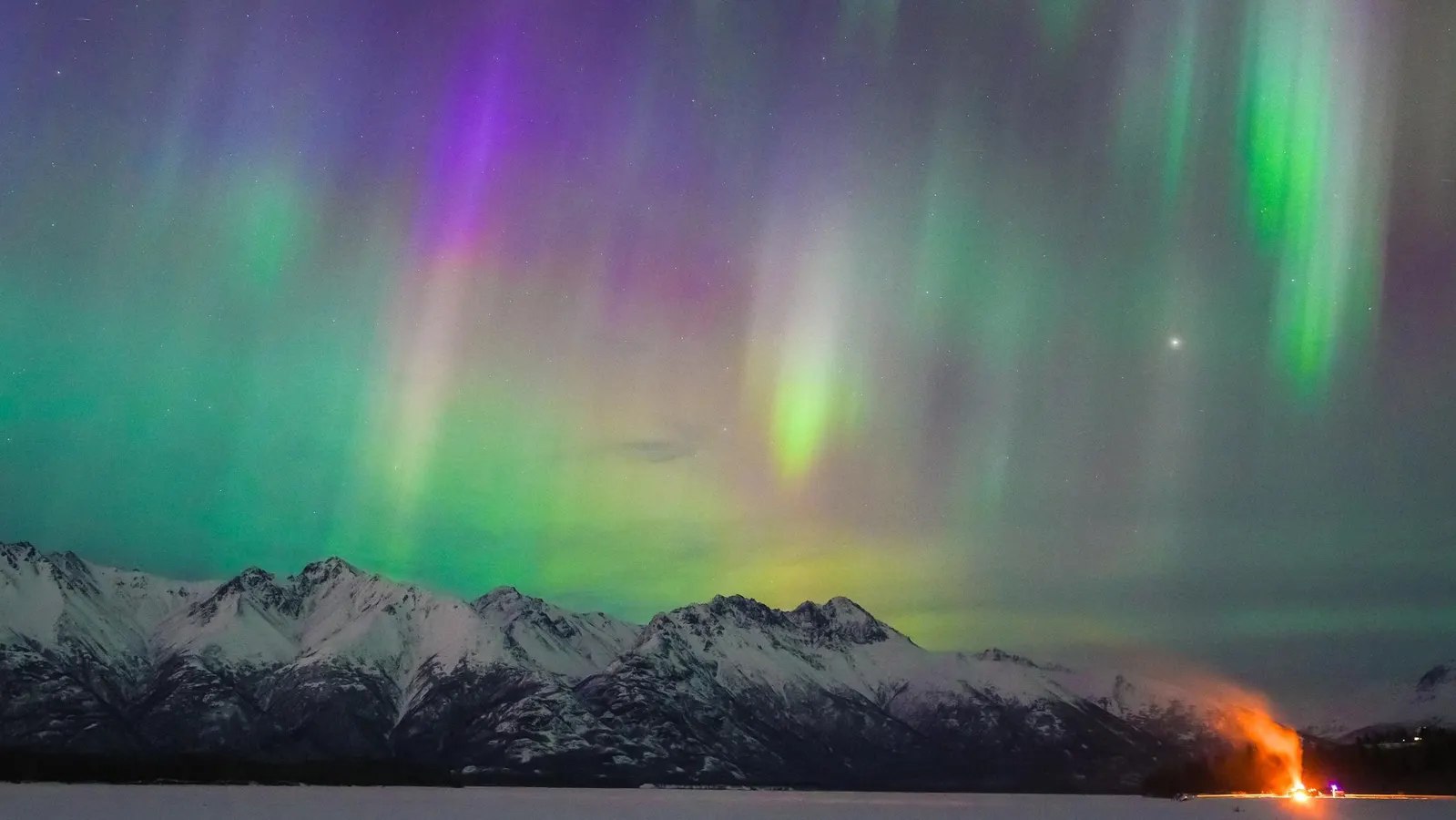
Strong geomagnetic storm may produce vivid northern lights as far south as Pennsylvania - UPI.com

Activity from the sun could create displays of the aurora borealis across the northern half of the United States this weekend.

Raccontata daupi.comforbes.com

Confronto fonti

2 prospettive sulla stessa storia
AI · summaries
upi.comStai leggendo2 mesi fa

Strong geomagnetic storm may produce vivid northern lights as far south as Pennsylvania - UPI.com

Activity from the sun could create displays of the aurora borealis across the northern half of the United States this weekend.

originale
forbes.com2 mesi fa

Northern Lights Tonight: Geomagnetic Storms Could Produce Auroras In Northern States

The northern lights may be visible in “many of the northern states and some of the lower Midwest,” the National Oceanic and Atmospheric Administration said.

Leggi questa versione → originale

Timeline cronologica

  1. venerdì 3 aprile 2026·upi.com

    Strong geomagnetic storm may produce vivid northern lights as far south as Pennsylvania - UPI.com

    Activity from the sun could create displays of the aurora borealis across the northern half of the United States this weekend.

  2. sabato 4 aprile 2026·forbes.com

    Northern Lights Tonight: Geomagnetic Storms Could Produce Auroras In Northern States

    The northern lights may be visible in “many of the northern states and some of the lower Midwest,” the National Oceanic and Atmospheric Administration said.