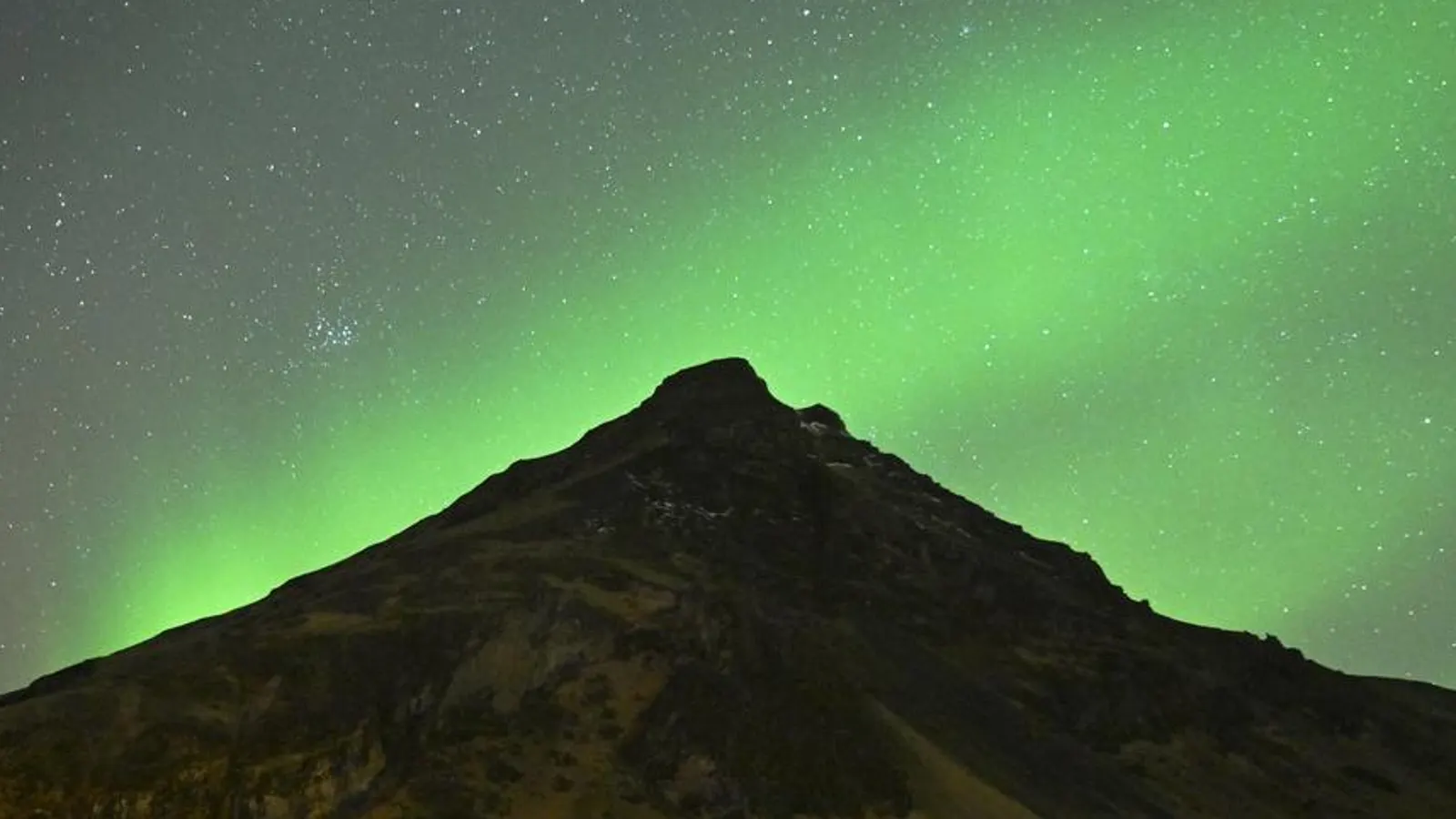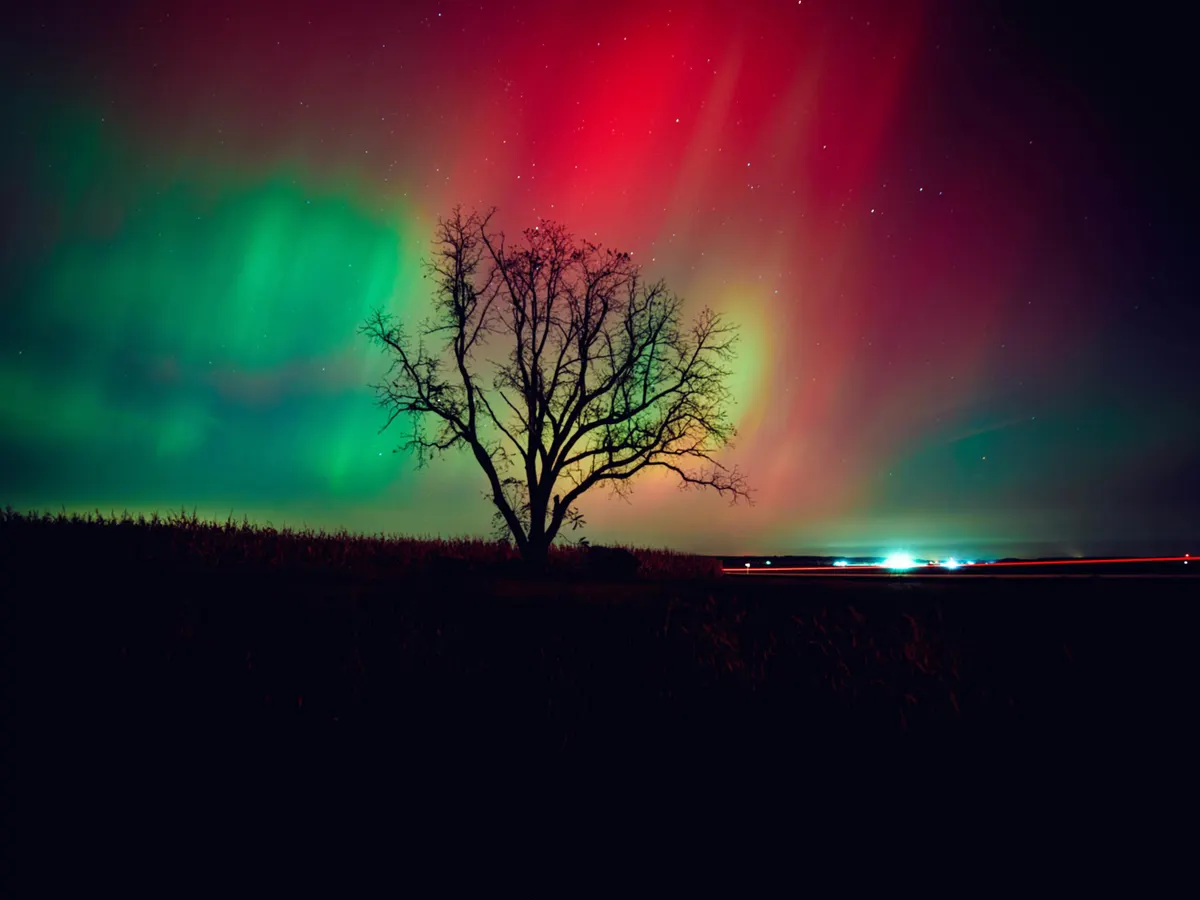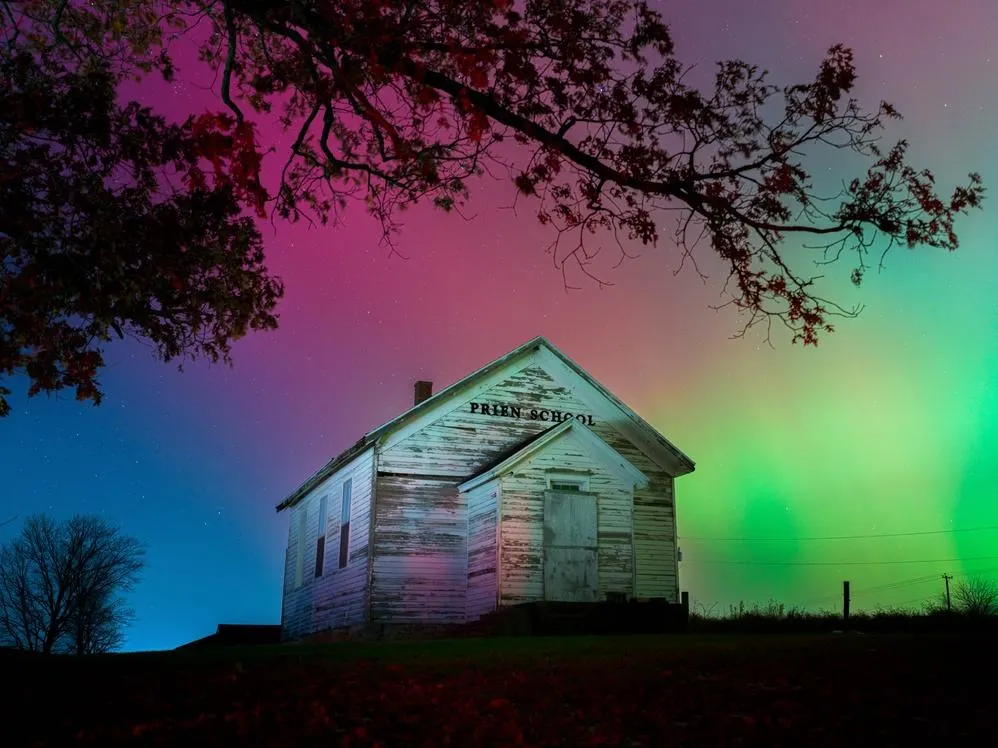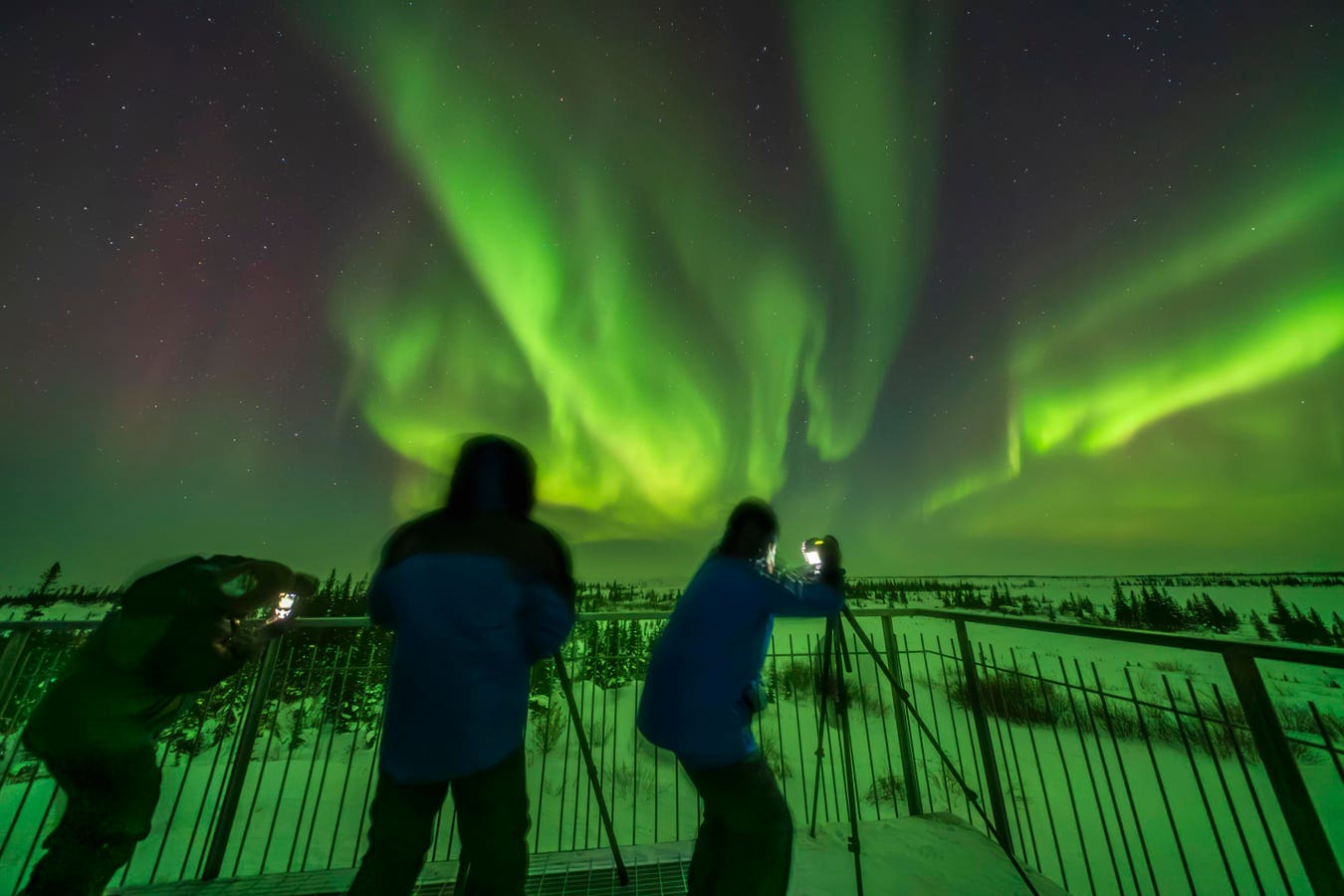
ToplineThe northern lights may light up the skies in some of the northernmost U.S. states tonight as a moderate geomagnetic storm sends solar winds into the Earth’s magnetic field, according to a National Oceanic and Atmospheric Administration forecast.The aurora borealis may be visible in northern states tonight. (Photo by Hasan Akbas/Anadolu via Getty Images)Anadolu via Getty ImagesKey FactsNOAA predicts Saturday night’s northern lights will have a peak Kp index of 5.67, a measure of the aurora’s strength on a scale of 0 to 9, indicating “more auroral activity” that can be “quite pleasing to look at.”NOAA projected a moderate geomagnetic storm will take place between Friday and Saturday, producing strong northern lights displays, as the eruption of solar material from the sun will send high-speed solar winds to Earth’s atmosphere. The geomagnetic storm has a strength of G2, according to the NOAA forecast, which measures the strength of storms on a scale from G1 to G5.The lights are expected to die down after the geomagnetic storm, with NOAA projecting a peak Kp index of 3 for Sunday night.What States May See The Northern Lights On Friday?The lights will be visible “over many of the northern states and some of the lower Midwest to Oregon,” NOAA said. Though NOAA usually publishes a map depicting the aurora’s “view line,” or the lowest point at which the aurora may be visible, it says the map is unavailable until further notice. What’s The Best Way To See The Aurora Borealis?Viewers hoping to catch the lights should travel as far north as possible and find a high vantage point that lacks light pollution, NOAA says. The lights are easier to see when it is dark outside, and NOAA recommends looking within an hour or two of midnight, between 10 p.m. and 2 a.m. local time.What’s The Best Way To Photograph The Northern Lights?Travel photographers told National Geographic the best way to capture the lights is by using a tripod to stabilize the image, a wide-angle lens and a lower shutter speed. Photographers using their iPhone should enable the camera’s night mode, turn off flash and shoot in the RAW format.Key BackgroundThe northern lights made frequent appearances in American skies between 2024 and 2025 as the sun reached the “maximum” phase of its solar cycle, during which solar events like geomagnetic storms are more common. The level of solar activity exceeded scientists’ expectations, and NASA said the northern lights hit a 500-year peak in 2024. NASA scientists said auroral activity is expected to decline through the latter half of the decade as the sun exits its maximum period. Further ReadingWhere and when to see the northern lights in 2026 (Space.com)
Northern Lights Tonight: Geomagnetic Storms Could Produce Auroras In Northern States
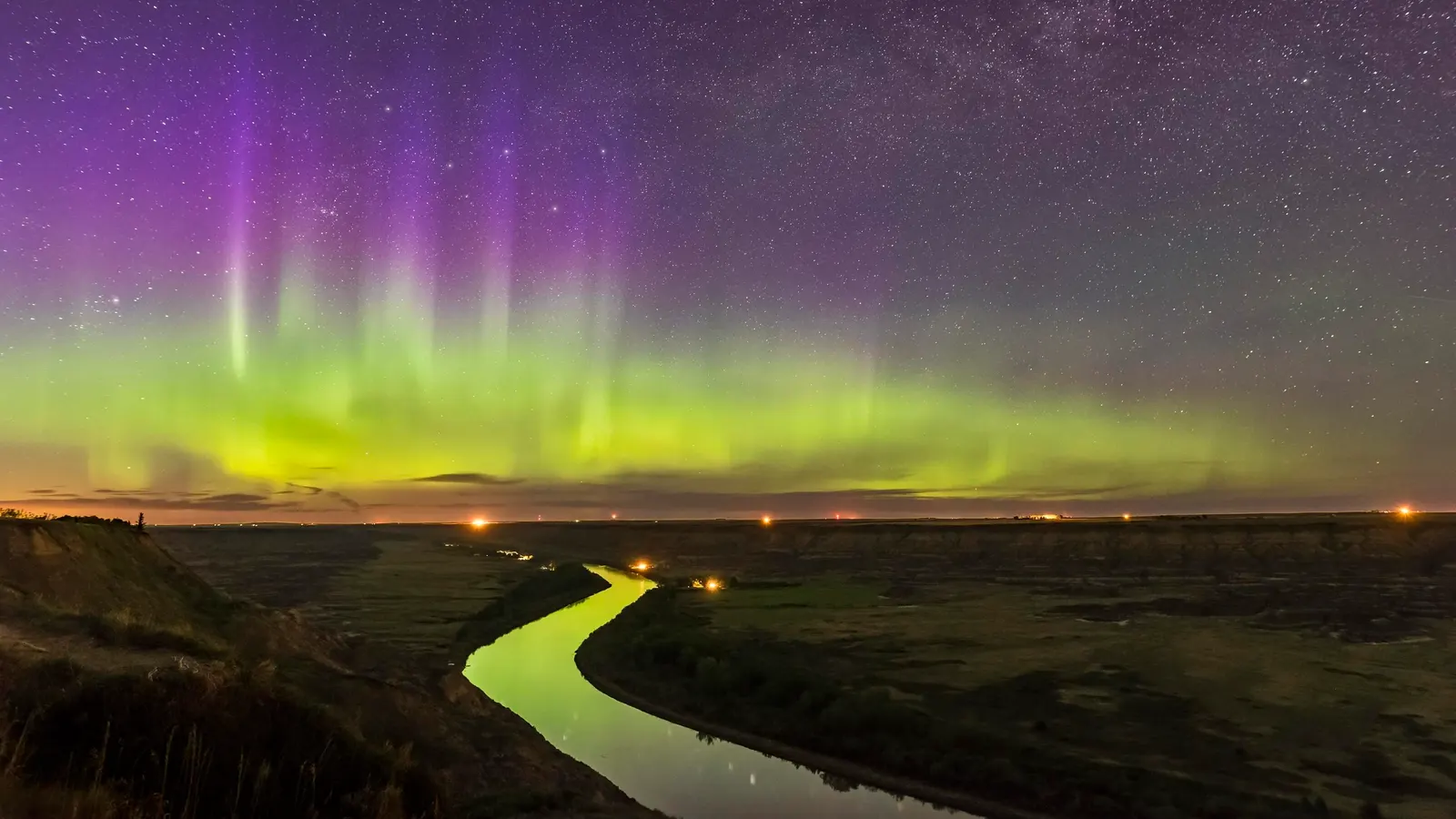
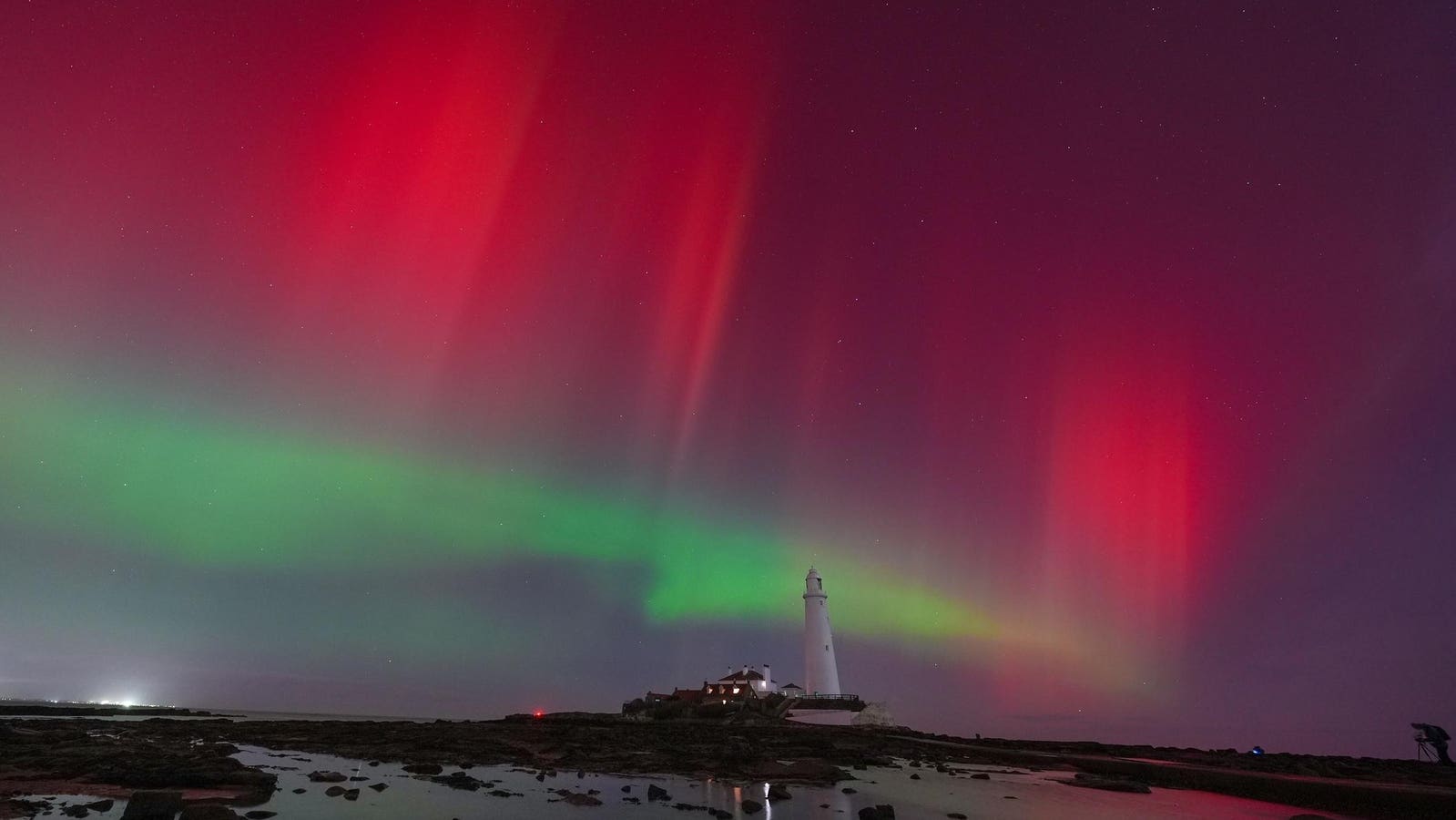
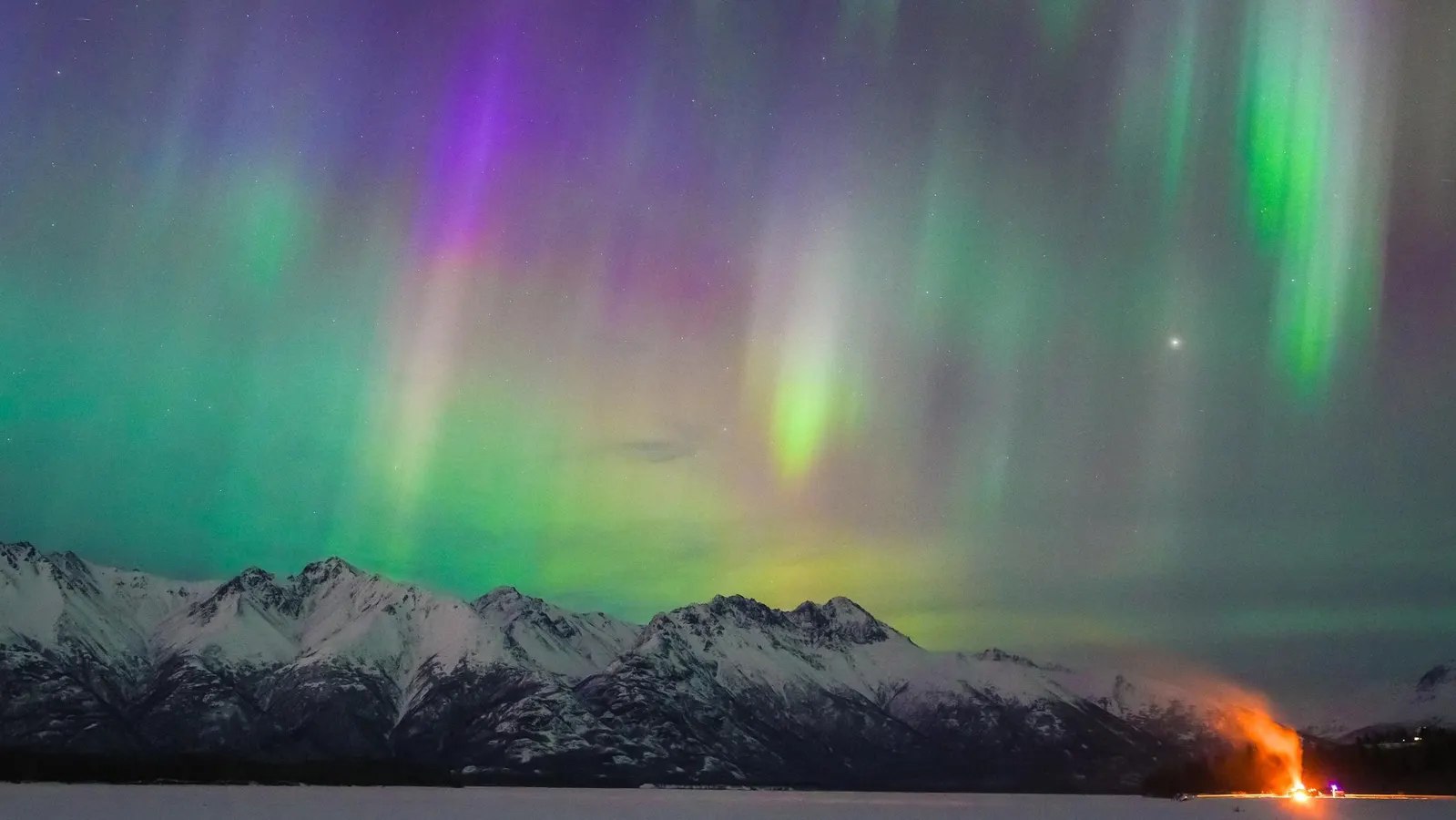
The northern lights may be visible in “many of the northern states and some of the lower Midwest,” the National Oceanic and Atmospheric Administration said.
444 words~2 min read