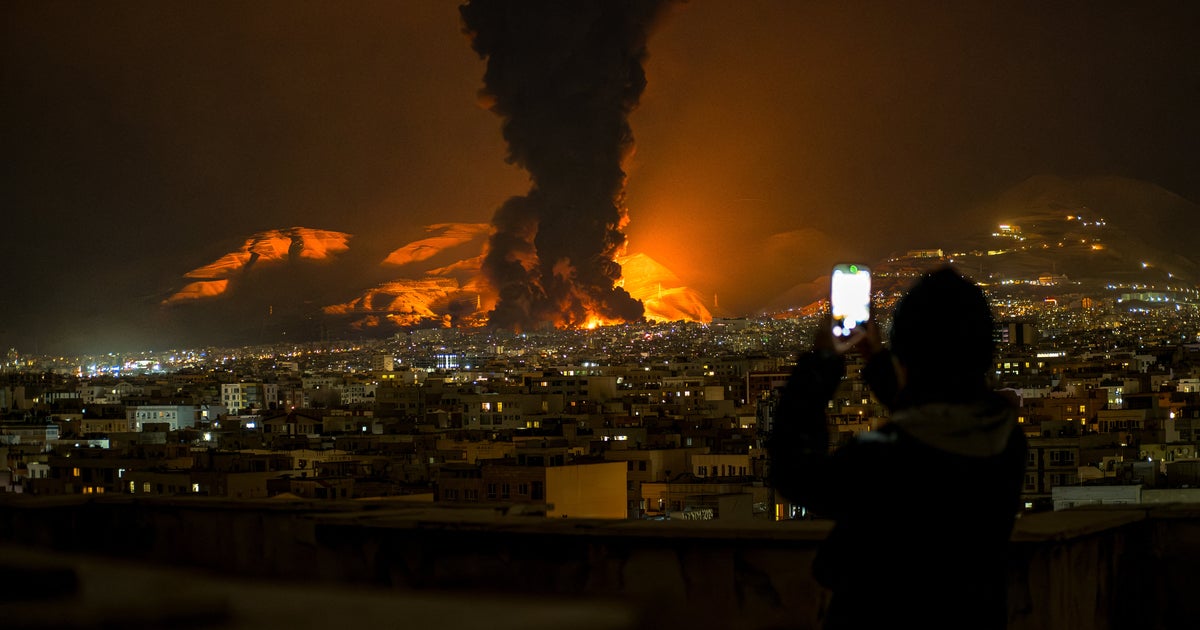
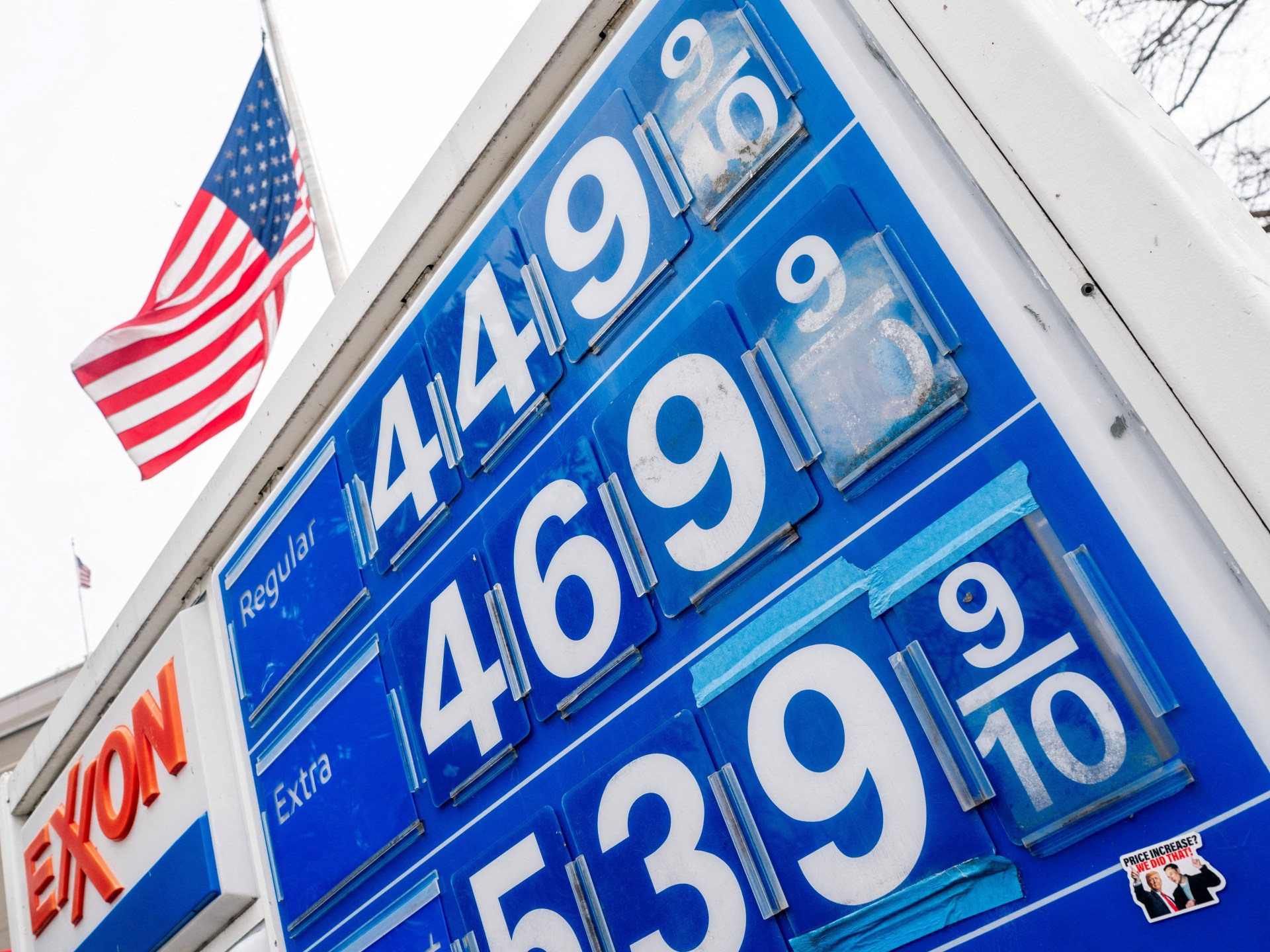
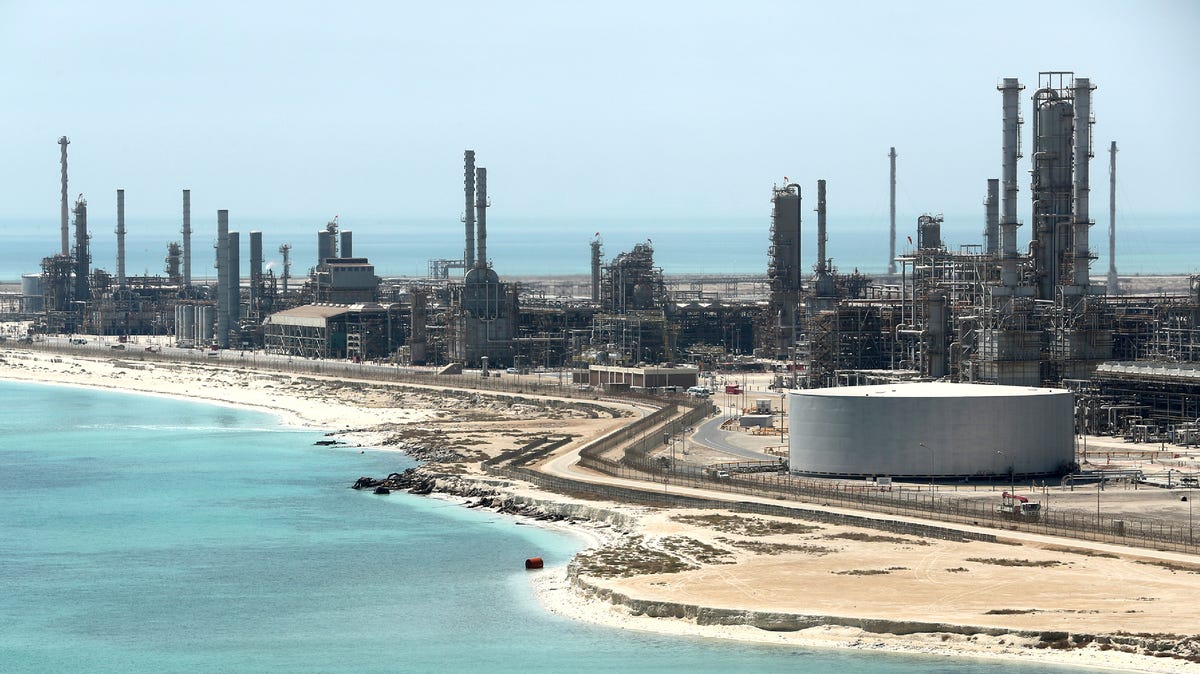
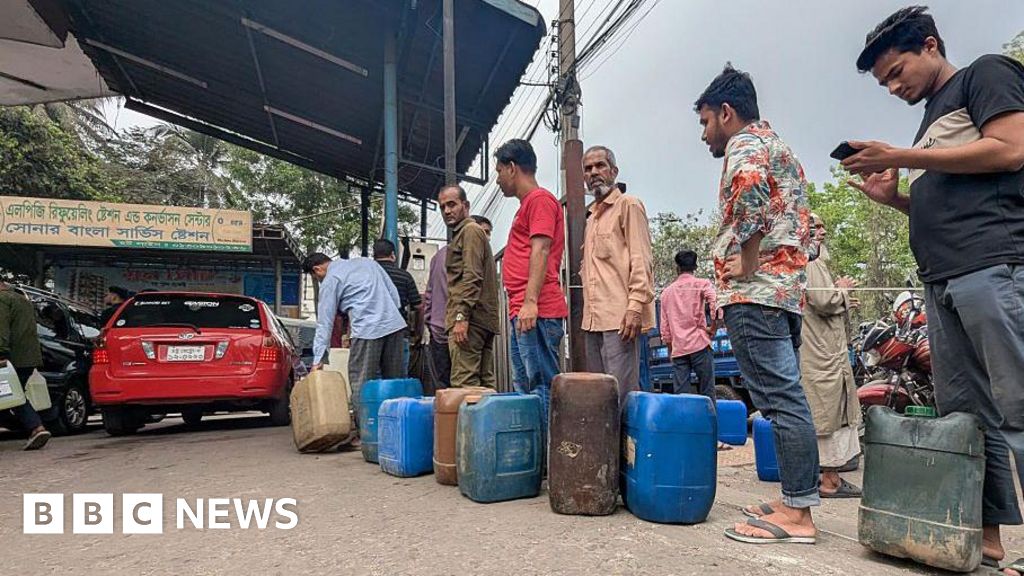
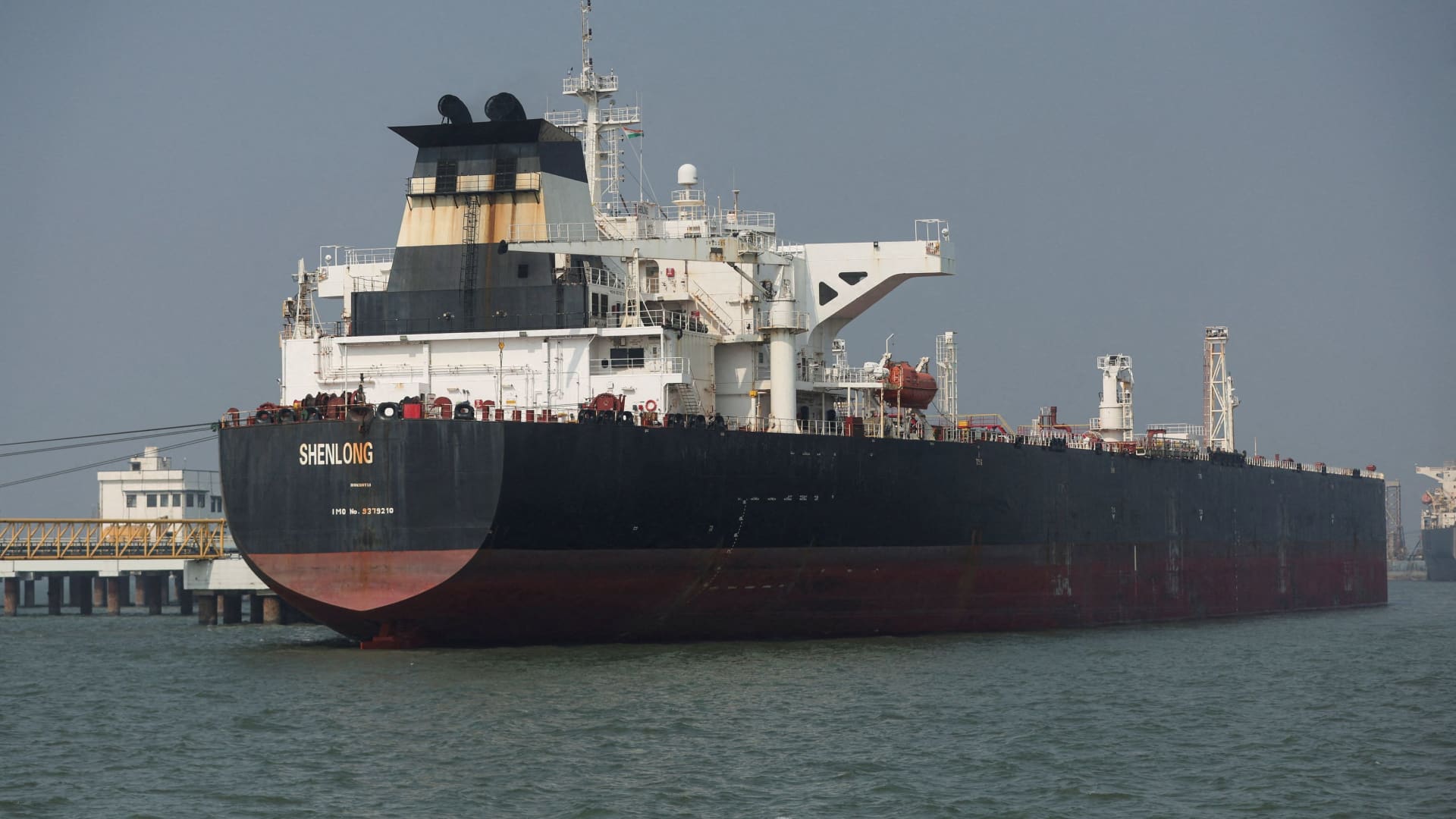
The Iran war is restricting shipments of Saudi and Iraqi oil through the crucial Strait of Hormuz. That's raising prices on gas and other items.

Oil prices surged about 20%, hitting their highest since July 2022.
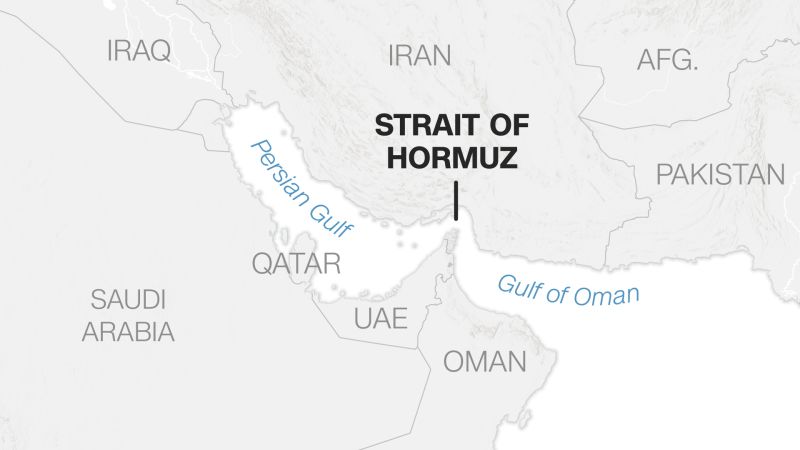
The Strait of Hormuz, through which roughly one-fifth of the world's oil and liquefied natural gas typically passes, is virtually shut.

Oil prices have shot up as the war snarls transportation and production in one of the most energy-rich regions on earth.

The conflict is driving up energy prices; threatening food shortages in poor countries; and complicating options for the inflation fighters at central banks.

A Strait of Hormuz closure due to U.S.-Iran war hit the oil market hard, but sectors reliant on shipping across economy from metals to farming are vulnerable.

The Iran war is restricting shipments of Saudi and Iraqi oil through the crucial Strait of Hormuz. That's raising prices on gas and other items.

Countries around the world are feeling the impact of the conflict and the resulting energy price shock.

Middle East fighting has led to higher oil prices, causing companies to add fuel surcharges that will impact consumers.

Energy markets remain on tenterhooks as the prospect of prolonged war in the Middle East grows.

The retail industry could soon be taking the next hit from the Iran war's disruption to the global supply chain.

Jet fuel costs — which account for about 30% of airline expenses, according to Deutsche Bank — have spiked since the Iran war began.