HomeAI · summaries
Storia in 2 fonti
When is daylight saving time in the US? Get ready to ‘spring forward’
Stay up to date with notifications from The IndependentNotifications can be managed in browser preferences.Jump to contentThank you for registeringPlease refresh the page or navigate to another page on the site to be automatically logged inPlease refresh your browser to be logged inAllNewsSportCultureLifestyleDST begins on the second Sunday in March, with clocks jumping forward an hour at 2 a.m. on Sunday, March 8 (Getty Images)Daylight saving time is quickly approaching in the United States, which means longer evenings and one less hour of sleep.DST begins on the second Sunday in March, with clocks jumping forward an hour at 2 a.m. on Sunday, March 8. That means you should set your clock forward an hour before going to bed Saturday night.Daylight saving time ends on Sunday, Nov. 1, when clocks are set back an hour, meaning one extra hour of sleep.There have been many efforts to change or eliminate the loathed daylight saving time, with doctors arguing that the disruption in sleep schedules can have negative effects, but none have been successful so far.In fullAbolishing daylight saving time could slash these life-threatening health conditionsThank you for registeringPlease refresh the page or navigate to another page on the site to be automatically logged inPlease refresh your browser to be logged in
Confronto fonti
2 prospettive sulla stessa storiaTimeline cronologica
- ·
usatoday.com
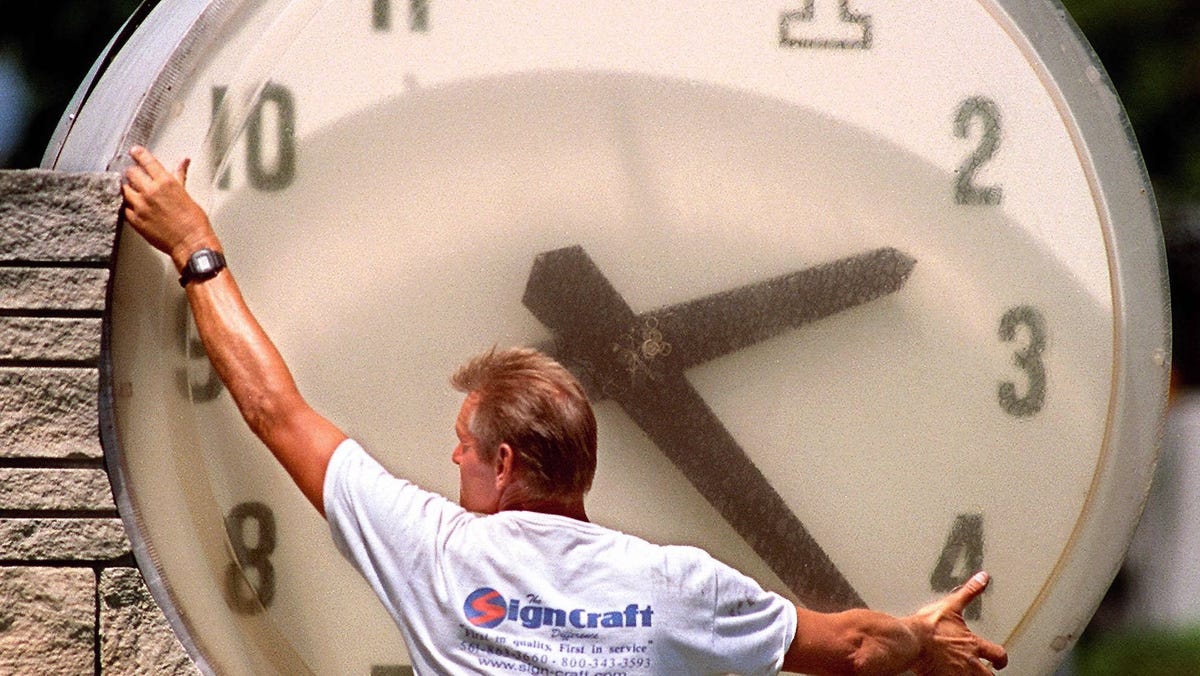
Daylight saving time is bad for our health, studies say. Why hasn’t it changed?
Here's a look at some health impacts of daylight saving time – and why we still have it.
- ·
independent.co.uk
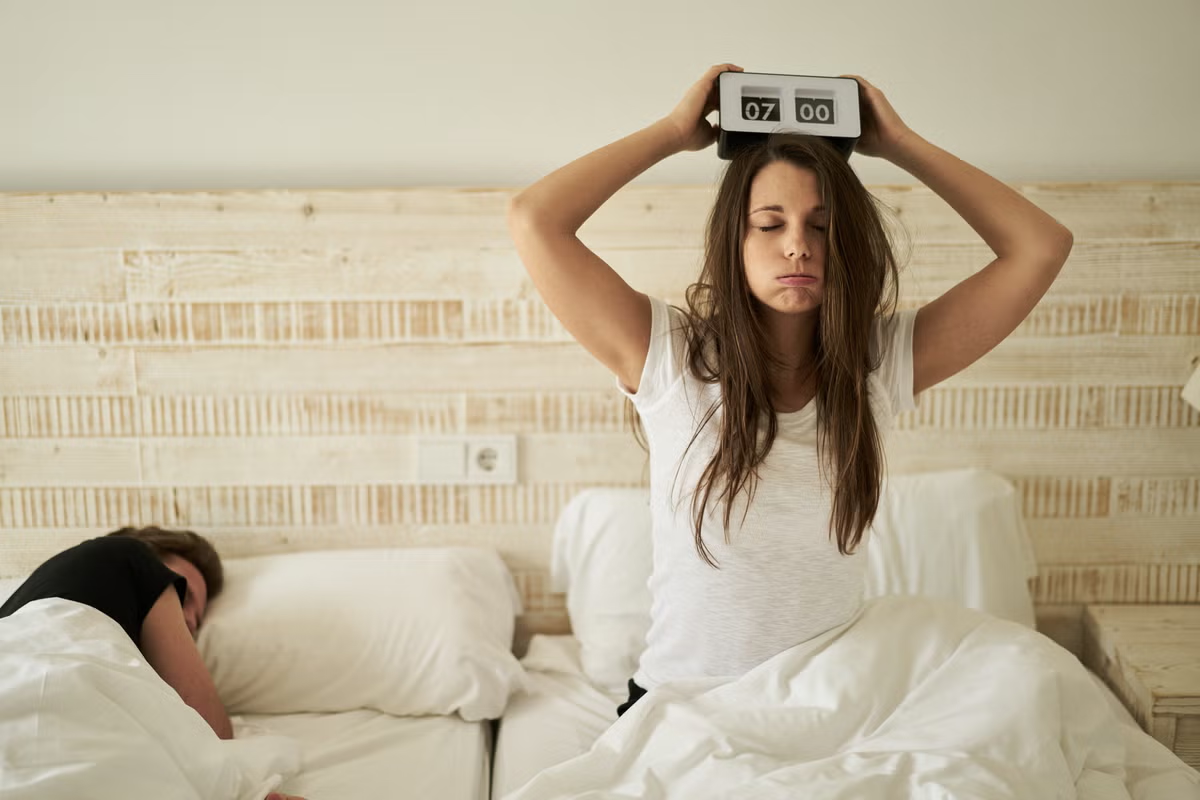
When is daylight saving time in the US? Get ready to ‘spring forward’
Stay up to date with notifications from The IndependentNotifications can be managed in browser preferences.Jump to contentThank you for registeringPlease refresh the page or…