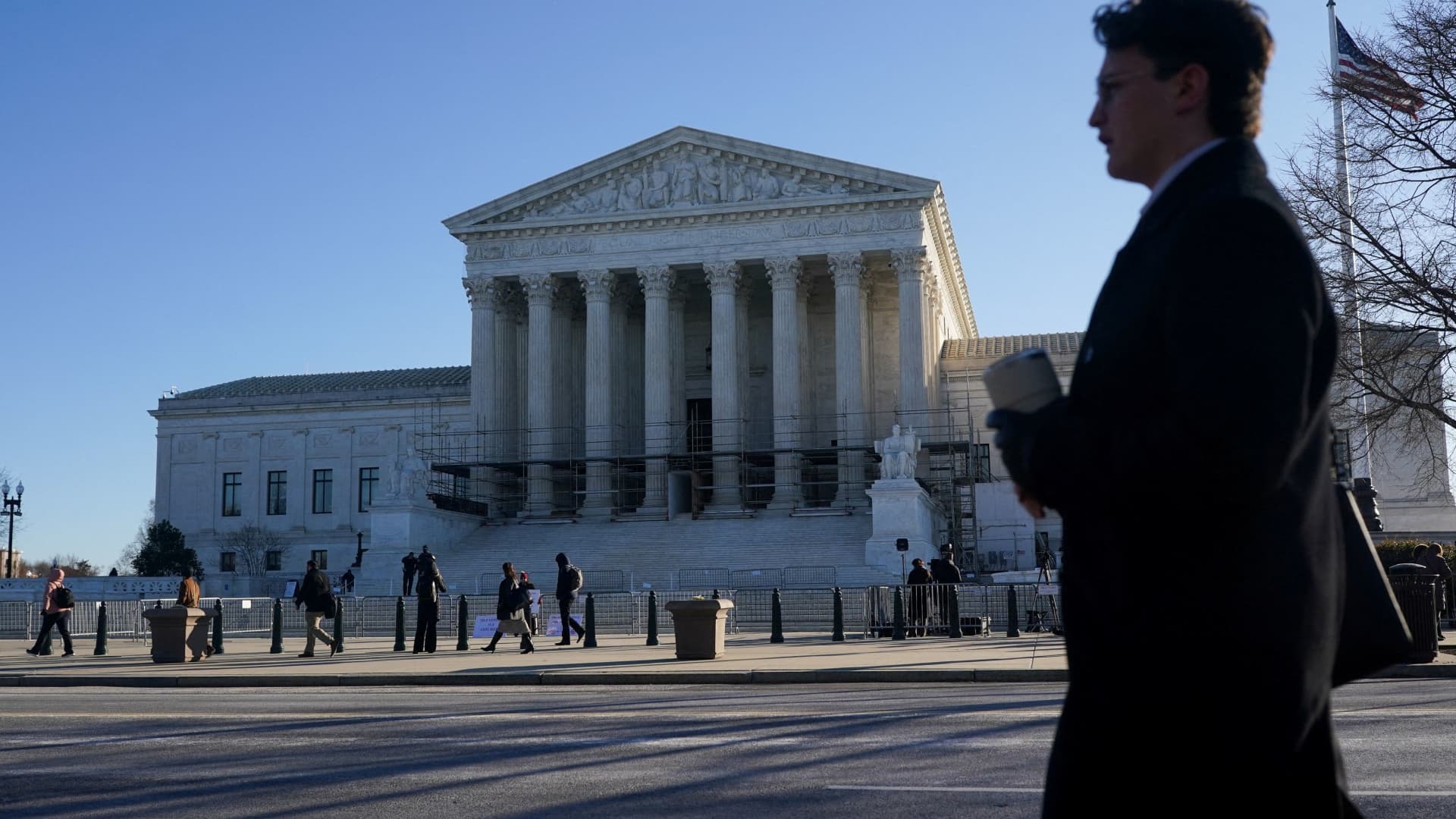
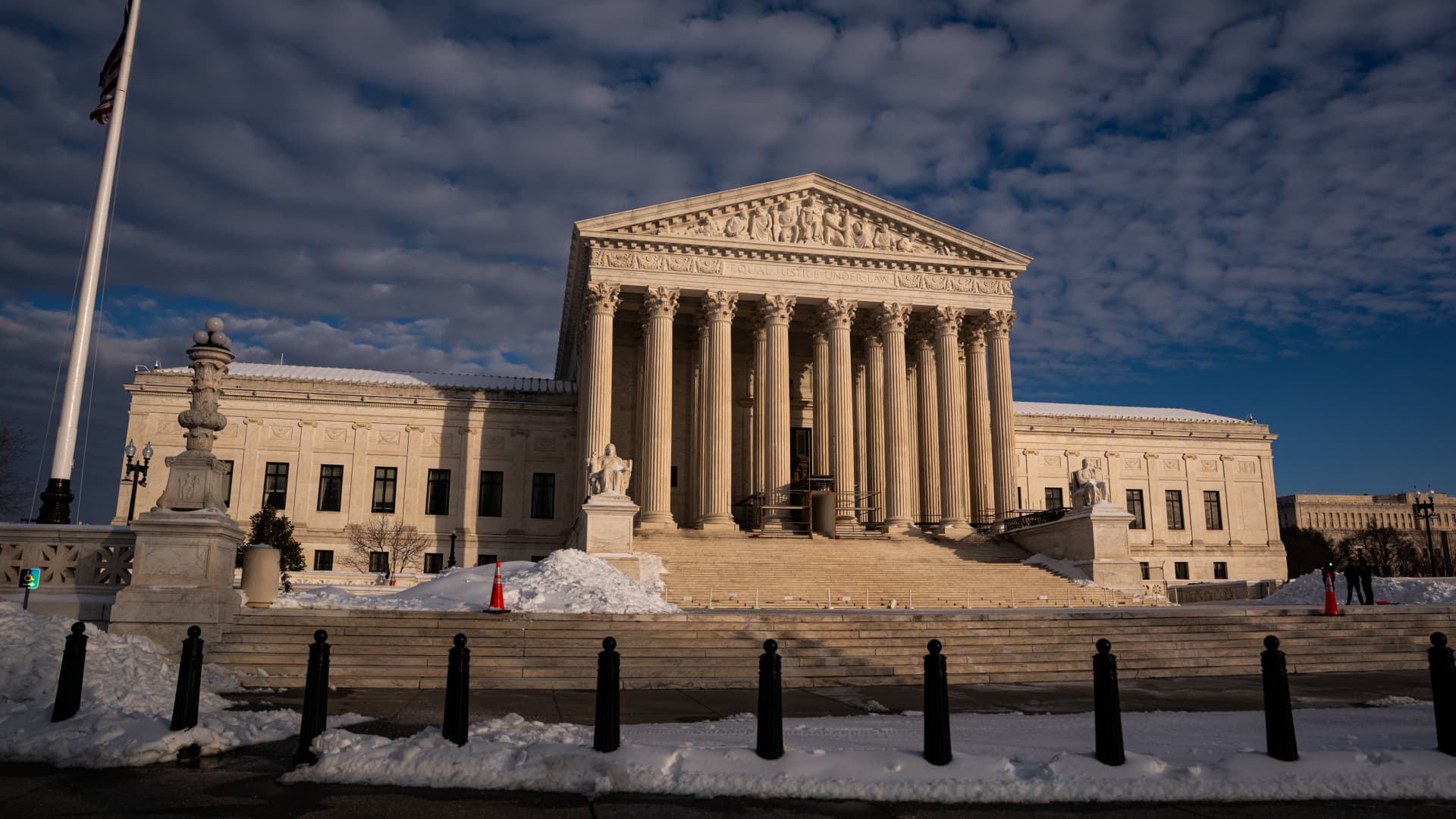
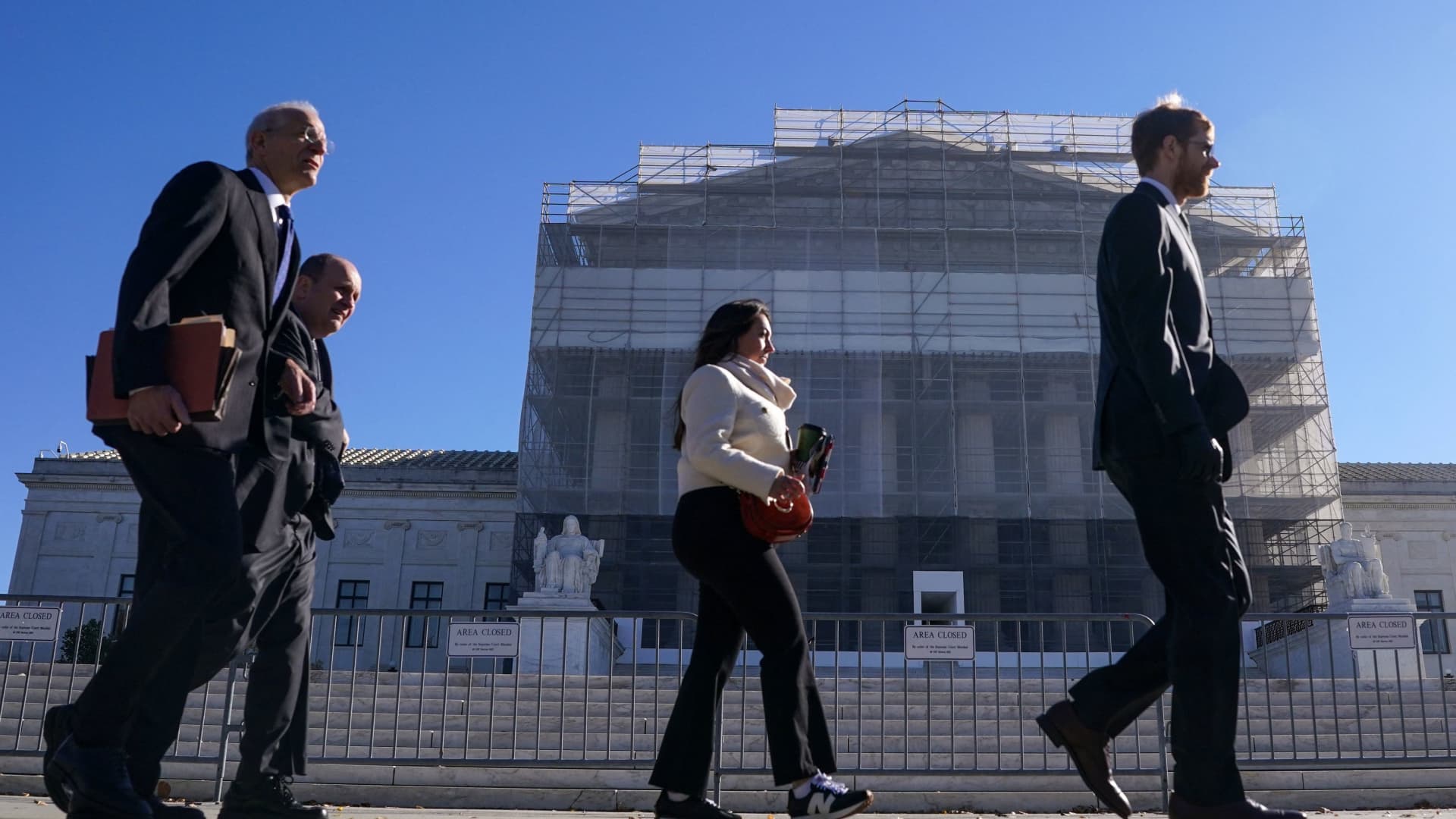
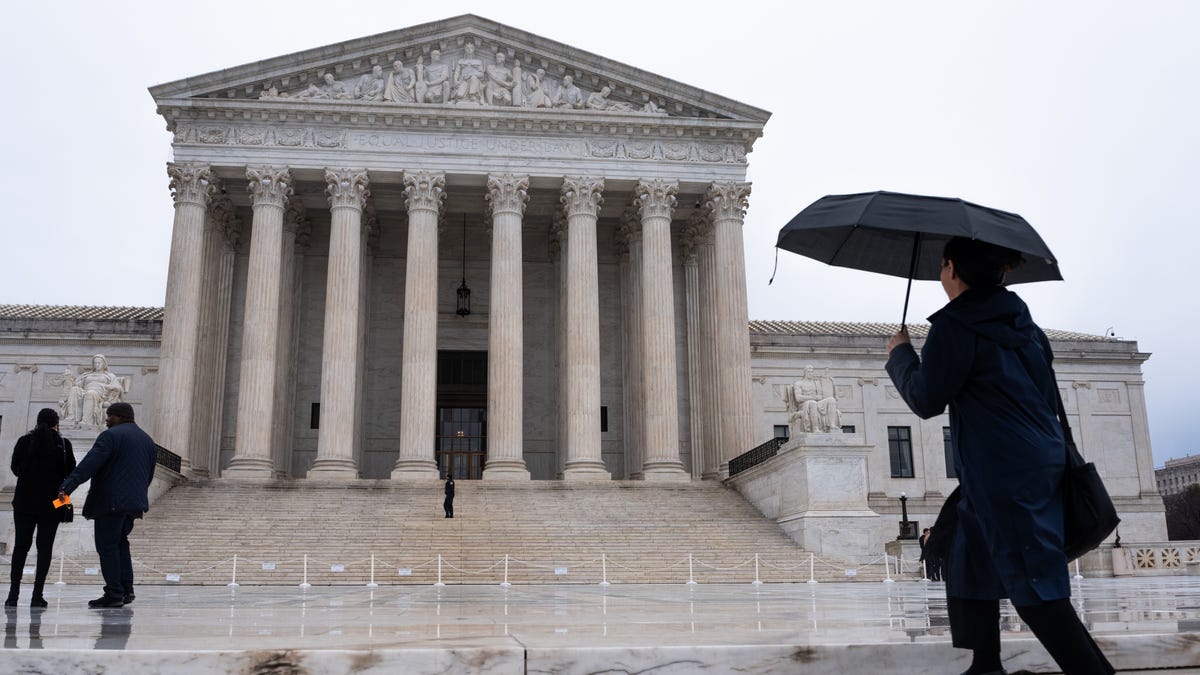
The Supreme Court is poised to rule on a broad swath of President Donald Trump's tariff agenda. The decision carries big implications for household finances.
The looming decision on presidential tariff authority could reshape the cost structure for the world's biggest consumer-facing companies.

The Supreme Court is poised to rule on a broad swath of President Donald Trump's tariff agenda. The decision carries big implications for household finances.
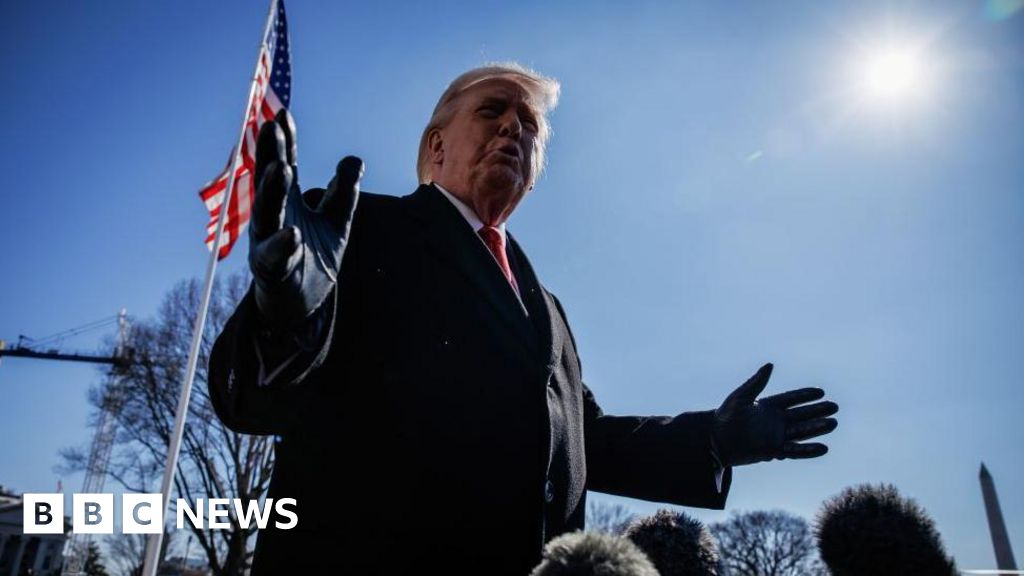
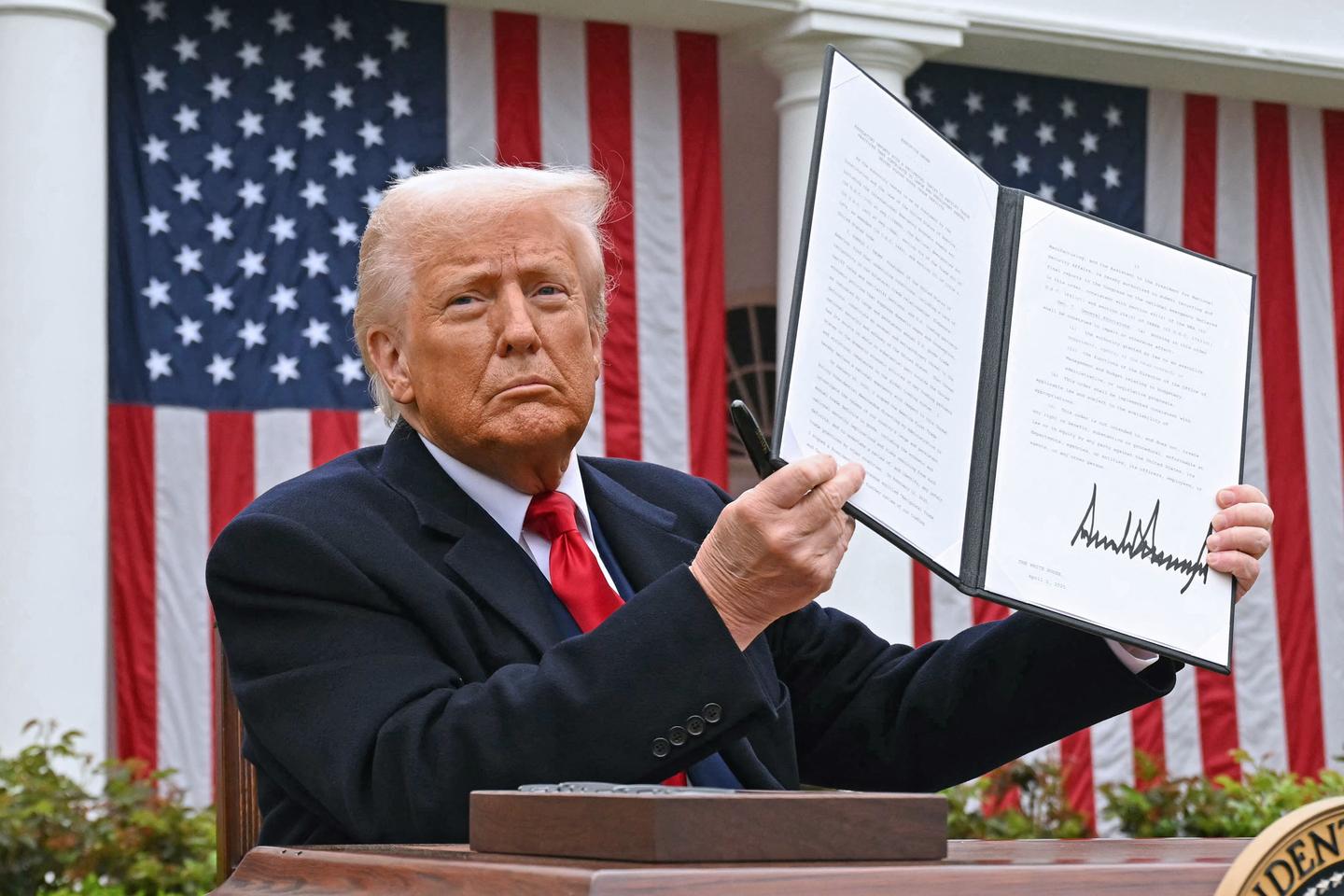
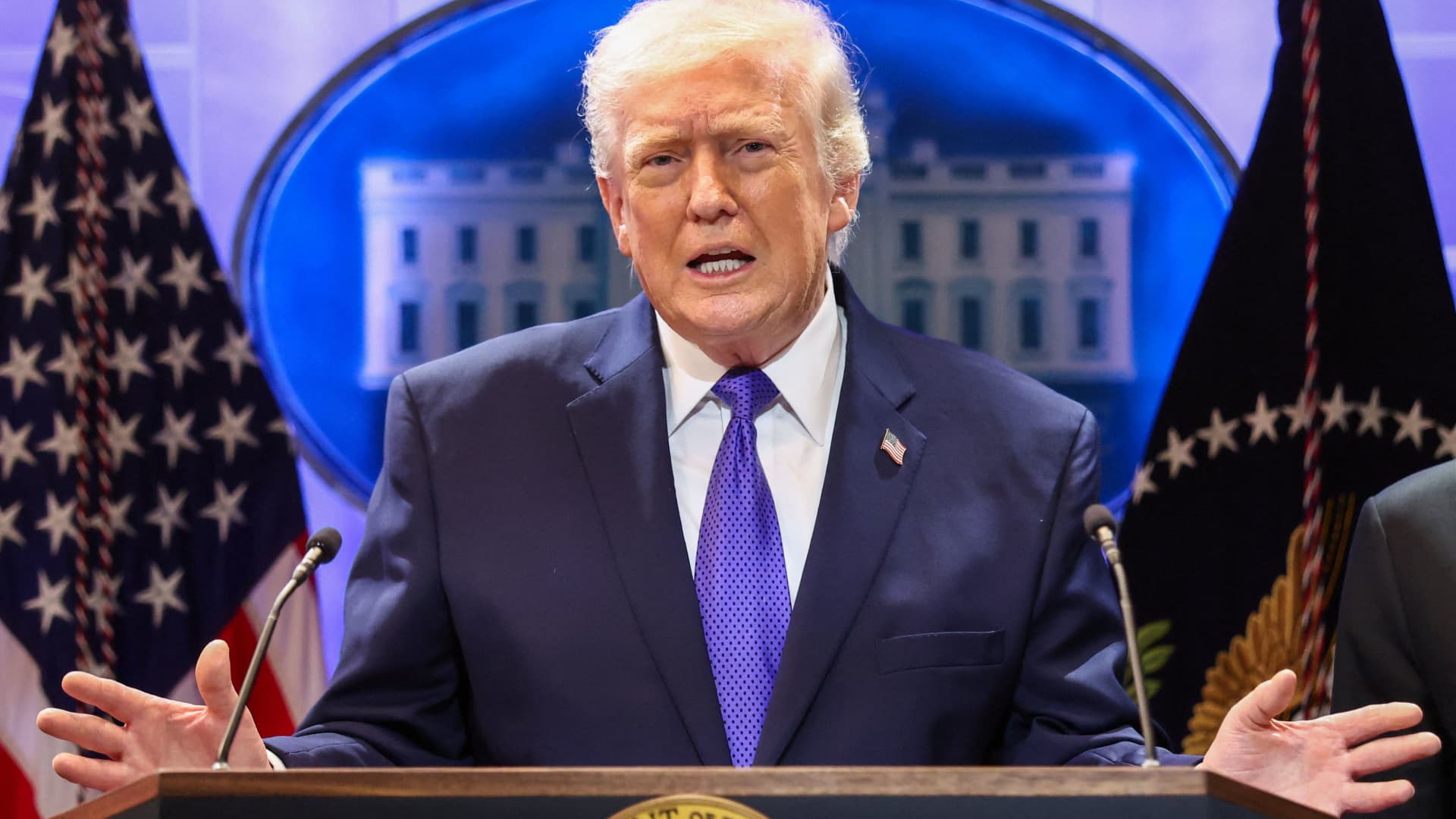
Trump, as recently as Thursday, has talked up the consequences of the Supreme Court striking down his tariffs prior to the seismic ruling.

Supreme Court Justice Brett Kavanaugh, in his dissent, warned that "the refund process" for tariffs "is likely to be a 'mess,' " citing oral arguments

The Supreme Court ruling that President Trump's tariffs are illegal will lead companies to seek billions in refunds, but the decision was silent on the issue.

The Supreme Court ruled against a centerpiece of President Donald Trump's tariff agenda on Friday. Consumers could save money as a result, economists said.

Refunds for importers and negotiations for new trade deals are among issues to watch after the Supreme Court overturned Trump's tariffs.

The Supreme Court has weakened Trump's hand in dealing with other nations, writes Anthony Zurcher.

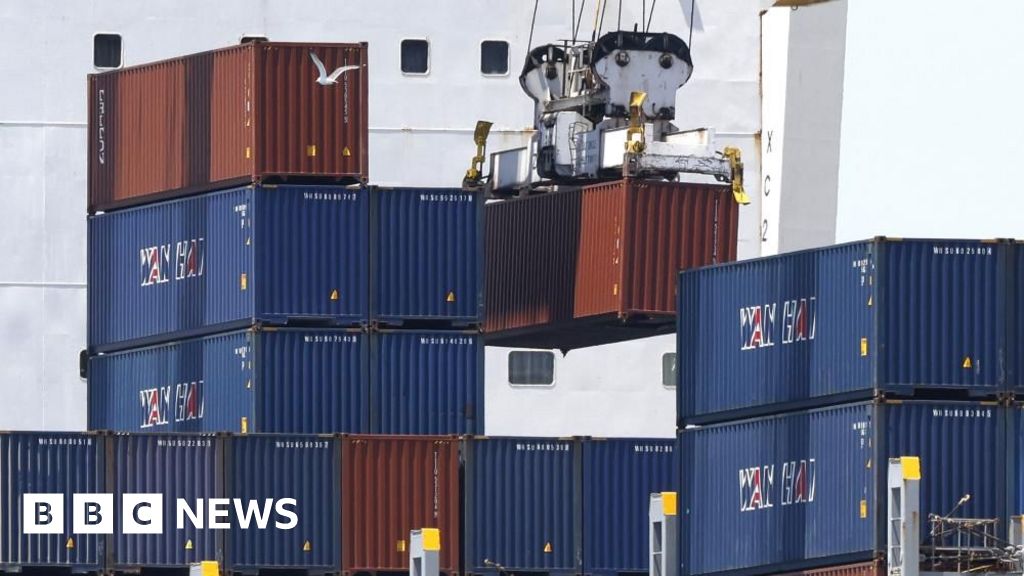
The ruling opens the door to potentially hundreds of billions of dollars in tariff refunds.

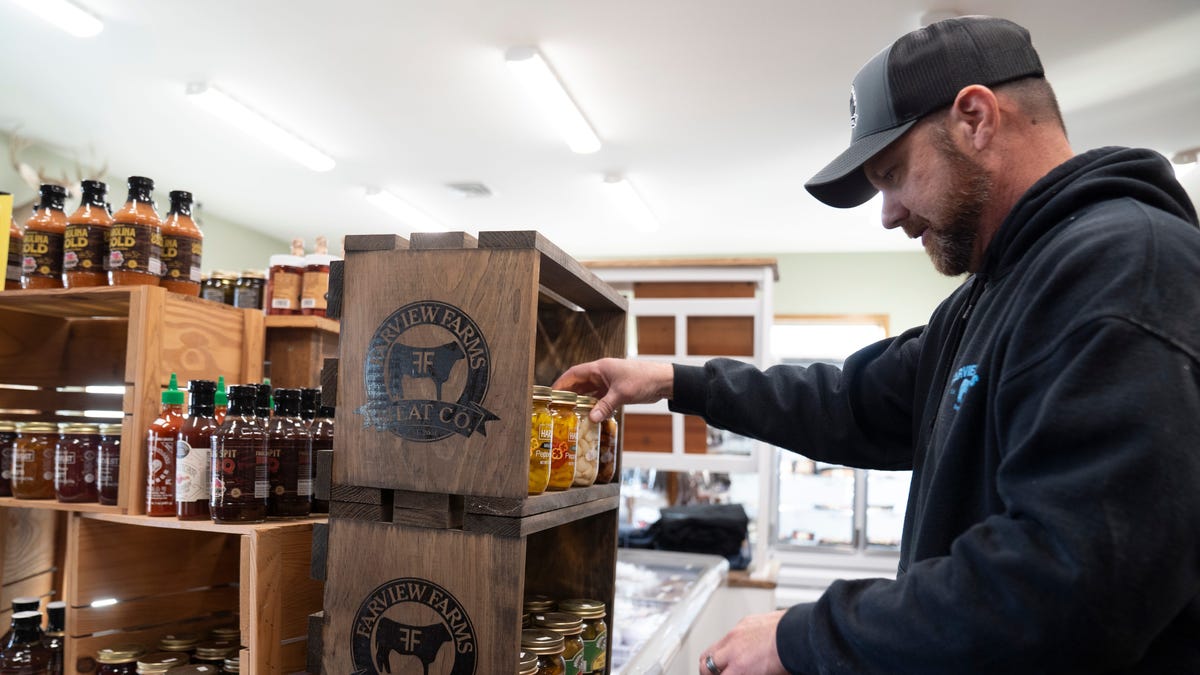
Consumers could see some relief at the checkout counter in coming months because of the high court ruling on tariffs.

The US Supreme Court ruled that 'reciprocal' tariffs imposed by the American president were illegal.

Costco and other firms that filed early lawsuits may have an edge when it comes to collecting any refunds.

The Supreme Court's decision has led questions over whether people can get a refund over the unlawful tariffs.

What's far less certain is the longer-reaching impacts as the economy and markets again adjust to a changing landscape.

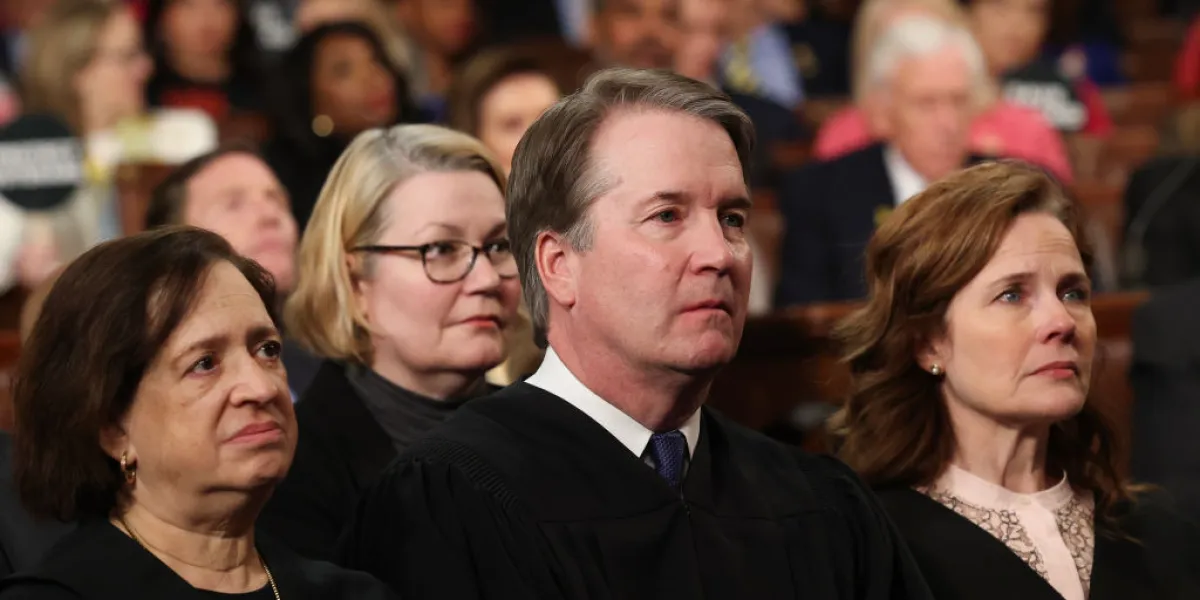
The decision on the tariffs was made 6-3. So, how did each of the nine justices vote?