WARPTECHNEWS · LAB
HomeAIBusinessTechArchive
WARPTECH LAB NEWS

Warptech Lab News aggrega le notizie più rilevanti da oltre 700 fonti internazionali, con classificazione AI, TL;DR sintetici e timeline cluster su singole storie.

Navigazione

  • Home
  • Archivio
  • Editor's Brief
  • Cerca
  • Il tuo account
  • Newsletter tech/AI

Informazioni legali

  • Privacy Policy
  • Termini di servizio
  • Cookie Policy

© 2026 Sparktech S.R.L. — Tutti i diritti riservati. Sito gestito e manutenuto da Sparktech S.R.L.

Sede legale: Corso Libertà 55, 13100 Vercelli (VC), Italia · P.IVA / C.F. 02835910023 · Contatti: admin@warptechlab.com

Home
Storia in 2 fonti

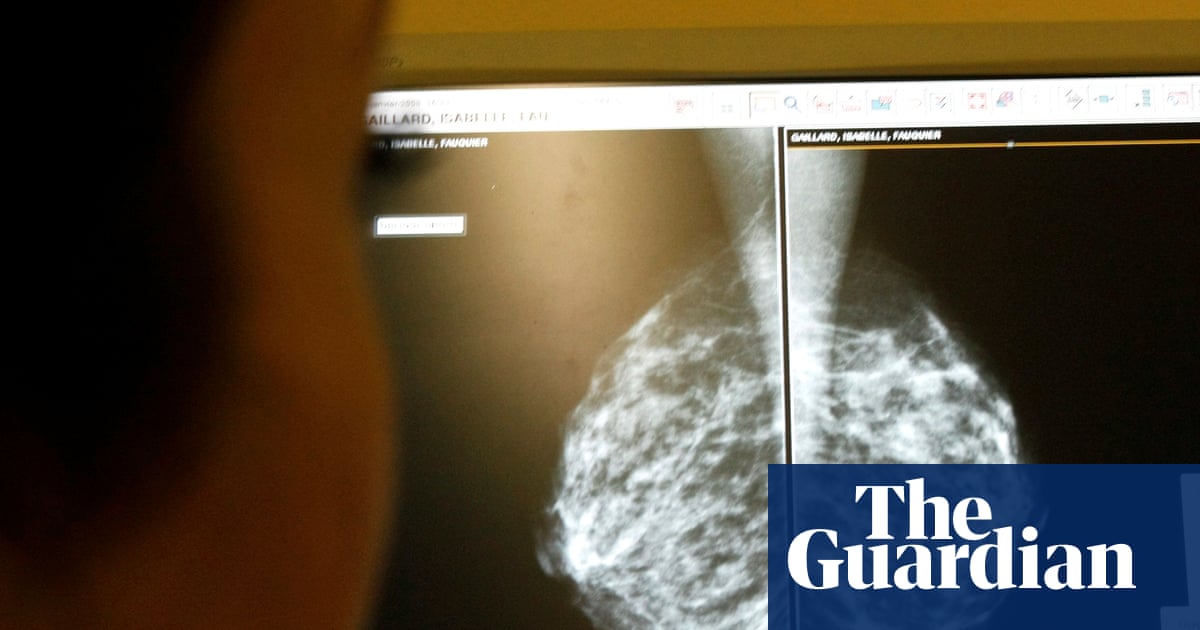
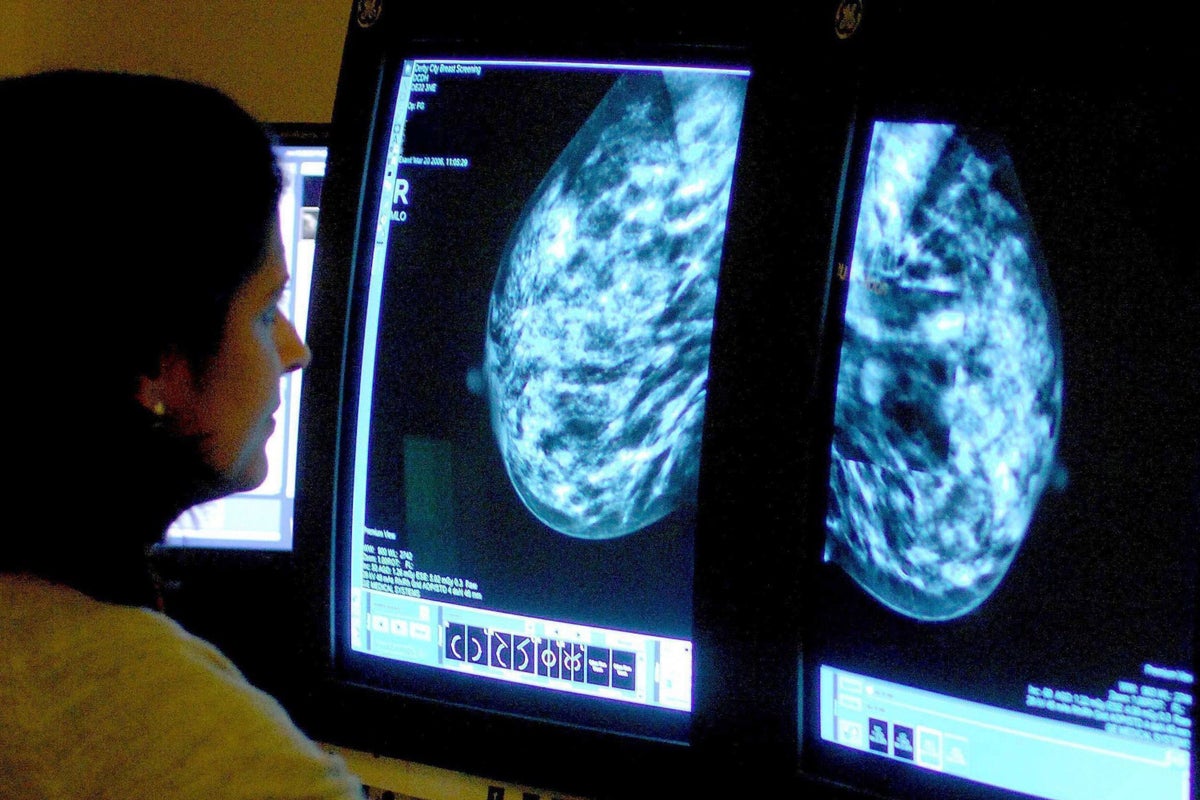
AI-supported breast cancer screenings result in fewer aggressive cases

Routine screening prevents around 1,300 deaths from breast cancer each year in the UK, but AI-supported mammography screenings could save more lives

Raccontata datheguardian.comindependent.co.uk

Confronto fonti

2 prospettive sulla stessa storia
AI · summaries
independent.co.ukStai leggendo5 mesi fa

AI-supported breast cancer screenings result in fewer aggressive cases

Routine screening prevents around 1,300 deaths from breast cancer each year in the UK, but AI-supported mammography screenings could save more lives

originale
theguardian.com5 mesi fa

AI use in breast cancer screening cuts rate of later diagnosis by 12%, study finds

Swedish study of 100,000 women found higher rate of early detection, suggesting potential to support radiologists

Leggi questa versione → originale

Timeline cronologica

  1. venerdì 30 gennaio 2026·theguardian.com

    AI use in breast cancer screening cuts rate of later diagnosis by 12%, study finds

    Swedish study of 100,000 women found higher rate of early detection, suggesting potential to support radiologists

  2. venerdì 30 gennaio 2026·independent.co.uk

    AI-supported breast cancer screenings result in fewer aggressive cases

    Routine screening prevents around 1,300 deaths from breast cancer each year in the UK, but AI-supported mammography screenings could save more lives