HomeAI · summaries
Storia in 10 fonti
Trump signs government funding bill to end longest government shutdown in history
The legislation will keep the government operating through January 30
Confronto fonti
6 prospettive sulla stessa storiaTimeline cronologica
- ·
tass.com
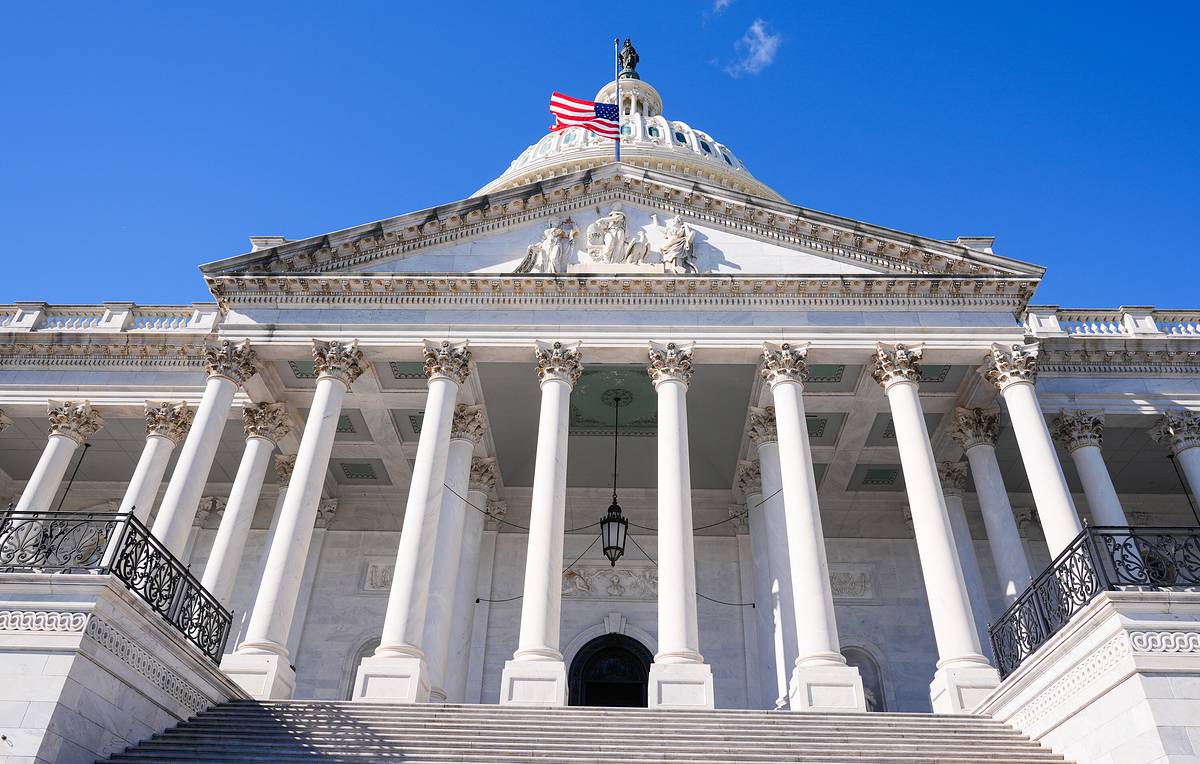
US Senate passes bill to reopen government
The 60-40 vote would end the longest government shutdown in US history
- ·
theguardian.com
Trump news at a glance: Senate passes funding package to end shutdown after Democrats break ranks
Trump said he would “abide by the deal” struck by US lawmakers
- ·
bbc.com
US Senate passes funding bill as historic shutdown nears end
It will need to be approved by the House and then signed into law by the president before the government can reopen.
- ·
aljazeera.com
US Senate passes bill to end longest ever government shutdown
The measure still needs to be approved by the House and signed by US President Donald Trump.
- ·
usatoday.com
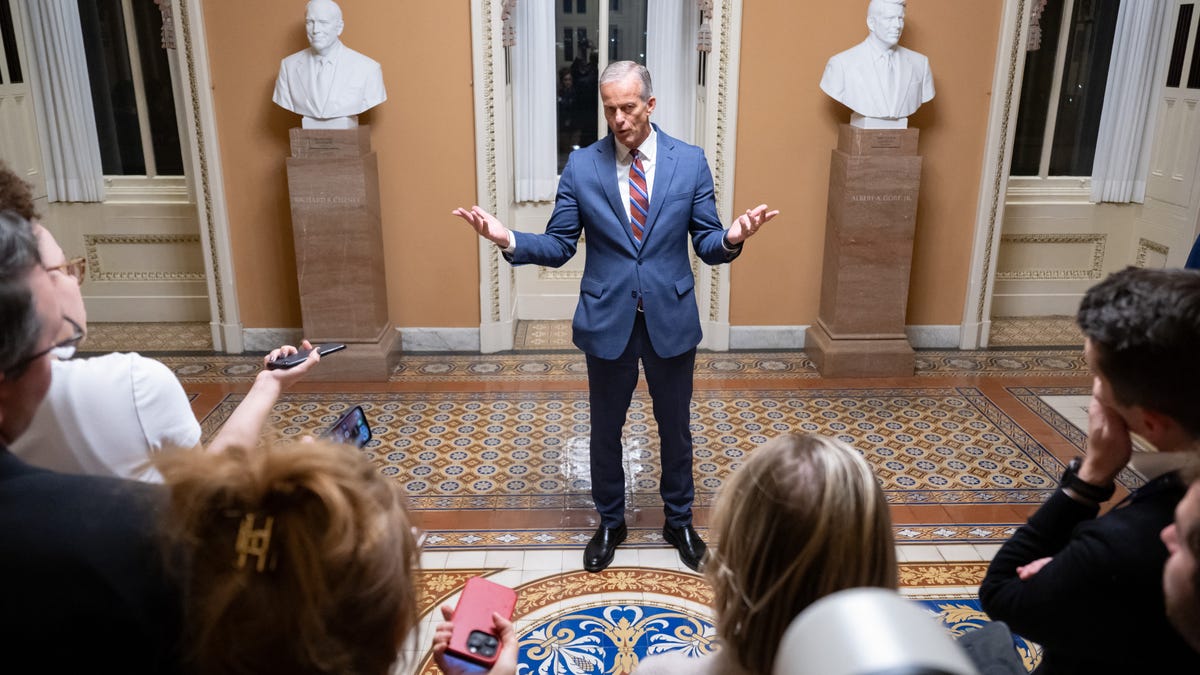
Senate approves deal to end longest-ever shutdown, House vote next. Live updates
The Senate approved a deal to end the nation's longest-ever government shutdown, putting Congress on the brink of resolving a weeks-long fight.
- ·
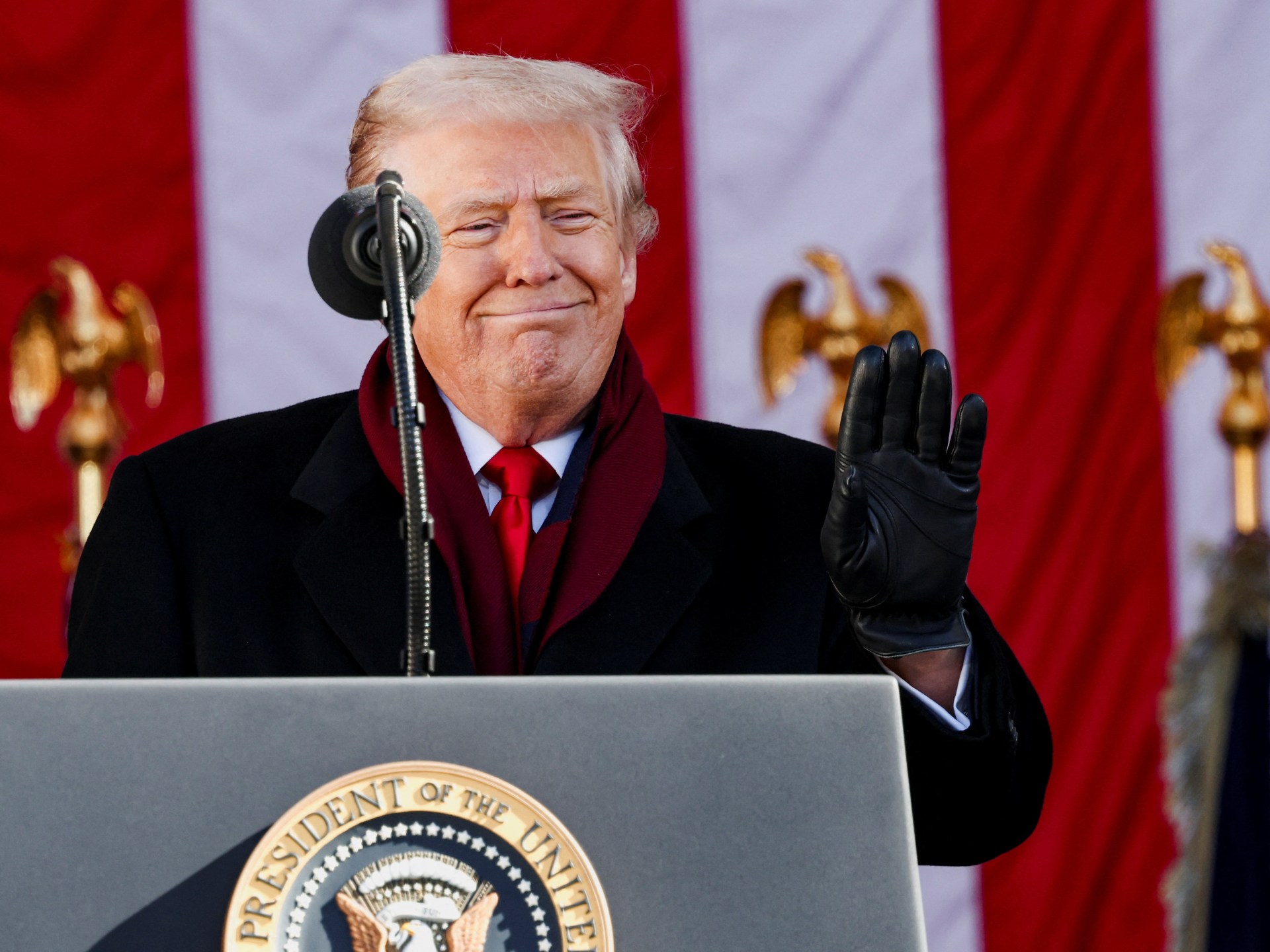
Trump congratulates Republican leaders for ‘big victory’ in ending shutdown
Republican-controlled House of Representatives expected to approve funding bill to reopen US government in coming days.
- ·
lemonde.fr
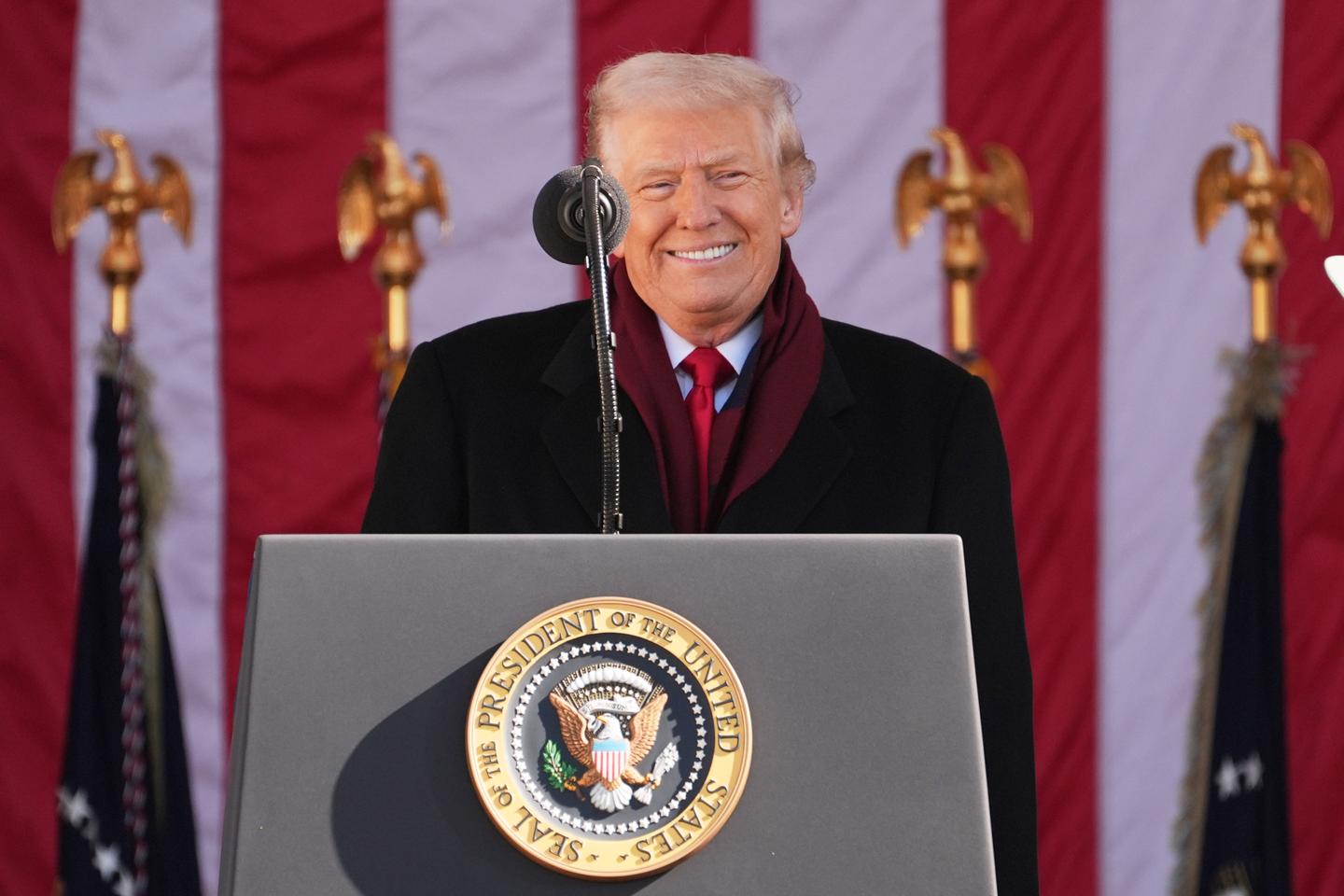
Trump claims 'very big victory' as shutdown vote nears
'We're opening up our country – it should have never been closed,' said Trump during a Veterans Day speech at Arlington National Cemetery in Virginia. The House of Representatives…
- ·
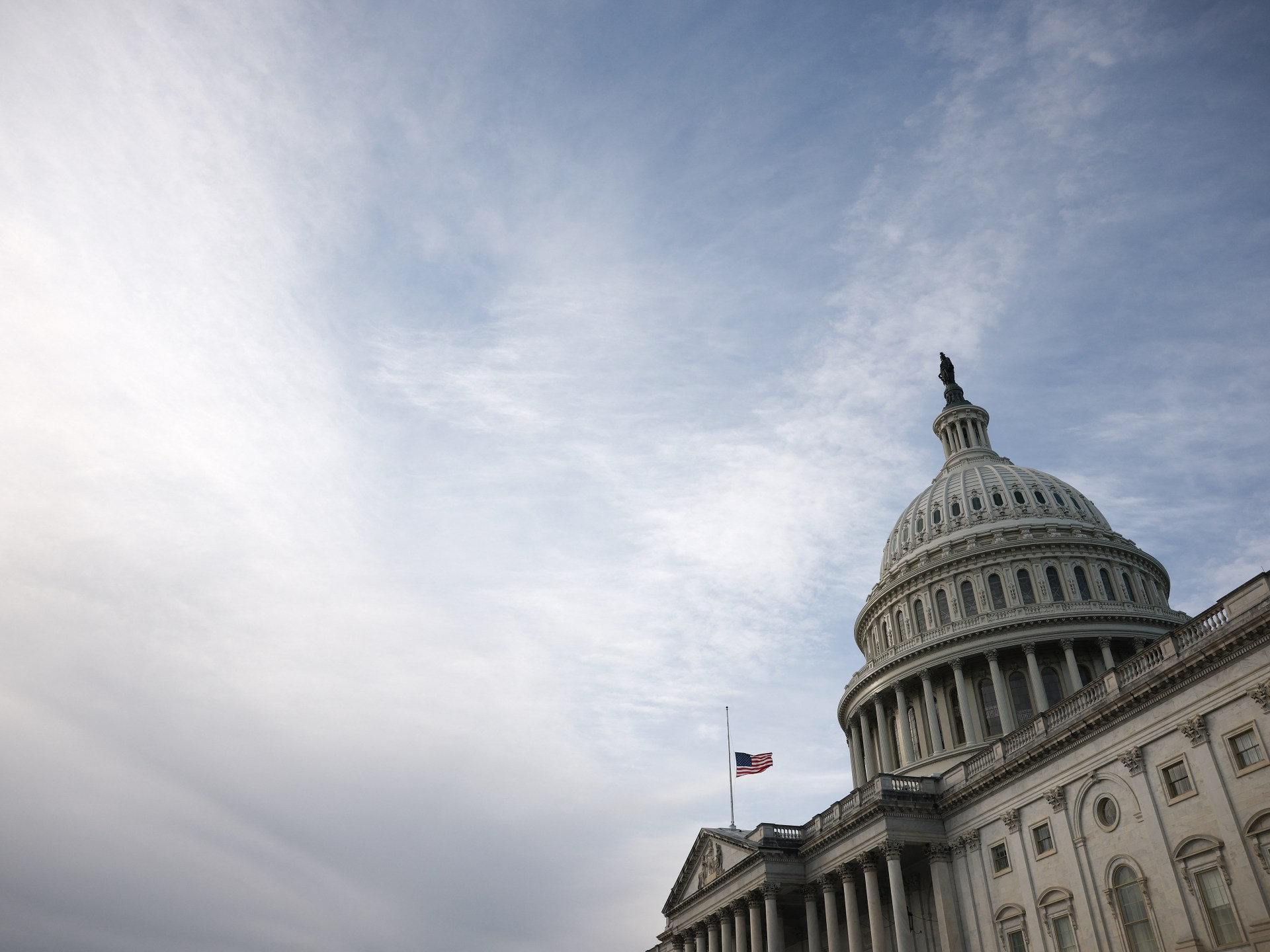
US House returns to Washington for key vote on longest government shutdown
The House of Representatives will hold a session to vote on legislation to end the longest shutdown in US history.
- ·
thehindu.com
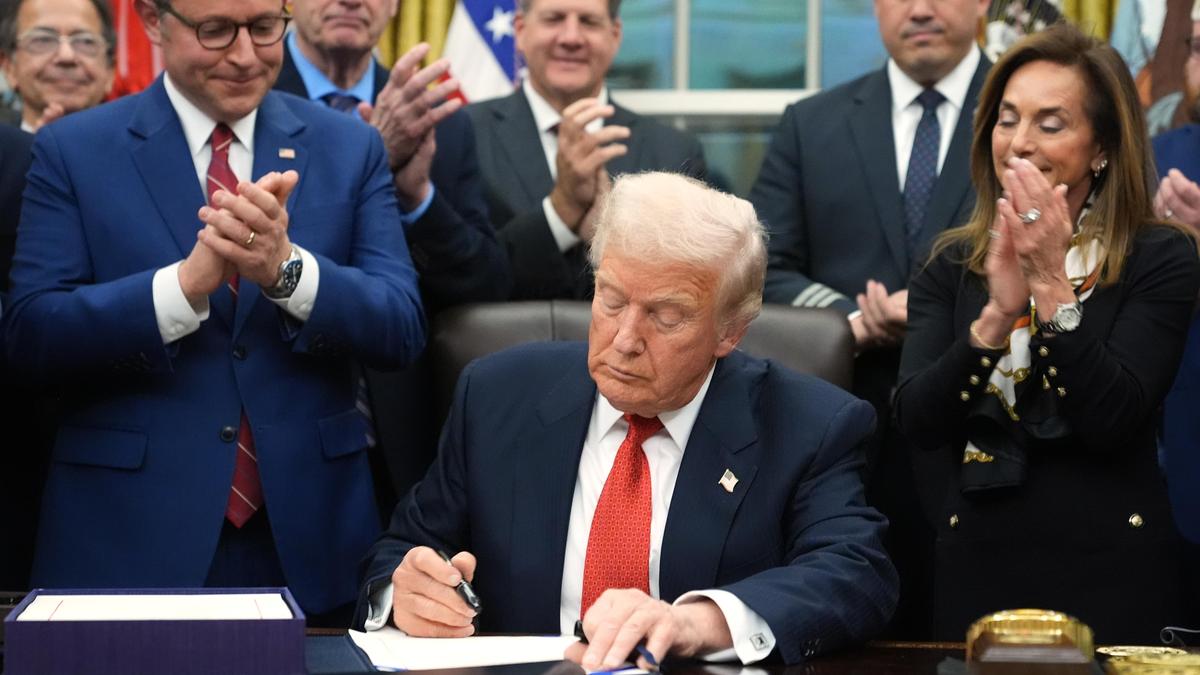
President Trump signs government funding bill, ending shutdown after a record 43-day disruption
U.S. House lawmakers return to vote on a bill to end the longest federal government shutdown in U.S. history.
- ·
huffpost.com

House Passes Government Funding Bill To End Shutdown
Democratic party leaders said they would continue to fight, while others said they should not have stopped.
- ·
forbes.com
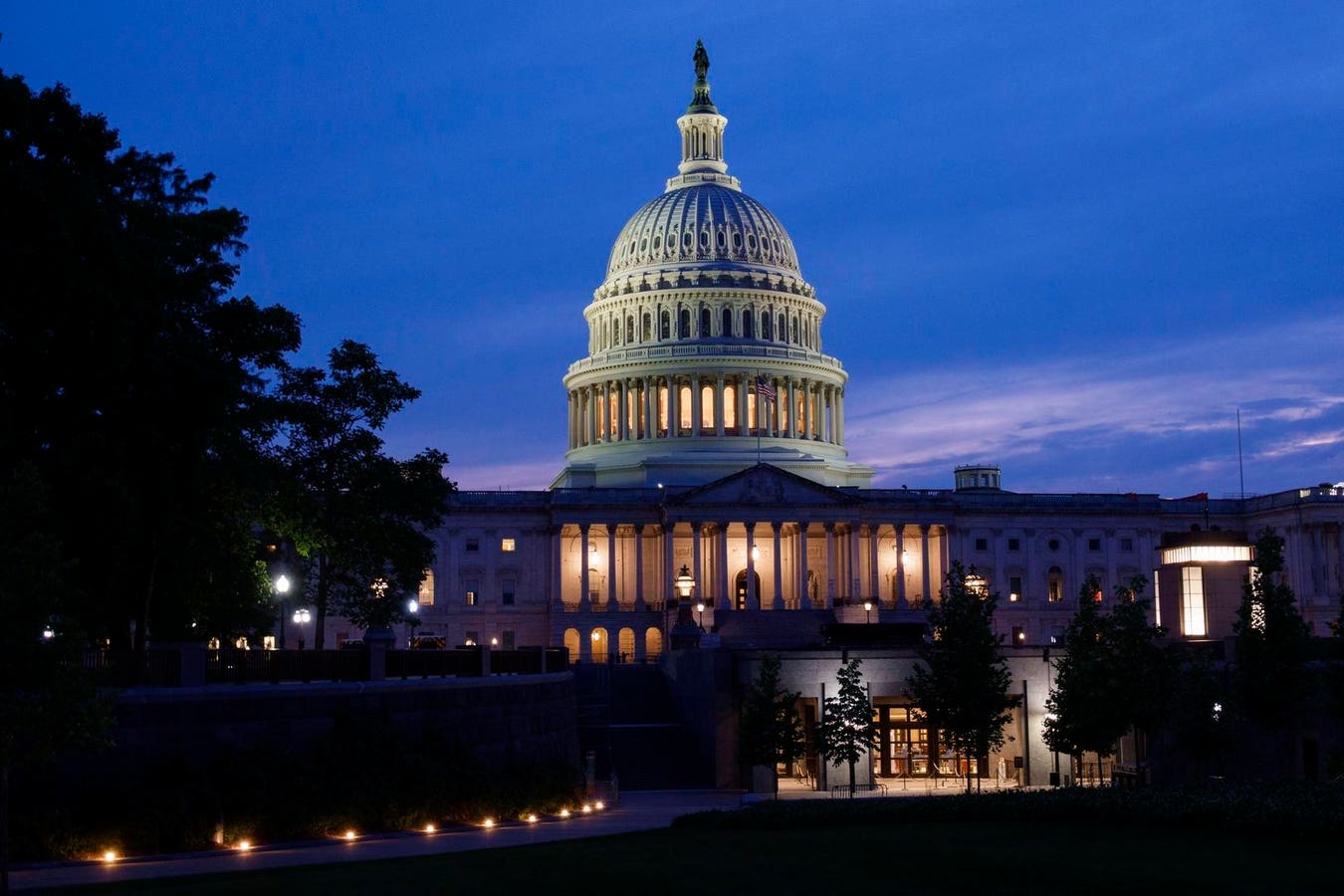
House Passes Bill To Reopen Government
President Donald Trump is expected to sign the bill Wednesday, ending the longest government shutdown in the history of the United States.
- ·
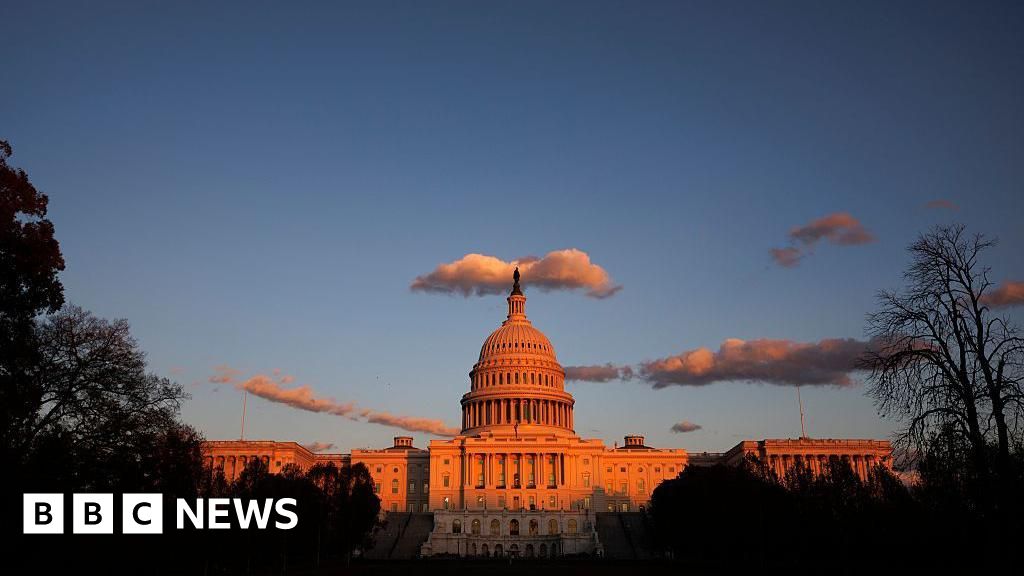
US House passes bill to end record-breaking government shutdown
Once signed by President Donald Trump, the spending bill will reopen the government after 43 days.
- ·

US House passes spending bill to end longest gov’t shutdown in history
The successful vote means the long-delayed bill has now been passed on to President Trump to sign into law.
- ·

Longest US government shutdown in history set to end after House passes bill
Measure to restart federal operations passes narrowly, but excludes healthcare funding demanded by Democrats
- ·

US Congress passes bill to end longest government shutdown history
The document was supported by 222 lawmakers, while 209 voted against it
- ·
Government Shutdown Ends As Trump Signs Funding Bill
President Donald Trump signed a bill Wednesday that ended the longest government shutdown in the history of the United States.
- ·
arabnews.com
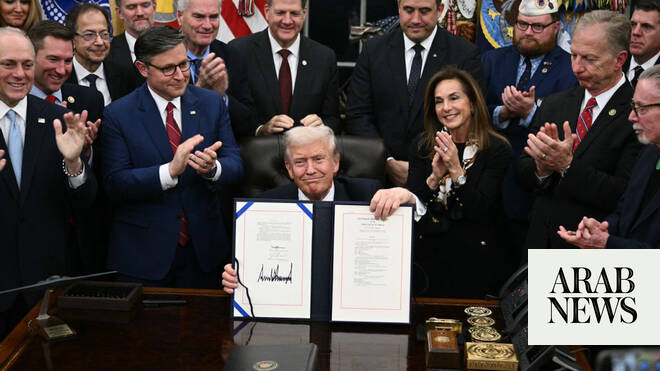
Trump signs deal to end longest US government shutdown in history
WASHINGTON: President Donald Trump on Wednesday signed legislation ending the longest government shutdown in US history, roughly two hours after the House of Representatives voted…
- ·
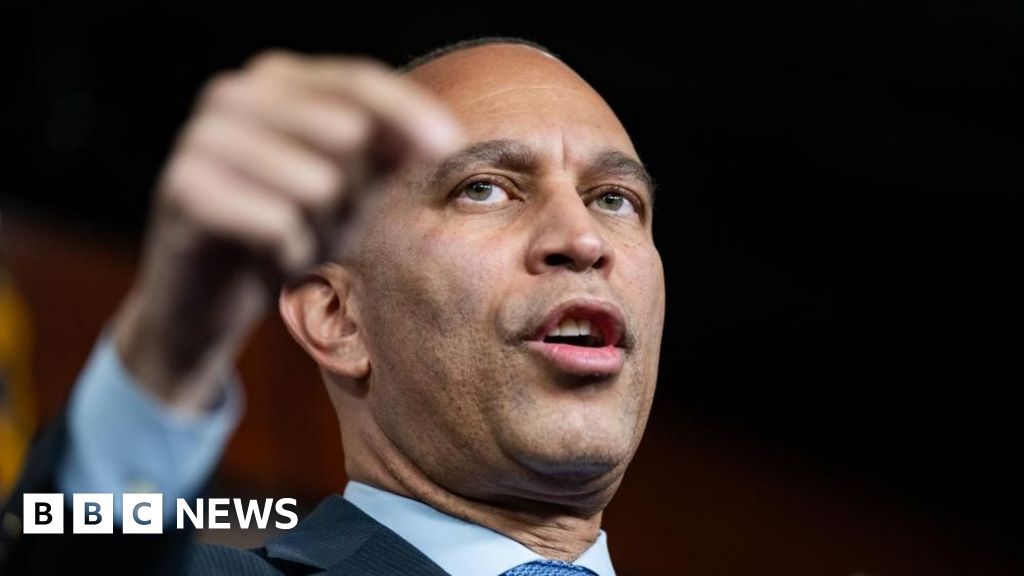
Democrats left bruised after historic shutdown yields little
Trump emerges from the shutdown having made little in the way of substantive concessions to Democrats in Congress.
- ·
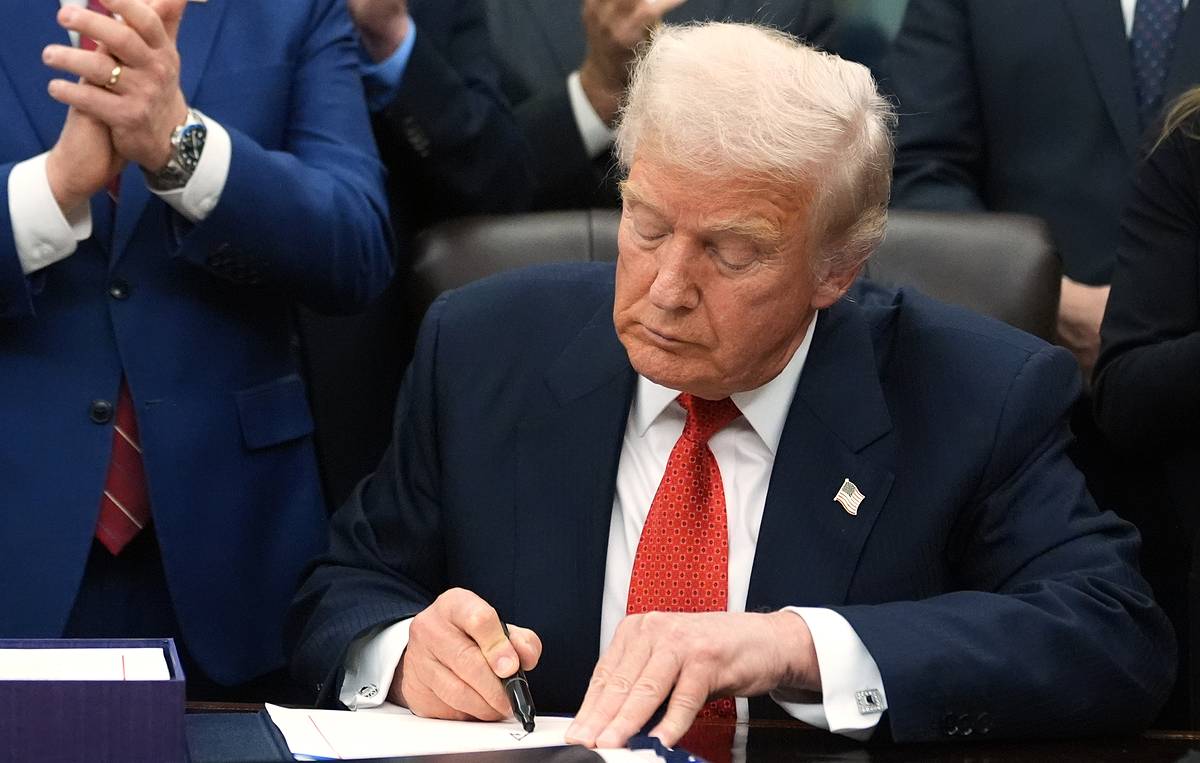
Trump signs government funding bill to end longest government shutdown in history
The legislation will keep the government operating through January 30
- ·
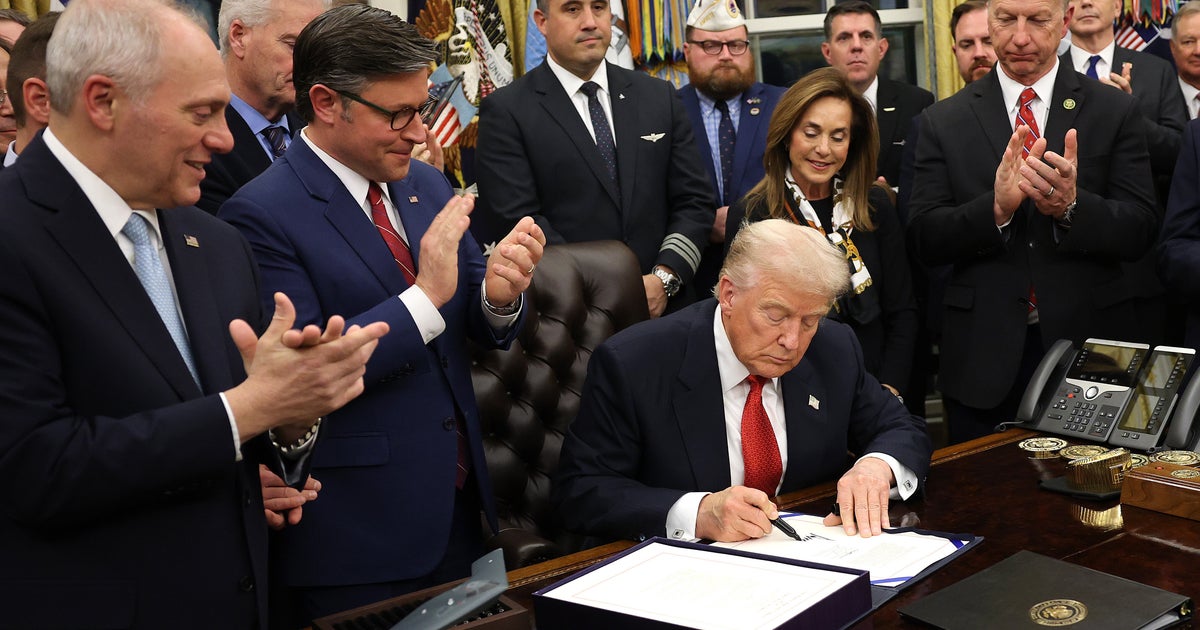
Trump Signs Funding Bill Ending Longest Government Shutdown Following House Approval
Democratic party leaders said they would continue to fight, while others said they should not have stopped.