HomeAI · summaries
Storia in 6 fonti
Why is Trump demolishing the White House's East Wing? Because he wants to | Arwa Mahdawi
The president’s mega-project raises a lot of questions – including when he’s planning on leaving
Confronto fonti
6 prospettive sulla stessa storiaTimeline cronologica
- ·
huffpost.com
National Trust Calls For Halt To Trump's White House Demolition
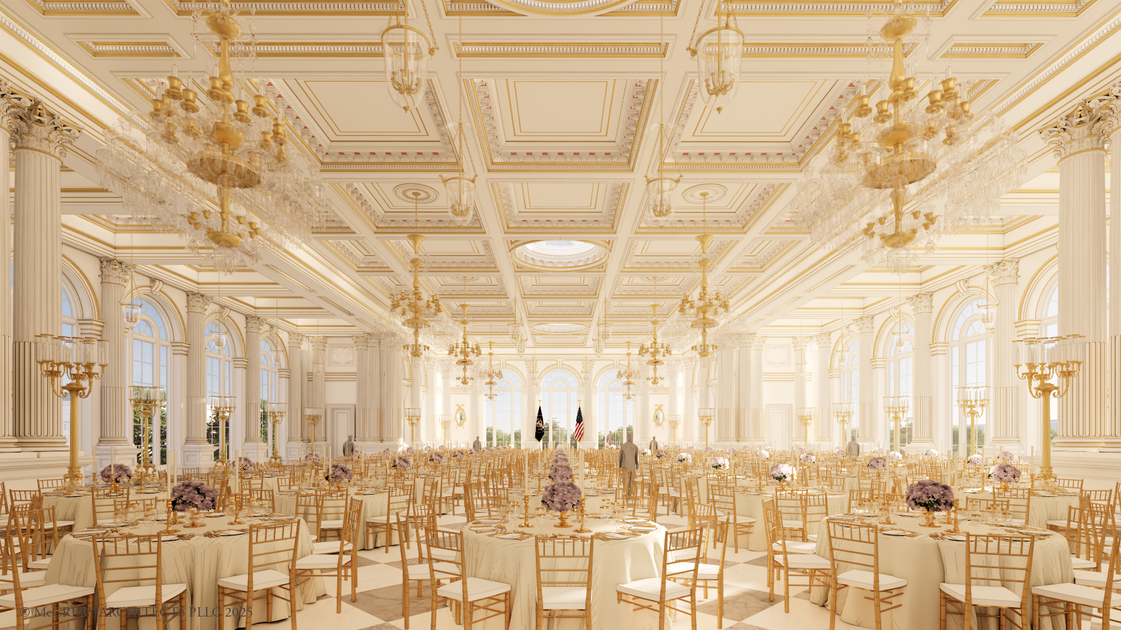
Preservationists fear for how Trump's planned 90,000-square-foot ballroom will sit alongside the White House itself, which is about 55,000 square feet.
- ·
independent.co.uk
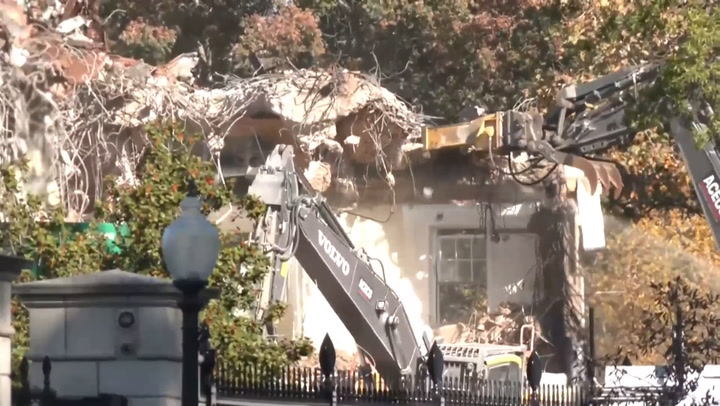
White House demolition clears space for Trump’s $250m ballroom
Donald Trump is continuing to demolish the White House’s East Wing to make room for his $250million ballroom. On Monday (20 October), crews began tearing down parts of the…
- ·
usatoday.com
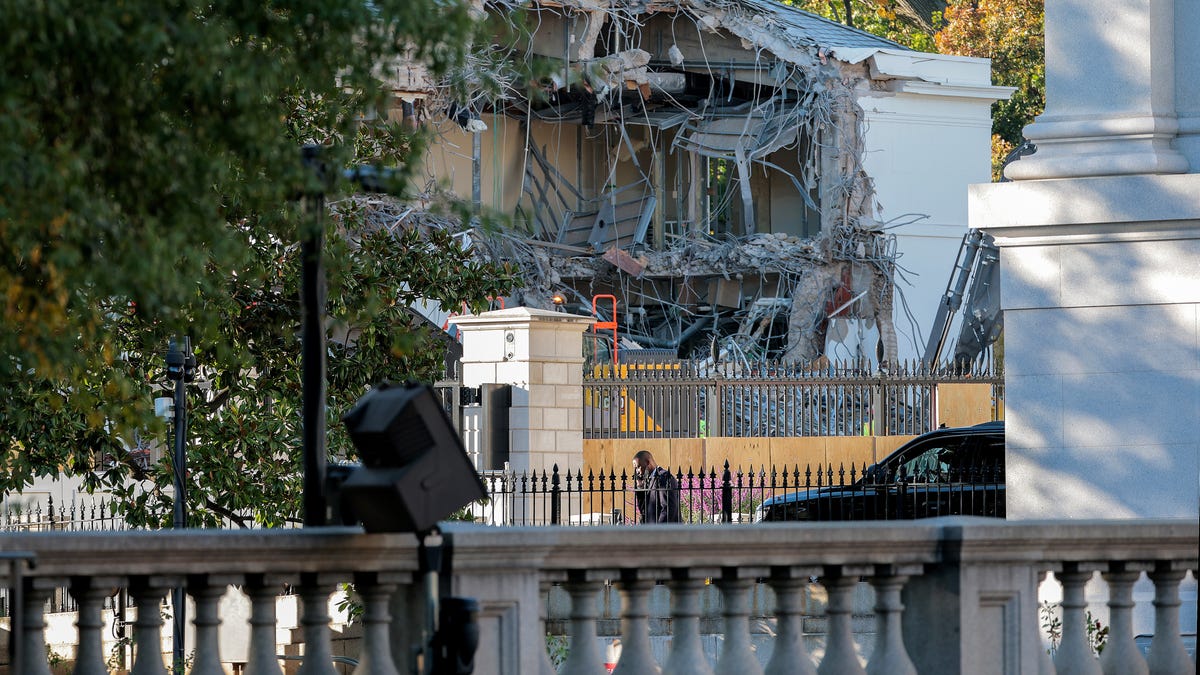
What is the East Wing? Demolitions underway at White House space
The East Wing first began as a terrace that existed during President Thomas Jefferson's administration.
- ·

How Trump is demolishing the White House East Wing for his new ballroom
Construction of Trump's opulent White House ballroom continues with demolition work on East Wing
- ·
forbes.com

Trump’s White House Demolition Isn’t His First Time Leveling A Building — Or Ignoring Preservationists
In 1980, Trump destroyed Art Deco sculptures he'd promised to the Met to speed up Trump Tower's construction—now he's demolishing the White House's East Wing for a massive…
- ·

Trump To Demolish Entire East Wing Of White House By This Weekend
The president previously vowed not to touch the East Wing — "my favorite!" — amid his plans to install a massive, privately funded ballroom.
- ·
bbc.com
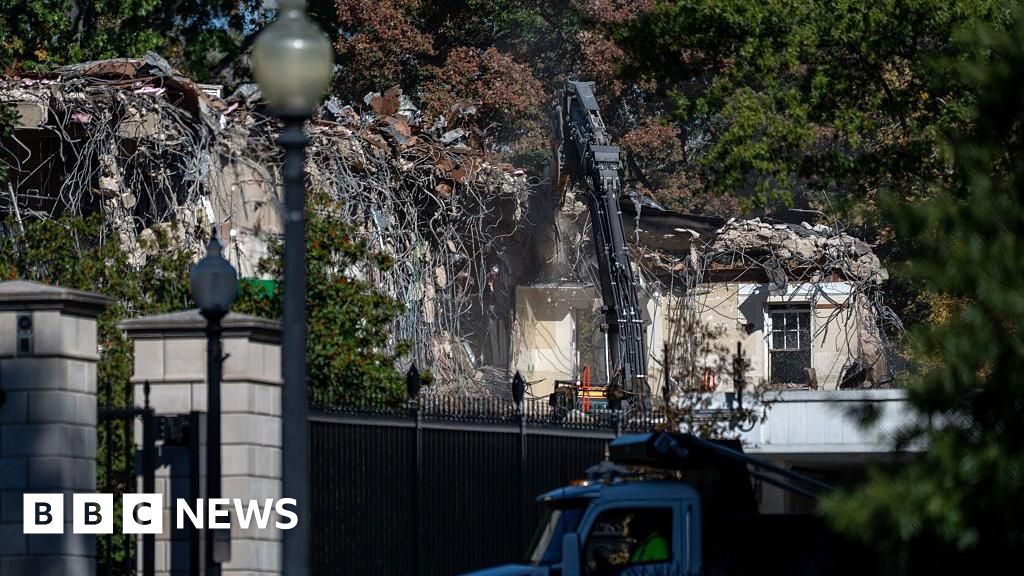
The decades-old exemption that lets Trump reconstruct the White House
The White House and several other buildings are exempt from the National Historic Preservation Act of 1966.
- ·
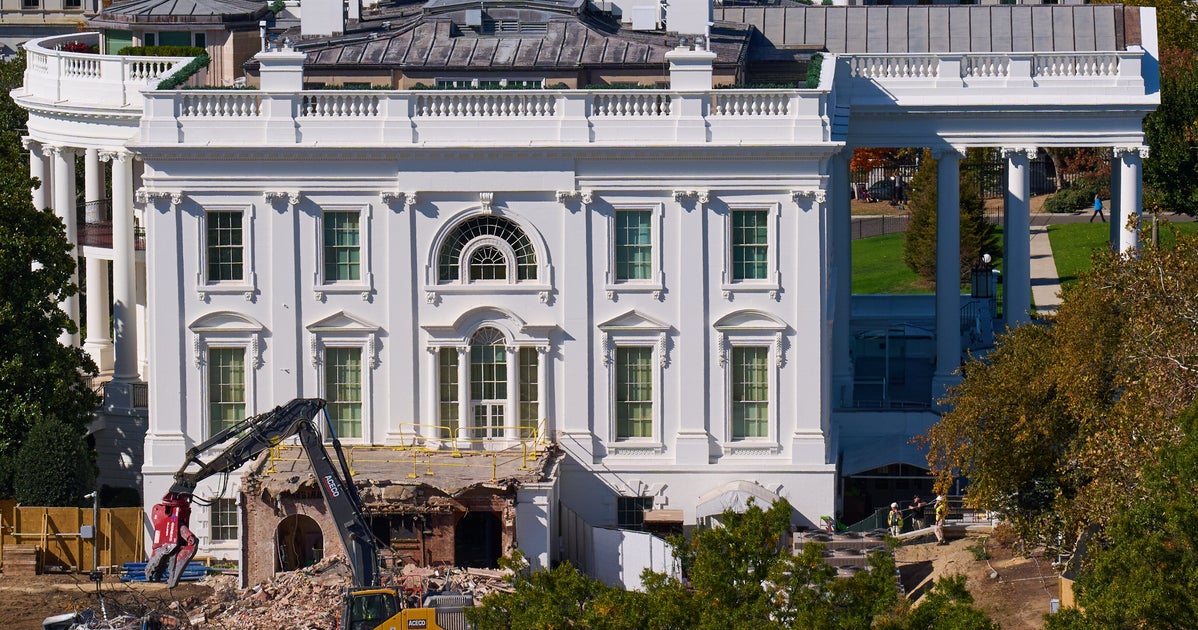
Trump Has Completely Demolished The White House East Wing
The two-story structure of drawing rooms and offices, including a walkway to the White House itself, has been turned into rubble.
- ·
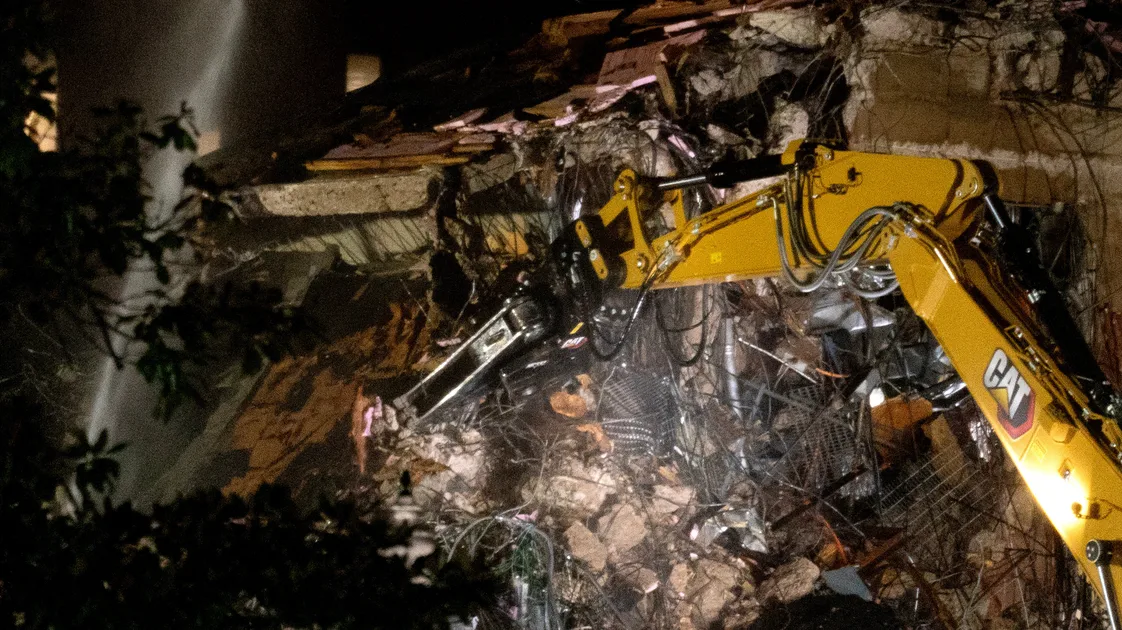
Republicans Defend 'Shocking' White House Demolition
Sen. Josh Hawley (R-Mo.) said concern about the East Wing of the White House being demolished to build a grand ballroom "is maybe a little rich."
- ·
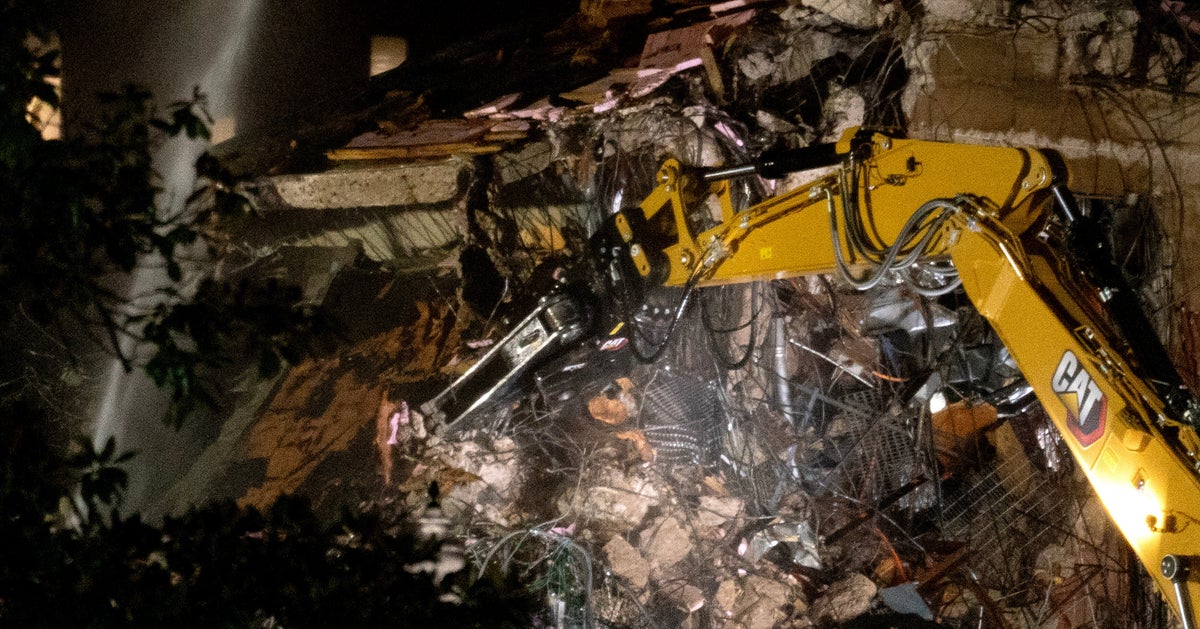
Republicans Defend Trump's Demolition Of White House East Wing
Sen. Josh Hawley (R-Mo.) said concern about the East Wing of the White House being demolished to build a grand ballroom "is maybe a little rich."
- ·
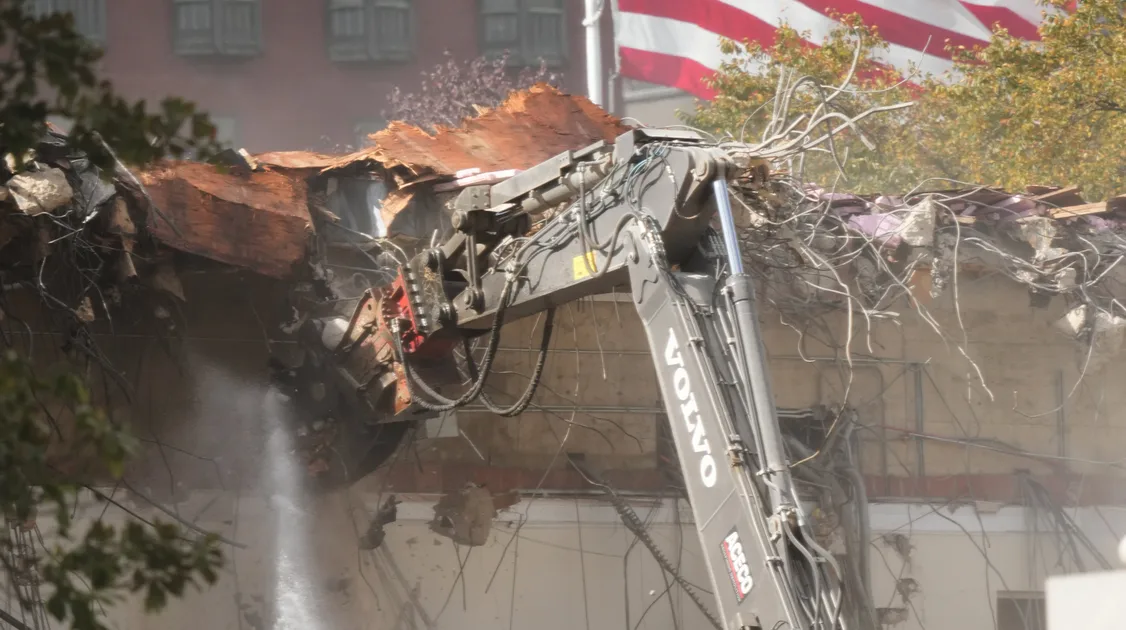
Surprised Trump Is Destroying History? He Did The Same Thing Building Trump Tower.
Trump broke his promise to leave the East Wing alone — the same way he reneged on a promise to preserve art deco friezes on a building he tore down in 1980.
- ·

All The Donors Financing Trump’s Ballroom As He Demolishes The White House
Trump may have destroyed American history by razing the East Wing, but at least these corporations and rich people get to buy access to the president.
- ·

East Wing demolition isn't the first time Trump has ruffled feathers with a wrecking ball
The White House's East Wing isn't Donald Trump's first tear-down. He's been raising dust and outrage since the 1980s.
- ·
theguardian.com

Why is Trump demolishing the White House's East Wing? Because he wants to | Arwa Mahdawi
The president’s mega-project raises a lot of questions – including when he’s planning on leaving
- ·

Trump’s White House overhaul fits a global trend among far-right populists | Jan-Werner Müller
The president’s move is less an example of American exceptionalism than part of a familiar pattern