The president’s move is less an example of American exceptionalism than part of a familiar pattern
A
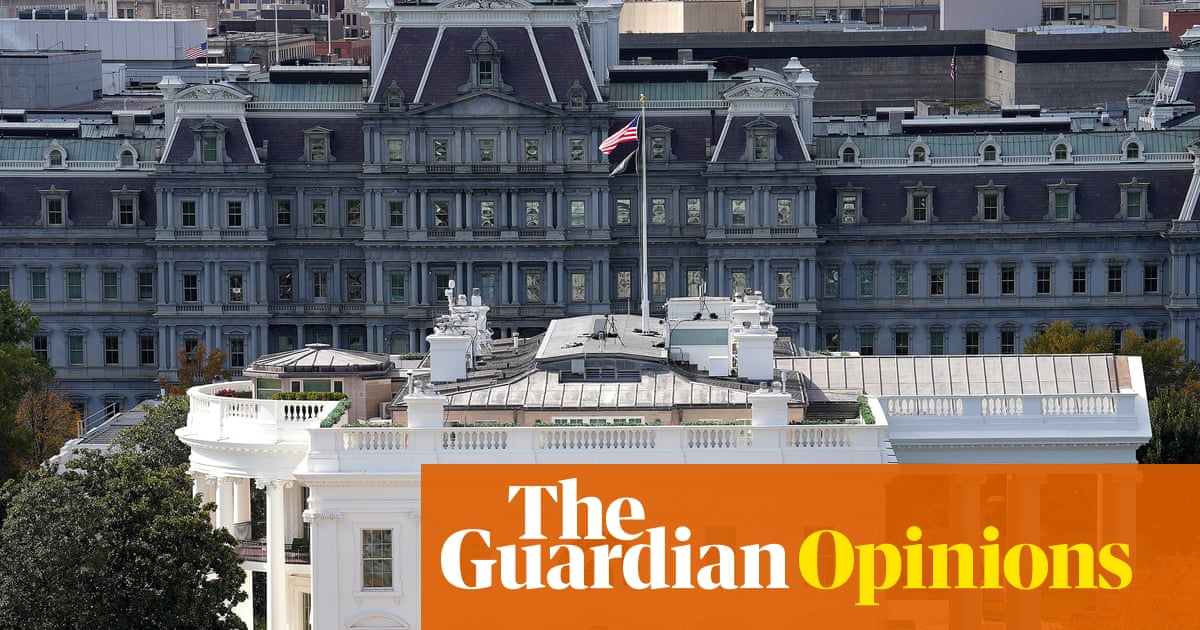
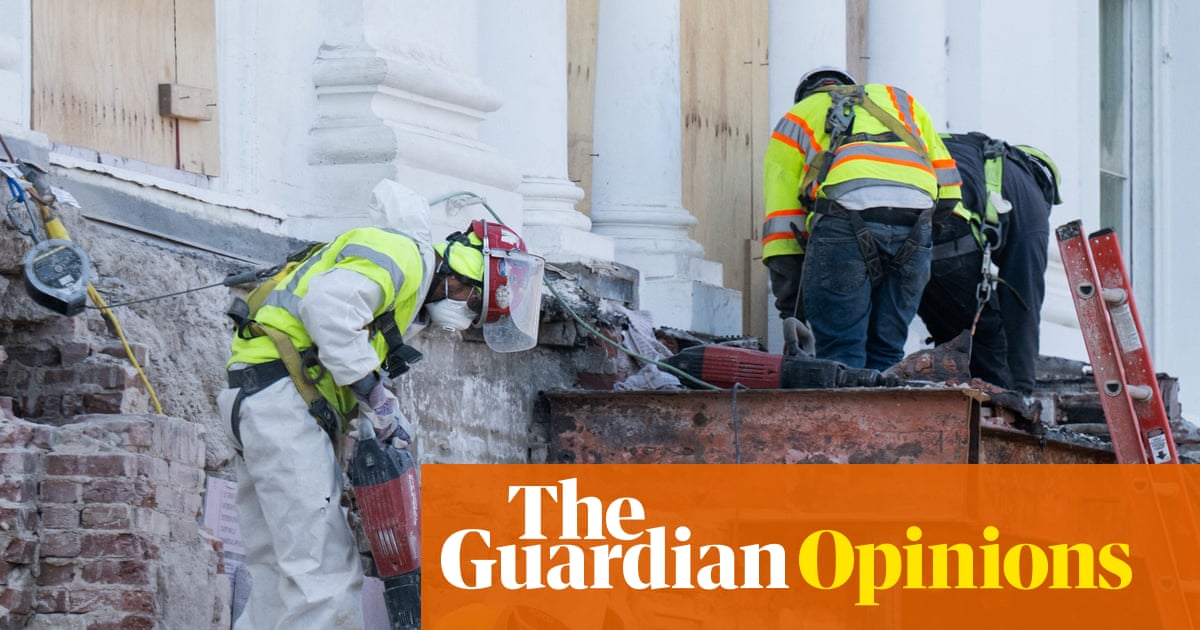
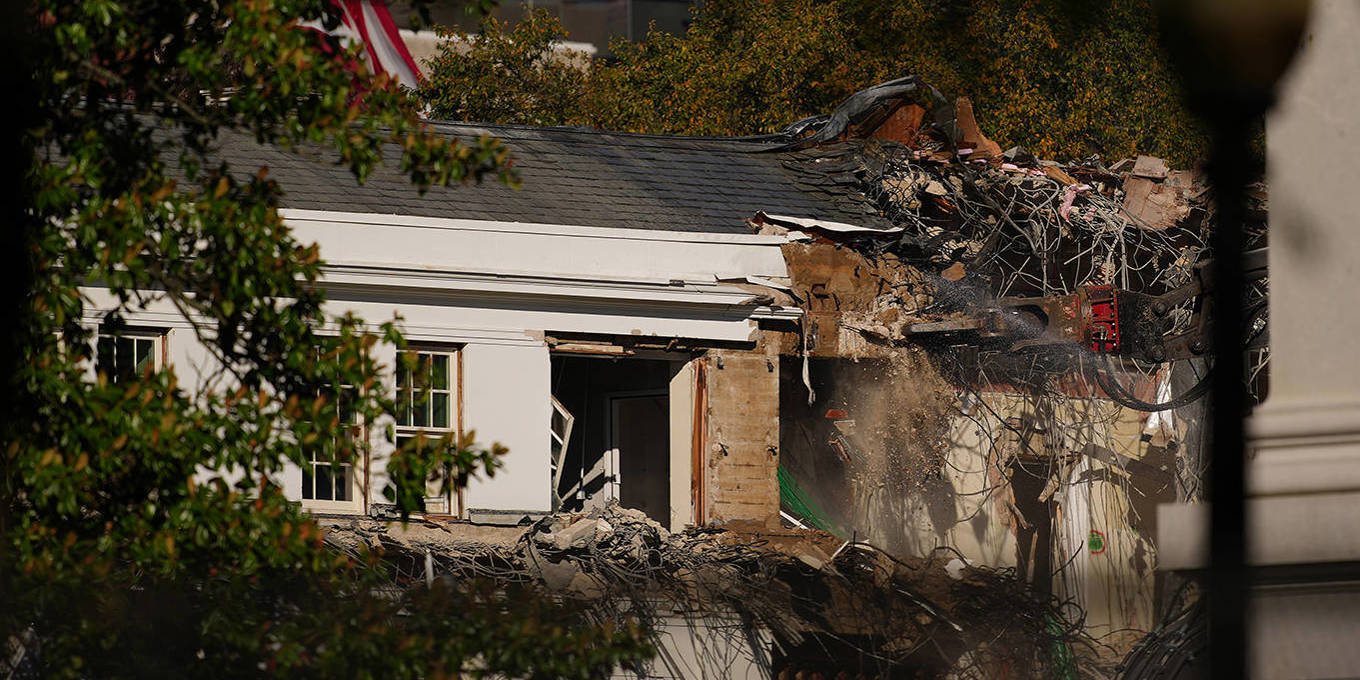
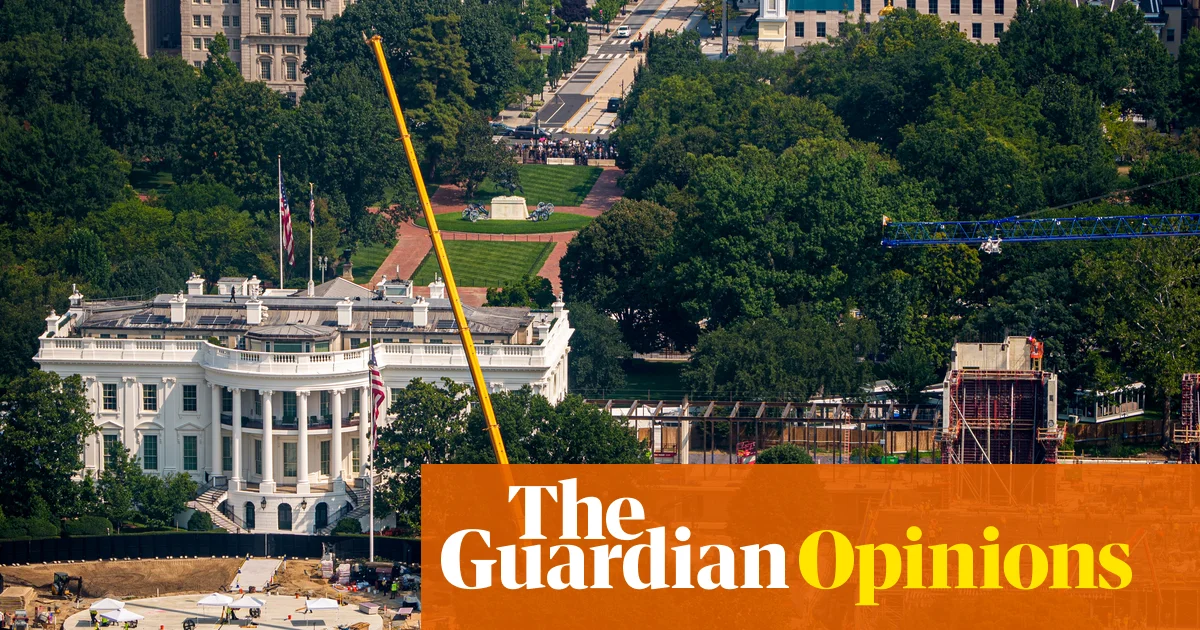
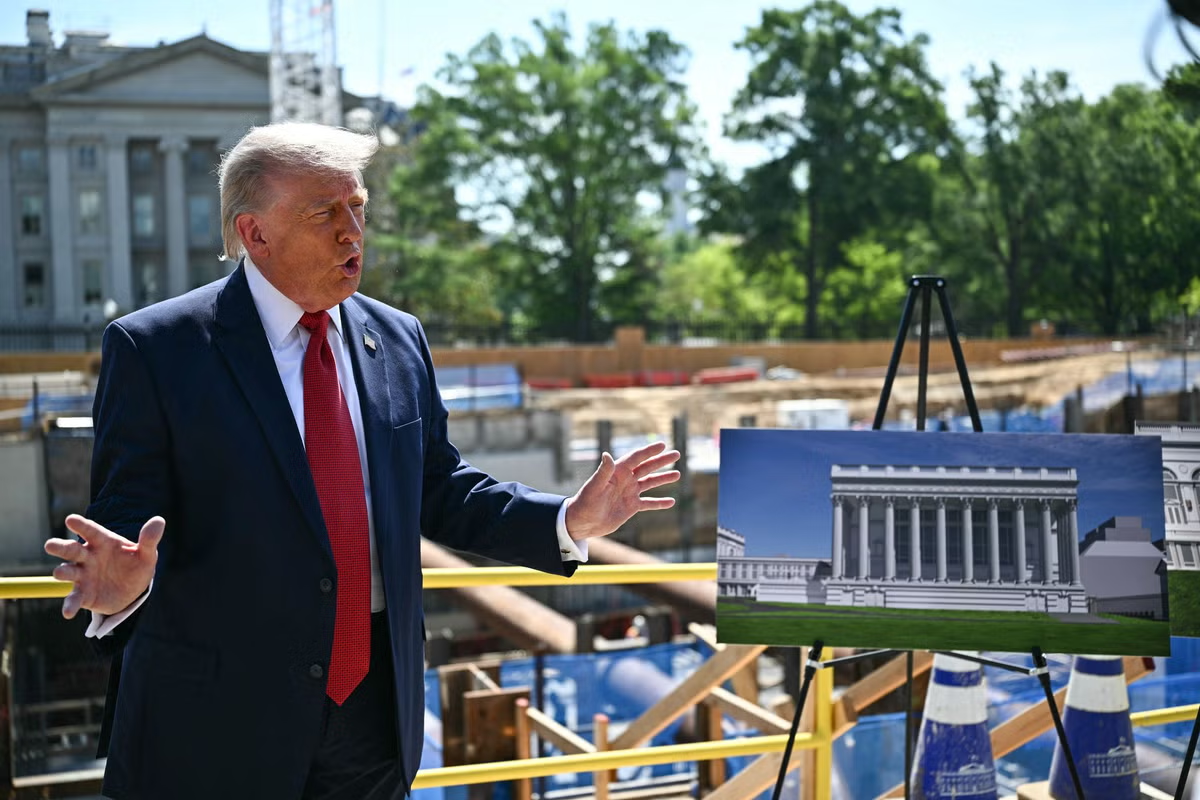
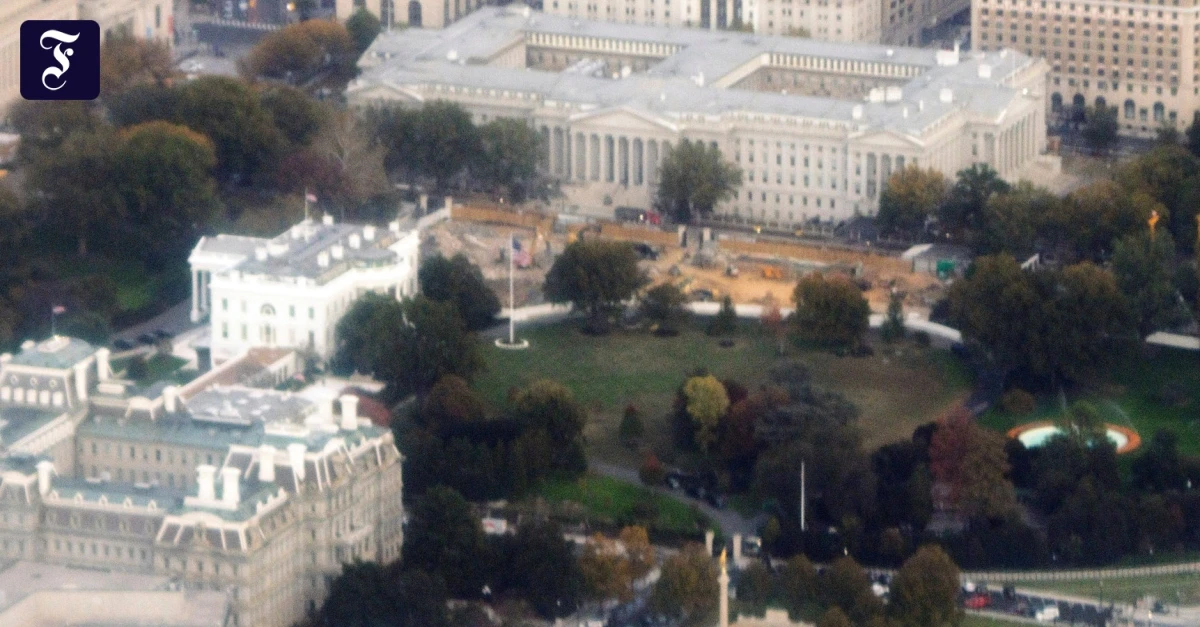
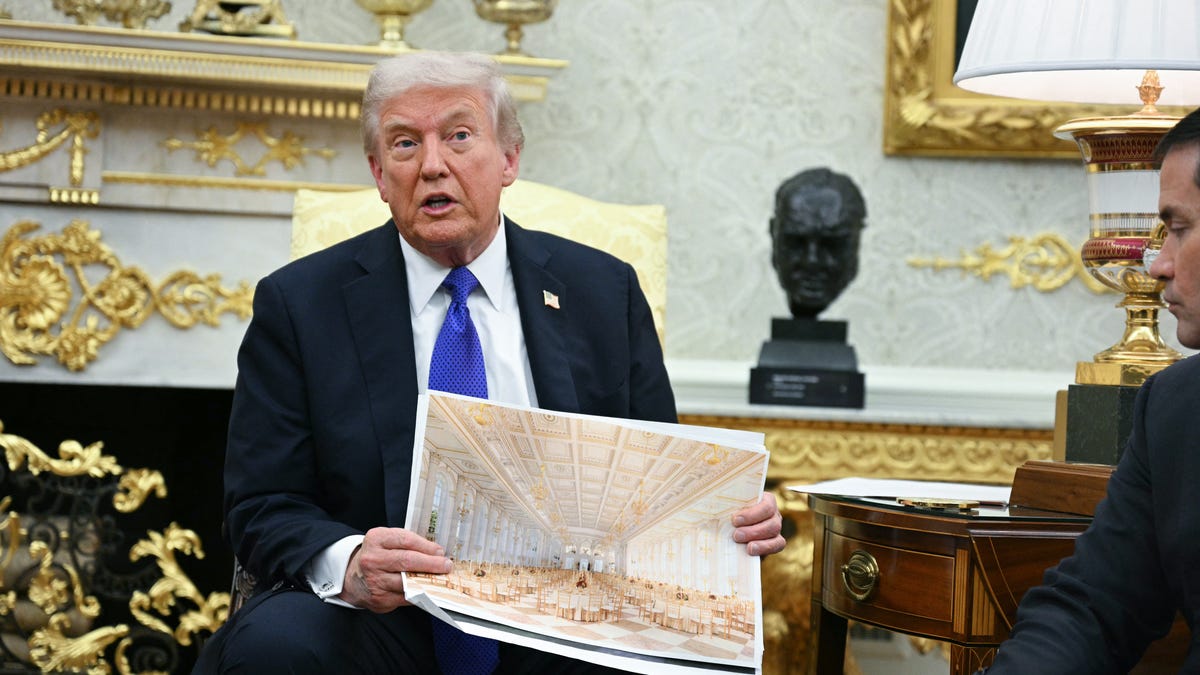
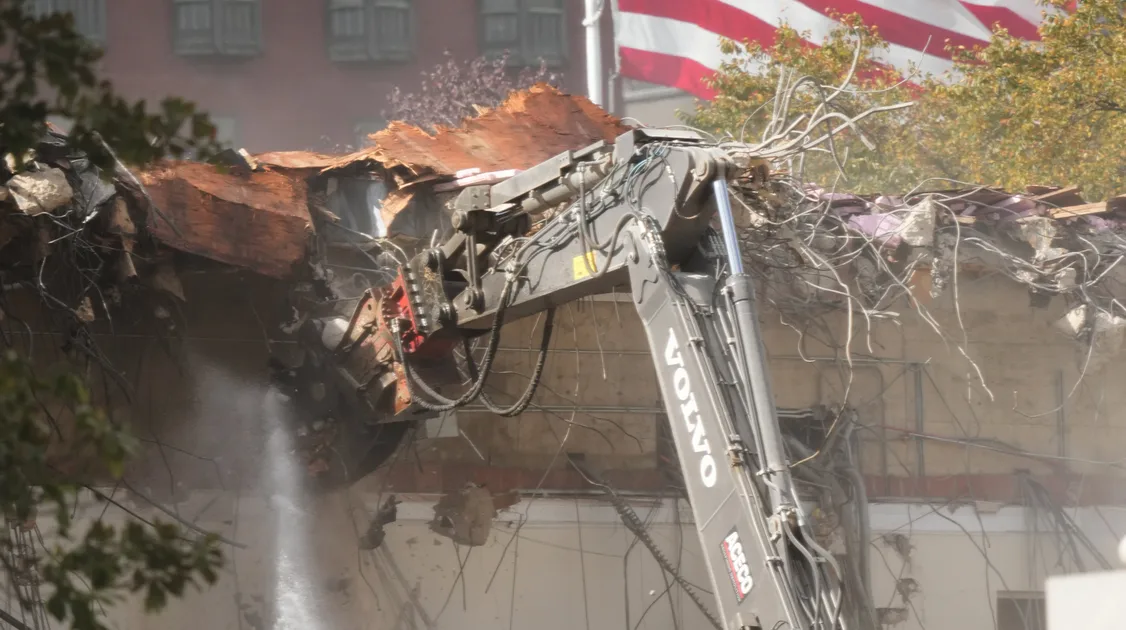
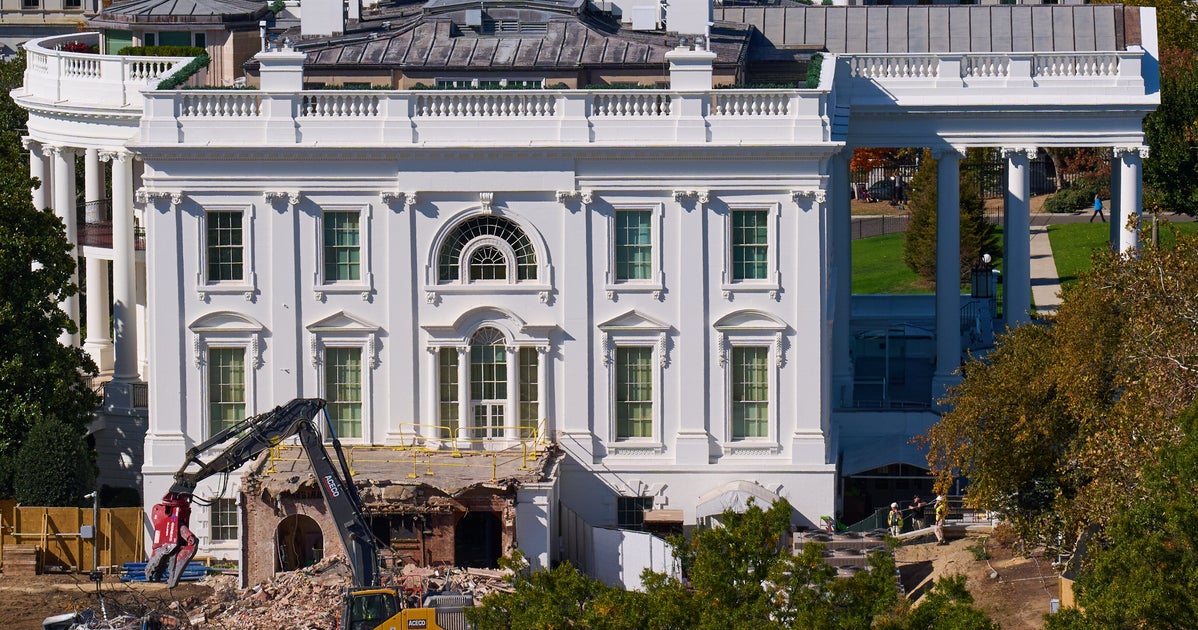
mid all the horrors of the second Trump administration, the demolition of the East Wing is hardly in the top 10. But it provides a powerful symbol of wanton destruction – and, as Trump himself knows full well, images matter greatly in politics. It also curiously combines so many elements of a distinctly Trumpian approach to government: shameless falsehoods about the proposed ballroom (“It won’t interfere with the current building. It’ll be near it but not touching it”); complete disregard for legislation (in this case rules about preservation), and unprecedented levels of cronyism (with CEOs trying to curry favor with the president through donations to a grotesque project of self-aggrandizement). There is also something very poignant about the destruction of an edifice which had provided an office of one’s own for first ladies. For all these peculiarities, Trump’s disfiguring the White House fits into a larger global trend: far-right populist leaders in many countries have used spectacular architecture to advance their political agenda and, more particularly, to set their vision of a “real people” – as in “real Americans”, “real Hungarians” et cetera – in stone.