HomeAI · summaries
Storia in 4 fonti
What happened as the EU entry-exit scheme finally took effect?
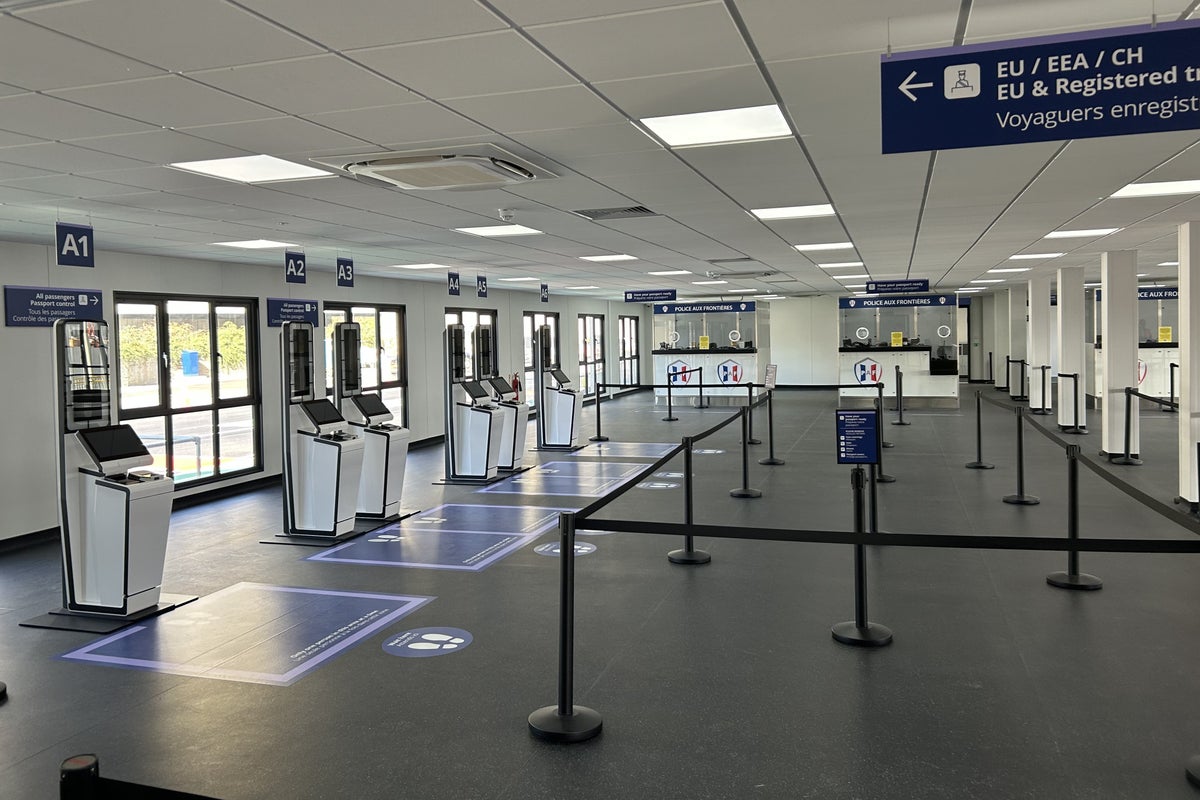
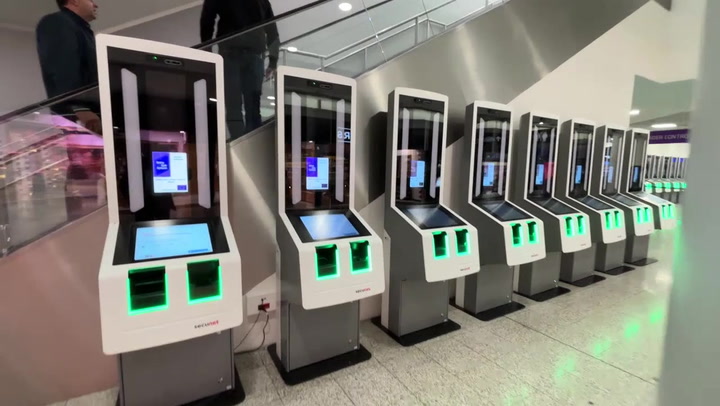
The European Union’s entry-exit system (EES) for British passport holders, as well as other “third-country nationals”, begins on Sunday 12 October. The digital border scheme connects every frontier crossing point in the Schengen area (comprising all EU nations except Ireland and Cyprus, plus Iceland, Norway and Switzerland) with a central database. It aims to crack down on crime and enforce the 90-day stay limit, which applies to British travellers and other third-country nationals, within any 180-day period. What happened when the system took effect on Sunday? Simon Calder finds out.
Confronto fonti
4 prospettive sulla stessa storiaTimeline cronologica
- ·
independent.co.uk

Popular holiday destination to only gradually roll out EES plan
Stay up to date with notifications from The IndependentNotifications can be managed in browser preferences.Jump to contentThank you for registeringPlease refresh the page or…
- ·
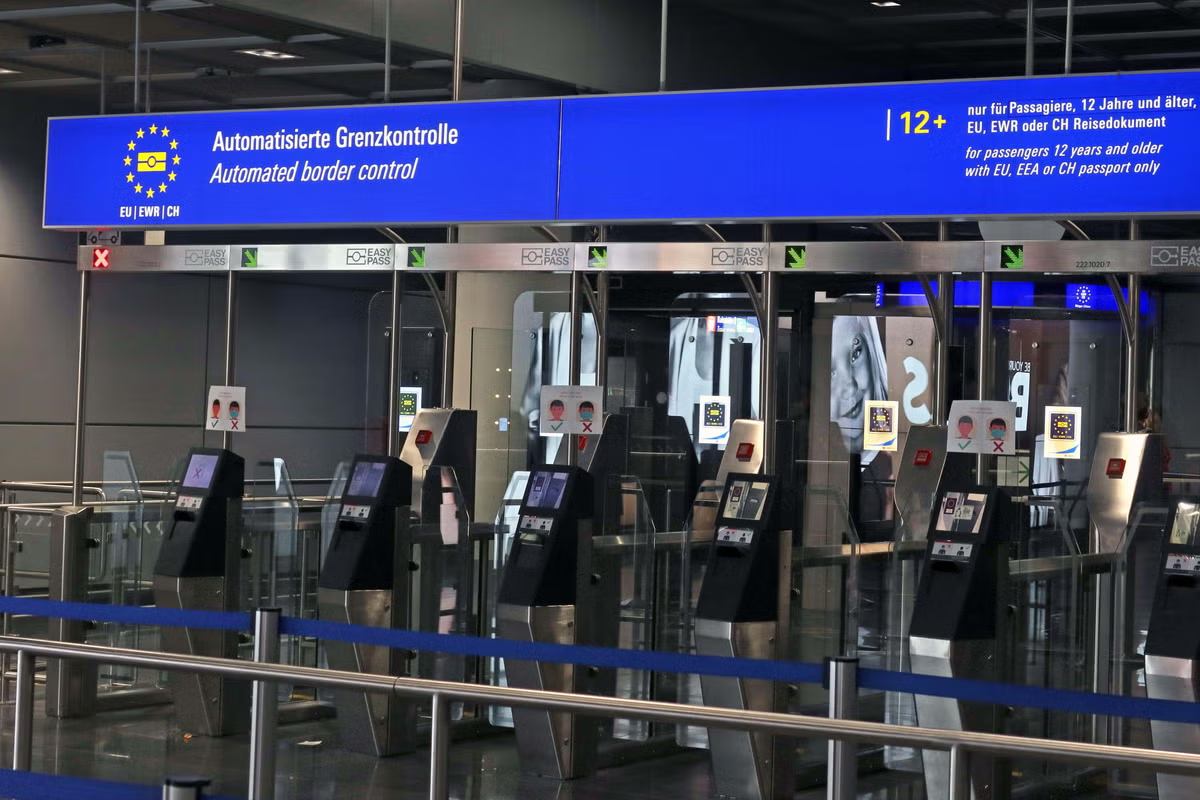
Warning issued to British travellers ahead of new EU system rollout
Stay up to date with notifications from The IndependentNotifications can be managed in browser preferences.Jump to contentThank you for registeringPlease refresh the page or…