HomeAI · summaries
Storia in 9 fonti
H-1B-Visa in den USA: 100 000 Dollar für ein Hochqualifizierten-Visa
Ausländische Experten müssen nun fast 60-mal höhere Gebühren zahlen, wenn sie in den USA arbeiten wollen. Das trifft vorwiegend Inder – und die US-Tech-Konzerne.
Confronto fonti
6 prospettive sulla stessa storiaTimeline cronologica
- ·
faz.net
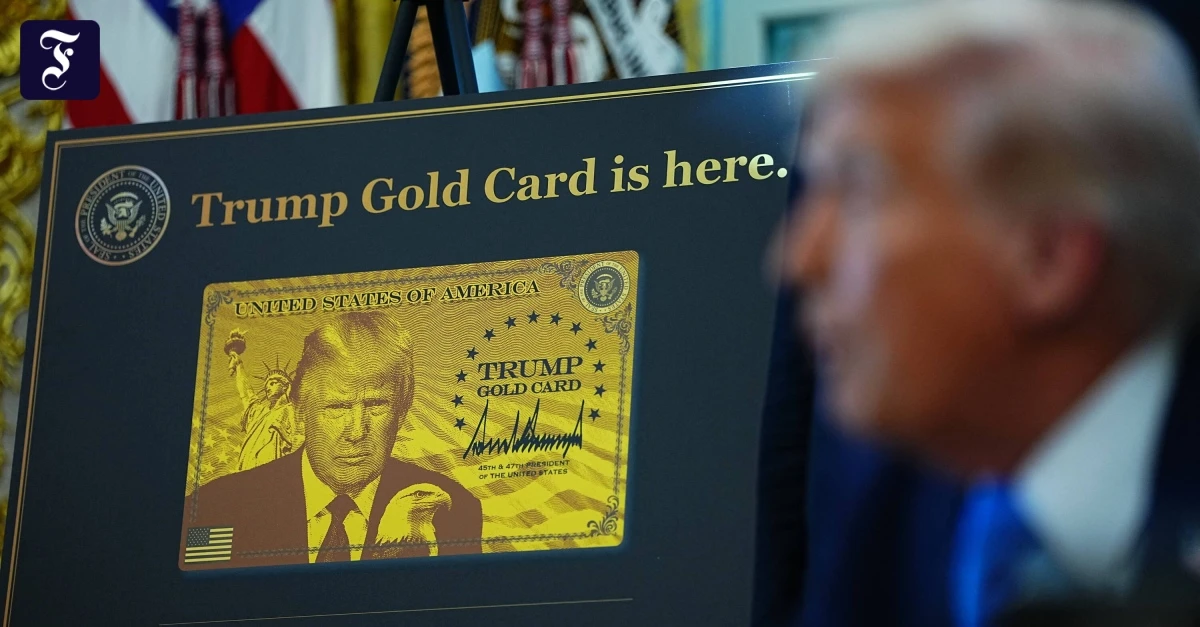
USA: Trump verlangt 100.000 Dollar für Arbeitsvisa
Viele ausländische Fachleute bei Amazon, Tesla, Google oder Meta brauchen sogenannte H-1B-Visa. Trump hat diese nun drastisch verteuert – und damit einen Schock ausgelöst.
- ·
thehindu.com

Bengaluru techies, tech firms jittery as Trump announces massive H1-B visa fee hike
Trump's H-1B visa fee hike to $100,000 annually shocks Indian tech workers in the U.S., impacting global IT industry.
- ·
bbc.com
India warns new US H-1B visa fee will have 'humanitarian consequences'
Donald Trump has said those applying for H-1B visas will have to pay $100,000, roughly 60 times the current fee, starting Sunday.
- ·
usatoday.com
What is an H-1B visa? Look to Silicon Valley as Trump seeks $100,000 fee
Jobs tend to be concentrated in STEM fields, and workers overwhelmingly come from India.
- ·
H-1B: What Trump’s $100,000 visa means for India and US industries
India may adapt, but the US risks losing skilled workers who have helped build the Silicon Valley and hospitals.
- ·
aljazeera.com
H-1B fee hike: Who’s gaining from these visas – Indian IT or US firms?
Indian companies were the biggest beneficiaries for years. But that's changed; US firms now dominate visa recipients.
- ·
fortune.com
Over 70% of H-1B visa holders are Indian citizens. Its government says Trump jacking the fee to $100,000 is 'likely to have humanitarian…
The founder of Greycroft Partners says "there is not a single company that I have invested in the last 10 years that could afford to pay this."
- ·
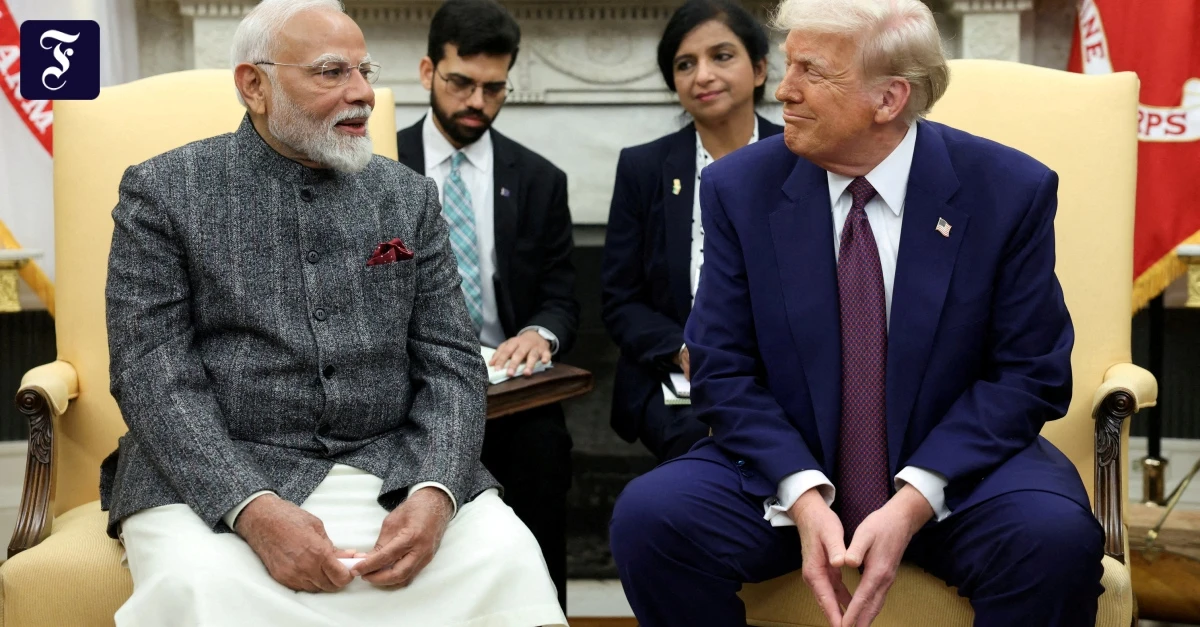
H-1B-Visa: Trump zerstört den amerikanischen Traum vieler Inder
Erst zum Studium in die USA und dann dort als Fachkraft reich werden: Das war bisher der Plan vieler junger Inder. Seit ein Visum 100.000 Dollar kosten soll, geht diese Rechnung…
- ·
scmp.com
India’s tech sector fears impact of Trump’s US$100,000 H-1B on US market
The steep jump in the visa fee from a range of US$2,000 to US$5,000 is expected to curb the flow of India’s tech manpower to the US.
- ·
sueddeutsche.de
H-1B-Visa in den USA: 100 000 Dollar für ein Hochqualifizierten-Visa
Ausländische Experten müssen nun fast 60-mal höhere Gebühren zahlen, wenn sie in den USA arbeiten wollen. Das trifft vorwiegend Inder – und die US-Tech-Konzerne.
- ·
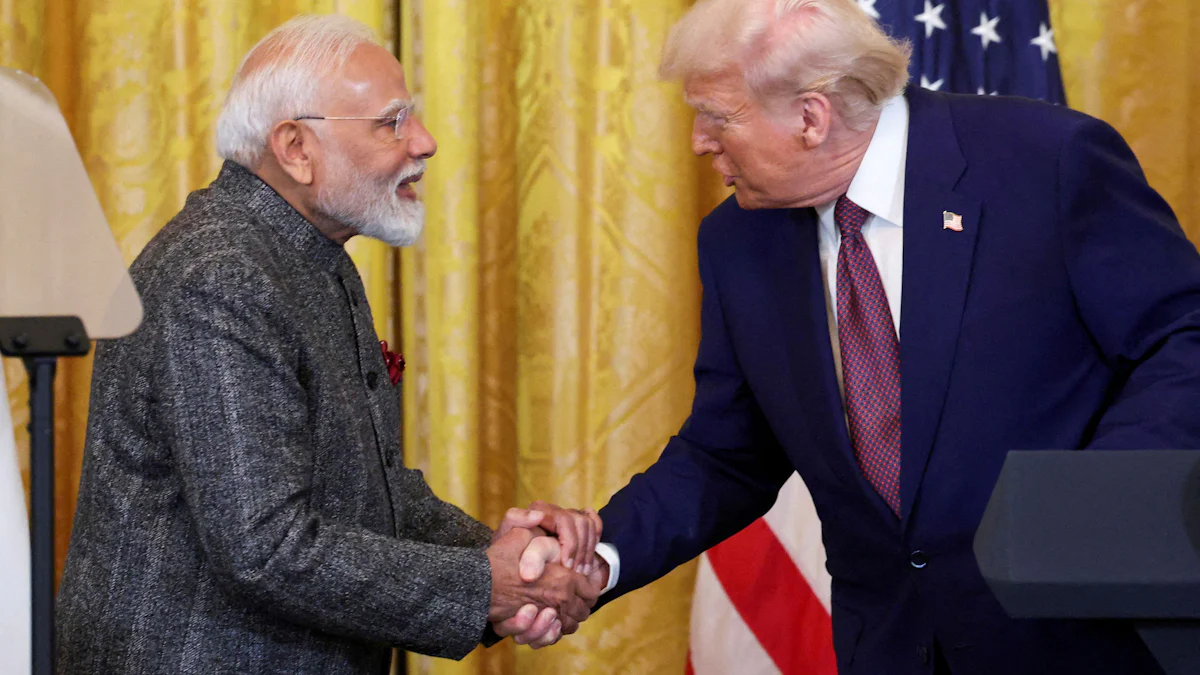
H-1B-Visum: Dies ist eine Lehre für alle, die Trump liebedienerisch besänftigen wollen
100 000 Dollar für ein Visum: Die neue Regelung trifft vor allem die US-Tech-Konzerne, die ausländische Fachkräfte brauchen.
- ·
Trump admin proposes new H-1B visa process that favours highly paid workers
The US president has introduced a US$100,000 fee for the visas, which American firms rely heavily on for hiring skilled workers.
- ·
nytimes.com
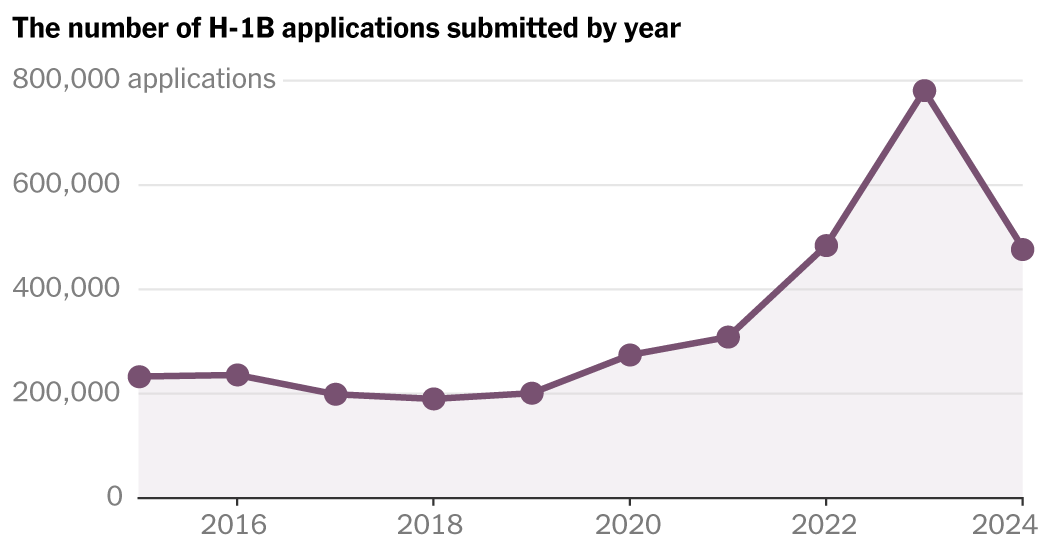
$100,000 Per Employee: How the H-1B Visa Fee Could Reshape Work Forces
Because sponsoring a visaship comes with significant upfront costs, employers need higher-earning workers to justify the new expense.