HomeAI · summaries
Storia in 11 fonti
Donald Trump’s H-1B visa turmoil threatens Indians’ American dream
New $100,000 application fee sparks consternation in India’s IT sector and among those hoping to make careers in the US
Confronto fonti
6 prospettive sulla stessa storiaTimeline cronologica
- ·
thehindu.com
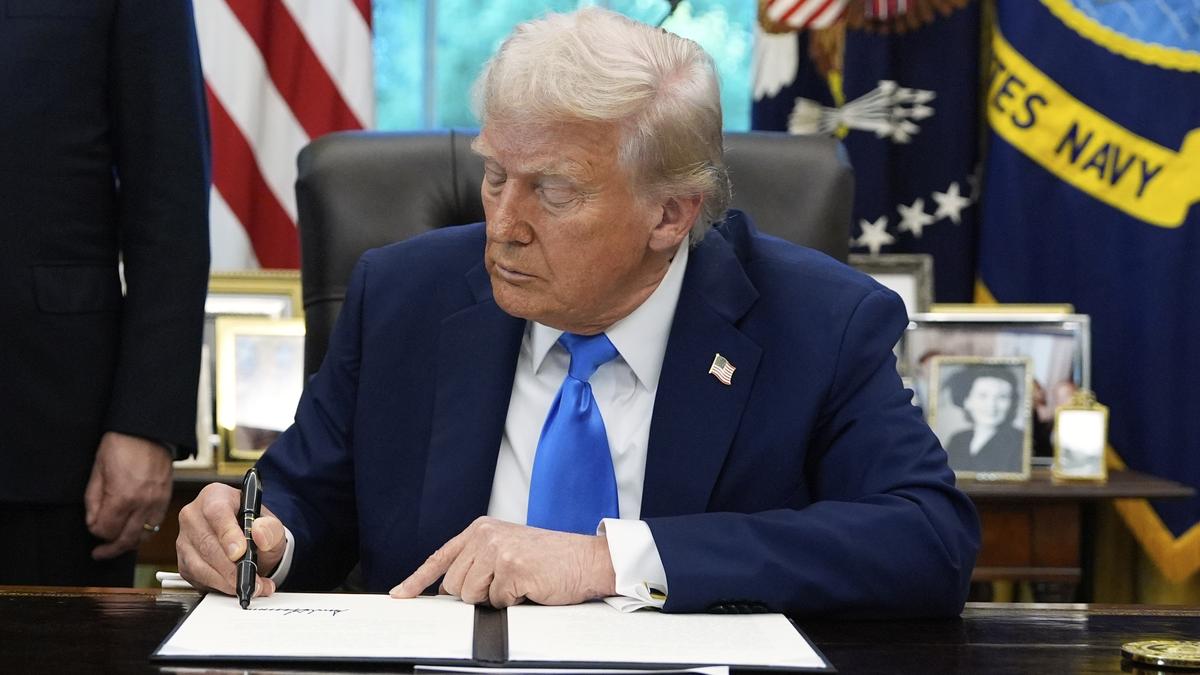
H-1B Visa LIVE: Tech giants urge H-1B holders to stay in U.S.; Nasscom says India’s tech companies to be impacted
H-1B Visa LIVE: Follow The Hindu’s latest updates on President Donald Trump’s proclamation to raise the fee for H-1B visas that could adversely affect Indian professionals in the…
- ·
cnbc.com
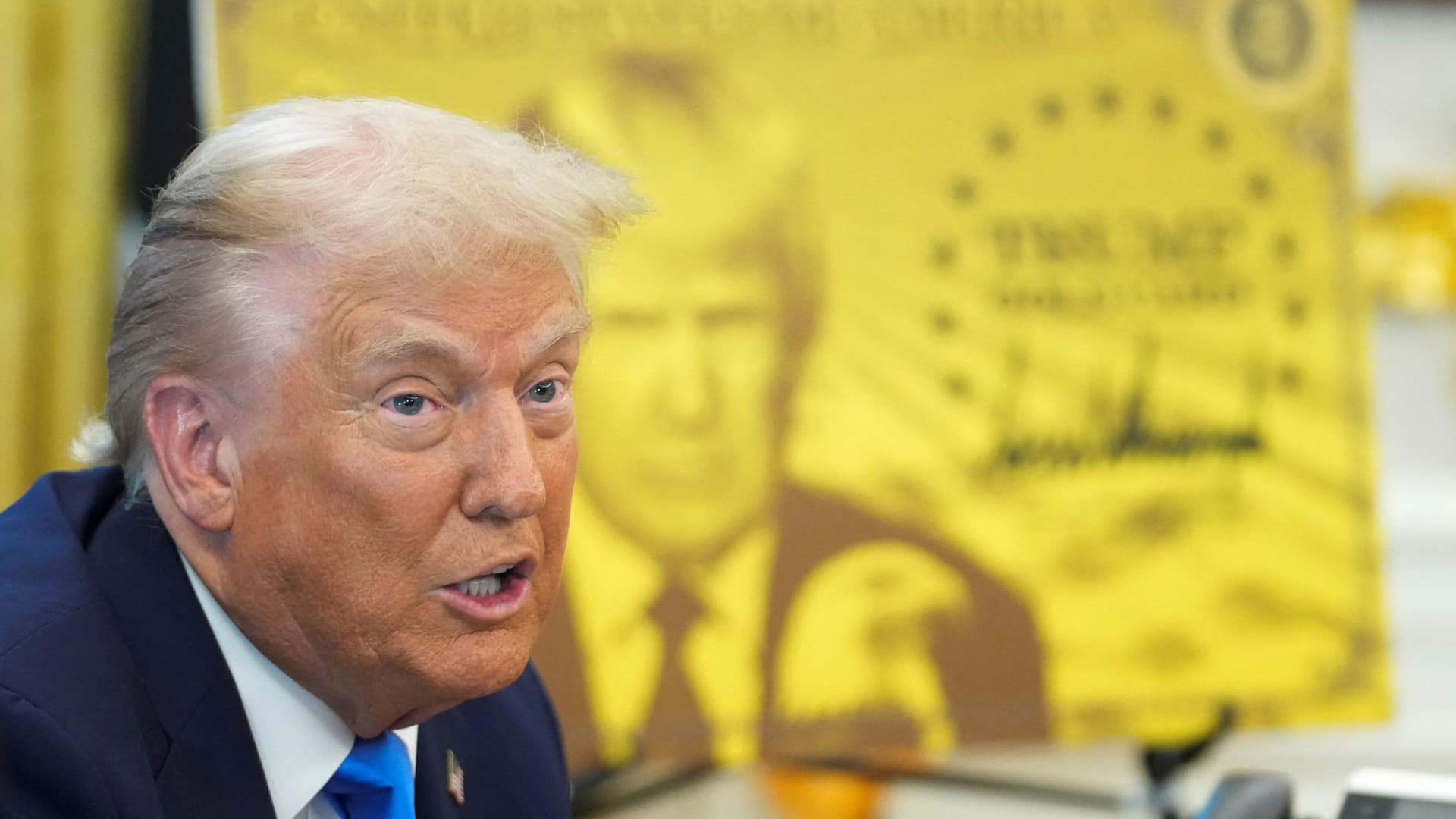
Big Tech companies, foreign governments scramble after Trump slaps $100,000 annual fee on H-1B visas
The announcement to impose a $100,000 annual fee on H-1B visas sent shockwaves through corporate America.
- ·

Bengaluru techies, tech firms jittery as Trump announces massive H1-B visa fee hike
Trump's H-1B visa fee hike to $100,000 annually shocks Indian tech workers in the U.S., impacting global IT industry.
- ·
bbc.com
India warns new US H-1B visa fee will have 'humanitarian consequences'
Donald Trump has said those applying for H-1B visas will have to pay $100,000, roughly 60 times the current fee, starting Sunday.
- ·
huffpost.com
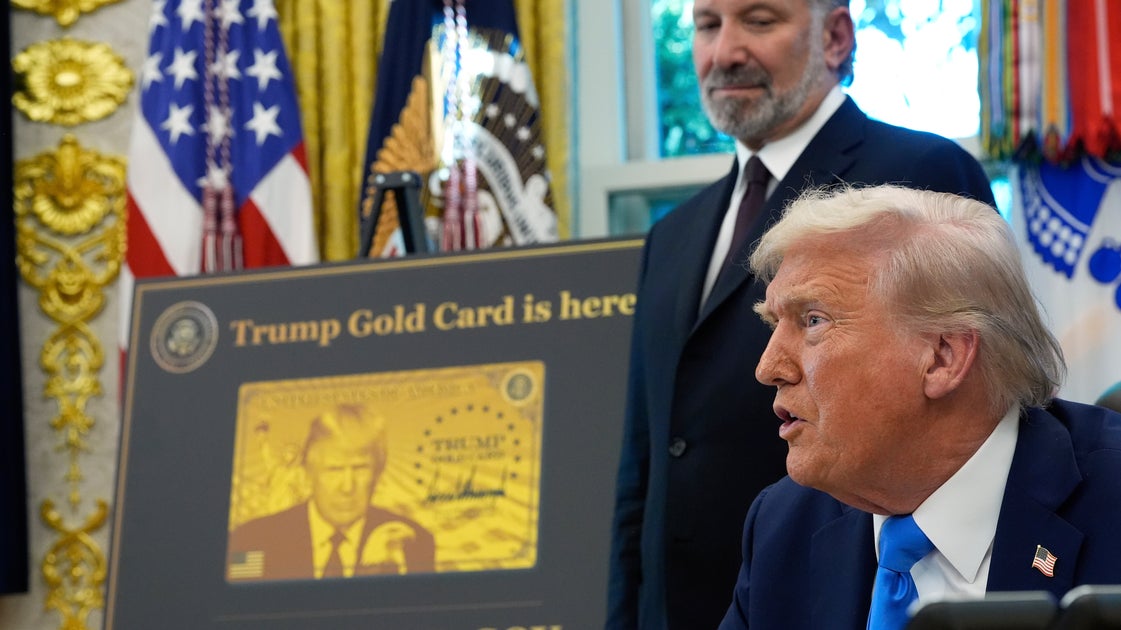
India Fears 'Disruption' From Trump $100K Visa Plan
More than 70% of H-1B visa holders are from India.
- ·
usatoday.com
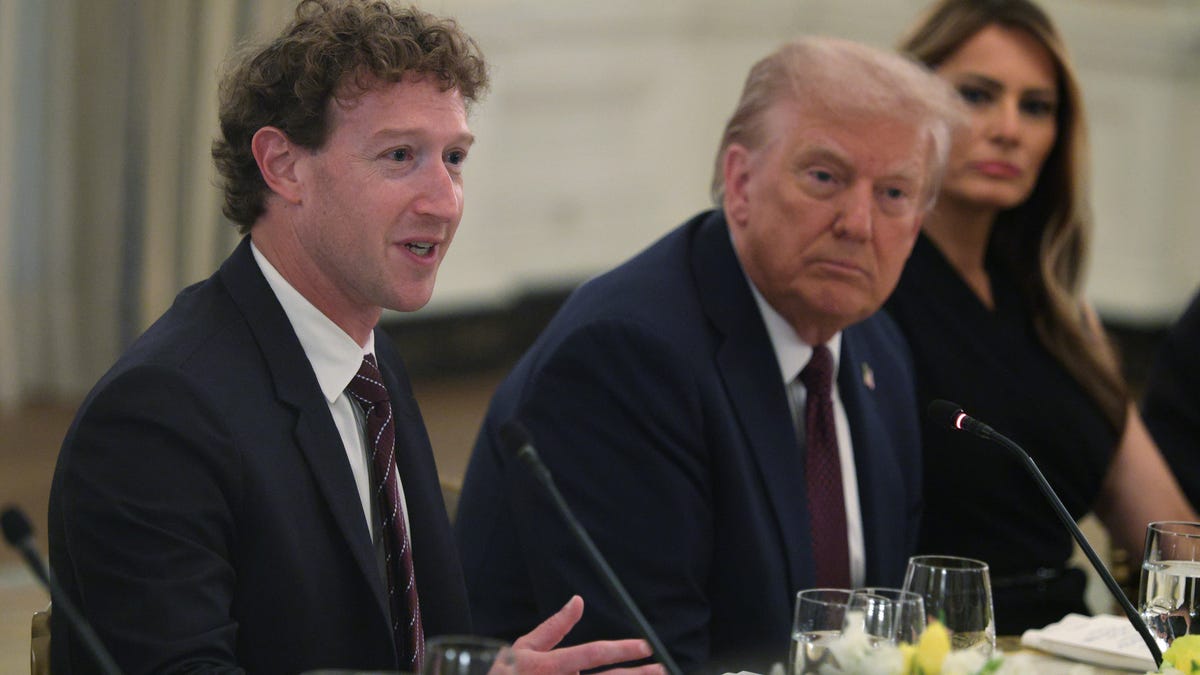
What is an H-1B visa? Look to Silicon Valley as Trump seeks $100,000 fee
Jobs tend to be concentrated in STEM fields, and workers overwhelmingly come from India.
- ·
ft.com
Trump’s new H-1B visa fee prompts emergency guidance from companies
White House moves to clarify $100,000 application fee for visas relied on by tech industry
- ·
dawn.com

Trump hits H-1B visas with $100,000 annual fee
WASHINGTON: President Donald Trump ordered on Friday that an annual $100,000 fee be added to H-1B skilled worker...
- ·
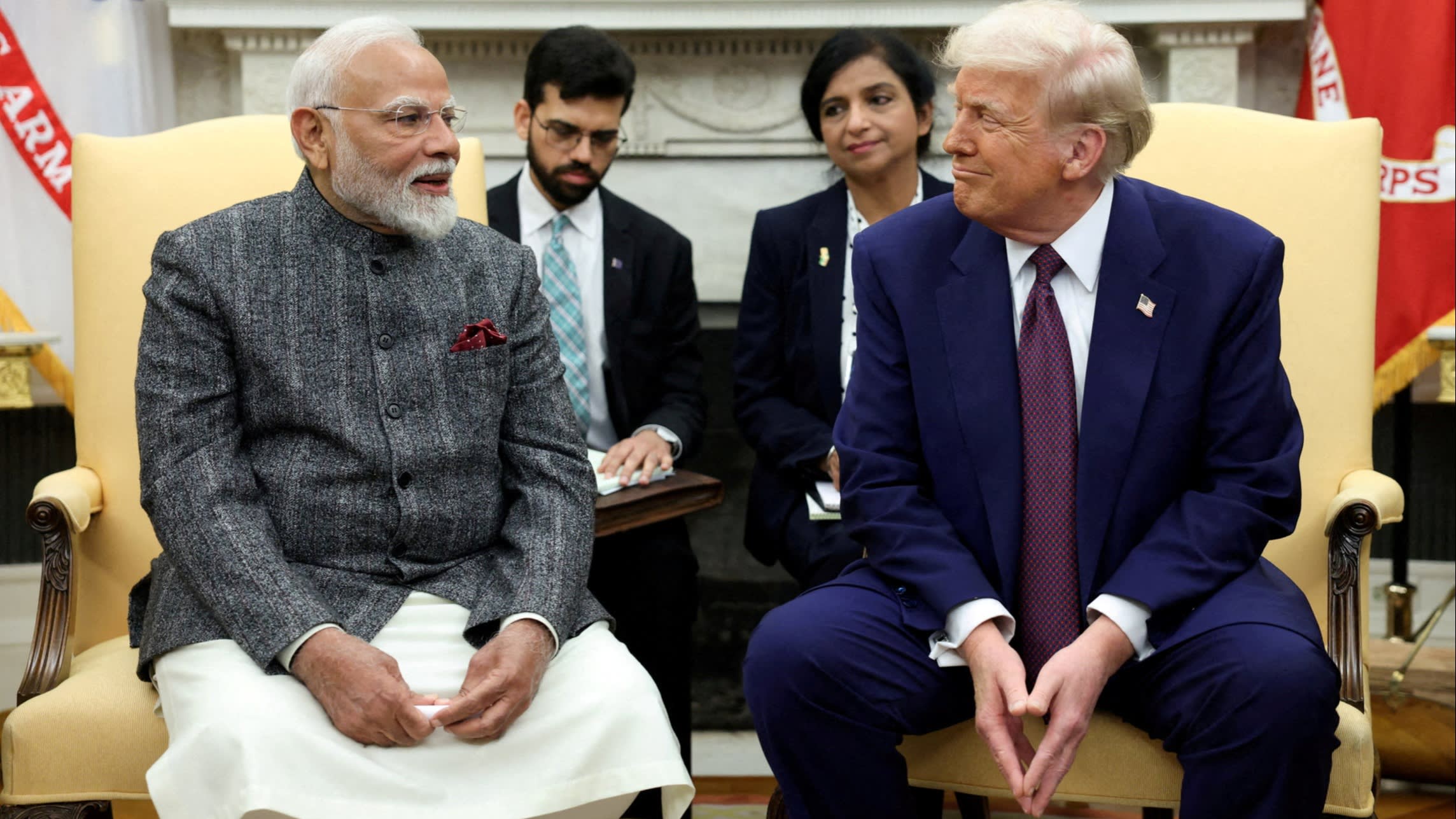
India can shrug off Donald Trump’s tariffs
New trade deals, high-tech services and potential reforms would outweigh the US president’s duties
- ·
fortune.com
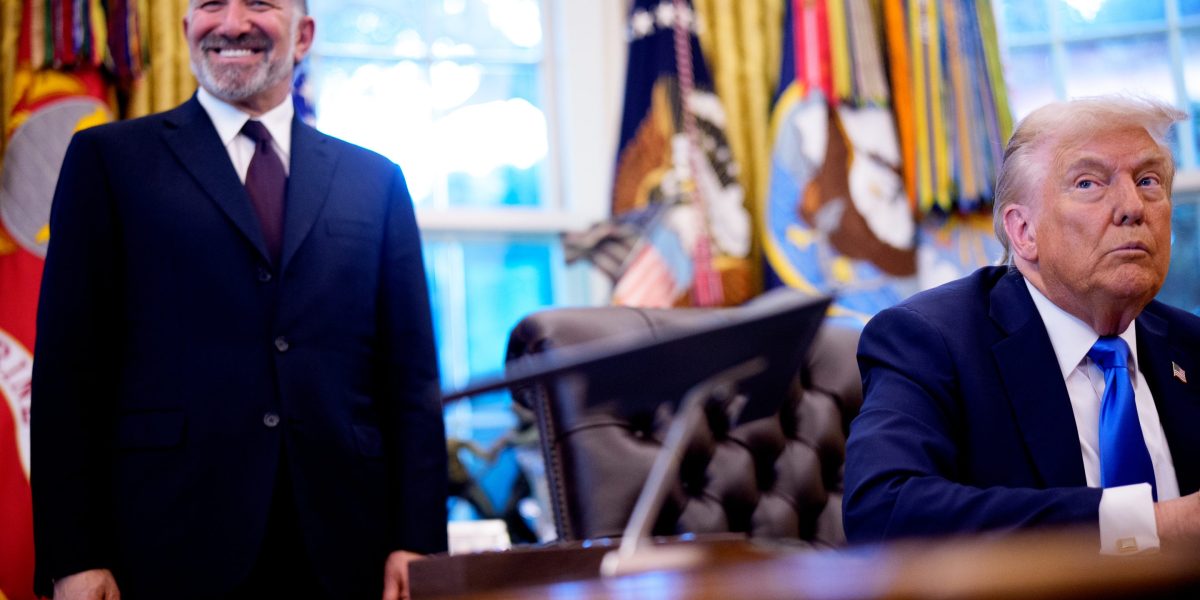
'My main dream is derailed' — Trump's $100,000 H-1B visa fee shatters U.S. hopes for many in India | Fortune
The United States awards 85,000 H-1B visas per year on a lottery system, with India accounting for around three-quarters of the recipients.
- ·
Trump’s H-1B visa fee to hit US employers with $14bn annual bill
Lawyers anticipate the surprise move could face a court challenge
- ·
scmp.com
Trump’s US$100,000 visa threatens India’s US$280 billion IT sector
The H-1B visa programme is used heavily by Indian outsourcing firms as well as the US tech sector to bring in skilled workers from abroad.
- ·
H-1B: What Trump’s $100,000 visa means for India and US industries
India may adapt, but the US risks losing skilled workers who have helped build the Silicon Valley and hospitals.
- ·
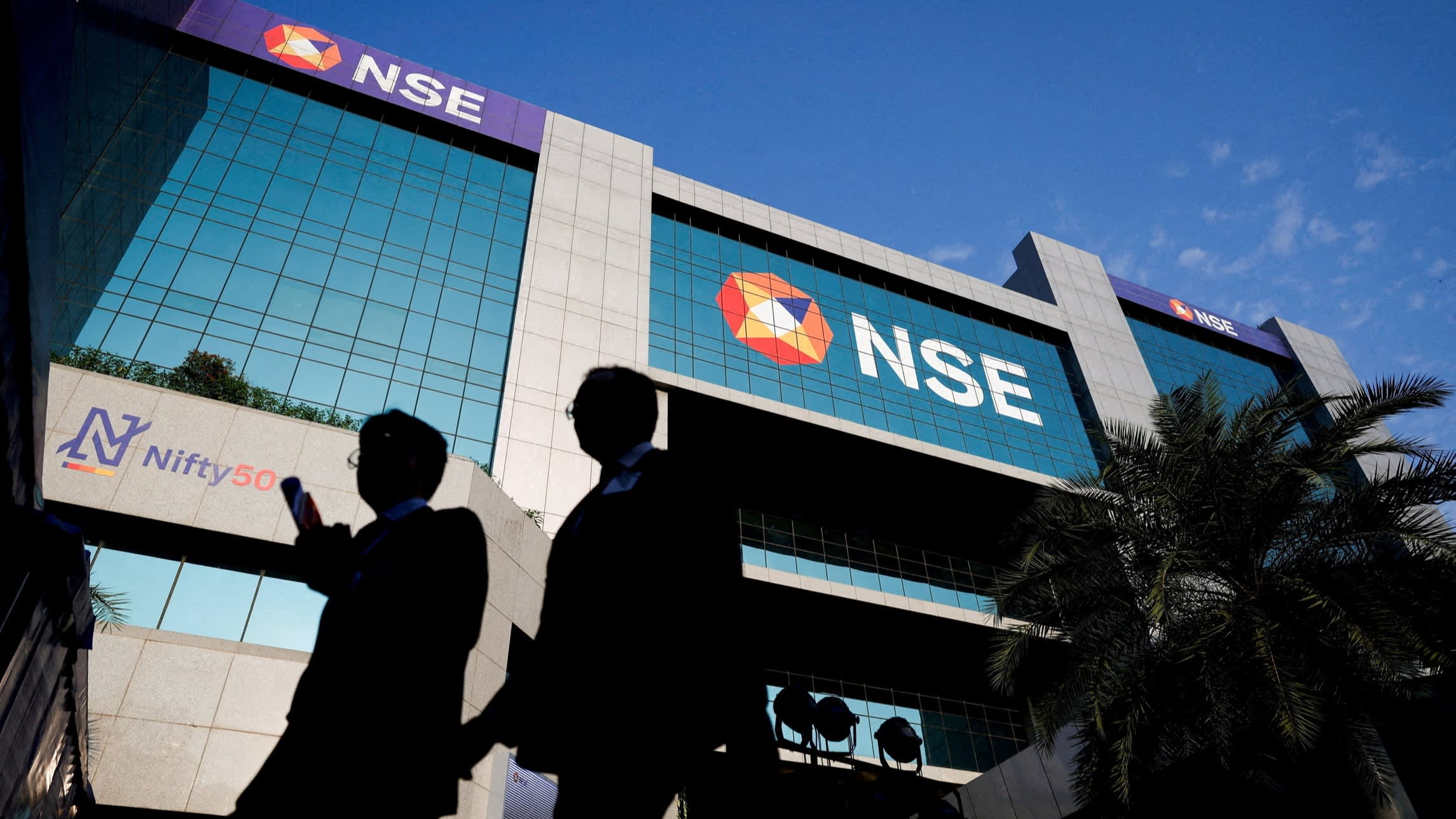
Indian IT shares fall over fears from Trump’s $100,000 H-1B visa fee
US plan for higher application charge threatens $283bn technological services industry
- ·
Trump’s plan to charge $100,000 for new H-1B visas is met with dismay by CEOs who want the world’s top talent | Fortune
Also: All the news and watercooler chat from Fortune.
- ·
theguardian.com
‘Afraid of our talent’: India hits back against Trump’s H-1B visa fee hike
India has been one of the largest beneficiaries of H-1B visas, accounting for 71% of approved visas in 2024
- ·
Trump’s $100,000 H-1B visa fee could hurt US growth, economists warn
Move is a blow to big tech companies, which rely heavily on visas to hire staff from overseas, particularly India
- ·
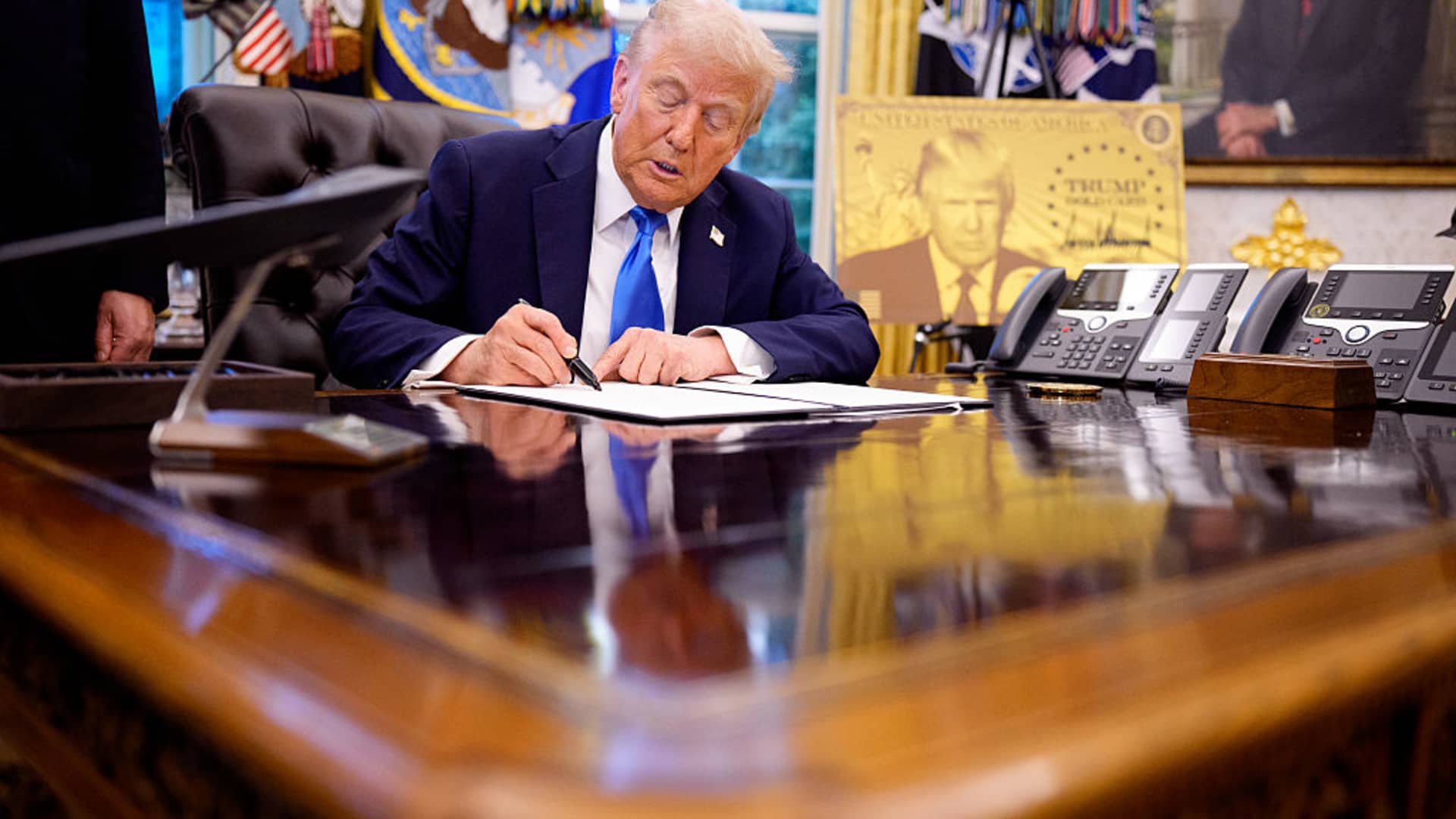
Trump’s $100,000 H-1B fee sparks a global race to grab top talent
The six-figure H-1B visa fee has jolted companies that have long relied on the program to bring in top global talent.
- ·
aljazeera.com
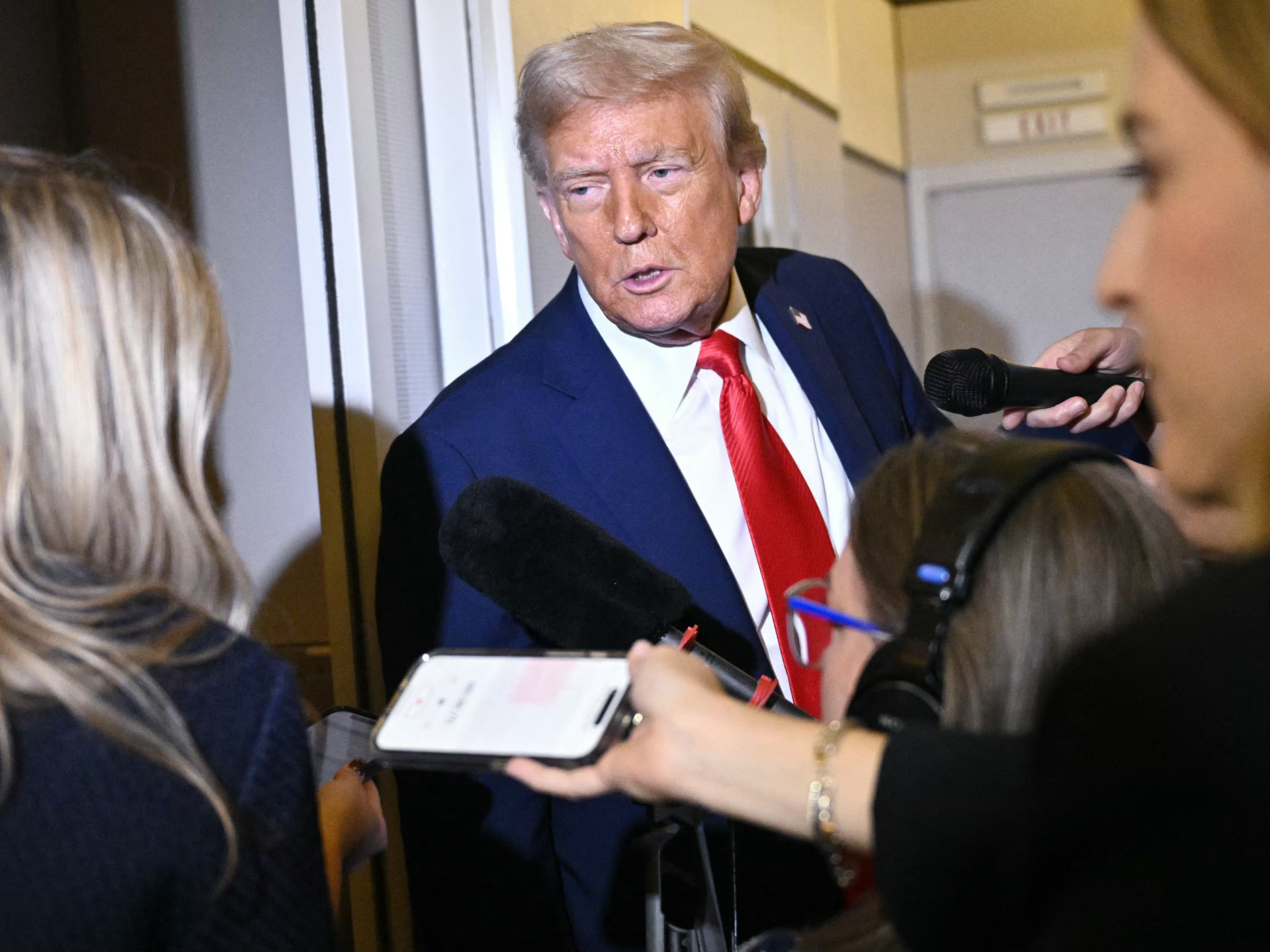
H-1B fee hike: Who’s gaining from these visas – Indian IT or US firms?
Indian companies were the biggest beneficiaries for years. But that's changed; US firms now dominate visa recipients.
- ·
Over 70% of H-1B visa holders are Indian citizens. Its government says Trump jacking the fee to $100,000 is 'likely to have humanitarian…
The founder of Greycroft Partners says "there is not a single company that I have invested in the last 10 years that could afford to pay this."