OpenAI must stabilize infrastructure, tune personalization, and decide how to moderate immersive interactions.

It also failed on a simple algebra arithmetic problem that elementary schoolers could probably nail, 5.9 = x + 5.11.

On August 14, bring your questions about OpenAI's latest model, GPT-5, and what it means for the future of chatbots.

The pressure is on for OpenAI to prove that GPT-5 isn’t just an incremental update, but a true step forward.
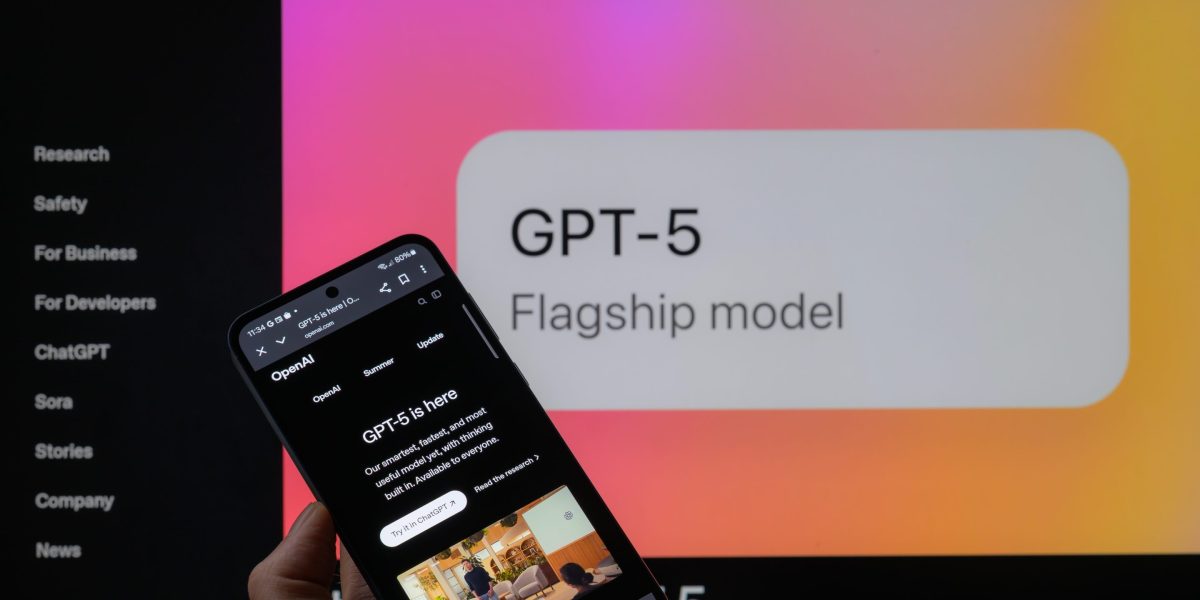
OpenAI must stabilize infrastructure, tune personalization, and decide how to moderate immersive interactions.

GPT-5 was touted as a major upgrade to ChatGPT, but not everyone thinks that’s the case. “Kill 4o isn’t innovation, it’s erasure.”

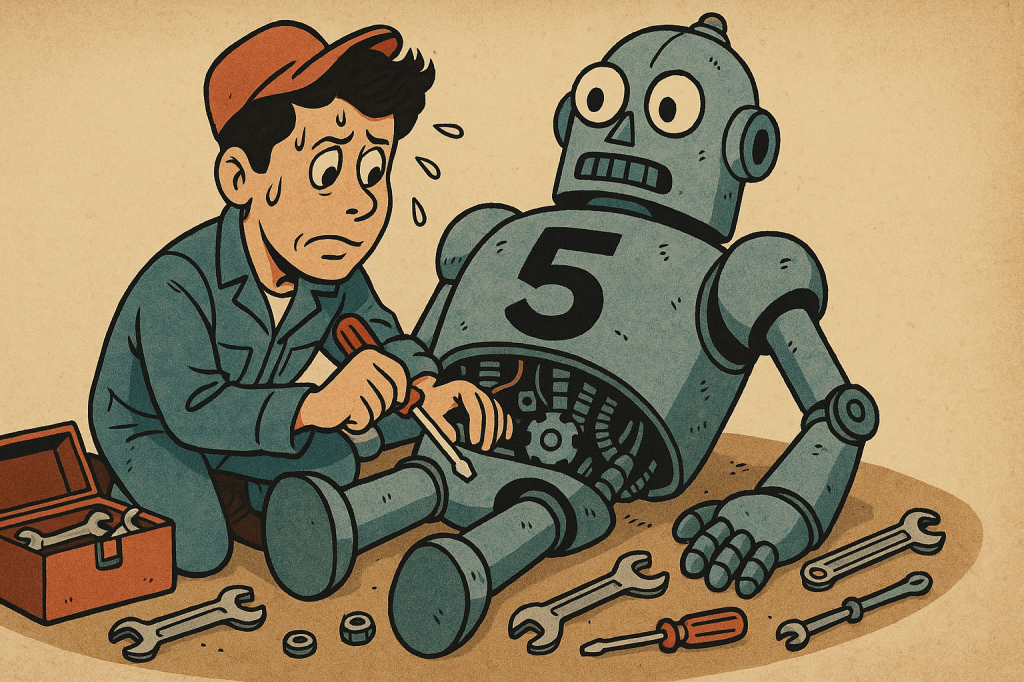
OpenAI faces backlash as users complain about broken workflows and losing AI friends.

OpenAI had glowing things to say about ChatGPT-5. Users aren't as convinced.

OpenAI is positioning GPT-5 not only as a more powerful AI model but also as part of a more connected workspace.

OpenAI’s latest upgrade was supposed to be a leap forward. Instead, it sparked backlash — and raises big questions about whether stitching together multiple models is the path to…

For now, the changes should help placate users who felt frustrated by the sudden shift to GPT-5 and deprecation of OpenAI's older LLMs.

We could soon find ourselves deferring to AI assistants that botsplain our every experience in real time. Is this empowerment or deferral?