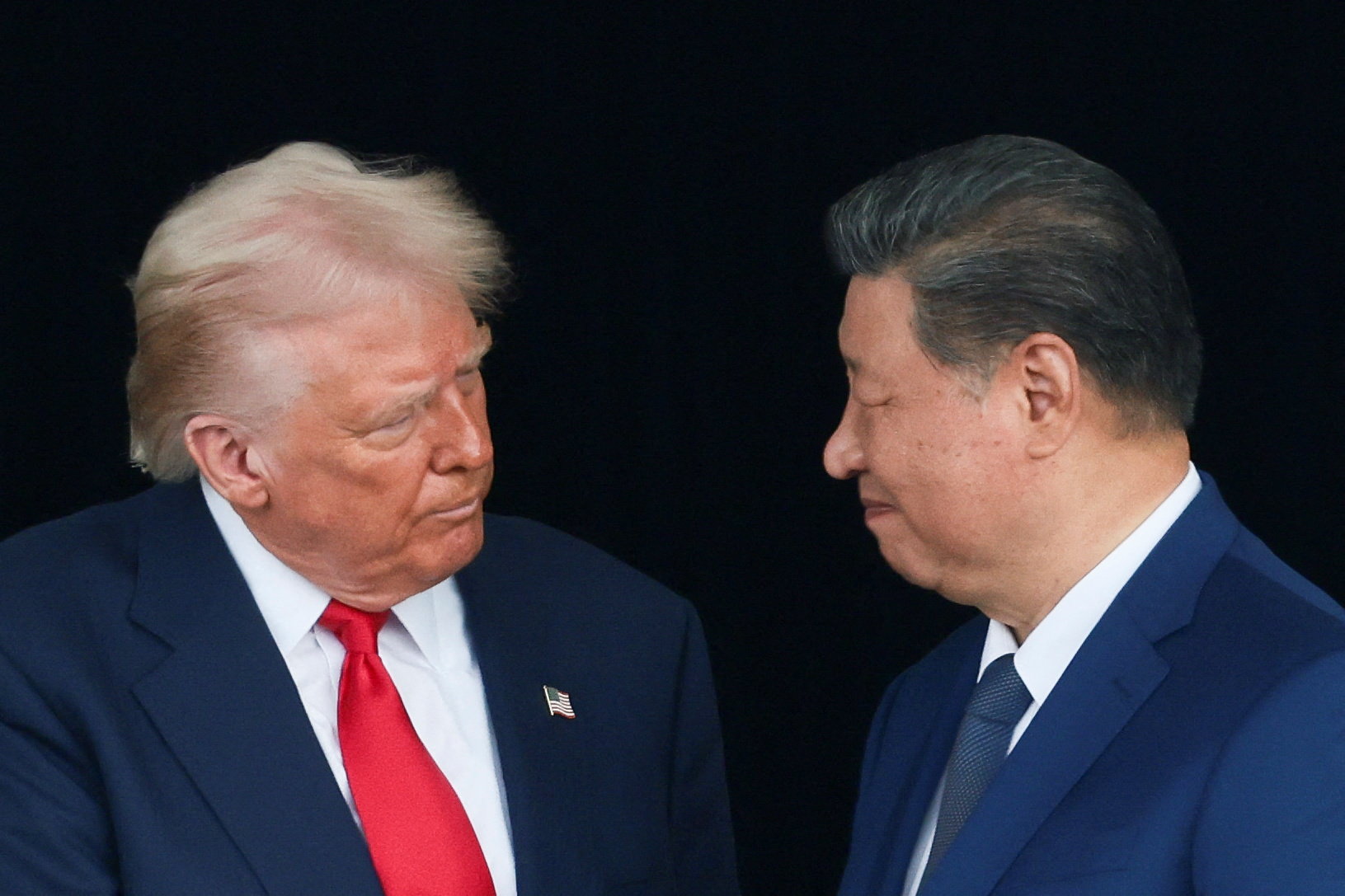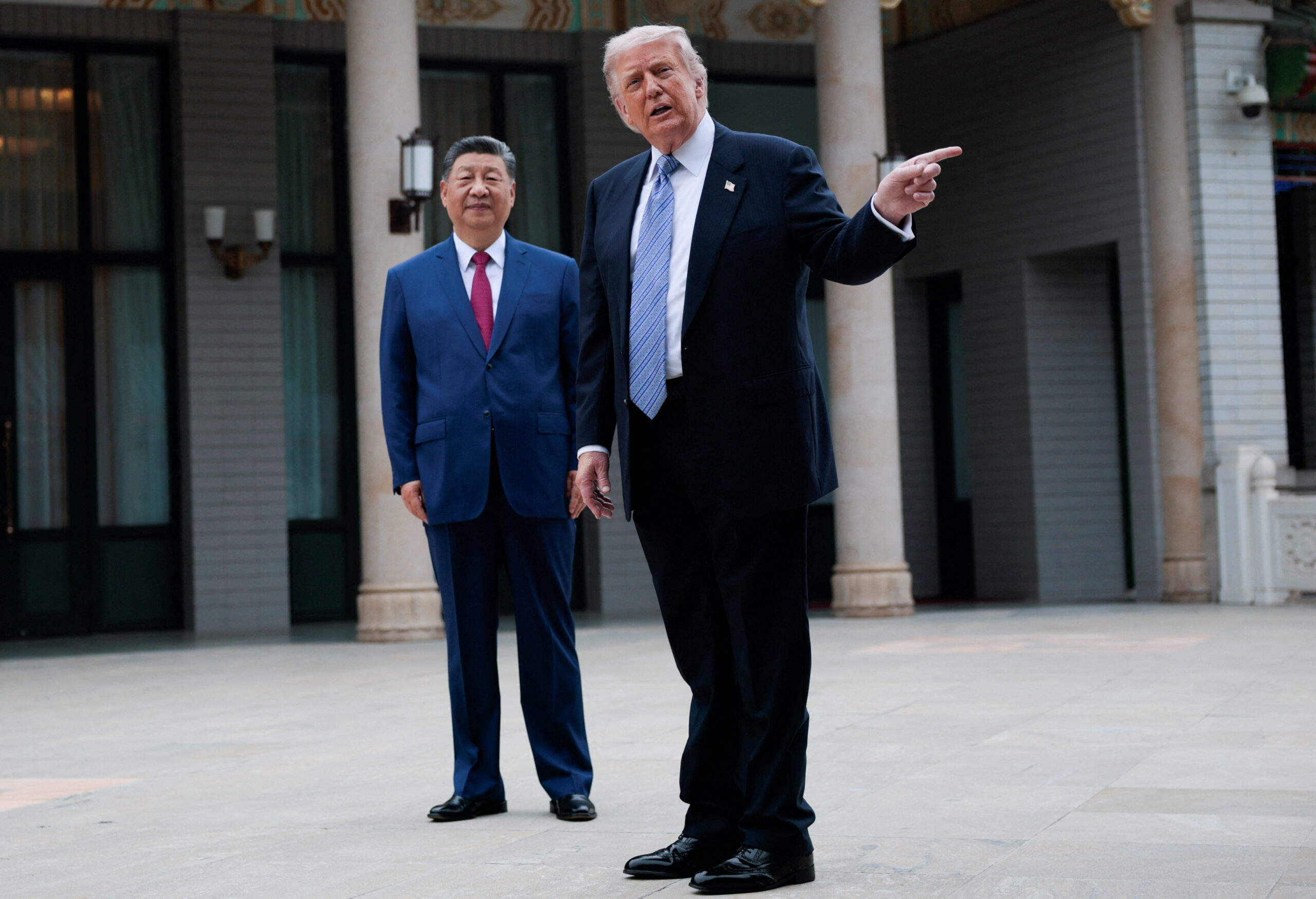
WASHINGTON—Discussions about artificial intelligence (AI) have exploded in recent days as several industry leaders and researchers have warned of the need to “pace the frontier” of AI development. Some have cited “loss of control”—the likelihood of catastrophic risks to humanity due to AI going rogue—as the motivating factor in their speaking out now. The stakes extend well beyond AI safety. Both Washington and Beijing frame AI as central to economic competitiveness and national power. US President Donald Trump, for example, has said that “there’s only going to be one winner here, and that’s probably going to be the U.S. or China. And right now we’re winning by a lot.” Meanwhile, Chinese President Xi Jinping has described accelerating next-generation AI development as “a key strategic lever for gaining the initiative in global technological competition.”
As a general-purpose technology, AI strengthens economic and military capabilities across sectors and gives the country with the stronger ecosystem greater influence over the platforms, standards, and rules adopted globally. The balance of AI capabilities will certainly be a deciding factor in the broader systemic competition between the two countries. The series of warnings on AI comes as the United States and China prepare to hold AI safety talks between senior officials in advance of a planned Trump-Xi meeting in Washington later this month, raising questions about whether either side would accept constraints that could weaken its competitive position. Beyond the leaders’ statements on AI, there are several factors that make meaningful cooperation on a slowdown more or less likely.