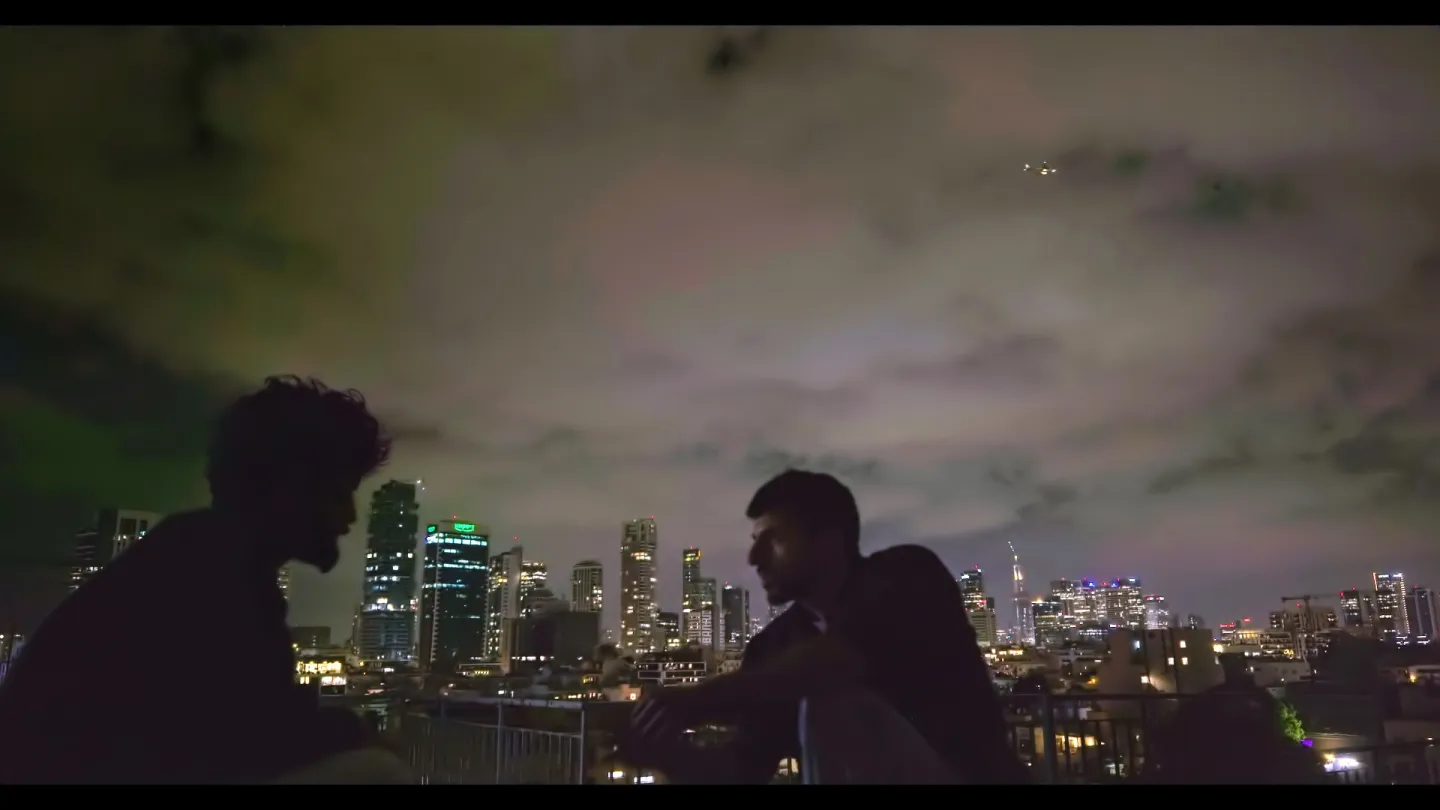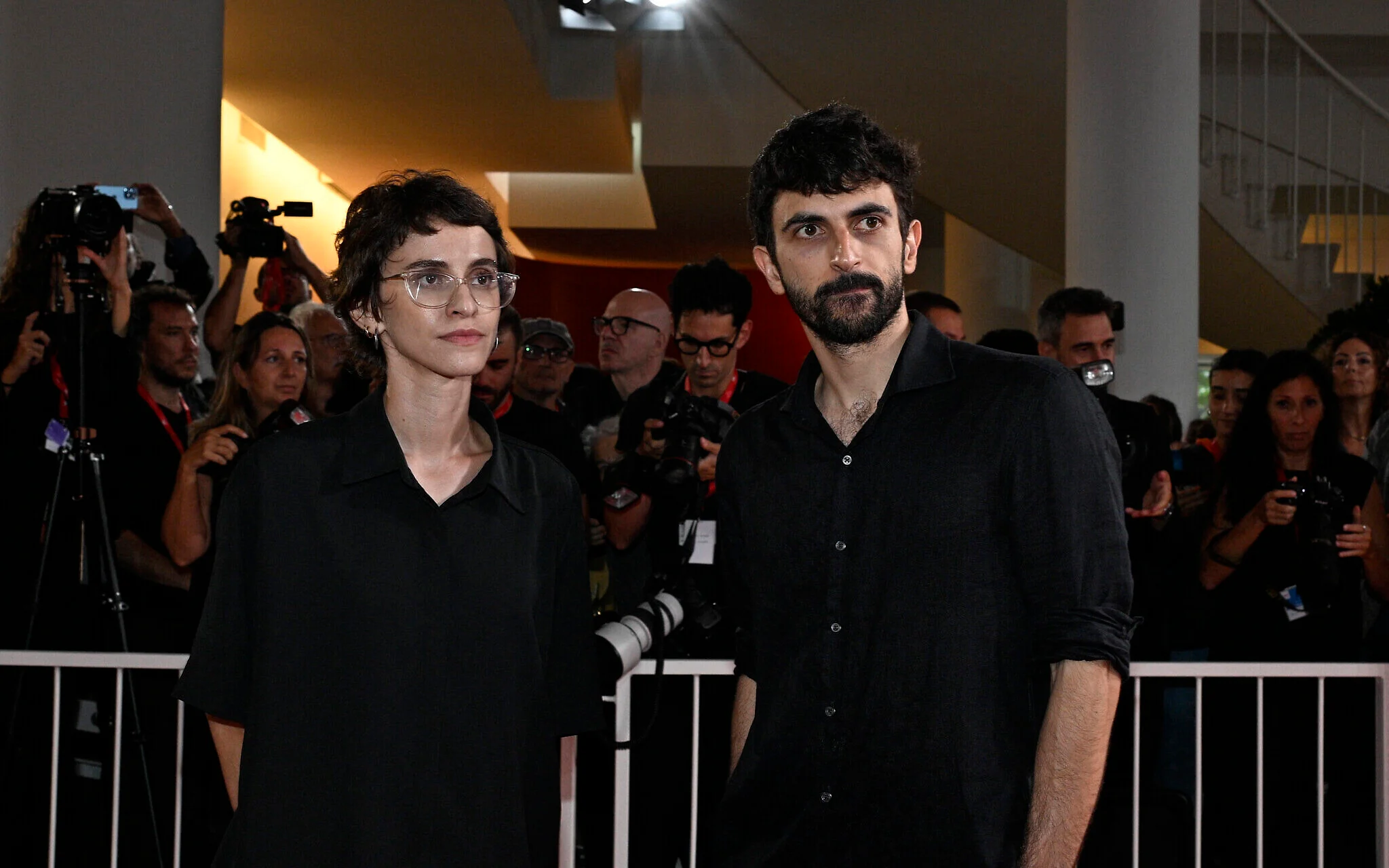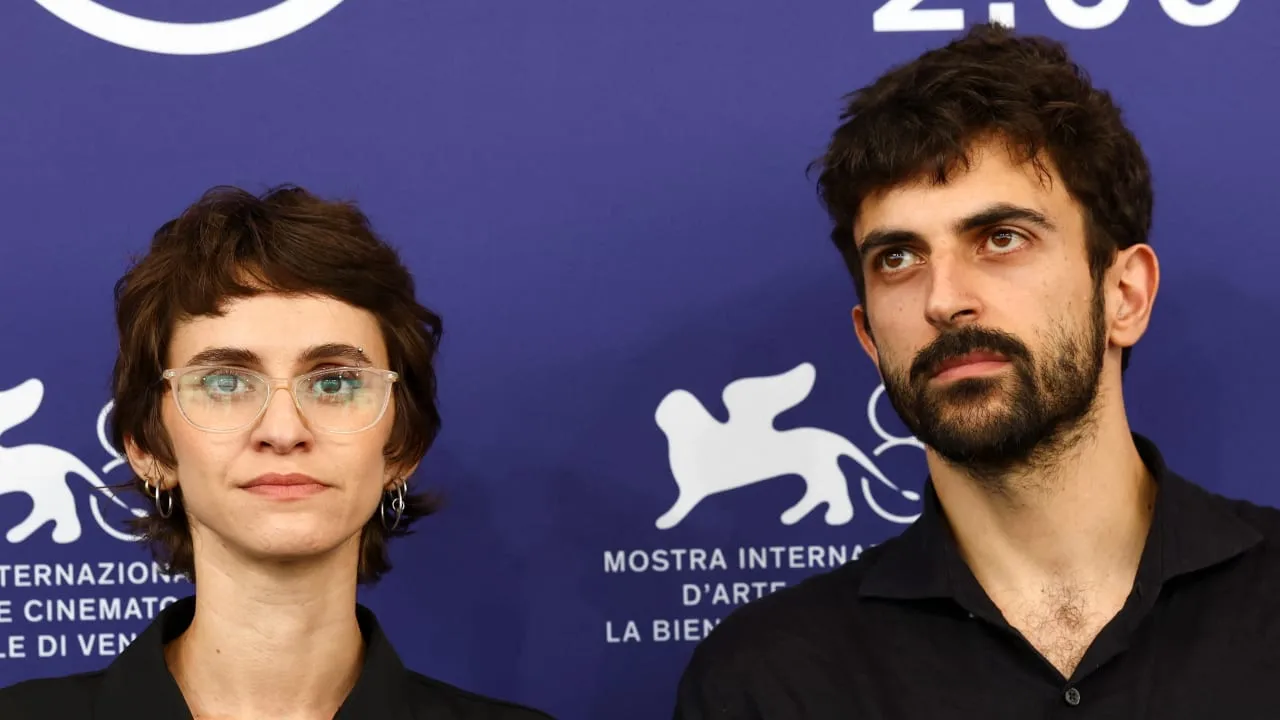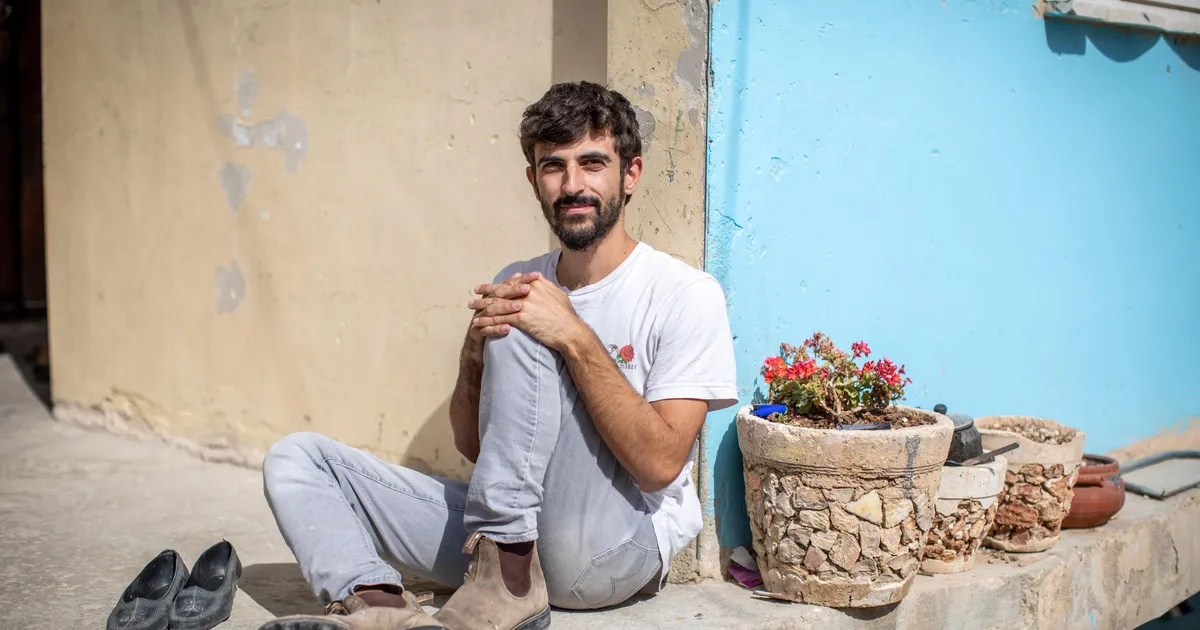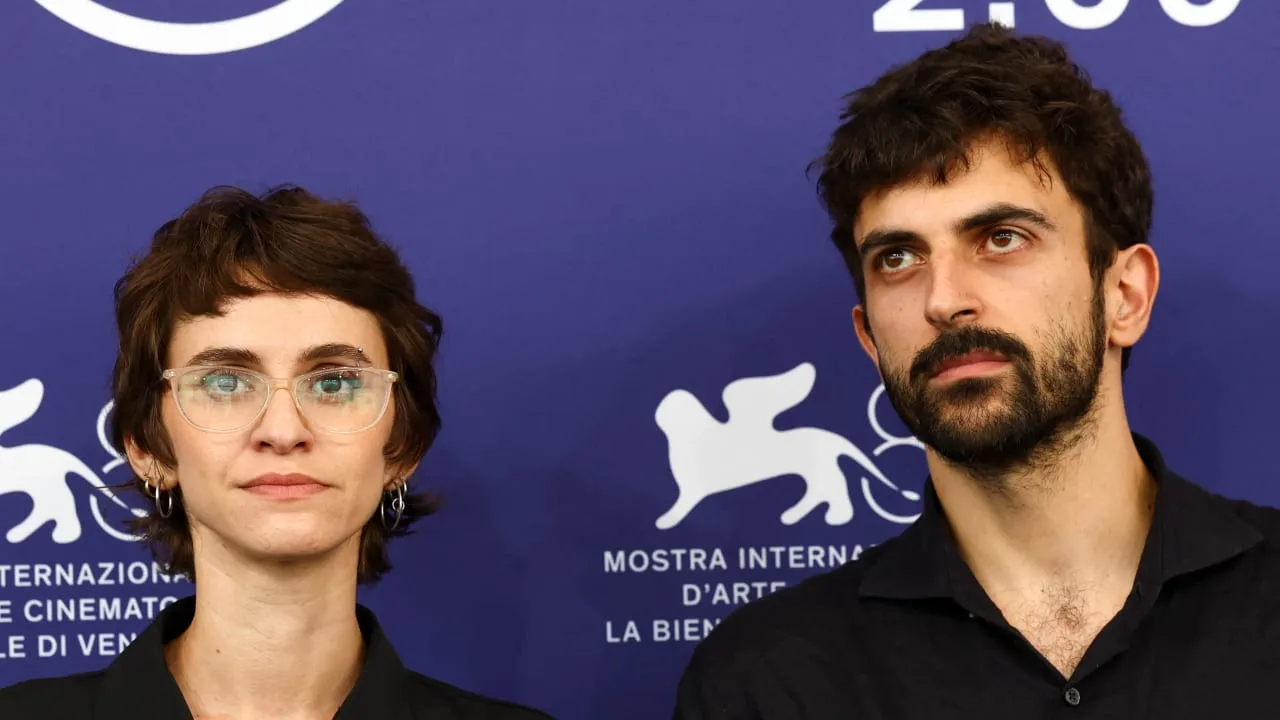
ByHERB KEINONSEPTEMBER 14, 2026 20:30Israeli filmmakers Yuval Abraham and Rachel Szor are on quite the enviable roll.In 2025, they shared an Oscar with Palestinian filmmakers Basel Adra and Hamdan Ballal for No Other Land, a documentary presenting Israel at its ugliest in the West Bank—demolishing Palestinian structures that Israel says were built illegally in a military firing zone, actions the filmmakers portray as part of a systematic campaign to displace Palestinian communities.On Saturday, Abraham and Szor won the Venice Film Festival’s prestigious Special Jury Prize for NAZA, which presents an even uglier Israel—one engaged in the systematic and avoidable killing of Palestinian civilians in Gaza.The West Bank in 2025. Gaza in 2026. All they need to complete the trilogy is another documentary—this one portraying Israel’s creation in 1948 as the original sin—and they will surely take home the Palme d’Or at Cannes.If you want critical acclaim from your peers, just make a film portraying Israel in the worst possible light.Directors Yuval Abraham and Rachel Szor receive the Special Jury Award for ''Naza'' during the closing ceremony of the 83rd Venice International Film Festival, Italy, September 12, 2026. (credit: REUTERS/YARA NARDI)The Guardian, which unsurprisingly produced the film given its own anti-Israel slant in news coverage and commentary, received a 25-minute standing ovation at its Venice premiere on Thursday. Two days later, it won the prize.That ovation says at least as much about the audience as it does about the film. Those applauding were clapping not only, or perhaps not even primarily, for the documentary, but rather for themselves, congratulating themselves on their virtue and moral clarity in standing up for such a righteous cause.Fauda's complexity earned it global praiseNow consider Fauda. The fifth season of the Israeli series was released worldwide on Netflix on September 8 and quickly climbed to fourth place globally. It reached No. 1 in Lebanon, No. 2 in Jordan, the United Arab Emirates and Bahrain, and the top 10 across much of the Middle East.Can anyone imagine Fauda receiving a 25-minute ovation at a leading European cultural festival today?True, 10 years ago, when Israel, though hardly beloved, was not nearly as vilified as it is now, the first season of Fauda won the FIPA d’Or for Best Screenplay in a Series at the International Festival of Audiovisual Programs in Biarritz, France. But that was then.Today, it is impossible to imagine a series carrying Fauda’s message receiving that kind of embrace from the festival circuit.Why? Because its message is complexity.This season shows the horrors of October 7, the trauma inflicted on the country, and the anger that followed. Fauda does not present the conflict as a simple morality play with immaculate victims on one side and gleeful villains on the other. But that is not the message much of the cultural world wants to hear.It wants the message Abraham and Szor peddle: Israel as villain, gratuitously and even enthusiastically oppressing Palestinians.That message wins prizes. A more complicated story—of a beleaguered country trying to survive while confronting an enemy embedded among civilians, and of soldiers forced to make impossible moral choices in split seconds—finds less of an audience among critics.It does, however, find an audience among viewers, as Fauda’s soaring ratings demonstrate.True confession: I have not seen NAZA and know it only from what I have read. But what I have read is infuriating enough.The film is based on interviews with 24 anonymous Israelis presented as military and intelligence insiders. According to published accounts, some of their most serious allegations lack dates, locations, units, or identifiable strikes—making it impossible for viewers to assess them independently.One interviewee, for example, claims that a strike was approved despite an estimate that it could kill 500 civilians. Yet no target, date, or location has been provided. The IDF has categorically denied that any such strike was ever planned, approved, or carried out, but the lack of particulars leaves it with little to do beyond issue a blanket denial.Anonymous allegations presented as proof of a systemic problemThat is the trap: Anonymous allegations, stripped of the details needed to test them, are presented as proof of a sweeping system.Judging from accounts of the film, there is also little sustained comparison with other armies fighting under comparable conditions and little consideration of Hamas’s deliberate embedding of fighters and weapons within civilian areas.It is infuriating that anonymous accounts that cannot be independently corroborated will carry more weight among the chattering classes than assessments by military professionals such as American urban-warfare expert John Spencer and retired British Col. Richard Kemp, both of whom have argued that Israel took extraordinary measures to limit civilian casualties.It is also infuriating that filmmakers rooted in Israel’s far Left are treated as disinterested arbiters of Israeli policy. The film’s title is a genuine Hebrew military acronym for nezek agavi, collateral damage. But rendered in English as NAZA—one letter away from NAZI—and attached to a film containing explicit comparisons with the Holocaust, the implication is difficult to miss.But infuriation is not policy, and however much anger Israelis may feel toward compatriots who denigrate their country on the world stage—and are feted for doing so—anger is not a strategy.Nor can Israel simply dismiss NAZA as another example of self-loathing Israelis building international careers on the backs of their own people. Why not? Because this type of material has a cumulative effect.For too long, Israel has failed to respond quickly and effectively to the accusations, lies and distortions that seep into mainstream discussion through NGOs, hostile academics, films such as this and offhand remarks by politicians, both past and present.British Foreign Secretary Ed Miliband, for instance, accused Israel last week of ethnic cleansing in parts of Judea and Samaria, bolstering his claim by citing remarks from former prime minister Ehud Olmert and former minister Ephraim Sneh.Statements made by Israelis and critical Jews in the Diaspora are quickly pounced upon by Israel’s fiercest critics as authoritative proof against the country. It all leads to a climate where descriptions of Netanyahu as the “mastermind” of genocide become throwaway lines in Western editorials and allegations that Israel trained dogs to rape Palestinian prisoners are allowed to run in America’s “newspaper of record.”Israel cannot just get mad at this film; it must take it on head-on.It is impossible to rebut allegations case by case when the film provides no identifiable cases, and that itself must—as it already has been—be central to the response. Reasonable and fair-minded people can understand that grave accusations based on anonymous testimony and stripped of the details needed to test them may be emotionally powerful, but cannot be verified or disproved.But pointing out the film’s fatal flaws is not enough. Israel needs to counter-attack.The IDF should release as much material as security permits to show times when strikes were canceled or delayed because civilians were present and targets abandoned when the anticipated collateral damage was deemed excessive. Such examples exist and need to be gathered and made easily accessible to the public.Israel should also take the offensive and explain how targets are selected, how anticipated civilian casualties are calculated, who approves strikes, and what legal restraints exist. It should also provide context by comparing Israel’s experience with the experience of other Western armies fighting terrorists embedded in urban landscapes.This material should be given to the audiences that will see the film: journalists, diplomats, lawmakers, festival programmers, and opinion leaders. Israel needs an accessible response that goes beyond saying that the IDF is the “world’s most moral army” and that will accompany the film’s opening wherever it is released.Threatening Abraham and Szor with the loss of their citizenship does none of this. Instead, it turns them into martyrs and reinforces the image they hope to portray of Israel as an intolerant society that silences its critics.Instead of merely venting anger at the filmmakers, the IDF, Foreign Ministry and National Public Diplomacy Directorate should prepare a lawyerly brief—in language the average man can understand—to debunk these claims. And it needs to do so quickly, before the claims harden into accepted truths.Follow us on Google
NAZA, Fauda show why Israel needs more than outrage to fight the narrative war | The Jerusalem Post
NAZA’s Venice success may infuriate Israelis, but outrage alone will not counter its allegations. Israel needs evidence, context, and a rapid response before its claims become accepted truth.
1,336 words~6 min read