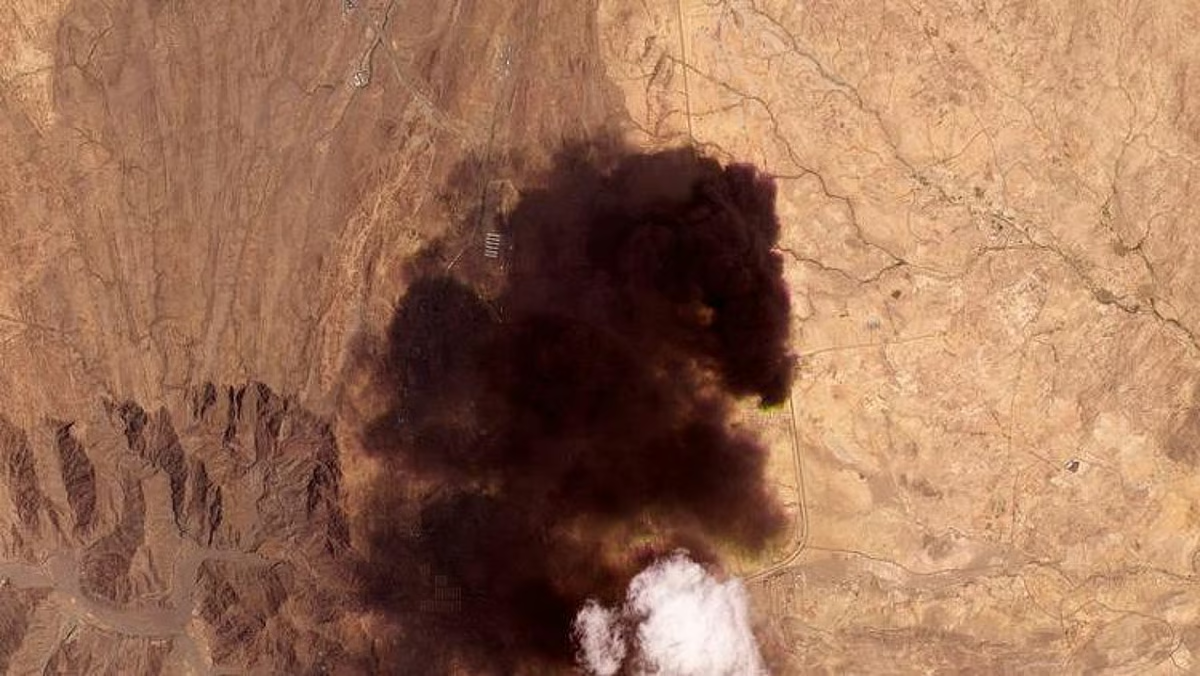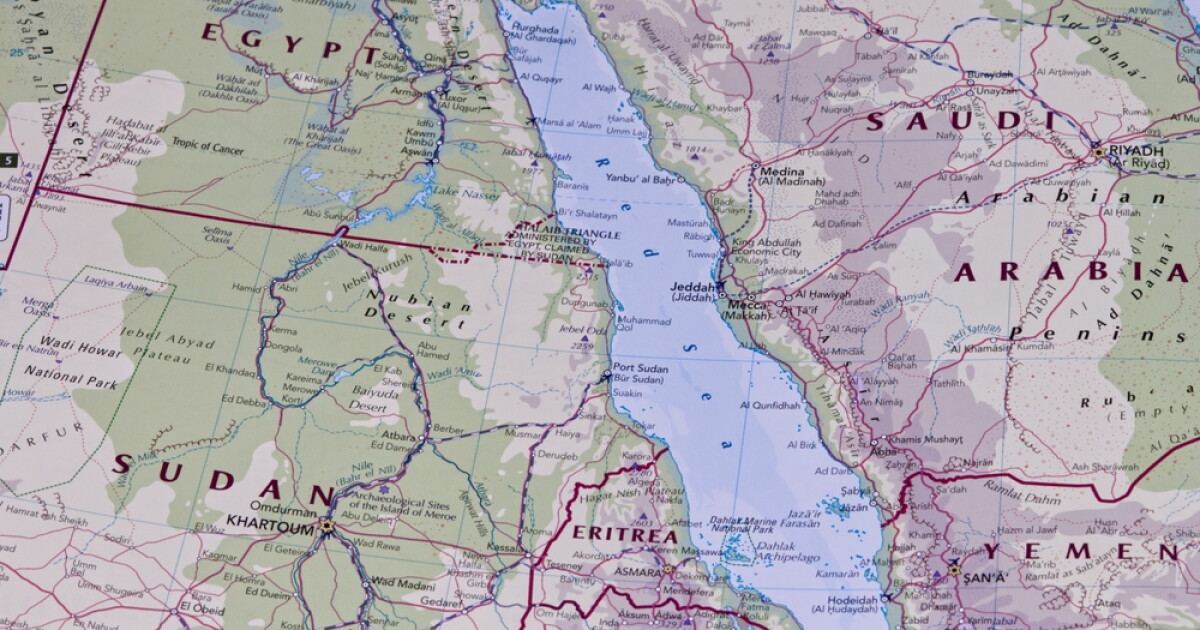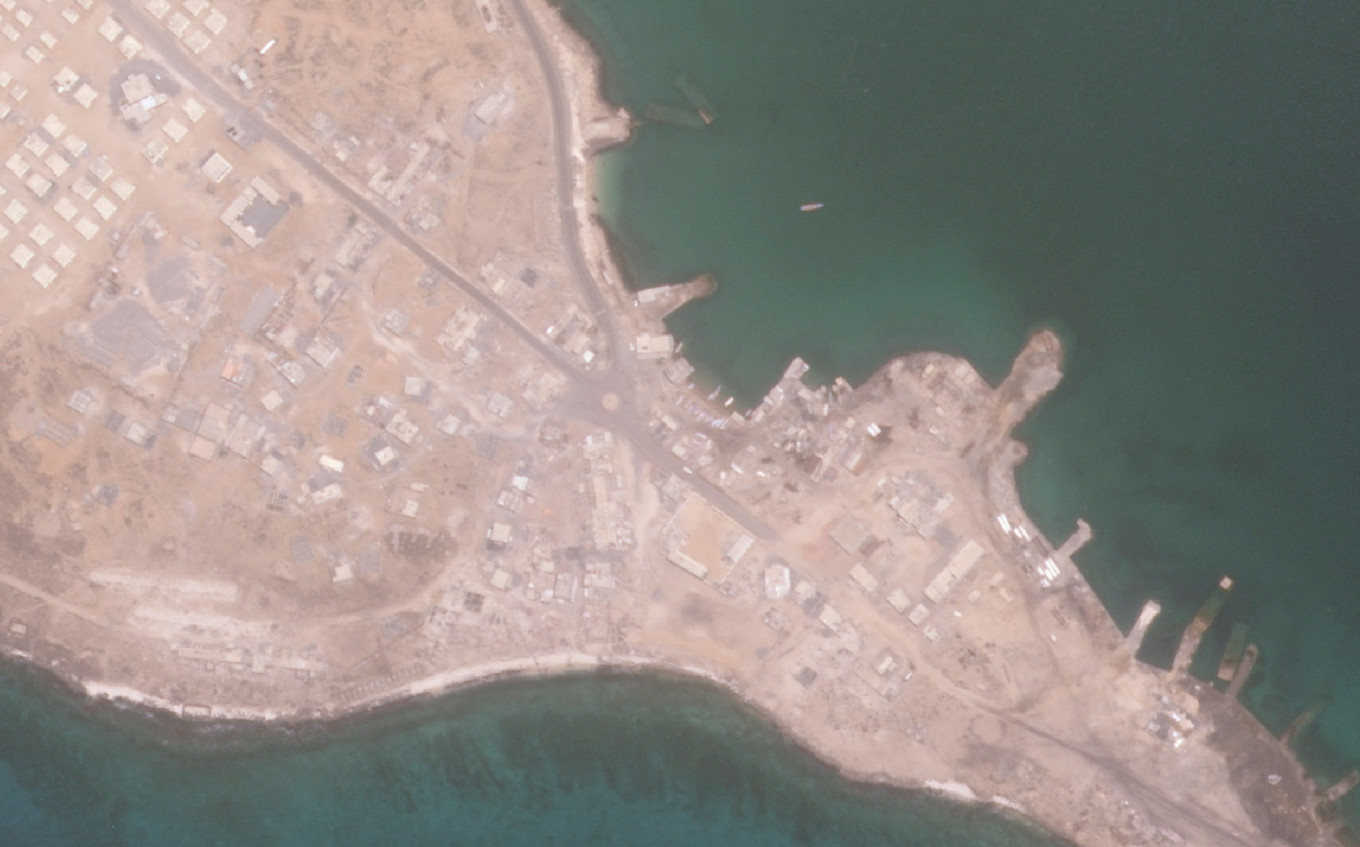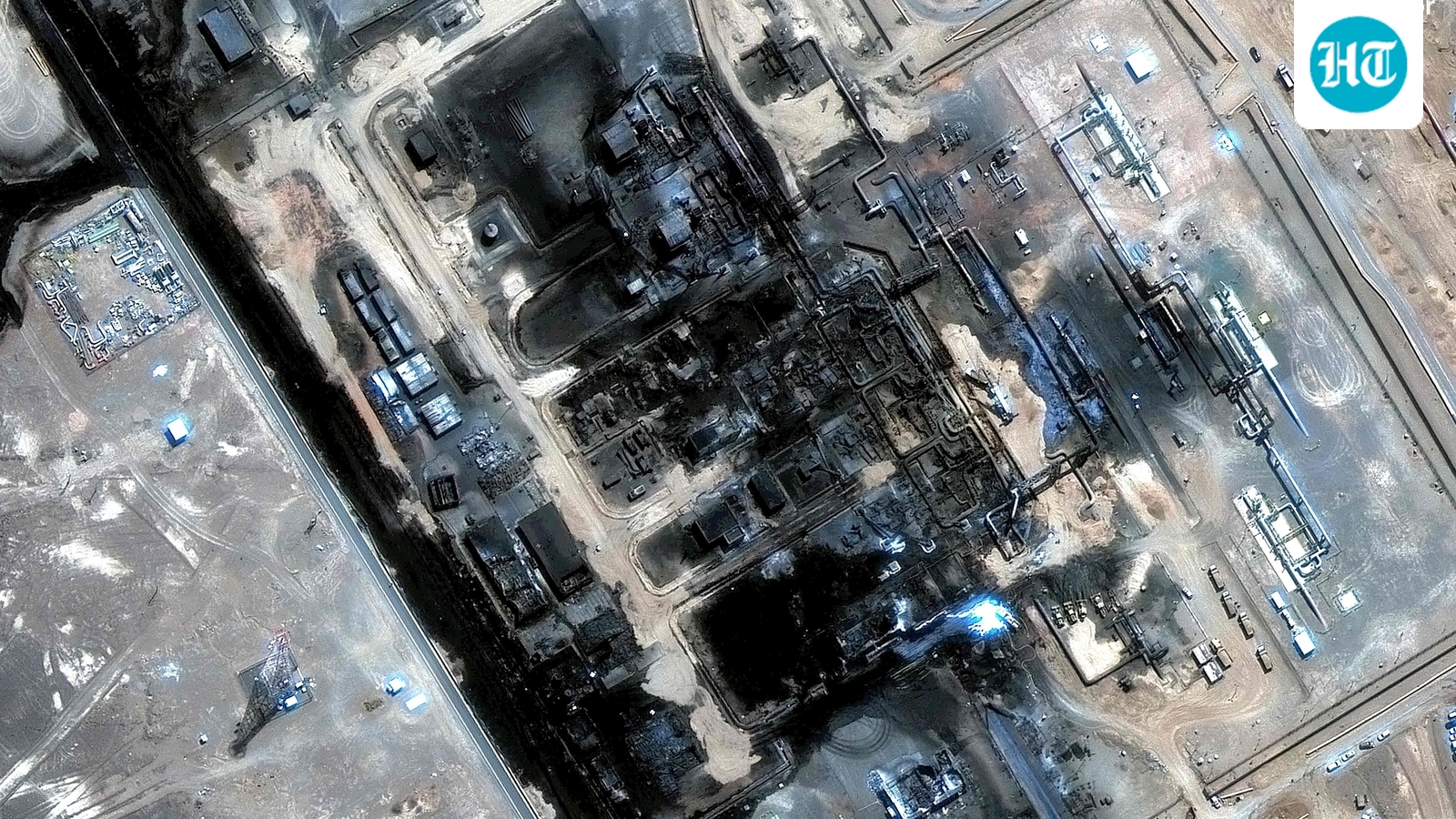
The situation in West Asia continued to intensify as Iran-backed Houthi fighters of Yemen captured islands alongside the Red Sea, creating more difficulties for Saudi Arabia to ship through that route.This handout satellite image released by Vantor shows a view of a pumping station along the general route of Saudi Arabia's East-West pipeline (Petroline) in al-Mesabaah, southeast of Medina, on September 13, 2026, following an attack and resulting fires on September 11 which caused significant damage to the site along the pipeline. (AFP)Houthis captured more key islands in the southern Red Sea — Greater and Lesser Hanish — which would give them more control of the maritime shipping route, said officials on Monday.Houthis took control of the islands after hundreds of fighters allied with Yemen’s Saudi-backed government withdrew from the archipelago, news agency Associated Press reported citing two government officials and a Houthi official, who spoke on condition of anonymity as they were not authorised to speak to the media.Also read: Houthis' Yemen advance leaves Gulf states with uncomfortable choiceThe development follows attempts by government forces over the weekend to regroup and push back against the Houthis’ rapid advances around the Bab el-Mandeb Strait, a vital shipping route and an alternative to the Strait of Hormuz.The Houthi deployment on the Hanish islands, located about 160 kilometres north of Bab el-Mandeb, could give the rebels greater ability to threaten Saudi crude shipments travelling through the Red Sea. Saudi Arabia has increasingly relied on the route as an alternative to the Strait of Hormuz, where Iran has been attacking shipping.Any escalation in the Red Sea — particularly attacks on Saudi oil infrastructure or vessels carrying its crude — could put further pressure on global oil supplies and prices.Such disruptions could also provide Iran an upper hand in its ongoing war with the United States.Also read: The Houthis’ shock advance in Yemen gives Iran new leverage‘Large-scale Saudi retaliation’ impending?The increasing offensive by the Houthis may prompt Saudi to respond harshly, even as the kingdom does not seem very keen to be engaged in an all out war.All signs now “point to a large-scale Saudi retaliation, and that likelihood is increasing by the day. At this point they don’t have an option," Mohammed Al-Basha, an expert on Yemen and a US-based risk adviser, told CNN.After the effective closure of the Strait of Hormuz by Iran amid its ongoing war with the US, Saudi Arabia switched to enhanced use of the East-West pipeline, a 1,200km pipeline which links the country's major oil-producing fields in the east with the Red Sea port of Yanbu. Saudi rerouted around 5 million barrels of oil per day along the pipeline to reduce dependency on the Strait of Hormuz.However, operations were suspended on the route after drones struck it last Thursday. Saudi authorities said the drones were launched from Maysan province in southeastern Iraq, near the Iranian border, where Iran-aligned armed groups have maintained a longstanding presence.The Houthis continue to call for an end to Saudi Arabia’s air and economic blockade of the parts of northern Yemen under their control. Despite their close ties with Iran, the group has its own political and military goals against Saudi.Houthi's state news agency Saba's head told CNN on Friday that the group will continue to exert pressure on Saudi until they “break the siege unjustly imposed by the Saudi enemy for 12 years”, indicating that the cinflict could escalate further.
Houthis make gains in Red Sea: Why Saudi Arabia is at loggerheads with Yemen's rebel group
Saudi Arabia has increasingly relied on the Red Sea route as an alternative to the Strait of Hormuz, where Iran has been attacking shipping. | World News
567 words~3 min read