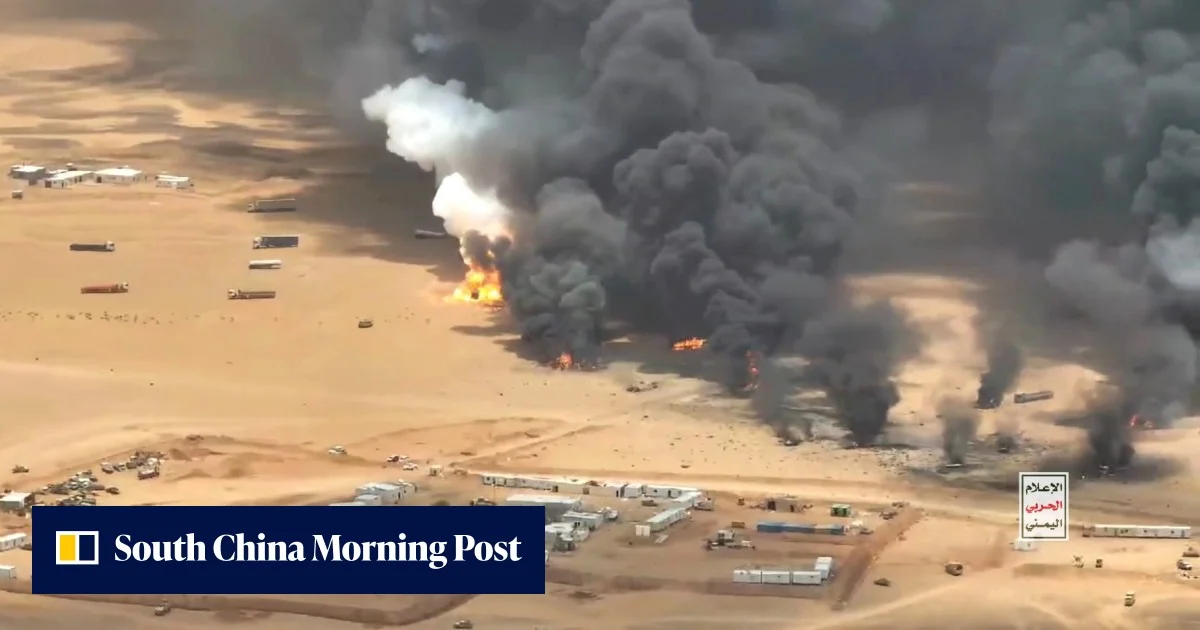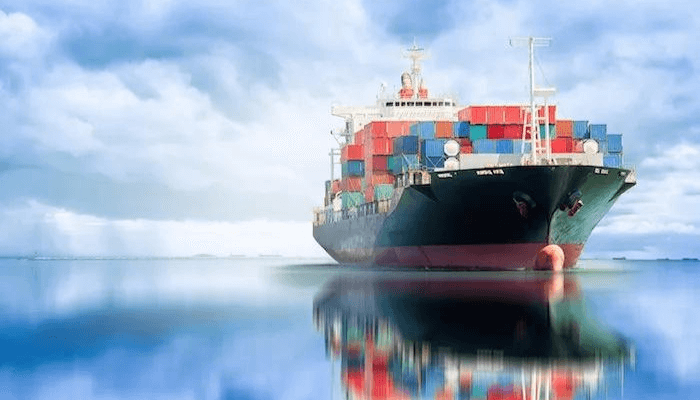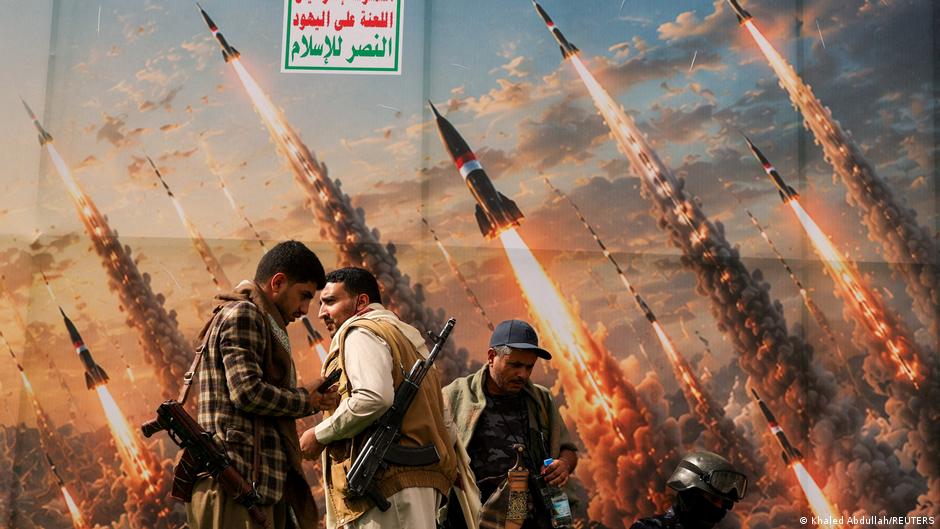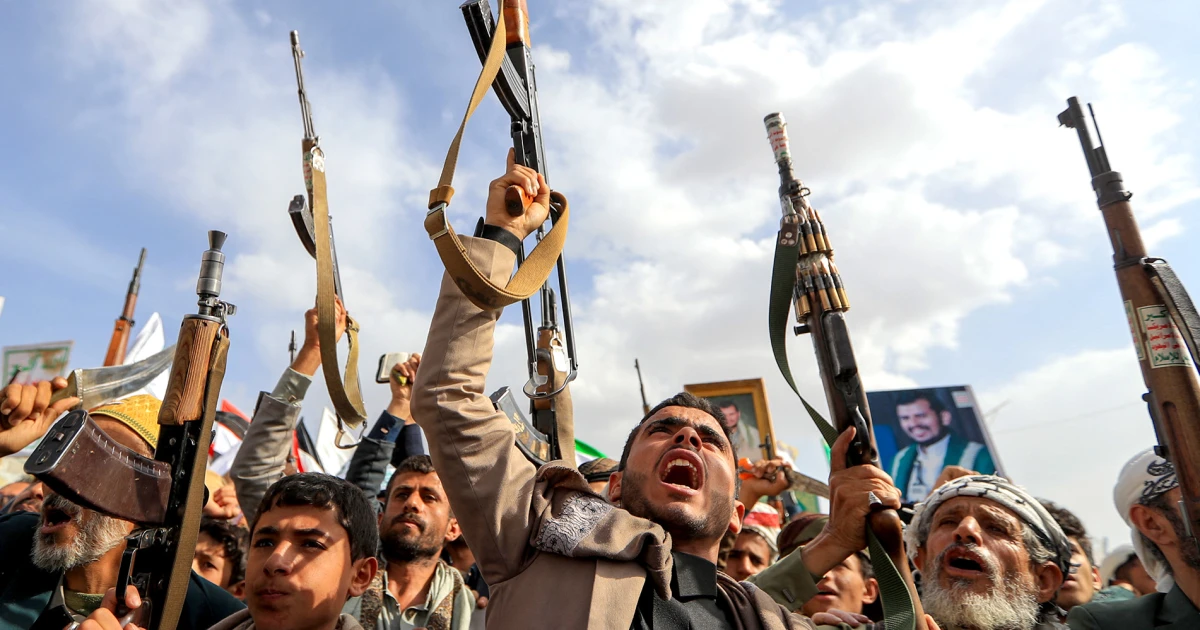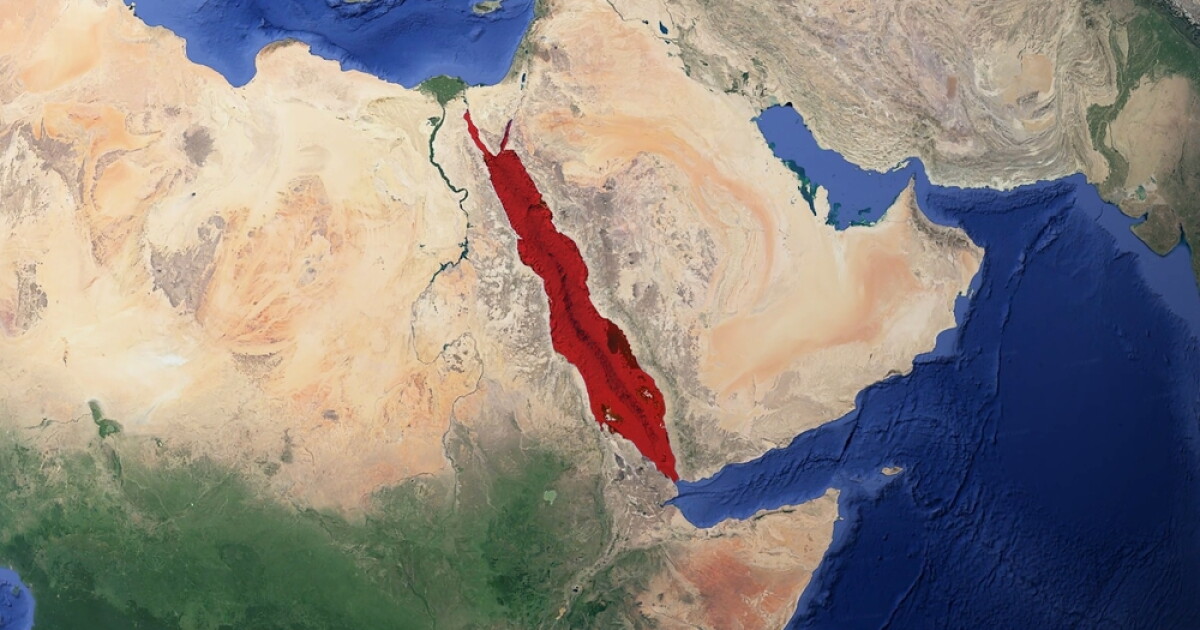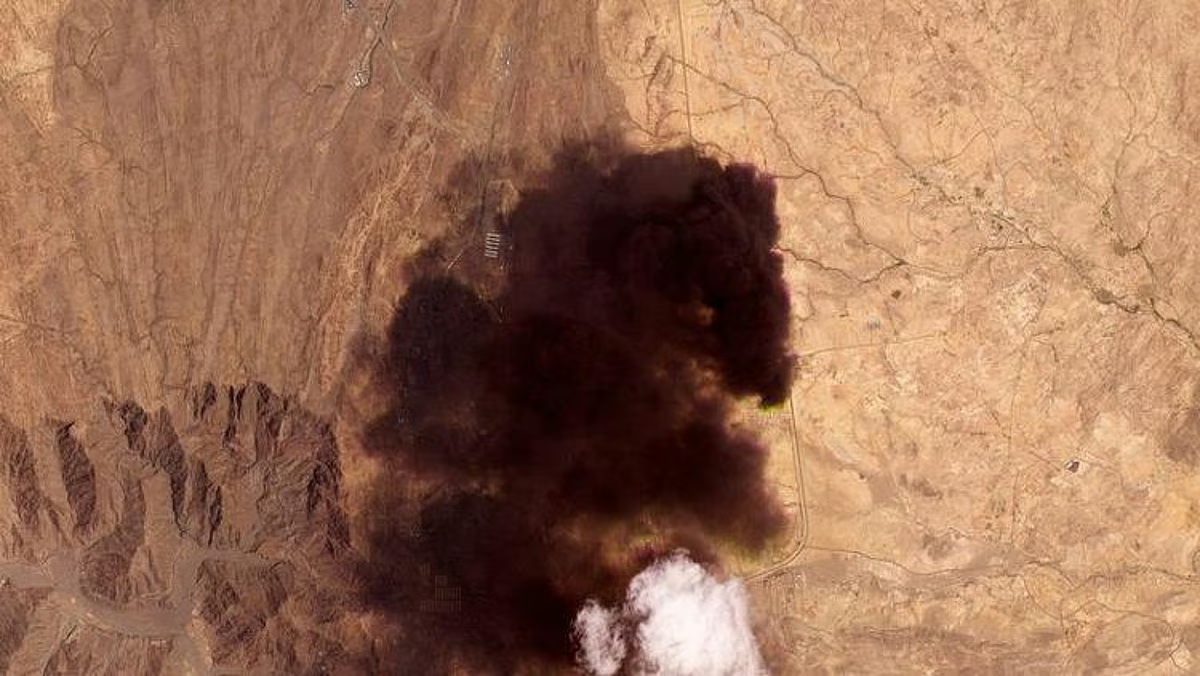
Iran war raises stakes as militantstarget Saudi oil sites and push towards Bab Al MandabLast updated: September 09, 2026 | 05:034 MIN READSatellite imagery shows smoke rising from a Saudi Aramco oil facility in Abqaiq, Saudi Arabia. Dubai: For nearly four years, Saudi Arabia and Yemen’s Houthis had largely avoided direct confrontation.That breathing space is rapidly disappearing.Yemen’s Iran-backed Houthi militants launched their heaviest attacks on Saudi Arabia in years on Tuesday, wounding 73 civilians and hitting energy facilities in the kingdom’s south. Fires broke out and some operations were temporarily halted. The strikes are the latest sign that a group once viewed largely through the prism of Yemen’s civil war has evolved into a disruptive regional force capable of threatening Saudi Arabia, firing at Israel and disrupting one of the world’s most important shipping corridors.And the timing could hardly be more sensitive.Iran’s disruption of the Strait of Hormuz has already shaken global energy markets. Saudi Arabia has increasingly relied on its Red Sea outlets to bypass the Gulf chokepoint. Now the Houthis are fighting to expand their reach towards Bab Al Mandab — the gateway to that alternative route. How the Houthi threat spread2014 — Houthis seize Sanaa and much of northern Yemen, triggering a new phase of the civil war. 2015 — Saudi Arabia leads a military intervention in support of Yemen’s internationally recognised government.2022 — Truce largely freezes the front lines and sharply reduces Houthi attacks on Saudi Arabia. 2023-24 — Houthis begin attacking Israel and Red Sea shipping after the Gaza war erupts; more than 100 merchant vessels are targeted. 2025 — US and Israeli strikes help suppress the Red Sea campaign. July 2026 — Yemen truce unravels; Houthis resume attacks on Saudi Arabia and announce a blockade of Saudi shipping. September 2026 — Houthis launch a major offensive towards the Red Sea and Bab Al Mandab. Fighting leaves 500+ dead.September 8 — Houthi attacks hit Saudi cities and energy facilities, injuring 73 civilians; Riyadh vows to defend itself.So why are the Houthis attacking Saudi Arabia again, and how did a rebel movement from Yemen become such a regional headache?The roots go back more than a decade.The Houthis seized Sanaa and much of northern Yemen in 2014, prompting Saudi Arabia to intervene the following year in support of the internationally recognised government.Years of devastating war followed before a 2022 truce largely froze the front lines and sharply reduced cross-border attacks.That relative calm lasted until July this year. Fighting resumed after an Iranian aircraft landed in Houthi-controlled Sanaa without Saudi authorisation, breaching restrictions that had been in place during the truce. Strikes on Sanaa airport followed, blamed on Saudi Arabia, before the Houthis retaliated. They also declared a blockade on Saudi shipping and resumed attacks on the kingdom.Tuesday’s escalation was particularly serious because Saudi cities and energy infrastructure were hit. Riyadh has now warned it will take “all necessary measures” to defend its sovereignty. The battle inside Yemen is exploding tooThe cross-border attacks are unfolding alongside fierce fighting inside Yemen.More than 500 combatants and civilians have been killed since the Houthis launched their latest offensive towards the Red Sea, according to an AFP tally based on sources on both sides.The offensive is aimed at territory that could give the Houthis greater influence around Bab Al Mandab, while Saudi-backed Yemeni government forces are fighting to stop their advance.Thousands have already been uprooted. The UN’s International Organisation for Migration estimated about 18,500 people had been displaced in Taiz and Hodeidah, with the number rising rapidly. Why Bab Al Mandab suddenly matters even moreGeography is what turns another round of fighting in Yemen into a global problem.Bab Al Mandab connects the Red Sea with the Gulf of Aden and provides access through the Suez Canal towards Europe. In peacetime, the wider Red Sea route carries a significant share of global trade.But Iran’s blockade of Hormuz has dramatically raised the stakes.Saudi Arabia has diverted much of its oil towards the Red Sea to bypass Hormuz. Between March and mid-July, Saudi exports through Bab Al Mandab increased eightfold. That means instability around Yemen now threatens what has effectively become an increasingly important escape route for Saudi energy exports.Oil markets are already paying attention. Brent crude touched $99 a barrel after the latest attacks, its highest level since late July. From Yemen militants to regional threatThe Houthis have demonstrated before that they can cause disruption far beyond Yemen.After the Gaza war began in 2023, they launched missiles and drones towards Israel and attacked commercial vessels in the Red Sea.Between November 2023 and December 2024, they targeted more than 100 merchant ships, sinking two and killing four sailors. The attacks sharply reduced traffic through a corridor that normally handles about $1 trillion worth of goods a year. US and Israeli strikes in 2025 helped suppress that campaign, and the Houthis initially remained largely on the sidelines when the US-Iran war erupted.That has changed.Is Iran pulling the strings?The answer is more complicated than it might appear.The Houthis are backed and supplied by Iran and form part of Tehran’s so-called Axis of Resistance. Their attacks also clearly serve Iranian interests by putting additional pressure on Saudi Arabia — a major oil producer and close US partner — while Tehran contests control of Hormuz.But that does not necessarily mean Iran is directing every Houthi move.Analysts cited by AFP disagree over Tehran’s role. Yemeni researcher Ahmed Hazaa argues the latest offensive is aimed at helping Iran’s Hormuz strategy, while Chatham House researcher Farea Al Muslimi says Iran benefiting from the attacks does not prove it is calling the shots. What is clearer is the predicament facing Riyadh.Saudi Arabia spent years trying to extricate itself from Yemen’s war. Now, with Houthi forces pushing towards a vital Red Sea chokepoint, Saudi tankers under threat and attacks once again reaching its cities and energy infrastructure, staying out may be getting much harder.As one analyst put it, Yemen is “sliding back toward large-scale war.”-- With AP and AFP inputsA Senior Associate Editor with more than 30 years in the media, Stephen N.R. curates, edits and publishes impactful stories for Gulf News — both in print and online — focusing on Middle East politics, student issues and explainers on global topics.
From Red Sea to Saudi Arabia: How Houthis became a regional menace
Houthis escalate attacks from Yemen to Saudi Arabia, threatening Red Sea shipping, Bab Al Mandab and global oil routes as Riyadh vows to defend its sovereignty.
1,105 words~5 min read