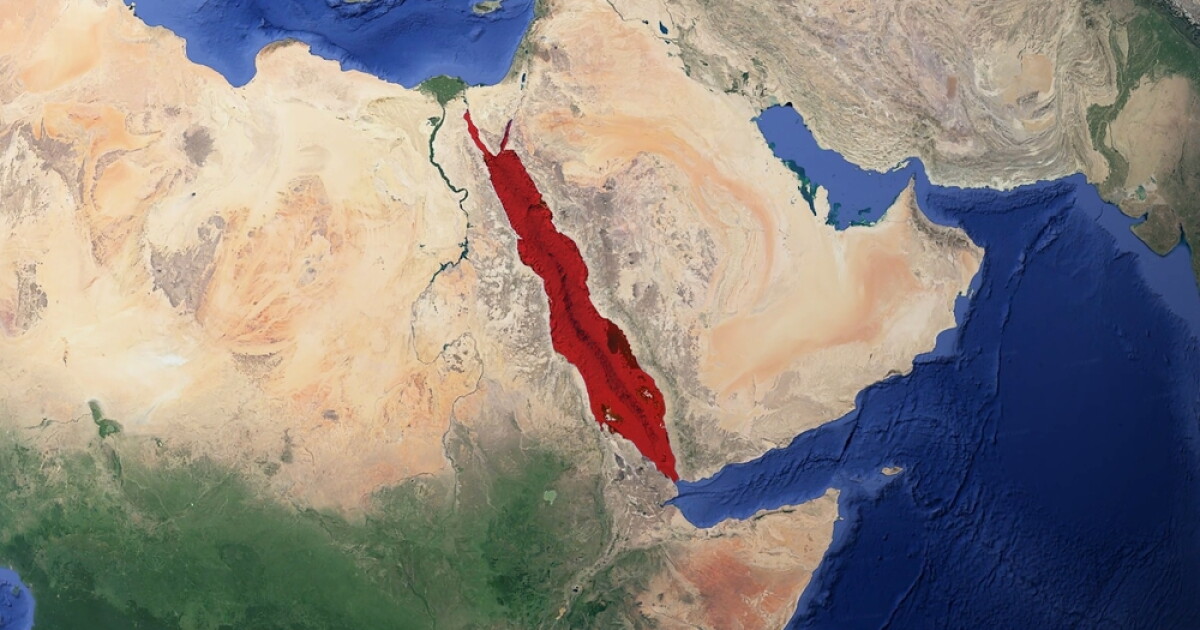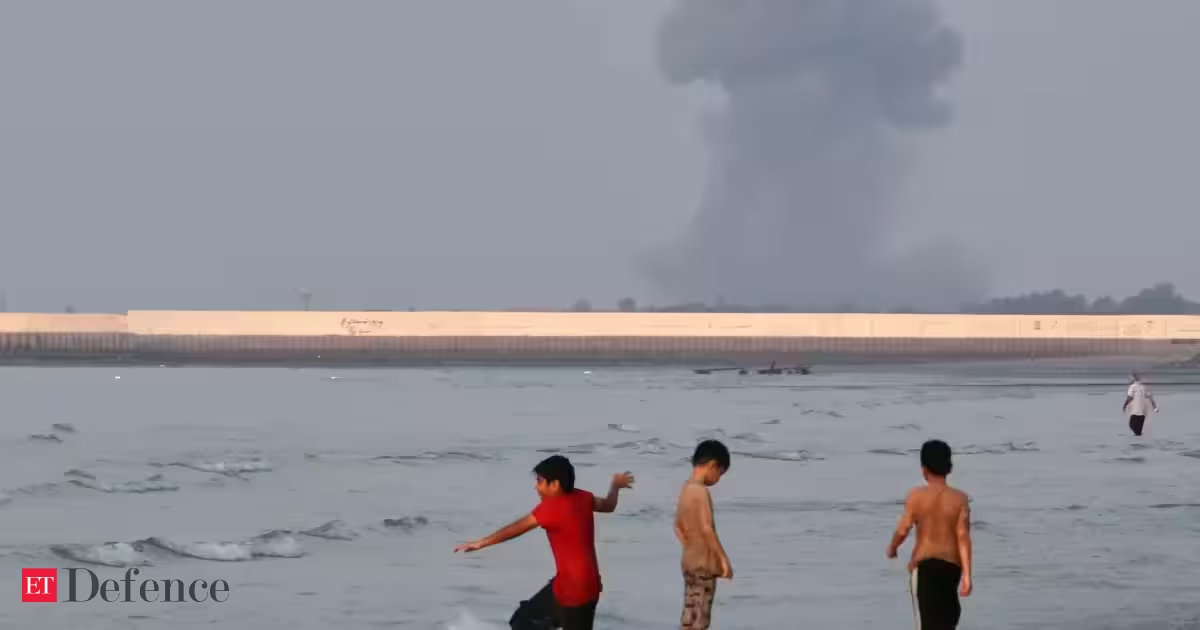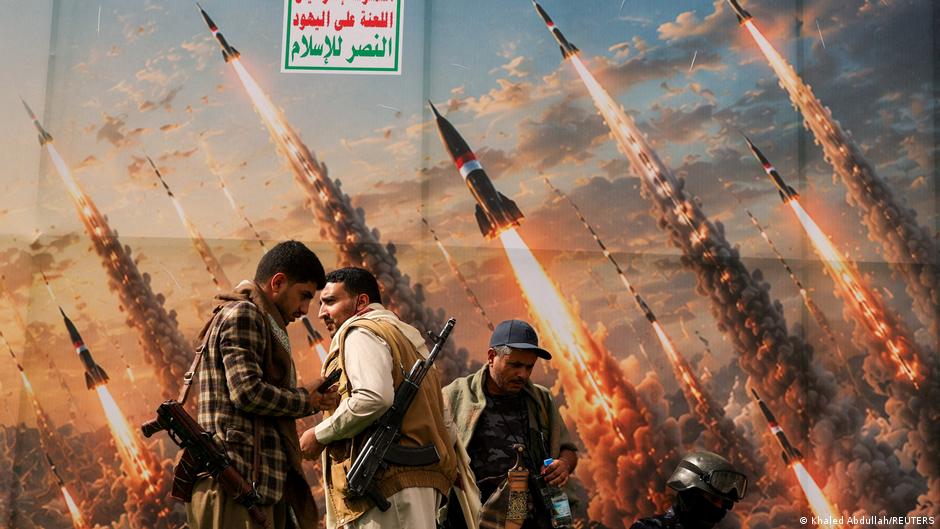
Yemen is increasingly at risk of backsliding into full-scale conflict. On Monday, Yemen's Iran-backed Houthi militia attacked another crude oil tanker in the Red Sea off the coast of Saudi Arabia. The attack followed earlier strikes on Saudi oil infrastructure and other ships in the nearby Bab el-Mandeb Strait.
The waterway connects the Red Sea with the Gulf of Aden and has served as an alternative route for oil exports from Saudi Arabia and other Gulf countries affected by Iran's ongoing blockade of the Strait of Hormuz.
In August, the Houthis also attacked areas under the control of the Saudi-backed Yemeni government, particularly the port city of Mokha. Yemen's internationally recognized government targeted Houthi infrastructure in response.
"Mokha overlooks the Red Sea and Bab el-Mandeb Strait, which is strategically important to the Houthis," Hisham Al-Omeisy, a Yemeni conflict analyst, told DW. "In the long term, the Houthis want to weaken the government's control over the Red Sea coastal areas and they aim for full control of the governate Al-Hudeydah [of which Mokha is a part] to continue their strategy of exerting pressure on global maritime trade," he predicted.
The current military flare-up ended four years of relative calm between the Houthis and Yemen's internationally recognized government, backed by Saudi Arabia.