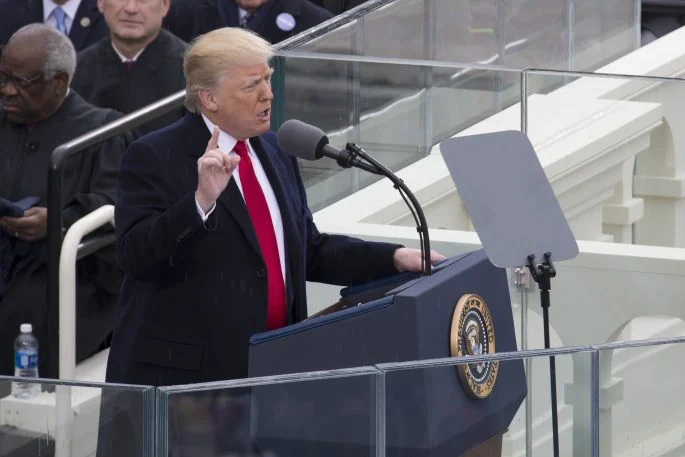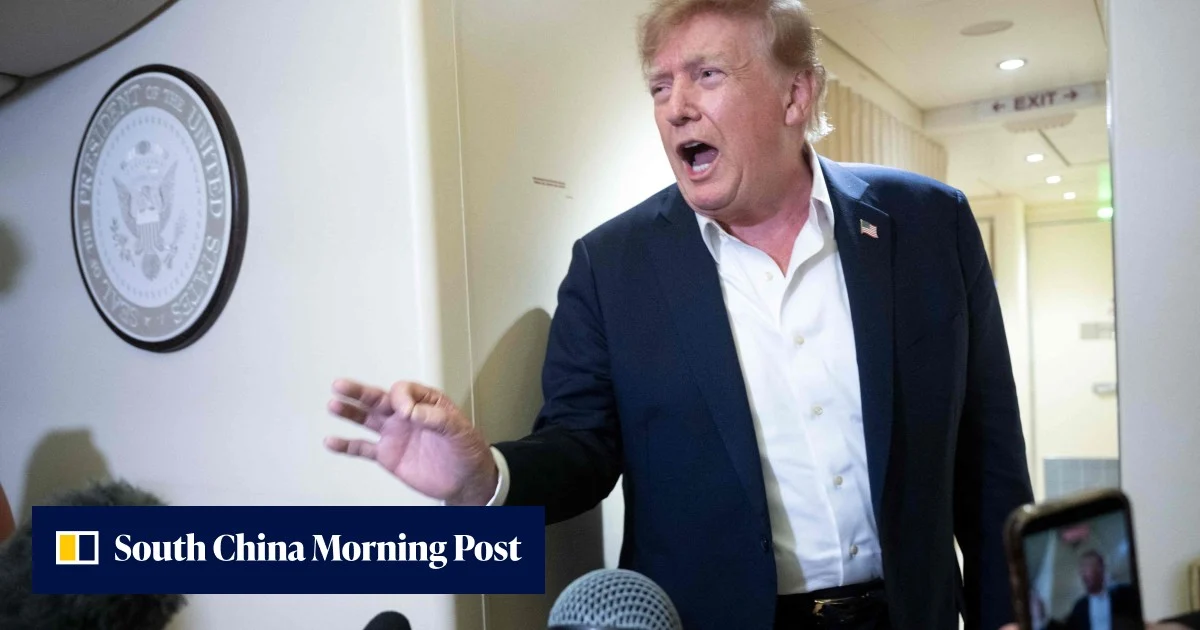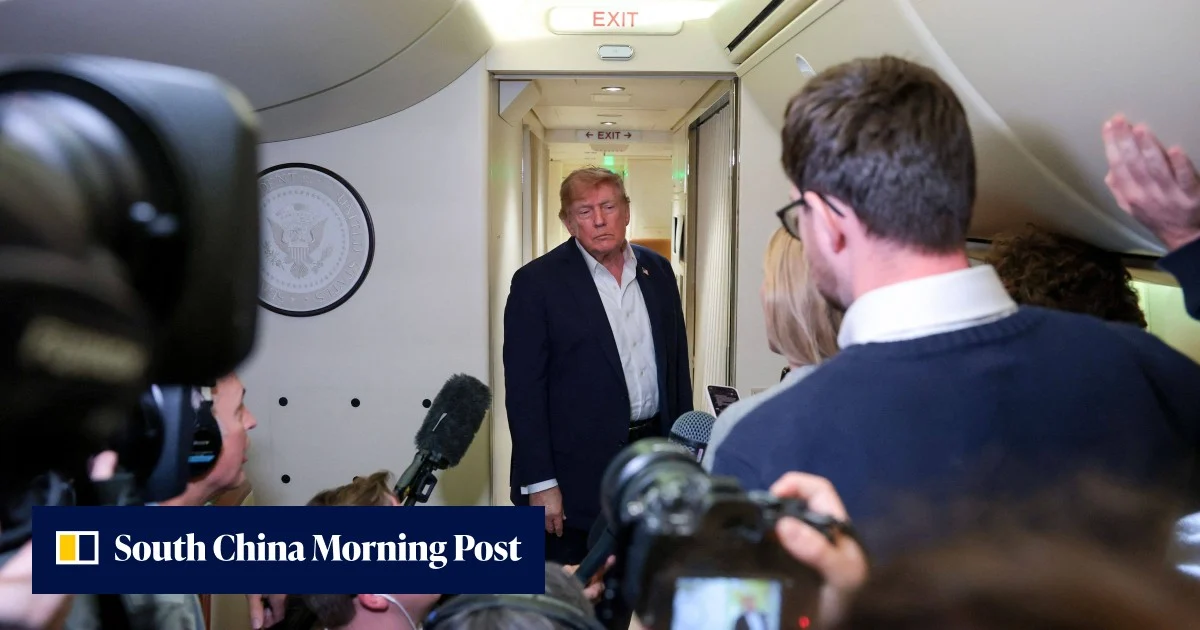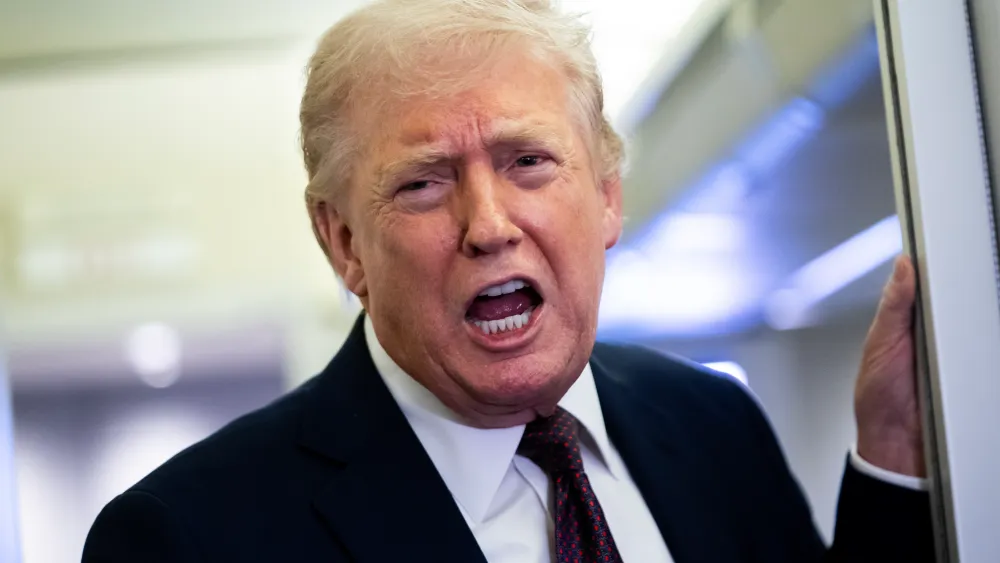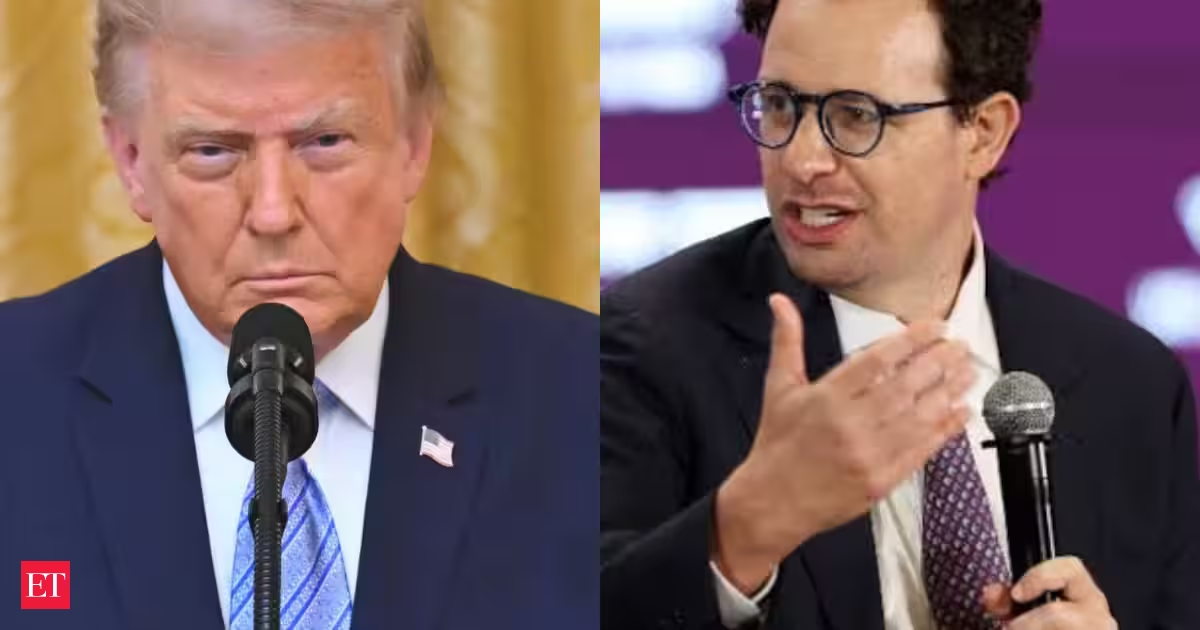
US President Donald Trump has defended his administration’s approach to regulating artificial intelligence, saying the technology needs strong presidential oversight rather than additional “guardrails”.In a post on Truth Social, Trump said his administration had used its “criminal and regulatory power” to prevent AI companies from engaging in actions he described as “bad, or potentially bad”. He specifically referred to Anthropic CEO Dario Amodei, accusing him of now “pretending to be a perfect little angel”.Also read: Dario Amodei, Sam Altman, Elon Musk: AI’s biggest rivals suddenly agree the race needs brakesTrump also hit out at what he called a “sick conspiracy” against AI and data centres, arguing that restrictions on the sector could benefit China.The US president said Washington was leading China and other countries in artificial intelligence and would continue to do so.“WHOEVER WINS AI, WINS!” Trump wrote, while claiming that the US currently has an advantage over China in the technology.He warned critics of his administration’s AI policies, including what he described as “Conspiracy Theorists, Treasonists, Traitors, and Leakers”.AgenciesSource: Truth SocialHis comments two days after the Anthropic CEO released an essay on why the AI industry should slow down, with a three-part plan for doing so."Anthropic is unilaterally committing to the first of these steps. We’ll provide third-party evaluators with permanent, employee-level access to our systems, so that they can verify adherence to our safety measures, report on incidents, and assess models’ alignment during training," he said.Amodei argued that AI companies need to slow the rate at which they improve the capabilities of their most powerful models, giving safety systems and independent oversight time to catch up.Within hours, the OpenAI CEO also agreed with Amodei.He agreed that the industry needed to "pace the frontier," and revealed that OpenAI would adopt one of Amodei's proposed safeguards itself.“..no amount of American competitive pressure should justify recklessness, or let capabilities get ahead of alignment and monitoring,” Altman wrote on X.
Anthropic's Dario pretending to be 'perfect little angel': Trump says US has ‘tremendous’ power over AI firms
Donald Trump defended his administration's artificial intelligence regulation strategy. He stated that strong presidential oversight is necessary for the technology. Trump accused AI companies of potentially engaging in harmful actions. He warned critics against imposing restrictions that could benefit China. The former president framed the AI race as a strategic competition with China.
TL;DRAI
Trump attacks Amodei's slowdown proposal, asserts government controls AI; Amodei and Altman call for safety pacing. Conflict: Trump pushes rapid AI to outpace China, CEOs advocate caution—creating governance uncertainty for enterprise AI spending and compliance.
318 words~1 min read