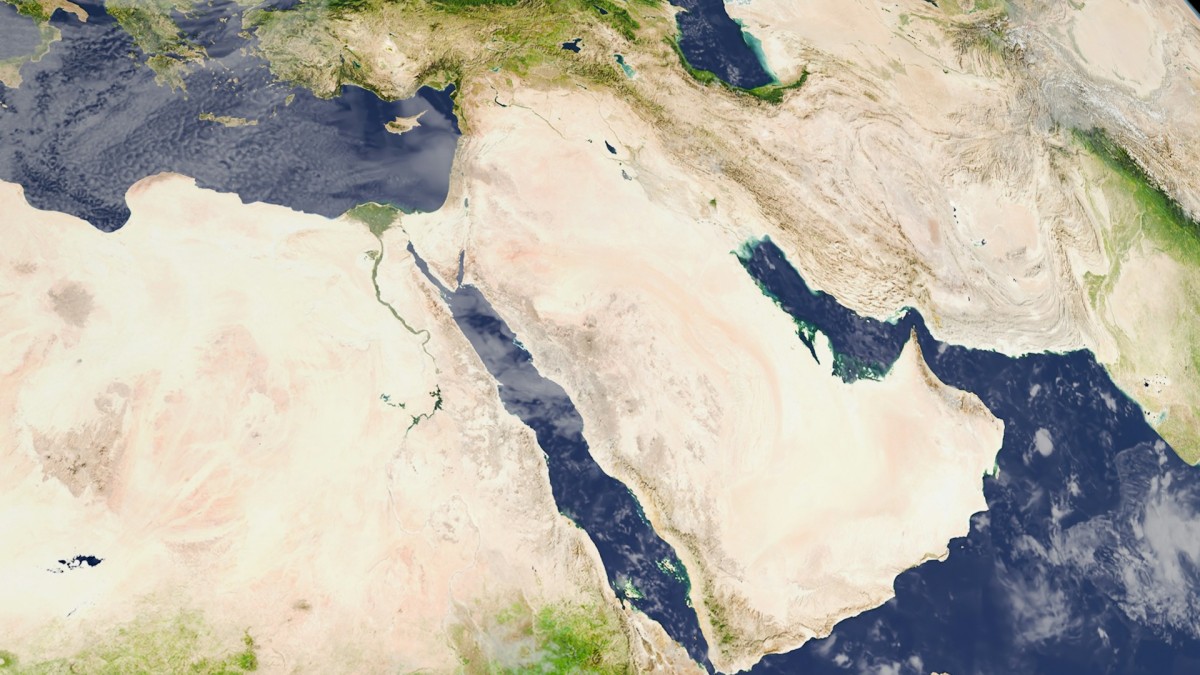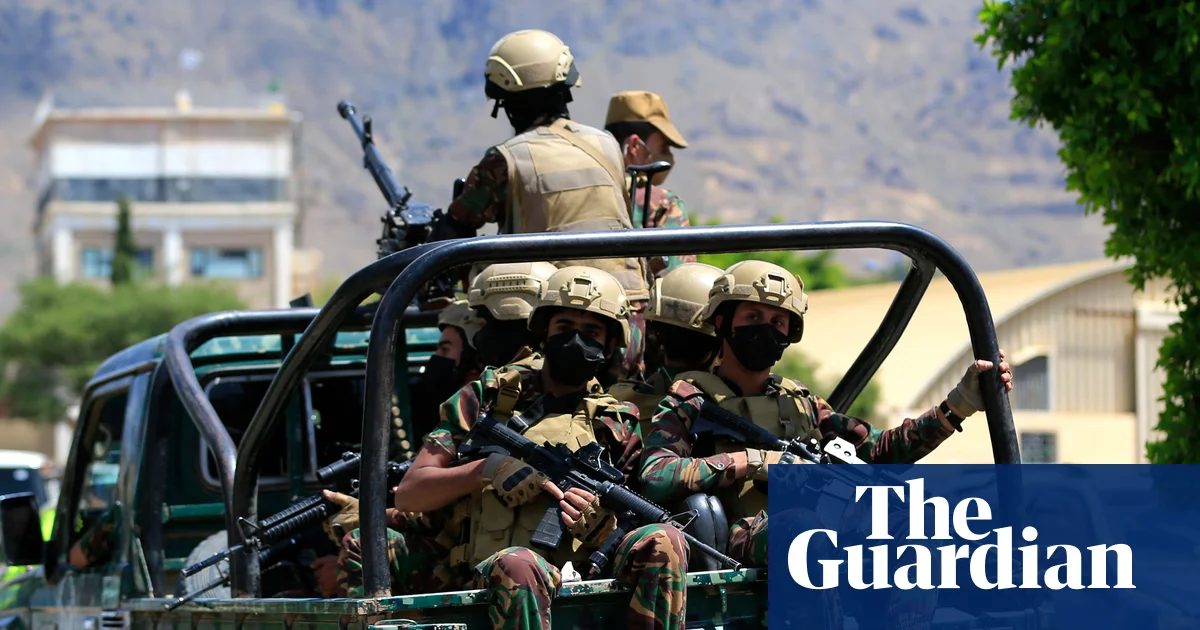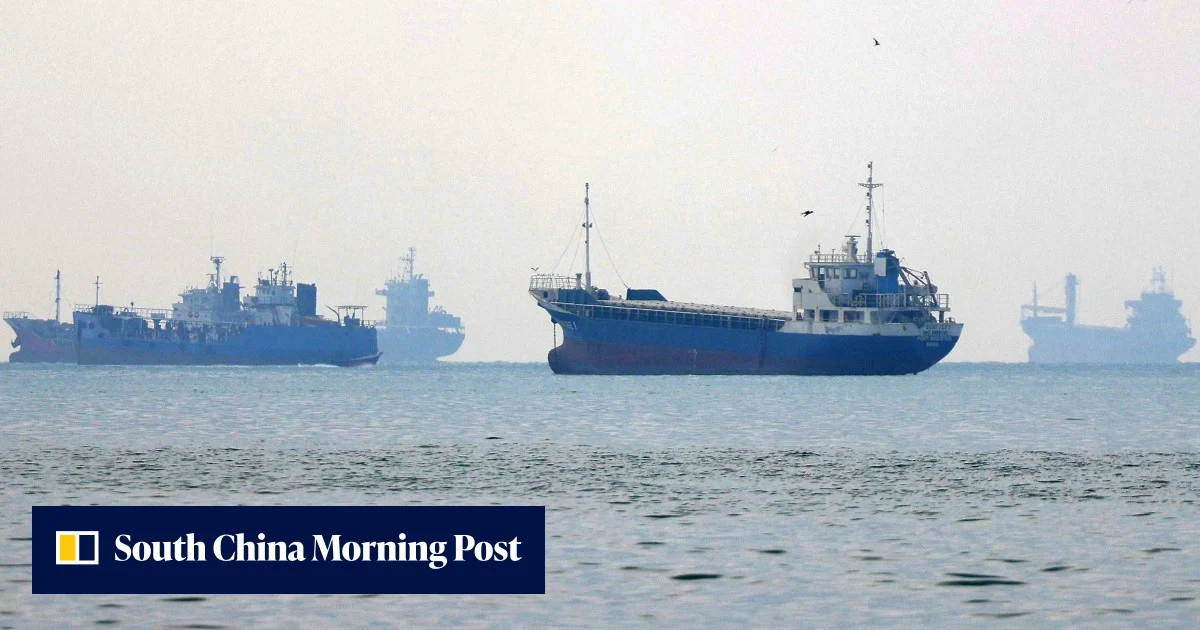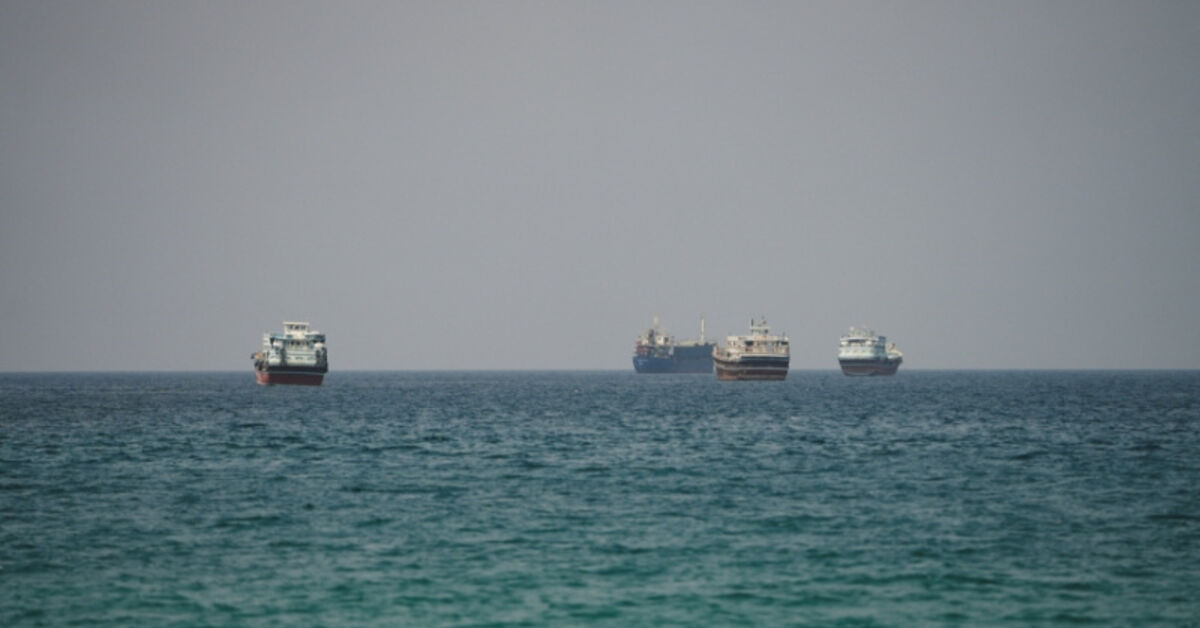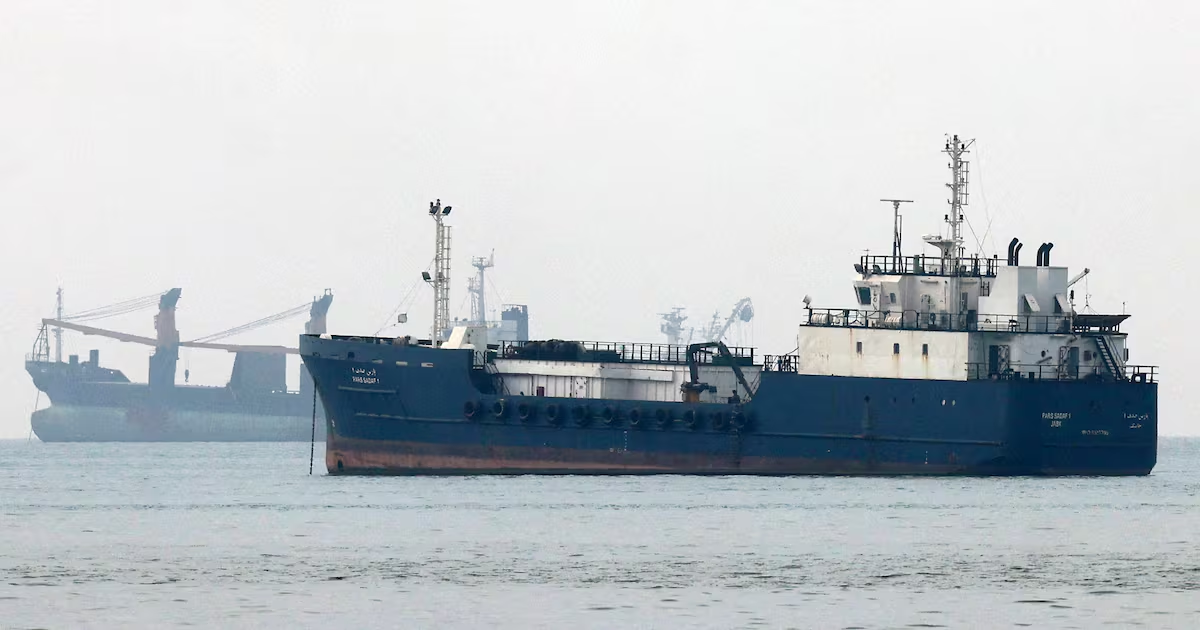
Gulf foreign ministers pulled the plug on a planned meeting with Iran to discuss reopening the Strait of Hormuz on Monday, the same day Yemen’s Houthi forces launched a barrage of ballistic missiles and drones at Saudi Arabia’s King Khalid Air Base. The Houthis called the strike retaliation for more than 300 Saudi airstrikes on Yemen over a five-day stretch.
The timing could hardly be worse. A separate drone attack late last week, which Riyadh attributed to Iran-backed fighters in Iraq, knocked Saudi Arabia’s East-West pipeline offline. That pipeline is the kingdom’s only crude export route that bypasses the Strait of Hormuz, meaning both of Saudi Arabia’s primary channels for getting oil to the global market are now either blocked or damaged.
Brent crude responded by climbing to roughly $107.54 per barrel, while West Texas Intermediate hit about $102.93. Both benchmarks surged nearly 3% in early Asian trading.
Two chokepoints, zero alternatives
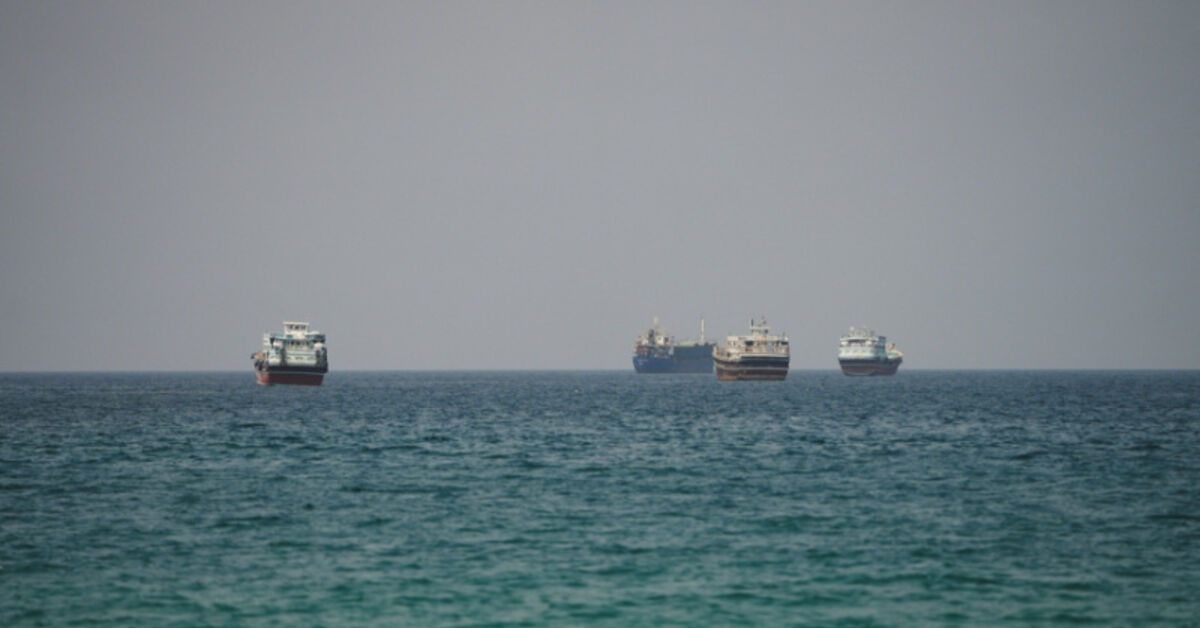
The Strait of Hormuz is the narrow waterway between Iran and Oman through which roughly one-fifth of the world’s daily oil consumption passes.