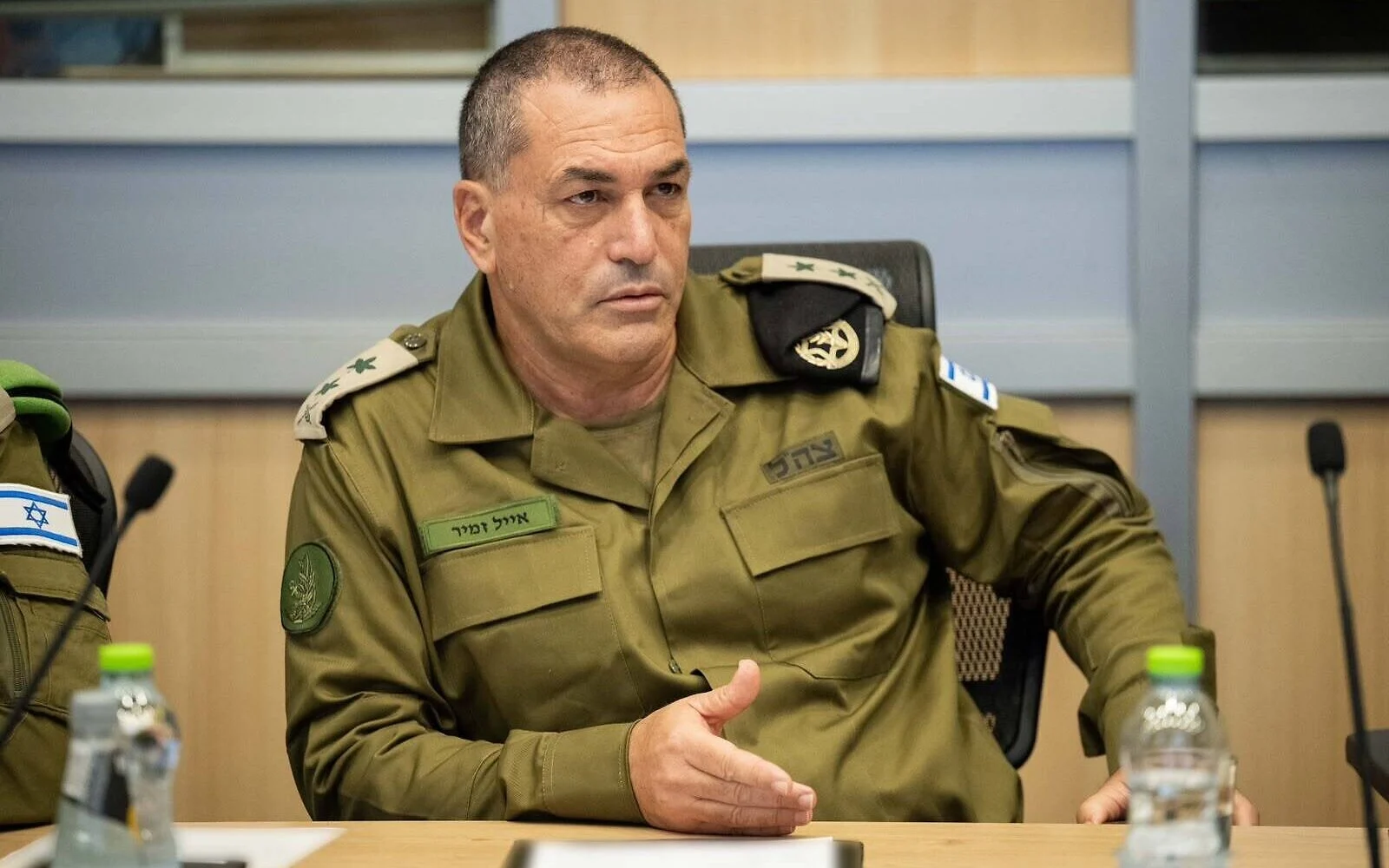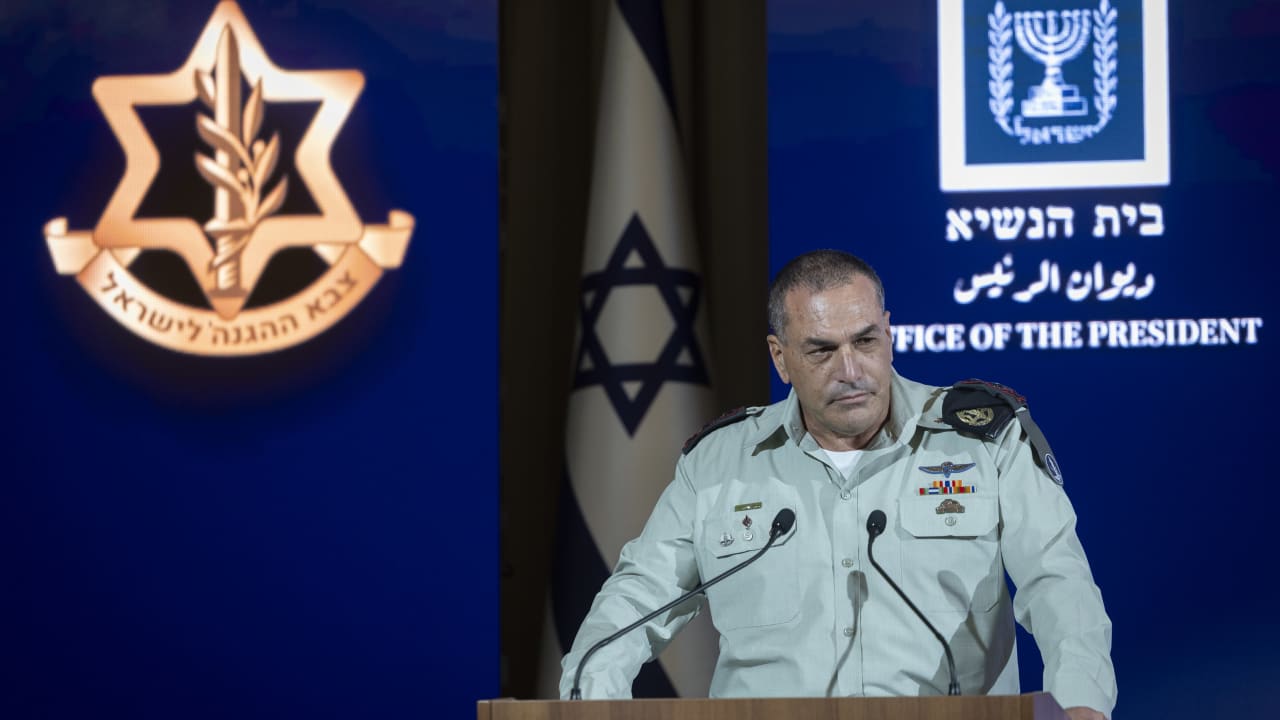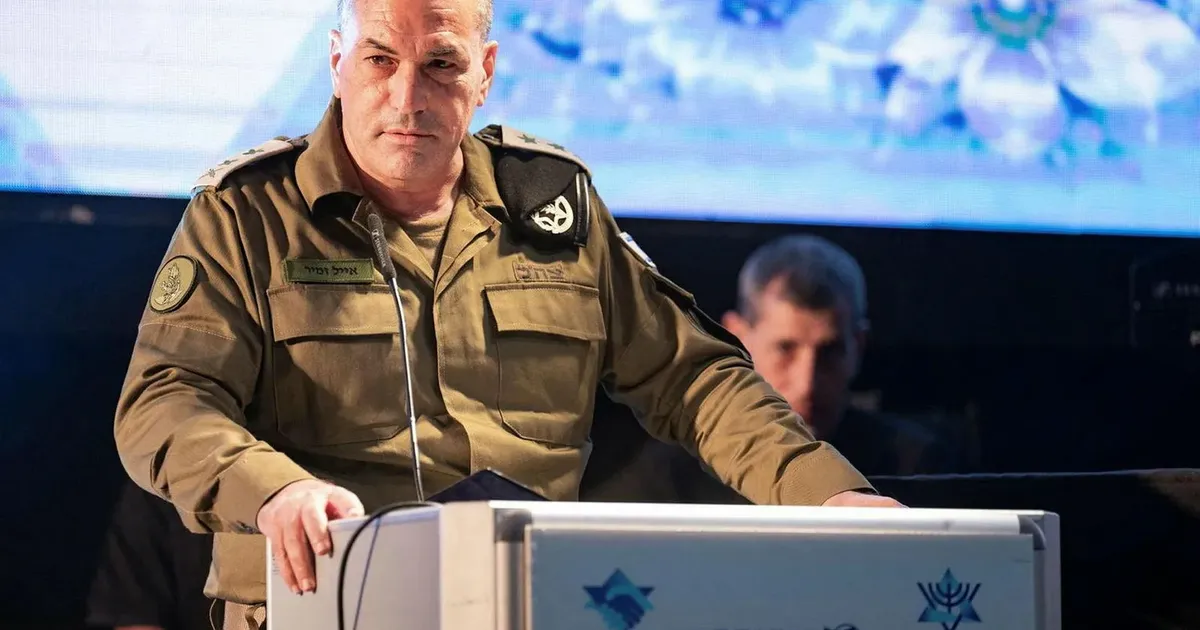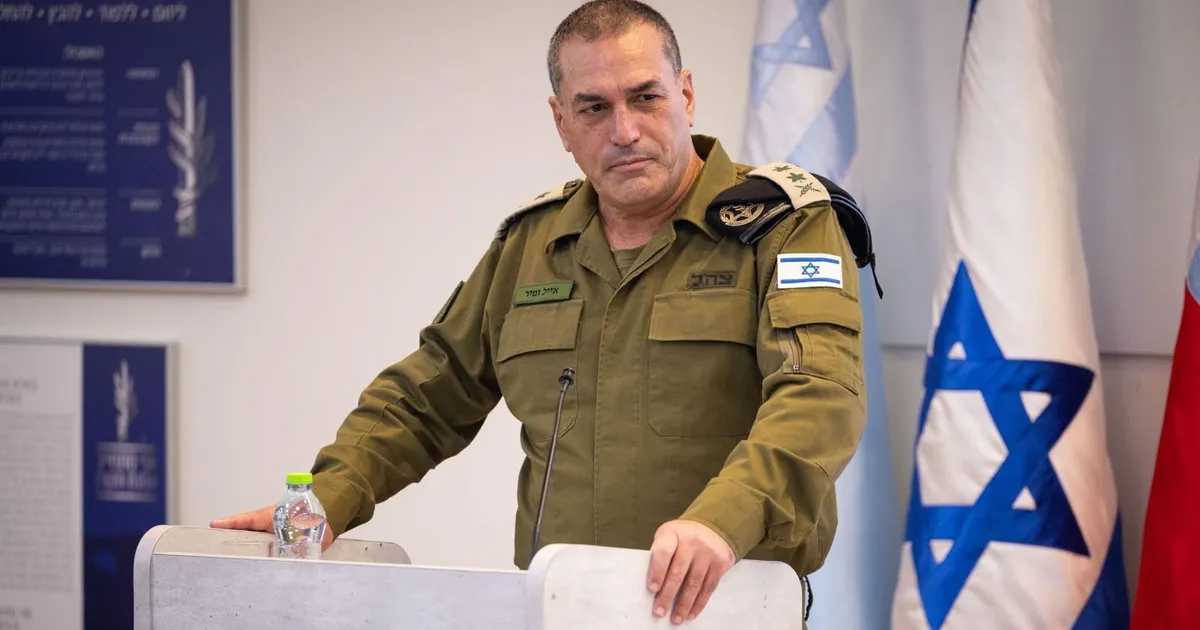
Zamir says film deliberately distorts reality and puts Israeli troops at risk; military will examine legal action against those involved and possible unauthorized disclosure of classified material used in its productionIDF Chief of Staff Lt. Gen. Eyal Zamir on Monday ordered a review of possible legal action and an examination into the unauthorized disclosure of classified material used in the production of the film NAZA, which he accused of spreading “blood libels” and grave false allegations against Israeli soldiers and commanders.The film, directed by Yuval Abraham and Rachel Szor, features testimony from 24 male and female soldiers from the IDF’s Unit 8200 intelligence unit about military operations during the war in Gaza. According to the film, some of those interviewed say they were involved in “war crimes and genocide” and describe the IDF’s collateral-damage policy, bombardments and targeted killings.GalleryIDF Chief of Staff Lt. Gen. Eyal Zamir (Photo: IDF)Zamir issued the directives following a senior-level consultation attended by Deputy Chief of Staff Maj. Gen. Tamir Yadai, Operations Directorate chief Maj. Gen. Itzik Cohen, Military Advocate General Maj. Gen. Itai Ofir, Israeli Air Force commander Maj. Gen. Omer Tishler, the commander of Unit 8200, Brig. Gen. A., IDF Spokesperson Brig. Gen. Effie Defrin and additional commanders.According to the IDF, Zamir said the film constituted a deliberate attempt to undermine the legitimacy of the military and the State of Israel. He said the IDF operates in accordance with international law, its ethical code and values, and is at the forefront of efforts to mitigate harm to uninvolved civilians.“Based on what has been published thus far, this is not a film offering criticism of the IDF, nor is it an attempt to establish the truth,” Zamir said. “It is based on blood libels, deliberate distortions of reality, and grave, false accusations against IDF soldiers and commanders.”“This is an attack on the State of Israel, not only on the IDF. It adopts the narratives of those who hate Israel, it defames our soldiers and commanders, and seeks to portray the IDF as deliberately acting unlawfully. This is a dangerous attempt to deny us the legitimacy to defend ourselves against the worst of our enemies—and, in doing so, to place IDF soldiers and commanders at genuine risk.”“We will not allow IDF soldiers to be made targets through lies and blood libels,” he added. “Such an attempt must be confronted decisively, using every tool at our disposal—legal, command, and public diplomacy.”Directors Yuval Abraham and Rachel Szor after winning at the Venice Film Festival (Photo: Scott A Garfitt/Invision/AP)At the conclusion of the meeting, Zamir ordered the establishment of a multi-agency, multidisciplinary team led by the head of the Planning Directorate. The team will develop courses of action and tools for confronting what the military describes as false allegations against the IDF and its soldiers, working with experts from Israel and abroad.He also instructed the Military Advocate General to examine and advance possible legal measures concerning the film and those involved in it, including in light of what the IDF described as false allegations against soldiers and their potential implications for troops’ personal safety and Israel’s national security.The military will separately examine information-security aspects of the production, including the possible involvement of individuals in the unauthorized disclosure of classified material used in making the film.Zamir also called for a broad national and international public diplomacy effort in cooperation with the Foreign Ministry, Justice Ministry, National Public Diplomacy Directorate and other relevant bodies.The chief of staff said the IDF would use every tool at its disposal to protect its soldiers, commanders and combat troops, as well as the reputation of the Israeli military.
‘Blood libel’: IDF chief orders legal review, classified leak probe over NAZA film
Zamir says film deliberately distorts reality and puts Israeli troops at risk; military will examine legal action against those involved and possible unauthorized disclosure of classified material used in its production
603 words~3 min read