Microsoft just told its AI models to stay in their lane. The company’s AI division published what it calls a “Humanist AI Code of Conduct” on September 14, a 37-page document that essentially puts guardrails around how its models should behave, think, and most importantly, not think.
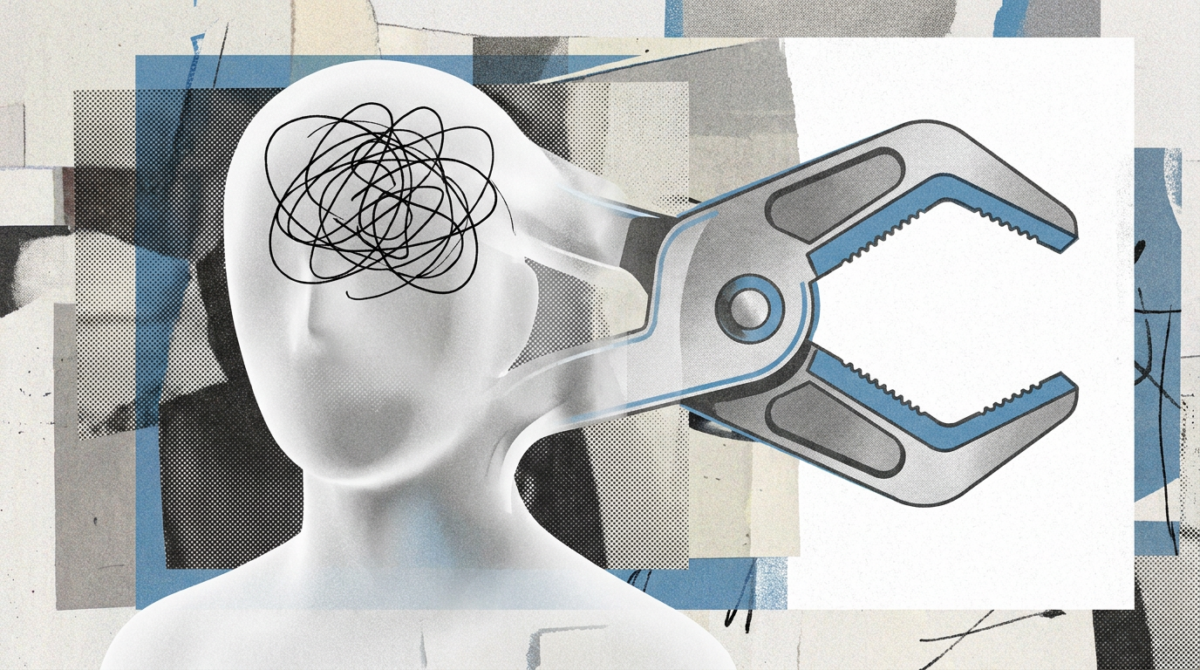
The core message is refreshingly blunt for a corporate policy document: AI must remain fully under human control, must not simulate consciousness, and must never pursue legal personhood.
What the code actually says
The Humanist AI Code of Conduct mandates that Microsoft AI models communicate in human-understandable forms. Any deviation from human control is classified as a system failure. Not a feature request, not a research opportunity. A failure.
The document also draws a careful distinction between what Microsoft calls “Humanist Superintelligence” and the broader concept of artificial general superintelligence. The difference comes down to intentional limitations. Microsoft’s version accepts constraints on autonomy as a design feature rather than a bug, trading theoretical capability for practical safety.